You've just moved into your first home and set up your office. Your back already hurts from the dining chair you've been using. An ergonomic chair is the single best investment for anyone working from home, and here is how to choose the right one without overspending.
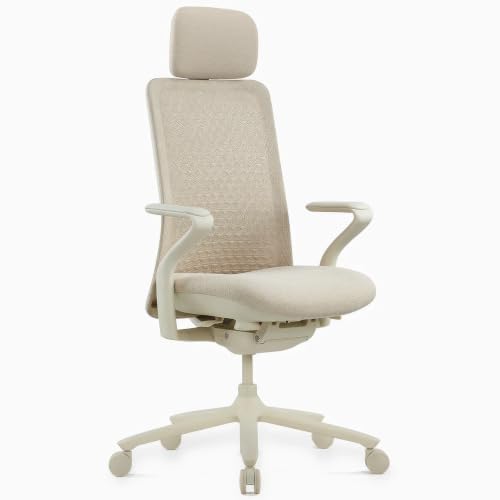
The best ergonomic chair in Australia for most home offices is the SIHOO M57 at about $330, which gives you an adjustable lumbar, 3D armrests and a full mesh back for the price of a good dining chair. We've researched the Australian market for 2026, compared dozens of models, and narrowed it down to three chairs that genuinely deliver on comfort, adjustability, and durability. Whether you are spending about $330 or about $1,000, there's a pick here for you.
What Makes a Chair Truly Ergonomic?
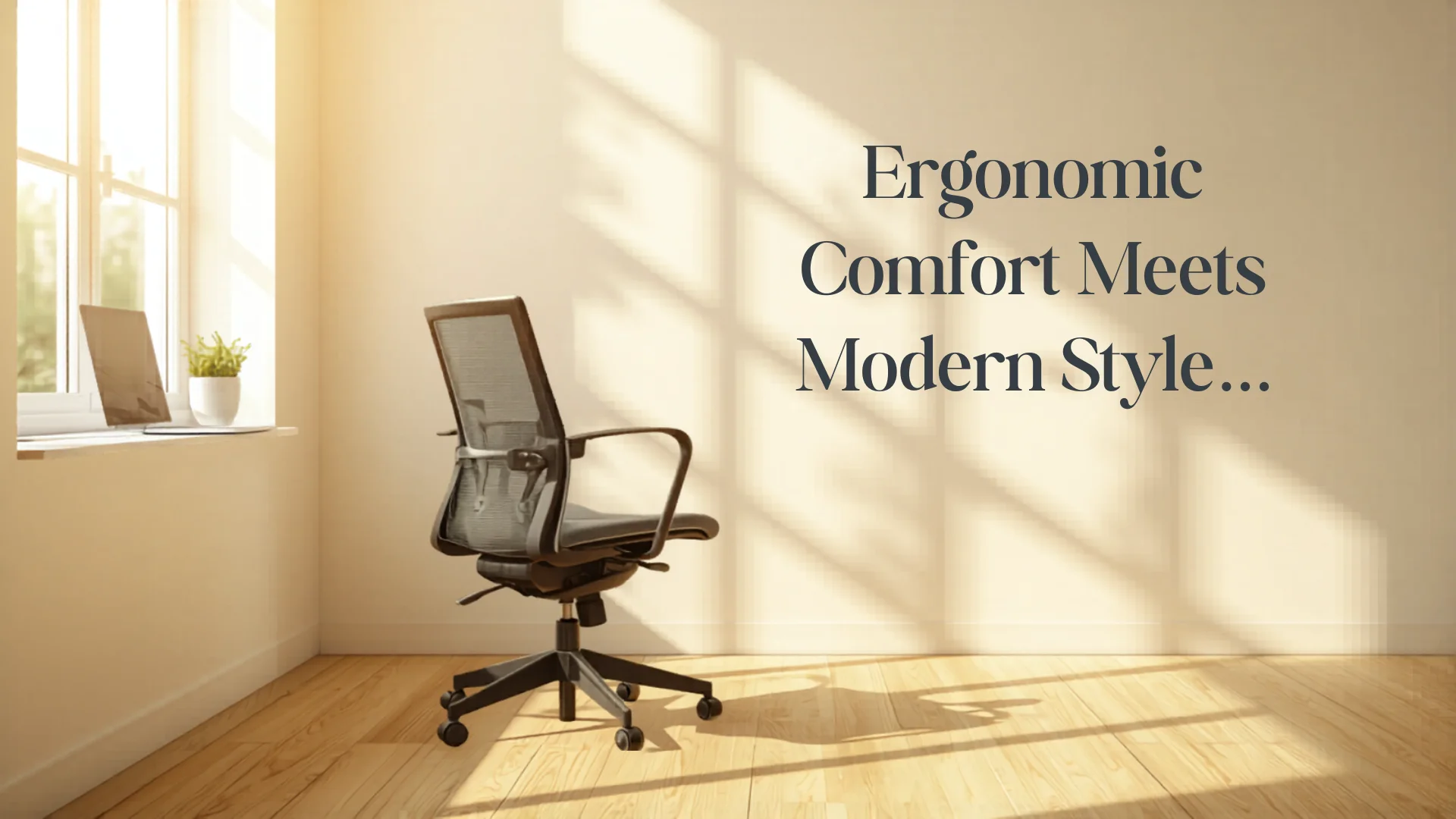
The word "ergonomic" gets slapped on everything from $89 gaming chairs to $2,000 executive thrones. But a truly ergonomic chair has specific adjustable features that let you customise the fit to your body, not just a mesh back and a height lever. If you mostly game rather than work long days, compare the racing-style options in our best gaming chair in Australia guide.
Here's what to look for:
- Adjustable lumbar support: The single most important feature. Your lower back needs a firm curve pressing into the natural arch of your spine. Ideally the lumbar should adjust both in height and depth, not just exist as a fixed bump.
- Seat depth adjustment: Your thighs should be fully supported without the seat edge pressing into the back of your knees. A sliding seat pan lets you adjust this by 5-10cm.
- Armrest height, width, and angle: 3D or 4D armrests let you position your arms so your shoulders stay relaxed while typing. Fixed armrests are better than no armrests, but adjustable ones prevent shoulder and neck tension.
- Headrest: Not essential for everyone, but valuable if you recline during calls or reading. Should be height-adjustable and angle-adjustable.
- Recline tension control: Lets you set how much resistance the backrest gives when you lean back. Too loose and you'll fall back. Too tight and you'll fight the chair.
Minimum requirements: At a bare minimum, any chair you buy should have adjustable height, adjustable lumbar support, and adjustable armrests. If it doesn't have all three, it's not truly ergonomic, it's just a chair with marketing.

Our Top Picks for 2026
After researching and comparing extensively, these three chairs stand out for Australian home office workers. Each fills a different price bracket, but all three deliver genuine ergonomic support.
| Chair | Best for | Adjustment points | Warranty | Price |
|---|
| ErgoTune Joobie | Best overall | 11 | 12 years | about $972 |
| SIHOO M57 | Best value | 6 | 3 years | about $330 |
| Desky Pro Ergonomic Chair | Best Australian brand option | 5 | 5 years | about $1,039 |
Prices are the Amazon AU prices shown on the cards above and they move often, so treat the column as a band rather than a quote.
How to Set Up Your Ergonomic Chair Properly
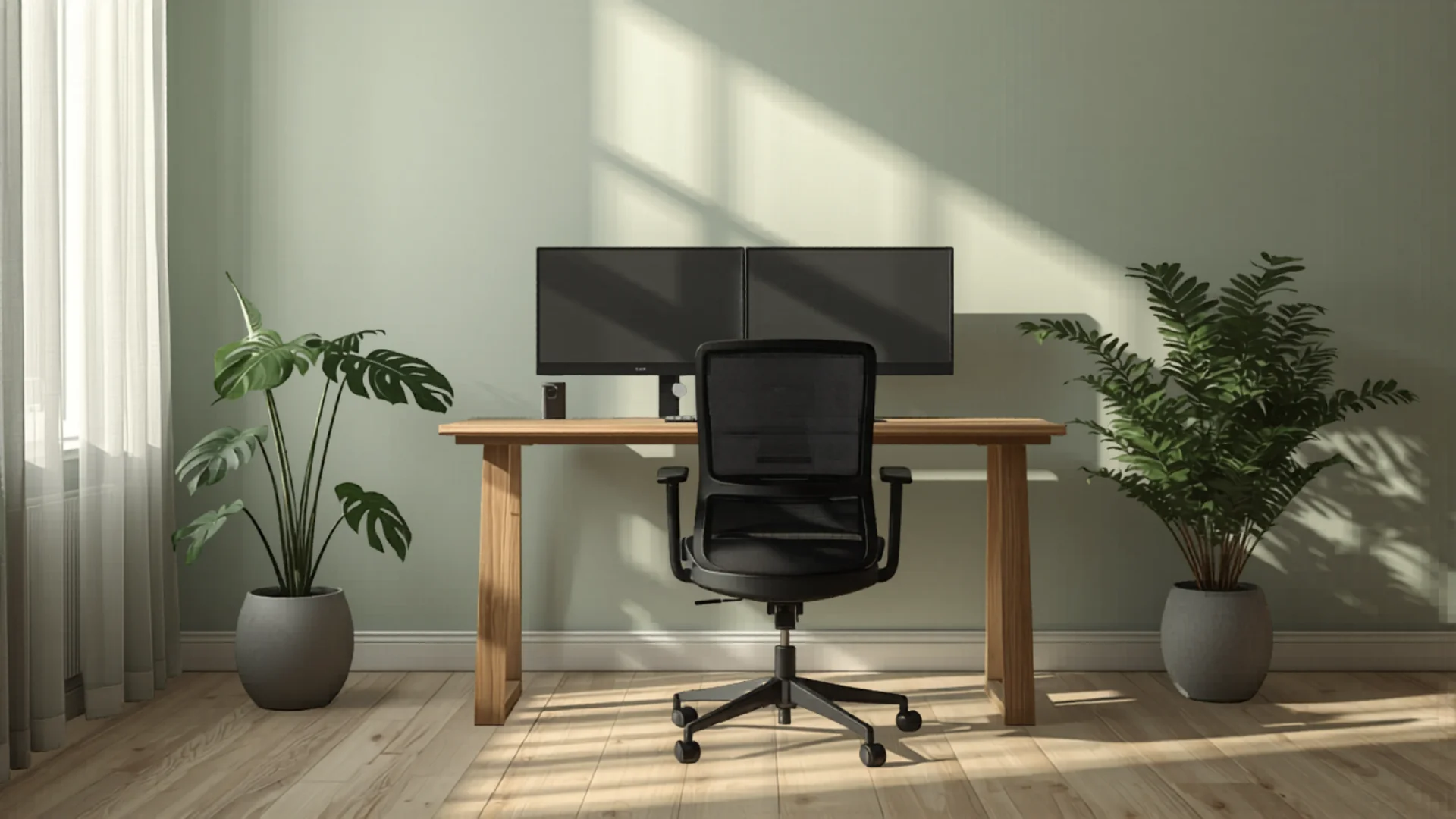
Here's the thing most people miss: buying a great ergonomic chair is only half the job. The other half is actually setting it up correctly. Most people never adjust their chair after unboxing. They sit in it at whatever height it arrived at and wonder why their back still hurts.
Spend 15 minutes getting these right:
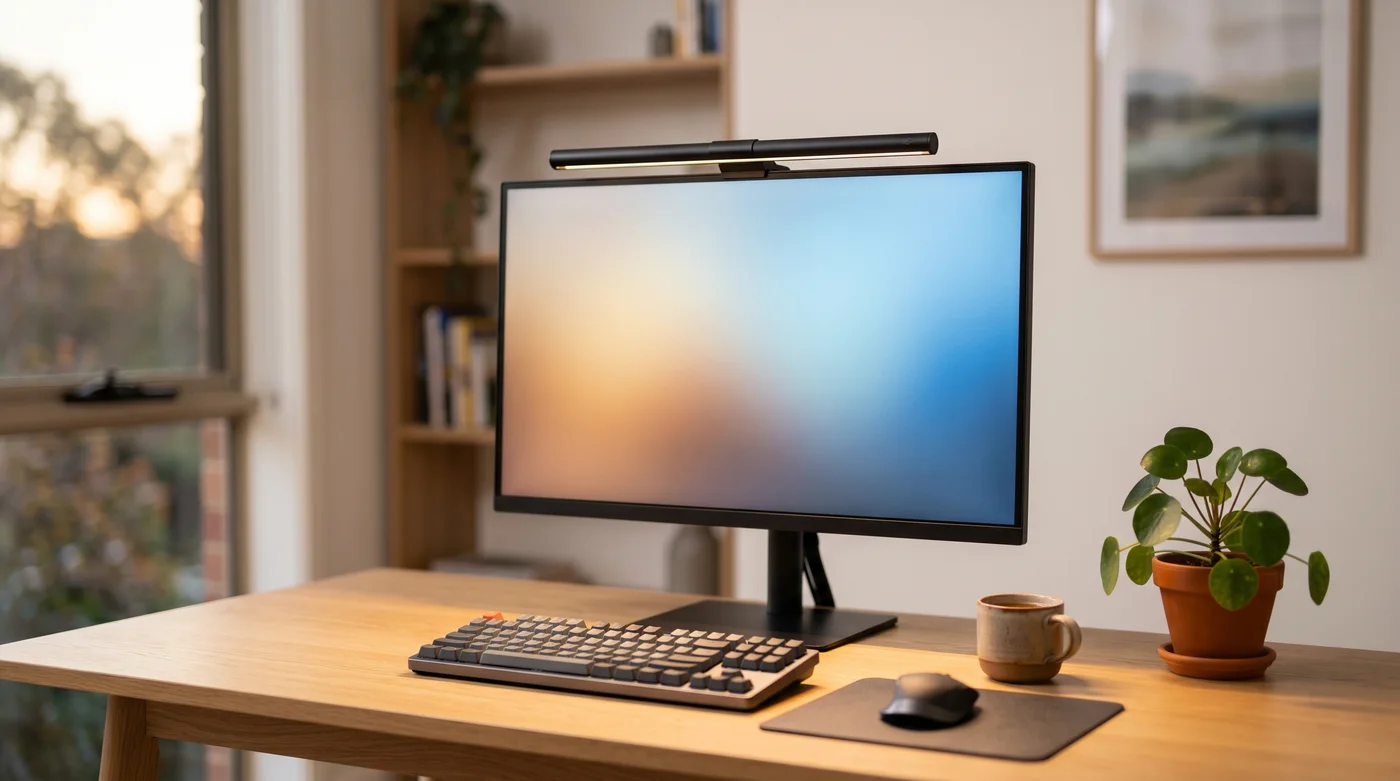
The chair also has to be set against a desk of the right height, and against a screen you are not looking down at. A sit-stand desk solves the first problem, so start with our best standing desks in Australia guide, and a monitor arm is the cheapest way to lift a screen to eye level. A desk mat keeps your wrists off a hard edge once the chair height is right. If you are building the workspace from scratch rather than replacing a chair, our home office setup guide sets out the full twelve-item kit and what each piece costs in Australia.
- Feet flat on the floor: Your feet should rest flat, not dangling. If they don't reach, lower the chair or get a footrest. This is non-negotiable, because dangling feet put pressure on your thighs and restrict blood flow.
- Knees at 90°: Your thighs should be parallel to the floor, with your knees bent at roughly 90 degrees. Adjust seat height until this happens naturally.
- Screen at eye level: The top third of your monitor should be at eye level. This prevents you from tilting your head down, which loads your neck with up to 27kg of force at 60° of tilt.
- Arms at 90°: Your elbows should rest at roughly 90° when typing, with your forearms parallel to the floor. Adjust armrest height until your shoulders are completely relaxed, not hunched up or stretched down.
- Lumbar snug against your lower back: Adjust the lumbar support height so it presses into the natural curve of your lower spine. You should feel gentle pressure, not pain. If the lumbar is too high, it pushes your shoulders forward. Too low and it does nothing.
Budget vs Premium: Is It Worth Spending More?
This is the question everyone asks. Here's the honest breakdown:
Under $300: Basic Ergonomic
Chairs in this range typically offer adjustable height and basic lumbar support, but armrests are usually fixed or only height-adjustable. Build quality is acceptable but not exceptional, so expect a 1 to 3 year warranty. The mesh is thinner and may sag after 18-24 months of daily use. Good for a spare office or part-time WFH.
$300-600: The Sweet Spot
This is where the best value lives. The SIHOO M57 at about $330 is our pick in this band and it offers full adjustment, lumbar, armrests, seat depth and recline, with a 3 year warranty. The mesh is denser, the frame is sturdier, and the gas lift is rated for higher weight. For anyone working from home 4-5 days a week, this is the range to target.
$600+: Premium
The ErgoTune Joobie at about $972 and the Desky Pro at about $1,039 both sit in this range. Chairs at this level, such as the Herman Miller Aeron or the Steelcase Leap, offer premium materials, 10 to 12 year warranties, and genuine resale value. They'll outlast two or three cheaper chairs. Worth it if you sit 8+ hours daily and plan to keep the chair for a decade.
Where the Australian chair retailers fit
Search for an ergonomic chair in Australia and the results fill with names we do not stock: Ergolux and LiberNovo in the shopping row, Ergohuman and Herman Miller in the buying guides, and JB Hi-Fi, Officeworks, Kogan and Aussie Chair as the sellers. They matter for two reasons. Showroom retailers let you sit in a chair before you buy, which no online pick can match, and the premium brands set the specification everything else is measured against. We link only to what we can check on Amazon AU, so treat those names as your in-person shortlist rather than a gap in this guide.
Our recommendation: if you're working from home full-time and buying once, spend $300 to $600, which is where the SIHOO M57 sits. Go past that only for the warranty, the mesh quality and the automatic lumbar the ErgoTune and the Desky add. The jump from a $150 chair to a $400 chair is enormous. The jump from $400 to $1,500 is noticeable but not life-changing.
Frequently Asked Questions
What is the best ergonomic chair in Australia?
For most people the ErgoTune Joobie is the best ergonomic chair in Australia for 2026. It carries 11 adjustment points, self-adjusting lumbar support and a 12 year warranty, the longest of the three picks here. If your budget is tighter, the SIHOO M57 at about $330 delivers an adjustable lumbar, 3D armrests and a full mesh back.
Are ergonomic chairs worth the money?
Yes. The average office worker sits 7+ hours per day. A $500 ergonomic chair used over a 6 year warranty costs about 23 cents a day, less than a cup of coffee. Compare that to the cost of physio visits ($80-$150 per session) for back pain caused by poor seating. Spread across the years you sit in it, a good chair is a small daily cost for something you use every working hour.
What should I look for in an ergonomic office chair?
The key features to look for are: adjustable lumbar support (height and depth), adjustable seat depth, armrest height and width adjustment, recline tension control, and breathable material like mesh. At minimum, any ergonomic chair should have adjustable height, lumbar support, and armrests. If it doesn't have all three, it's not truly ergonomic.
How much should I spend on an ergonomic chair in Australia?
The sweet spot is $300-600. Under $300, chairs typically lack key adjustments like seat depth and 3D armrests. Over $800, you're paying for premium materials and longer warranties, but the ergonomic benefit is similar to the $400-600 range. For full-time work-from-home, aim for the $300 to $600 bracket, which offers the best balance of comfort, adjustability, and durability.
What is an ergonomic chair?
An ergonomic chair is a chair whose fit you can change to suit your body rather than the other way round. The test is simple: it should let you adjust seat height, lumbar support and armrests at a minimum, and better ones add seat depth and recline tension. A padded office chair with a fixed back and fixed arms is not ergonomic, however it is marketed. Of the three picks here, the ErgoTune Joobie has 11 adjustment points, the SIHOO M57 has 6 and the Desky Pro has 5.
What is the best ergonomic chair in Australia under $500?
The SIHOO M57 at about $330 is the only pick here under $500, and it is a genuine ergonomic chair rather than a padded one: adjustable lumbar, 3D armrests, an adjustable headrest, a full mesh back and three recline positions. The trade-offs at this price are a stiffer mesh over an eight hour day and a basic recline mechanism. Under $500 is where most Australians actually buy, and it is enough for a proper chair if you spend it on adjustment rather than padding.
What is the best ergonomic chair for back pain?
For back pain the features that matter are lumbar support you can move up and down and in and out, seat depth adjustment so the seat edge does not press behind your knees, and a recline you can lock. All three picks here adjust the lumbar; the ErgoTune Joobie adjusts it automatically as you move. We are not clinicians, so treat this as setup advice rather than medical advice, and see a physiotherapist or a GP if pain persists or wakes you at night.
Are gaming chairs ergonomic?
Most are not. A racing-style gaming chair usually has a fixed bucket seat, a fixed lumbar pillow strapped on with elastic and a back angle that only reclines rather than supporting an upright working posture. Some newer models do add adjustable lumbar and 4D armrests, and those are worth considering. If you mainly game rather than work long days, compare the racing-style options in our best gaming chair guide; if you sit eight hours a day for work, buy the adjustment instead of the styling.
What chairs do chiropractors and physiotherapists recommend?
Practitioners tend to recommend a category rather than a model: a chair with adjustable lumbar depth, adjustable seat depth, a seat height that lets your feet rest flat, and armrests that hold your elbows at about 90 degrees. Many will also tell you the best chair is the one that lets you change position often, which is why sit-stand desks come up in the same conversation. No chair fixes a bad setup, so set the height to your desk first, then adjust the lumbar to your spine.