The best juicer in Australia for most homes is the Breville Juice Fountain Plus at about $149, which pushes whole apples through a 75mm chute in seconds, with the NutriBullet Slow Juicer at about $192 the cold press pick under $200 and the Kuvings EVO820 at about $549 the premium choice. A cold press returns 700ml to 800ml of juice per kilogram of apples against 550ml to 650ml from a centrifugal machine. Fresh juice costs $12 to $18 at a juice bar in Australia. The ingredients (3 apples, 2 carrots, a piece of ginger, half a lemon) cost around $4 to $5 from the supermarket. If you are already running a blender for smoothies, a juicer is a different tool. It separates juice from pulp, where a blender keeps everything together. The two appliances coexist; they do not replace each other. A good juicer transforms that into premium fresh juice in under 2 minutes. At two juices per day, the maths quickly become compelling: a $300 cold press juicer pays for itself in savings within 3 to 4 weeks of daily use.
Beyond the economics, there is the quality argument. Fresh juice made at home contains no added sugar, no preservatives, and no pasteurisation (which destroys heat-sensitive vitamins). You control exactly what goes in. And because you are making it fresh rather than buying it bottled, you are drinking it at peak nutritional value.
The decision Australian buyers get stuck on is the cold press vs centrifugal debate. It is a genuine trade-off with no single right answer. The best juicer for you depends on how you juice, what you juice, and how much you care about nutrient preservation versus convenience. Here is the honest breakdown.
The juicers at a glance
| Pick | Best for | Type and key spec | Juice per 1kg of apples | Price band |
|---|
| Breville Juice Fountain Plus | Budget under $150 | Centrifugal, 75mm chute, 13,000 and 18,000 RPM | 550ml to 650ml | from $149 |
| NutriBullet Slow Juicer (NBJ07300) | Mid-range cold press | Cold press auger, juice keeps up to 72 hours | 700ml to 800ml | from $192 |
| Kuvings EVO820 | Premium cold press | Cold press, 82mm chute, smoothie and sorbet attachments | 800ml to 850ml | from $549 |
Cold Press vs Centrifugal: Which Type?
The two main juicer technologies produce similar-looking output but work very differently:
Centrifugal juicers work like a miniature blender: a fast-spinning disc with sharp teeth grinds the fruit or vegetable, then centrifugal force throws the pulp against a mesh filter that separates juice from fibre. The whole process takes seconds. A full glass of juice from a centrifugal juicer takes 10 to 20 seconds. They are loud (80 to 90 decibels, similar to a vacuum cleaner) and they produce some heat through friction. The heat, combined with air incorporation during spinning, means centrifugal juice begins oxidising immediately and is best consumed within 20 to 30 minutes. They are also less efficient: the pulp that comes out of a centrifugal juicer is wetter, meaning more juice is left behind.
Cold press juicers (also called masticating or slow juicers) work differently: a rotating auger (screw) crushes the produce slowly against a screen, pressing the juice out without generating heat. The process is slower (a full glass takes 1 to 3 minutes), but the results are different in meaningful ways. Cold press juice contains more nutrients (no heat degradation), oxidises more slowly (juice stays fresh for up to 72 hours refrigerated vs 20 to 30 minutes for centrifugal), produces drier pulp (more juice extracted from the same amount of fruit), and operates much more quietly (55 to 65 decibels).
The verdict: If you are juicing for health and making juice ahead to keep in the fridge, cold press is significantly better. If you are making juice to drink immediately and convenience matters most, centrifugal is faster and easier. Cold press juicers also handle leafy greens (spinach, kale, wheat grass) much better than centrifugal machines (and for households focused on water-and-greens nutrition rather than juice specifically, a quality water filter and a high-performance blender cover most of the same ground for less bench space), which struggle with anything that does not have solid cell structure.
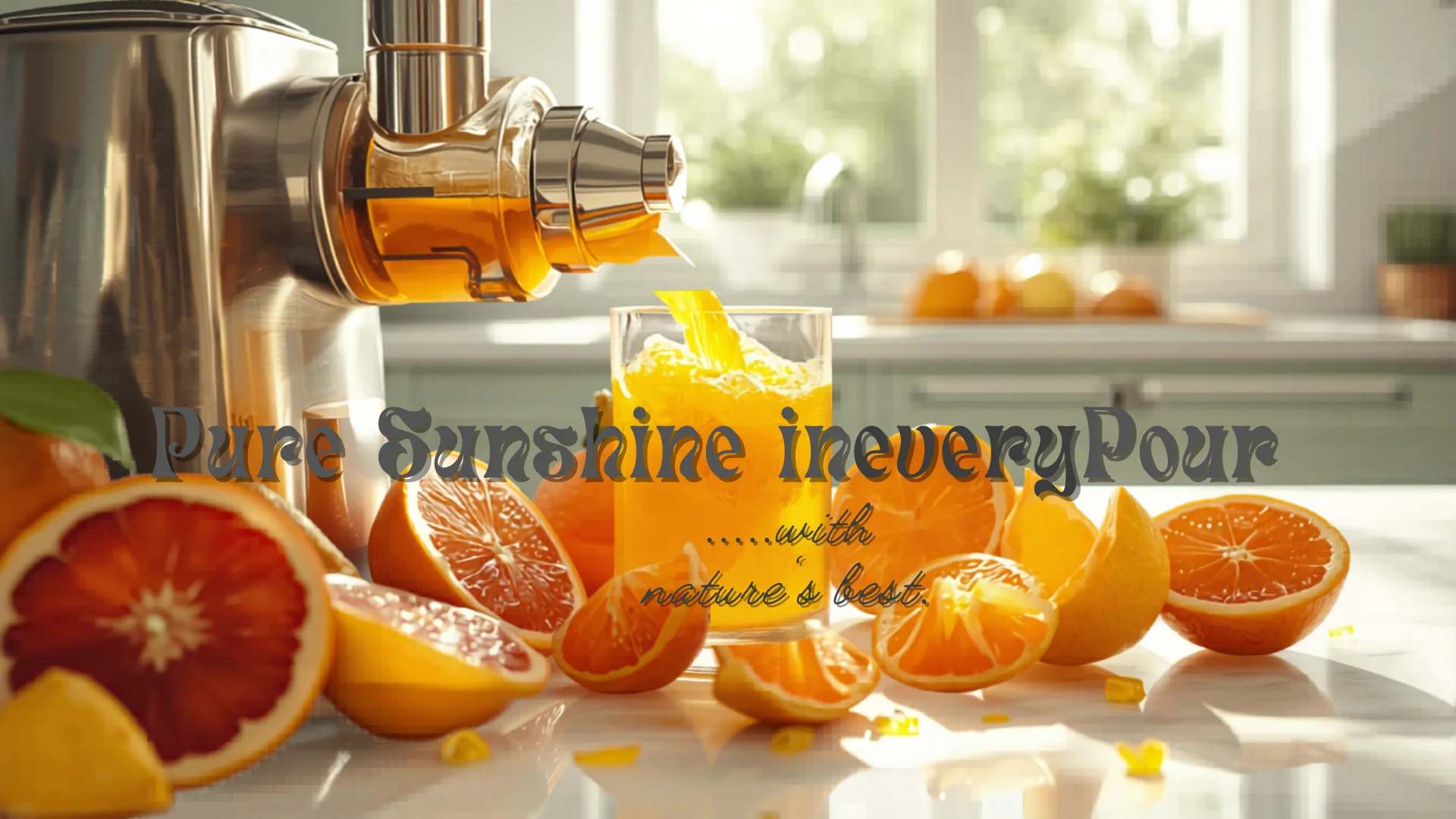
Best Budget Juicers Under $150
Budget juicers in Australia are predominantly centrifugal. You can find cold press juicers under $150, but the build quality is typically poor: cheap plastic augers, inadequate motors that burn out under heavy use, and limited warranty coverage.
The Breville Juice Fountain Plus is the benchmark budget centrifugal juicer and has been for years. Breville's quality control is significantly better than cheaper alternatives, the machine is robust, and parts (filters, jugs, lids) are available as replacements. The extra-wide 75mm feed chute is a practical feature that allows whole apples and quartered beetroots without pre-cutting. This makes a genuine difference to how willing you are to actually use the machine regularly, because prep time is the enemy of daily juicing habits. Two speeds (13,000 RPM for soft fruit and citrus, 18,000 RPM for hard vegetables) give you better juice extraction than single-speed budget machines.
Best Mid-Range Juicers ($150 to $350)
In the $150 to $350 range, you have access to proper cold press juicers with good build quality, adequate warranties, and wide feed chutes that reduce prep time.
The NutriBullet Slow Juicer (NBJ07300) is the best mid-tier cold-press juicer currently available on Amazon AU. NutriBullet's masticating juicer uses a high-torque, low-speed motor that crushes produce slowly, preserving nutrients and producing significantly less foam than centrifugal machines. The juice stores well in the fridge for up to 72 hours, meaning you can juice in bulk twice a week rather than every day. NutriBullet is one of the most recognised household kitchen brands in Australia, with strong retail and warranty support.
Honesty note on the BioChef line: this slot was previously a BioChef Atlas / Synergy slow juicer, but BioChef's slow-juicer SKUs have been in-and-out of stock on Amazon AU's buy-box through early 2026. The NutriBullet is the in-stock alternative at this mid-range tier. It doesn't have BioChef's 76mm wide chute (you'll need to cut produce smaller), but the slow-press juicing performance is comparable and the brand support is stronger.
Best Premium Juicers ($350+)
The premium cold press segment is dominated by Kuvings, Hurom, and Angel, Korean and German brands with reputations for engineering quality, maximum juice yield, and long-term durability.
The Kuvings EVO820 is the best cold press juicer available in Australia for serious juicers. Three things set it apart. First, the feed chute is the widest in the cold press category: a full 82mm, wide enough to fit a whole orange or a full apple. This makes a meaningful difference to daily usability. Second, juice yield: independent tests consistently show cold press juicers extract 20 to 30% more juice from the same amount of produce compared to centrifugal machines, and the Kuvings extracts at the high end of what cold press machines achieve. Over a year of daily juicing, the extra juice from better yield can represent significant savings. Third, versatility: included smoothie and sorbet attachments let you use the same machine to make nut milk, frozen fruit sorbets, and smoothies without a separate blender. Those attachments push frozen fruit into a sorbet texture rather than churning a custard, so if it is proper ice cream you are after, a dedicated ice cream maker is the machine that does it.
Cleaning: The Make-or-Break Factor
Cleaning difficulty is the primary reason people stop using their juicer. If the cleanup takes longer than making the juice, it becomes a deterrent rather than a habit. Here is the honest truth about cleaning each type:
Centrifugal juicers: The spinning disc and mesh filter need rinsing immediately after use or pulp dries and becomes difficult to remove. Most centrifugal juicers disassemble into 4 to 5 parts. Cleaning takes 2 to 4 minutes if done immediately, 5 to 10 minutes if left to dry. The mesh filter is the hardest part to clean: a dedicated cleaning brush (usually included) is essential.
Cold press juicers: More parts to clean (typically 6 to 8 parts) because of the auger, drum, and multiple screens. However, the slower, gentler process means pulp is drier and easier to remove. It does not bake onto surfaces the way hot centrifugal pulp does. Most cold press juicers clean in 5 to 7 minutes with the included brush. That is still fewer parts than a food processor with its discs and blades, so do not let the part count put you off a cold press machine. The rule is the same: clean immediately after use.
Practical tip: Fill a jug of water and run it through the juicer immediately after juicing. This flushes most of the residue before you even start disassembly. Most of the actual cleaning then requires only a quick rinse of each part. This reduces cleaning time significantly for both types.
Juice Yield: How Much Juice Do You Actually Get?
Juice yield varies considerably between juicer types and models. To give you concrete numbers: from 1kg of apples, a centrifugal juicer typically yields 550 to 650ml of juice. A good cold press juicer yields 700 to 800ml from the same 1kg. A premium cold press like the Kuvings can yield 800 to 850ml.
That 150 to 200ml difference per kilogram might seem modest, but at the quantities a daily juicer processes, it adds up. If you are using 3kg of produce per day, the cold press extracts 450 to 600ml more juice than a centrifugal machine. At $12 to $18 per litre for equivalent fresh juice, that is meaningful daily savings from yield alone, before factoring in the quality difference.
The dry pulp from a cold press juicer is also useful in cooking: it can be added to smoothies, used in baking, composted, or fed to garden beds. Centrifugal pulp is wetter and harder to repurpose.
What about Ninja, Hurom, Optimum and MOD?
Those are the names that fill the Australian shopping results and we do not carry them. The NutriBullet 800W centrifugal sits at about $100, the Braun MultiJuice 5 SJ5000 at about $139, the Breville Juice Fountain Cold at about $207, the Ninja NeverClog JC151ANZ at about $249 and the Hurom H400 at about $719. Optimum and MOD are the two Australian direct-to-consumer cold press brands, sold through their own sites rather than the big retailers. We hold no affiliate link for any of them, so they are context, not picks.
Frequently Asked Questions
How long does cold press juice last?
Cold press juice retains its nutritional quality for 48 to 72 hours when stored in an airtight glass bottle in the refrigerator. Centrifugal juice begins oxidising immediately and is best consumed within 20 to 30 minutes. The difference is because cold press does not incorporate air during processing, and the absence of heat means oxidation enzymes have not been activated. If you want to batch-juice for the week, a cold press juicer is the only practical option.
Can I juice leafy greens in any juicer?
Cold press juicers handle leafy greens (kale, spinach, silverbeet, wheatgrass) well. The slow crushing action extracts juice effectively from cellular material. Centrifugal juicers struggle with leafy greens because the spinning motion does not crush the cell walls efficiently. You get minimal juice and wet, poorly processed pulp. If green juices are a priority, a cold press juicer is not optional. Some juicers specifically market their leafy green capability. This is worth checking if green juice is your primary interest.
Is it cheaper to buy juice or make it at home?
For fresh, cold-pressed juice, making it at home is consistently cheaper once you have recouped the juicer cost. The break-even maths is the same logic as a bread maker or a coffee machine: high per-unit retail cost on the daily-habit item, low per-unit cost when you DIY. A premium fresh-pressed juice at an Australian juice bar costs $12 to $18 for 300 to 500ml. The same volume made at home costs $2 to $5 in produce. At $10 average savings per juice and two juices per day, a $300 juicer pays for itself in 15 days. Even a $550 premium juicer pays for itself in under a month of daily use. The caveat: this only works if you actually use it consistently, which requires choosing a juicer that is easy to use and clean.
What is the best juicer for home use in Australia in 2026?
For most Australian homes, the Breville Juice Fountain Plus (about $149) is the easiest everyday pick. It is centrifugal, so you get a full glass of juice in about five seconds, and its extra-wide feed chute takes whole apples with no chopping. If preserving nutrients matters more than speed, step up to the masticating NutriBullet Slow Juicer (about $192).
How do I choose a juicer that's easy to clean and low-effort in Australia?
Two things cut the effort: a wide feed chute means less chopping, and fewer parts mean less washing. The Breville Juice Fountain Plus (about $149) is a fast centrifugal unit that takes whole apples through its extra-wide chute, though its mesh filter needs a rinse after pulpy fruit. Masticating juicers like the NutriBullet Slow Juicer (about $192) run quieter but have more parts to clean.
What is a cold press juicer?
A cold press juicer, also sold as a masticating or slow juicer, crushes produce with a slowly turning auger against a screen instead of shredding it on a spinning disc. Because there is no fast blade there is almost no friction heat and much less air whipped in, so the juice oxidises slowly and keeps up to 72 hours in the fridge against 20 to 30 minutes for centrifugal juice. It also returns 700ml to 800ml per kilogram of apples rather than 550ml to 650ml.
Which juicer is better, Breville or Ninja?
They are built for different habits. Breville owns the fast centrifugal end in Australia, and the Juice Fountain Plus at about $149 takes whole apples through a 75mm chute and makes a glass in 10 to 20 seconds. The Ninja NeverClog JC151ANZ at about $249 is a cold press machine, so it is slower, much quieter and returns more juice per kilogram, and its selling point is that the auger clears itself instead of jamming on pulp. Fast and cheap, or slower and higher yield.
Which juicer brands are best in Australia?
Breville is the default for centrifugal machines and the easiest to get parts for. Kuvings and Hurom are the Korean cold press specialists at the premium end, with Kuvings running the widest 82mm chute. NutriBullet and Ninja cover the mid range with recognised retail and warranty support. Braun and Fretta sit at the budget end from about $119, and Optimum and MOD are the Australian direct sellers you will see quoted in reviews but not on the shop shelf.
Is juicing good for you?
Juice gives you the vitamins and minerals of the fruit without most of the fibre, because the fibre leaves with the pulp. That makes the sugar hit faster than eating the same fruit whole, which is why the Australian Dietary Guidelines treat juice as a limited serve rather than a swap for fruit. Home juice does have the advantage of no added sugar and no pasteurisation. Leaning on vegetables rather than fruit, and drinking one glass rather than three, is the sensible middle.
What is the number one juicer in Australia?
For most homes the Breville Juice Fountain Plus at about $149, because it is fast, robust, takes whole apples and has replacement filters and jugs you can actually buy. If nutrient retention and yield matter more than speed, the number one is the Kuvings EVO820 at about $549, with an 82mm chute and 800ml to 850ml of juice per kilogram of apples. The NutriBullet Slow Juicer at about $192 is the sensible middle.
How do you juice a lemon without a juicer?
Roll the lemon hard on the bench first to break the segments, then microwave it for about 10 seconds so the juice runs freely. Cut it in half across the segments, hold a half cut side down over a bowl, push a fork into the flesh and twist while you squeeze. The fork does the job of a reamer. Straining through a sieve catches the pips, and one medium lemon gives roughly 40ml.
A juicer is one of the more specialised bench appliances. Before adding it to your kitchen, our kitchen essentials guide covers the broader setup priority: kettle, toaster and microwave first, then specialty appliances like juicers and stand mixers as your routines settle.