A toaster is one of those appliances that seems impossible to get wrong — until you buy a bad one. You know the type: it burns one side and leaves the other pale, the slots are too narrow for sourdough, the crumb tray is impossible to remove, and the browning dial is so inconsistent that setting 3 gives you charcoal one day and warm bread the next.
The good news is that a genuinely excellent toaster costs $60–$100. A toaster sits in the week-one bench-appliance trio alongside a kettle and microwave — three appliances most new homeowners need running on day one. You don't need to spend $200 (though the premium options are impressive). You just need to know what to look for: even browning, wide slots, consistent results, and a build quality that lasts more than two years.
We've researched and compared the best toasters available in Australia for 2026. Whether you're setting up your first kitchen or replacing a toaster that's seen better days, here's our honest breakdown from budget to premium.
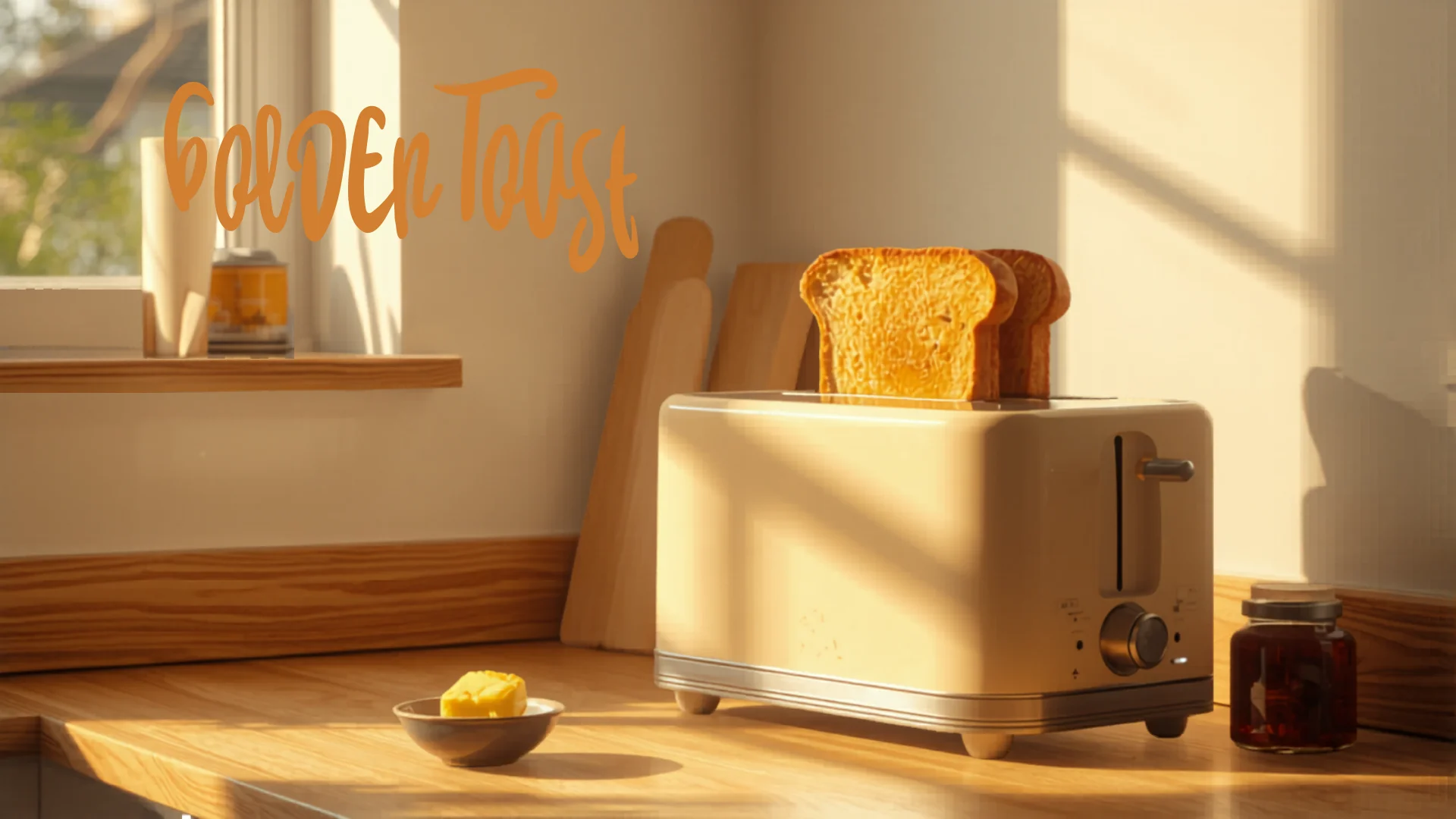
2-Slice vs 4-Slice — Which Do You Need?
This is the first decision, and it's simpler than you think:
- 2-slice toaster: Smaller bench footprint, cheaper, heats up faster, and uses less electricity. Perfect for singles and couples who rarely need more than two slices at once. If bench space is tight (common in apartment kitchens), a 2-slice is the practical choice.
- 4-slice toaster: Handles more toast at once, which matters for families or anyone who makes toast and crumpets simultaneously. Most quality 4-slice toasters have independent controls for each pair of slots — so you can toast two slices on setting 3 and two on setting 5 at the same time. The extra bench space it takes up is roughly 10–15cm wider than a 2-slice.
Our recommendation: Even for couples, we'd suggest a 4-slice with independent controls. The price difference is often only $10–$20, the extra slots are useful for hosting breakfast guests, and having independent controls means you can toast different breads to different levels simultaneously. The only reason to go 2-slice is if bench space is genuinely tight.
Wide Slot vs Standard Slot
This is the feature that separates frustrating toasters from good ones:
- Standard slots: About 28mm wide. Fine for regular pre-sliced bread (like Tip Top or Helga's) but will jam or won't fit sourdough, artisan bread, thick-cut bakery bread, bagels, or crumpets stacked side by side. If you only ever eat standard sliced bread, these are fine.
- Extra-wide slots: 38–42mm wide. Fit everything — sourdough, bagels, thick-cut rye, fruit bread, hot cross buns, crumpets. This is a non-negotiable feature for most Australian households, especially as sourdough has become a kitchen staple. Households running a bread maker need wide slots non-negotiably — homemade loaves are wider than supermarket sliced bread, and a narrow-slot toaster turns into a daily frustration.
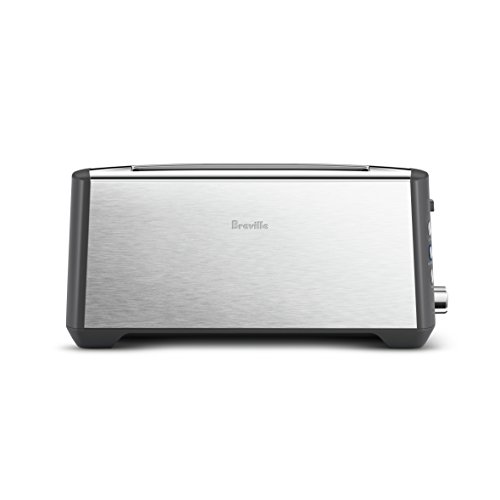
- Long slots: Some toasters (like the Breville Die-Cast Long Slot) have two long slots instead of four standard ones. These fit artisan bread slices that are wider than they are tall — perfect for sourdough rounds sliced in half.
Bottom line: Always get extra-wide slots. The price difference is negligible, and you'll never have to fight with bread that doesn't fit. If you regularly eat sourdough rounds, consider a long-slot model. And whatever you toast, the loaf keeps far better in a bread bin than in the bag it came home in.
Best Budget Toasters Under $60
Budget toasters have improved significantly. For $40–$60, you can get a toaster with wide slots, multiple browning levels, and defrost/reheat functions. They won't have the build quality or consistency of mid-range models, but they'll serve you well for 2–3 years.
Sunbeam Arise 4-Slice — ~$49
The Sunbeam Arise is our top budget pick. It delivers even browning across all four slots (a common failure point in cheap toasters), has extra-wide slots that fit sourdough and bagels without jamming, and includes independent controls for each pair of slots. The crumb tray slides out easily from the back — a small detail that makes cleaning much less annoying.
- Pros: Even browning, extra-wide slots, independent controls, 6 browning levels, defrost and reheat functions, easy-access crumb tray
- Cons: Plastic body (not as durable as stainless steel), can be slightly inconsistent at the lowest browning setting, no lift-and-look feature
- Best for: Budget-conscious buyers who want reliable, even toasting without overspending
Check price on Amazon AU →
Kambrook Perfect Slice 4-Slice — ~$45
Kambrook is an Australian brand that's been making affordable kitchen appliances for decades. The Perfect Slice lives up to its name — it delivers consistent results toast after toast, which is genuinely unusual at this price. The extra-lift function raises small items (like crumpets and English muffins) higher than normal so you can grab them without burning your fingers.
- Pros: Consistent browning, extra-lift for small items, Australian brand with local warranty, 6 browning levels, wide slots
- Cons: Plastic body, no independent controls (both sides toast at the same setting), design is purely functional (not winning any beauty awards)
- Best for: Buyers who value consistency and simplicity over features
Check price on Amazon AU →
Best Mid-Range Toasters ($60–$120)
Mid-range is where toasters get genuinely good. You get stainless steel bodies (more durable, better heat distribution), features like Lift & Look, and noticeably more consistent browning. If you use your toaster daily, spending $80–$100 is a smart investment that'll last 5–7 years.
Breville A Bit More 4-Slice — ~$89
The Breville "A Bit More" is the best-selling mid-range toaster in Australia, and it's earned that position. The signature feature is genius: the "A Bit More" button adds a few extra seconds of toasting without restarting the cycle. Didn't get quite enough colour? Press the button. No more re-toasting and ending up with burnt cardboard.
The Lift & Look feature lets you raise the toast mid-cycle to check browning without cancelling. The extra-wide, extra-deep slots fit even the thickest sourdough. The die-cast metal body feels substantial and looks good on any benchtop.
- Pros: "A Bit More" button (genuinely useful daily), Lift & Look mid-cycle check, extra-wide and extra-deep slots, die-cast metal body, independent 4-slice control, consistent browning
- Cons: More expensive than budget options, the cord is short, the stainless steel shows fingerprints
- Best for: Anyone who wants a reliable, feature-rich toaster they'll use for 5+ years. This is our most recommended toaster overall.
Check price on Amazon AU →
Russell Hobbs Brooklyn 4-Slice — ~$79
The Russell Hobbs Brooklyn range has become a design favourite in Australian kitchens. The matte black and copper aesthetic looks premium, and the toasting performance matches the looks. Extra-wide slots, 6 browning levels, high-lift carriage, and independent controls. The fast-toast technology reduces toasting time by up to 50% compared to standard toasters.
- Pros: Beautiful design (matte black + copper accents), fast-toast technology, extra-wide slots, independent 4-slice controls, high-lift carriage
- Cons: The copper accents can tarnish if not wiped regularly, some users report slightly uneven browning at lower settings, no Lift & Look feature
- Best for: Design-conscious buyers who want a toaster that looks as good as it performs
Check price on Amazon AU →
Best Premium Toasters ($120–$250)
Premium toasters are for people who take their toast seriously — or who want a statement piece on their kitchen bench. These models offer the most consistent browning, the smartest features, and the best build quality. They'll last 7–10 years easily.
Breville Smart Toaster 4-Slice — ~$199
The Breville Smart Toaster is the most advanced toaster you can buy in Australia. It has a motorised carriage that automatically lowers bread when you insert it — no lever to push. The "A Bit More" button, Lift & Look, and Toast IQ all carry over from the cheaper Breville models, but the Smart Toaster adds an LED progress bar that shows exactly where your toast is in the cycle. It also auto-adjusts toasting time when doing consecutive batches (because the toaster is already hot, the second batch needs less time).
- Pros: Motorised one-touch lowering, LED progress bar, auto-adjusts for consecutive batches, "A Bit More" + Lift & Look, die-cast metal body, the most consistently praised browning of any toaster in this guide
- Cons: Expensive for a toaster, the motorised carriage is one more thing that can eventually fail, overkill if you just want basic toast
- Best for: Kitchen gadget enthusiasts and anyone who wants the absolute best toasting experience money can buy
Check price on Amazon AU →
Smeg TSF01 2-Slice — ~$239
Let's be honest: the Smeg toaster is a design purchase first and a toaster second. Its retro 1950s aesthetic has made it one of the most recognisable kitchen appliances in Australia, available in a dozen colours from pastel blue to matte black. But it's not just looks — the toasting performance is genuinely good, with even browning, wide slots, and smooth operation.
- Pros: Iconic retro design in multiple colours, solid stainless steel body, good toasting performance, self-centering racks for even browning, backlit controls
- Cons: Very expensive for a 2-slice toaster, only 2 slices (no 4-slice at this design quality), heavy, you're paying significantly for the brand and aesthetics
- Best for: Design-first buyers who want their toaster to be a kitchen statement piece and don't mind paying a premium for aesthetics
Check price on Amazon AU →
What Makes a Toaster Good?
Beyond slots and price, here are the features that separate a good toaster from a frustrating one:
- Even browning: The most important quality. Cheap toasters brown the edges and leave the centre pale, or toast one side darker than the other. Mid-range and premium toasters use better heating elements positioned for uniform coverage.
- Consistent results: Setting 4 should produce the same result every time — not light one morning and burnt the next. This comes down to thermostat quality. Breville and Sunbeam are consistently strong here.
- Lift & Look: The ability to raise toast mid-cycle to check browning without cancelling. Only Breville offers this in the Australian market, and it's genuinely useful.
- Defrost function: Reduces power to gently thaw frozen bread before toasting. Essential if you freeze bread (which you should — it extends shelf life from days to months).
- Crumb tray accessibility: A crumb tray that slides out easily from the front or back makes cleaning simple. Trays that are hard to access or don't slide smoothly lead to crumb buildup, which is both a fire hazard and an invitation for pests.
- Cord storage: A retractable or wraparound cord keeps your bench tidy. A loose cord that dangles is both messy and a safety risk near hot surfaces.
For more kitchen setup advice, check our kitchen essentials guide for everything you need when moving in.
Frequently Asked Questions
How long should a toaster last?
A quality toaster should last 5–10 years with daily use. Budget models ($30–$50) typically last 2–4 years before the heating elements degrade or the browning becomes inconsistent. Mid-range models ($60–$120) from brands like Breville and Sunbeam commonly last 5–7 years. Toaster lifespan is shortened by hard-water steam exposure (laundry or kitchen with poor ventilation) — a water filter on the kitchen tap, used for cleaning and dishwashing rinse, reduces scale buildup across all heating appliances meaningfully. Premium models can last 10+ years. The most common point of failure is the thermostat — when your toaster starts giving inconsistent browning at the same setting, it's usually time to replace it.
Is a 4-slice toaster worth it for two people?
Yes — for most couples, a 4-slice toaster with independent controls is the better buy. The price difference between a quality 2-slice and 4-slice is typically only $10–$30. The extra two slots are useful when you're making breakfast for guests, toasting bread and crumpets simultaneously, or simply when you both want toast at the same time. The independent controls mean you can use just two slots when that's all you need, so there's no wasted energy.
What's the best toaster brand in Australia?
Breville is consistently the top-performing toaster brand in Australia across all price points. Their "A Bit More" and "Lift & Look" features are genuinely useful innovations that no other brand has matched. Sunbeam is the best budget brand, offering reliable performance at lower price points. Russell Hobbs offers the best combination of design and performance in the mid-range. For pure aesthetics, Smeg is unmatched but overpriced for what you get in toasting performance.
Should a family get a 2-slice or 4-slice toaster in Australia?
For most Australian families, go 4-slice — it halves the wait when several people want toast at once. The Sunbeam Arise 4-Slice (~$49) is the budget pick, with independent controls per side so kids and adults can run different browning levels at the same time, plus extra-wide slots that fit sourdough and bagels.
How do you clean a toaster?
Unplug the toaster and let it cool completely, remove the crumb tray and empty it, then turn the toaster upside down over a bin to shake out loose crumbs. Wipe the outside with a damp cloth and use a soft brush for crumbs stuck inside the slots, keeping water and cleaning liquid out of the unit, and following any cleaning notes in your toaster manual.
How does a toaster work?
A toaster uses heating elements inside the unit to brown both sides of the bread at once, with a timer or browning dial controlling how long the elements stay on. When the cycle finishes, a spring loaded mechanism pops the toast back up.
Who invented the toaster?
No single person invented the toaster. Electric toasters appeared around the turn of the twentieth century, and Charles Strite patented an automatic pop up toaster in 1921.
Found this helpful?
Check out more guides for new homeowners.