Guides, grants, tools and the experts behind them, one post at a time. Save what helps, share what matters.
One clear path to your first home.
Calculators that use real lending rules, every grant you can claim in your state, and vetted experts when you need them. Free, step by step, no account.
NestPath
PSA
Pinned
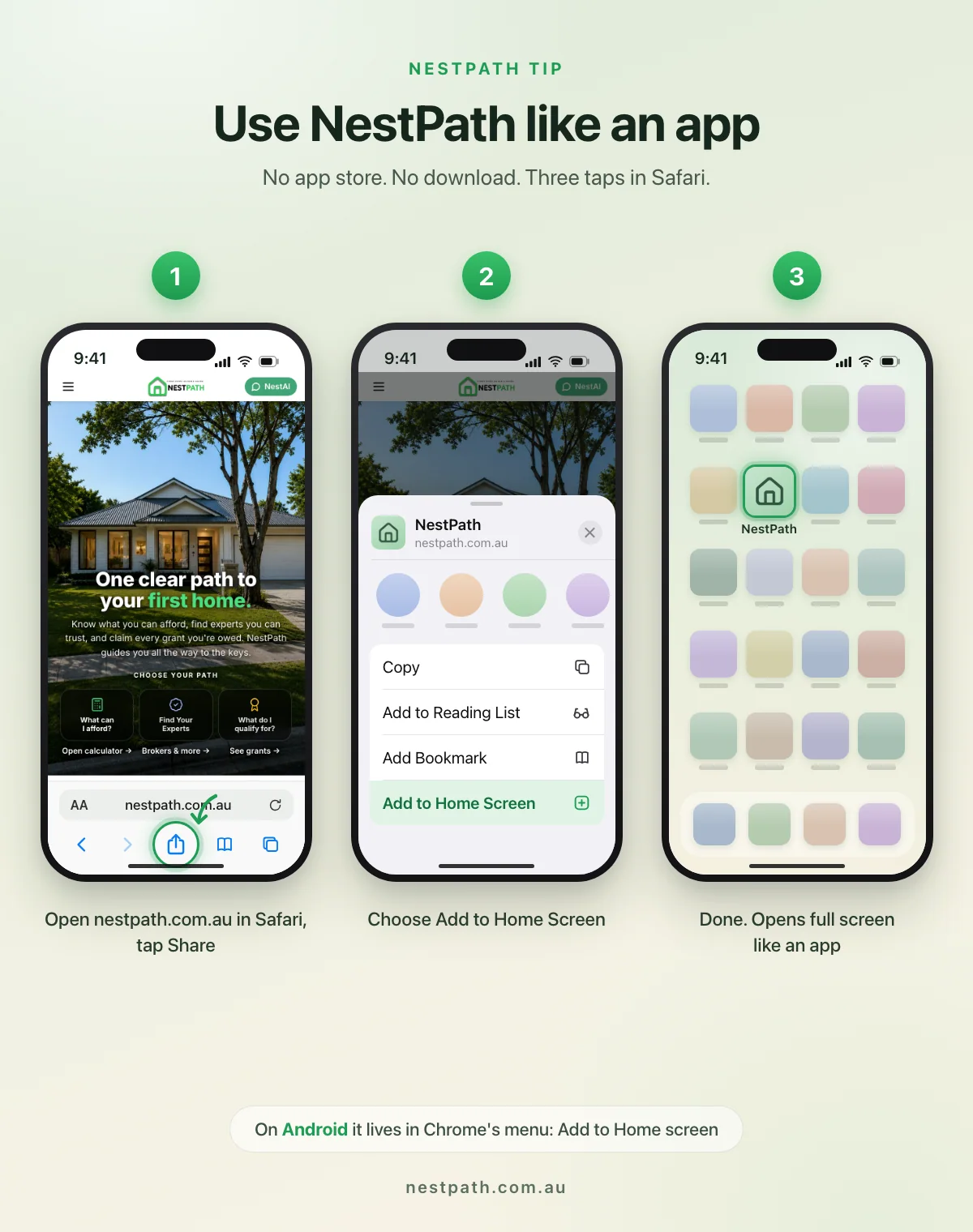
Use NestPath like an app. No app store needed... : open nestpath.com.au in Safari, tap the Share button, choose Add to Home Screen. It gets its own icon and opens full screen. Android: same thing lives in Chrome's menu under Add to Home screen.
NestPath
Rate day reaction
News
The RBA has raised the cash rate by 0.25 percentage points to 4.60%. This is the fourth increase this year... . The cash rate started the year at 3.60% and sat at 4.35% before the September decision. The Board was unanimous, and what a higher rate means for your repayments depends on your lender and your loan. The next decision lands on 3 November. Two minutes in our repayment calculator shows what 4.60% could mean for your number.
RBA rate update
Rates move higher.
+0.25New cash rate
4.60%
Previous4.35%Fourth increase this yearSource: Reserve Bank of Australia, 29 September 2026
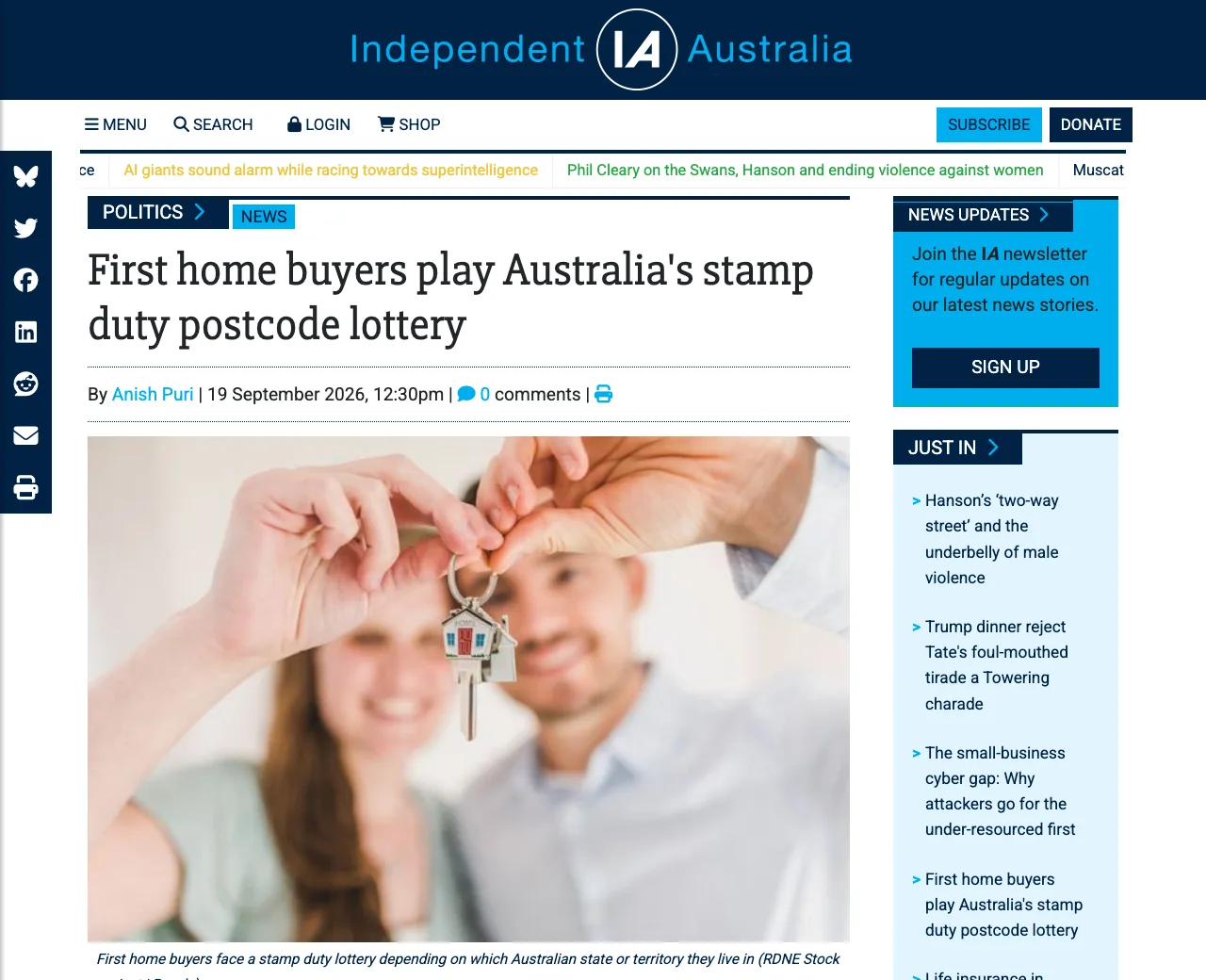
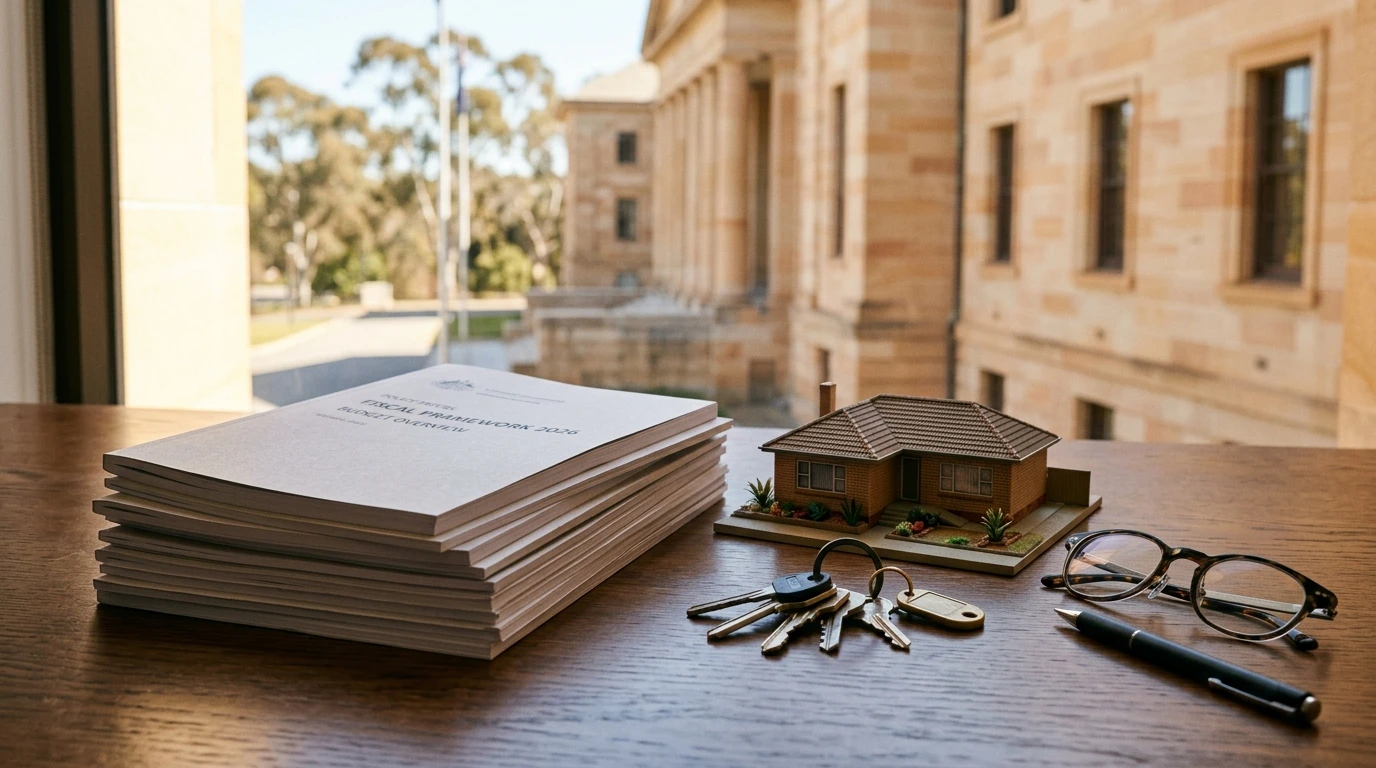
Two buyers, same $750,000 home, same Saturday. One pays no stamp duty, the other pays it in full... . It comes down to the postcode. Our new piece maps how first home buyer stamp duty swings from state to state, and the concessions worth checking before you budget. Published on independentaustralia.net.
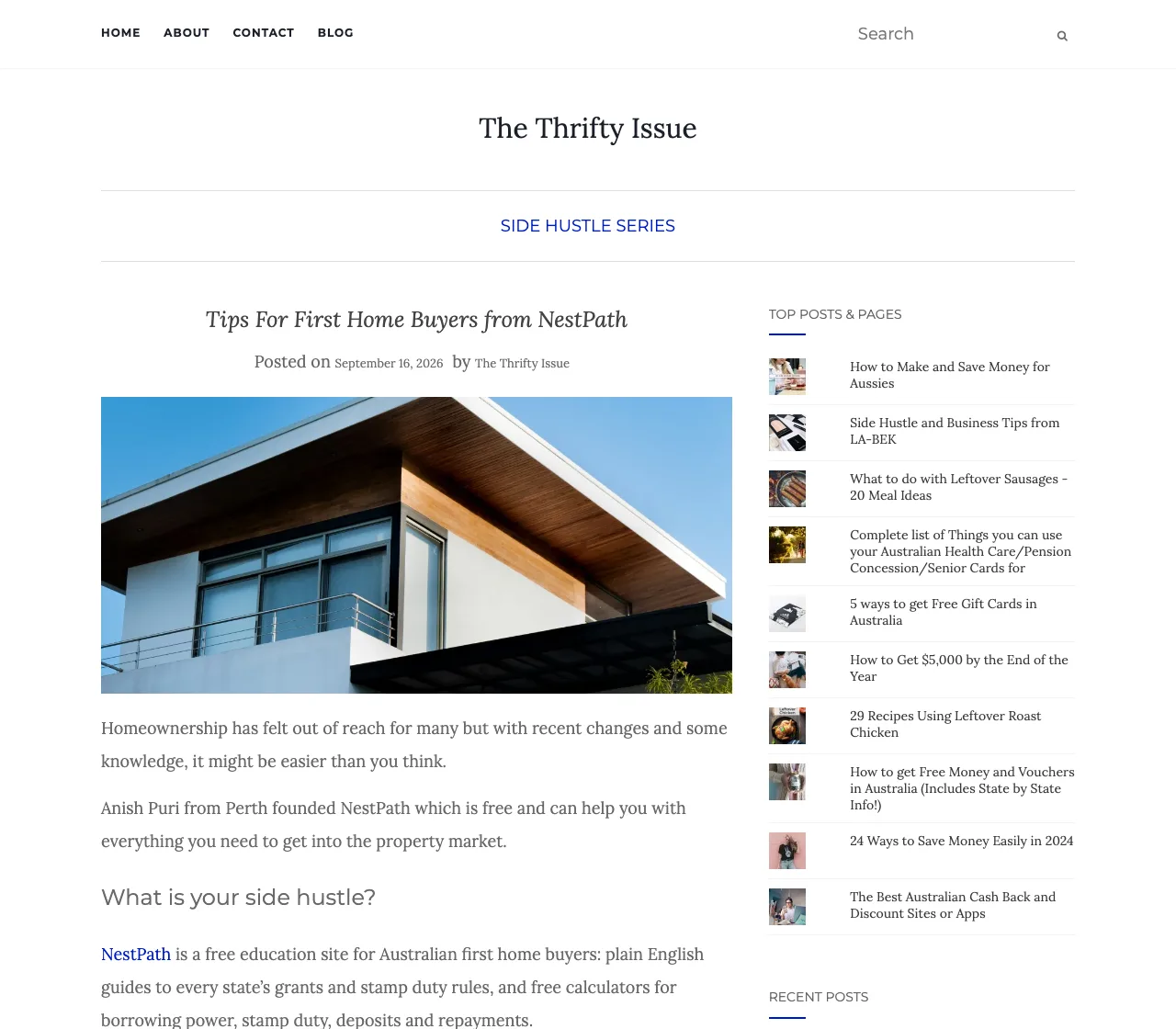
The costs that catch first home buyers out are the ones nobody mentions: stamp duty, lenders mortgage insurance, conveyancing, inspections... . NestPath sat down with The Thrifty Issue to talk through them, and why we built a free, honest guide that keeps every state's rules current. Published on thethriftyissue.com.au.
Our research now runs beyond our own site. NestPath's first published article walks buyers through the 4 numbers to run before the spring listings land... : the rate you are really assessed at, where your state's duty cliff sits, what the 5% deposit guarantee changes, and how fast a house deposit target can outrun your saving. Published on thetimes.com.au, with every calculation free to run on NestPath.
Big news: NestPath has partnered with Compare the Market. Comparison for energy, home, health and pet cover is now live... . Compare energy plans for your new address and sort home insurance before settlement day, with real prices side by side from a range of Australian providers. Free for you to use, and it takes minutes.
New partnershipNestPath✕Energy · Home · Health · Pet
Product Review4.4 ★3,348 reviews
Feefo4.7 ★2,836 reviews
Home and contents
Your lender needs a Certificate of Currency before it releases funds. Sort it before settlement day.
Compare the Market’s comparison service is free for you to use. NestPath earns a commission if you take out a plan or policy, at no extra cost to you. Ratings shown as at 15 July 2026. How we make money
A smaller deposit gets you in the door sooner, but it does not make the home any cheaper... . Our piece on onlineopinion.com.au argues the federal 5% Deposit Scheme is quietly lifting prices under its own caps, so weigh the purchase price and repayments, not just the deposit. Free calculators on NestPath.
Please welcome the newest broker on the NestPath panel: Alex Henwood of Home Loan Solutions, Perth...
Google reviewsRiley Jones“Alex and the team made what was previously a stressful experience feel smooth and easy. I left feeling more confident in my own understanding of my home loan and finances, and it was great to work with someone who genuinely cares about his clients.”
Google reviewsN.C.“Alex spent so much time explaining everything and answering my questions at all hours of the day. He made the whole process easy and smooth, and he continues to check in months later to make sure I’m happy with how things are going.”
Swipe for more reviews →
Alex is an ASIC-licensed credit representative (558152). Some partners pay NestPath a referral fee when you connect; it never changes what you pay. How we make money
Our head of number-crunching has reviewed the situation: buying your first home starts with one number, what you can actually afford. Most buyers guess it... , or trust a bank calculator built to flatter them into a branch. Ours works differently. It uses the same serviceability rules lenders assess you with: the 3% rate buffer, HECS repayments, credit card limits, real living expenses. In two minutes you get a number you can defend at application time, plus what it means for your deposit and your repayments. No account, no sales pitch, and your details stay on your device.
Nobody hands you a map for the biggest purchase of your life. So we drew one: eight steps from “where do I even start?” to keys in hand... . Each step tells you exactly what to do, what it costs, who you’ll need, and the traps that catch most first home buyers. It’s tailored to your state, your progress saves as you go, and every step links straight to the tool or expert it calls for. Most buyers finish a step in under an hour a week.
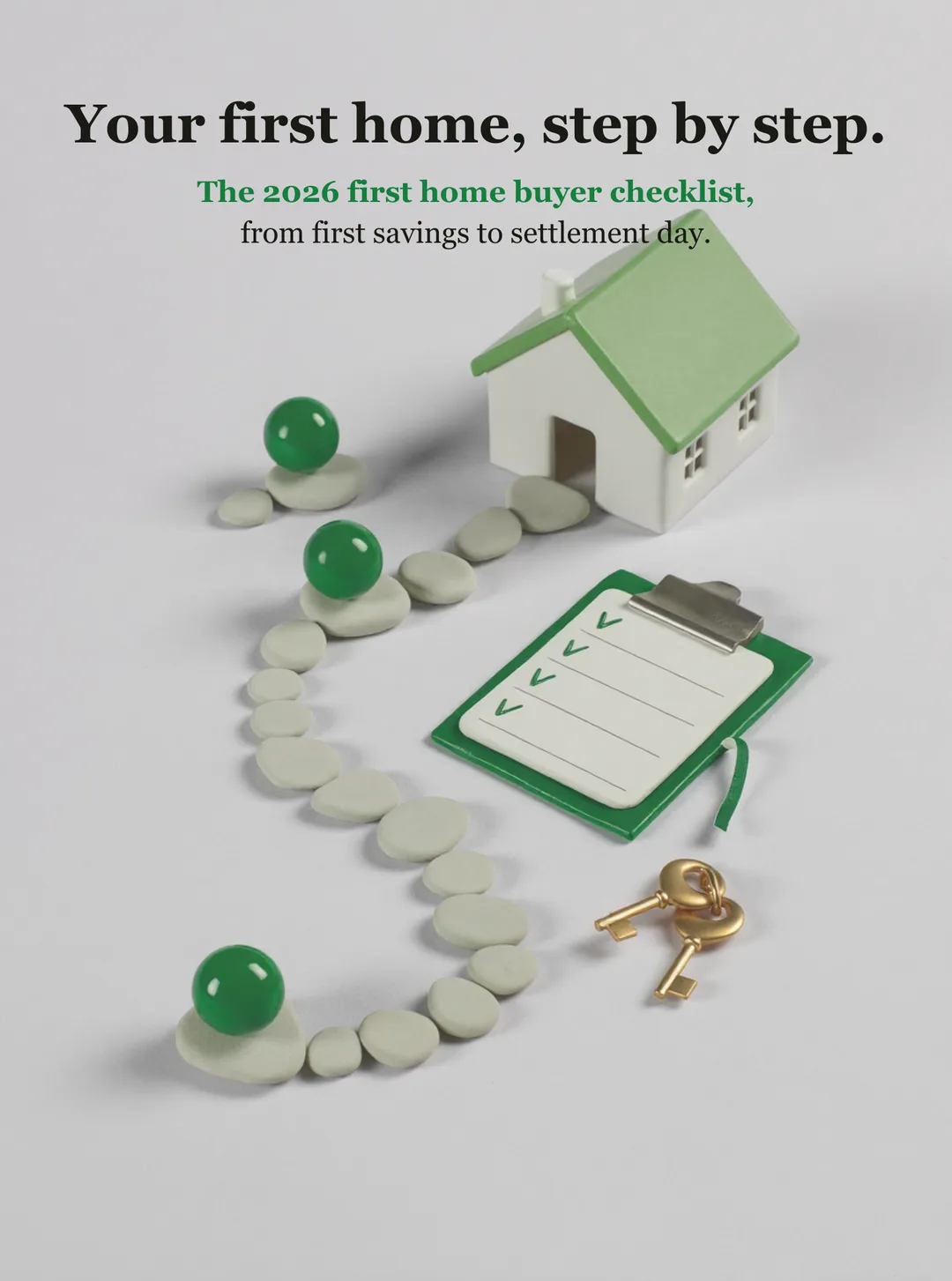
Nobody hands you a map, so we wrote the checklist: every step from first savings to settlement day, in order... . Deposits, pre approval, grants, inspections, the offer and settlement, each step with what it costs and when it happens. Read it once now and come back as you go.
For moral support on the other $149,950: the deposit tracker turns your savings rate into an actual date... . Punch in what you've saved and what you can put away, and it shows the month you get there, plus which small changes pull that date closer (a high-interest account alone can shave months off).
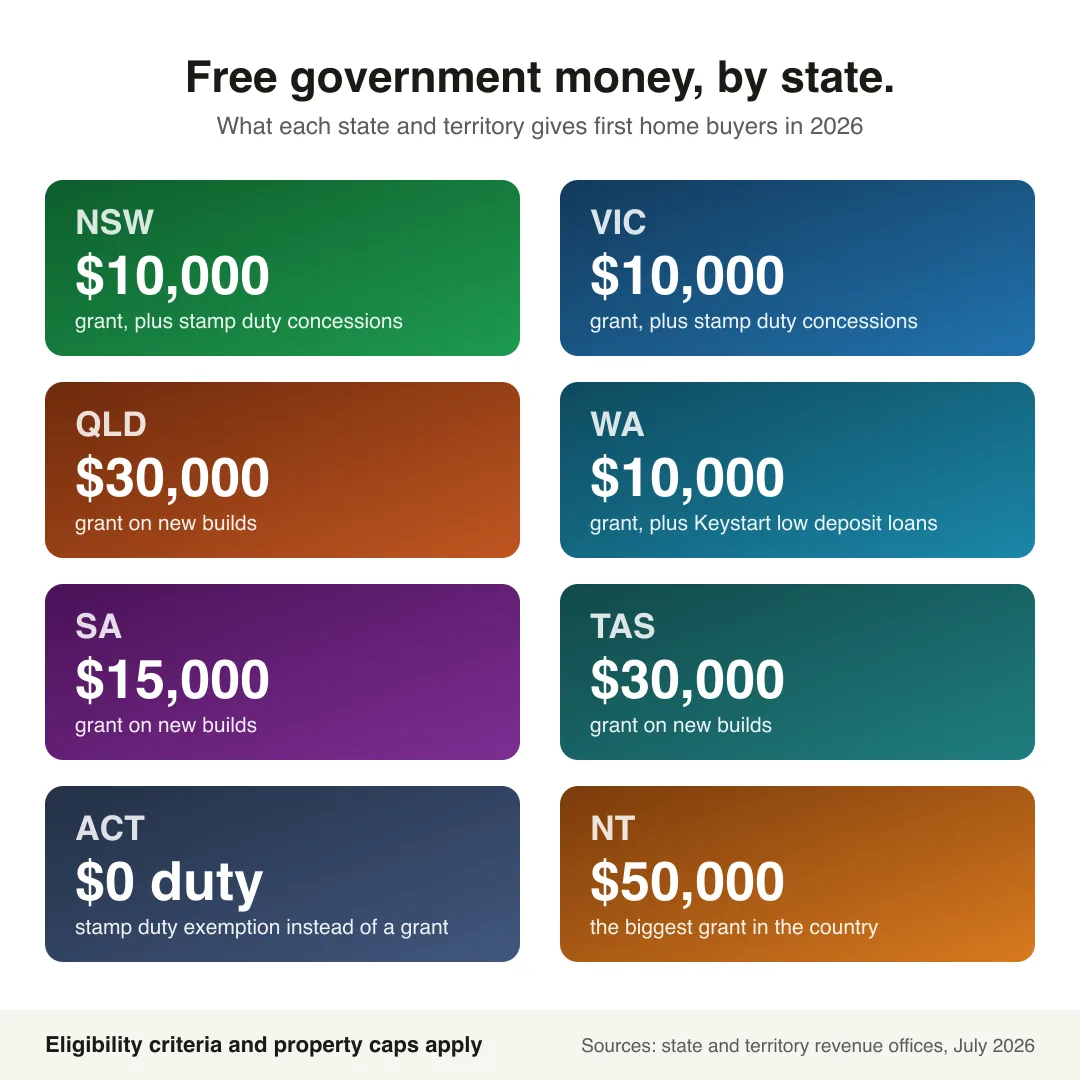
There is up to $50,000 in government money on the table depending on your state, and most buyers have no idea what they qualify for... . NSW and VIC give $10,000, QLD and TAS give $30,000 on new builds, SA gives $15,000, WA adds Keystart low deposit loans, the ACT waives stamp duty instead, and the NT tops the country at $50,000. Criteria and property caps apply, and most grants are for new builds. The guide covers every scheme, plus how to stack them with the federal 5% deposit path.
A good broker is the single biggest shortcut in this whole process. Banks can only sell you their own products; a broker compares dozens of lenders... and knows which ones are generous with HECS, which accept 5% deposits under the First Home Guarantee, and which will actually say yes to your situation. The brokers on our panel are licensed, specialise in first home buyers, and typically reply the same day. Their service costs you nothing: brokers are paid by the lender you settle with, never by you.
Fee to you
$0
Typical reply
Same day
Recognition
RateMyAgent awarded
“I enjoy helping people buy the home they want and using all of my experience to leave more money in their pockets rather than giving it to the banks.”
Laszlo · Orange Mortgage and Finance, broker on the NestPath panel
RateMyAgent awards held by Orange Mortgage and Finance, a broker on the NestPath panel. Some partners pay NestPath a referral fee when you connect; it never changes what you pay. How we make money
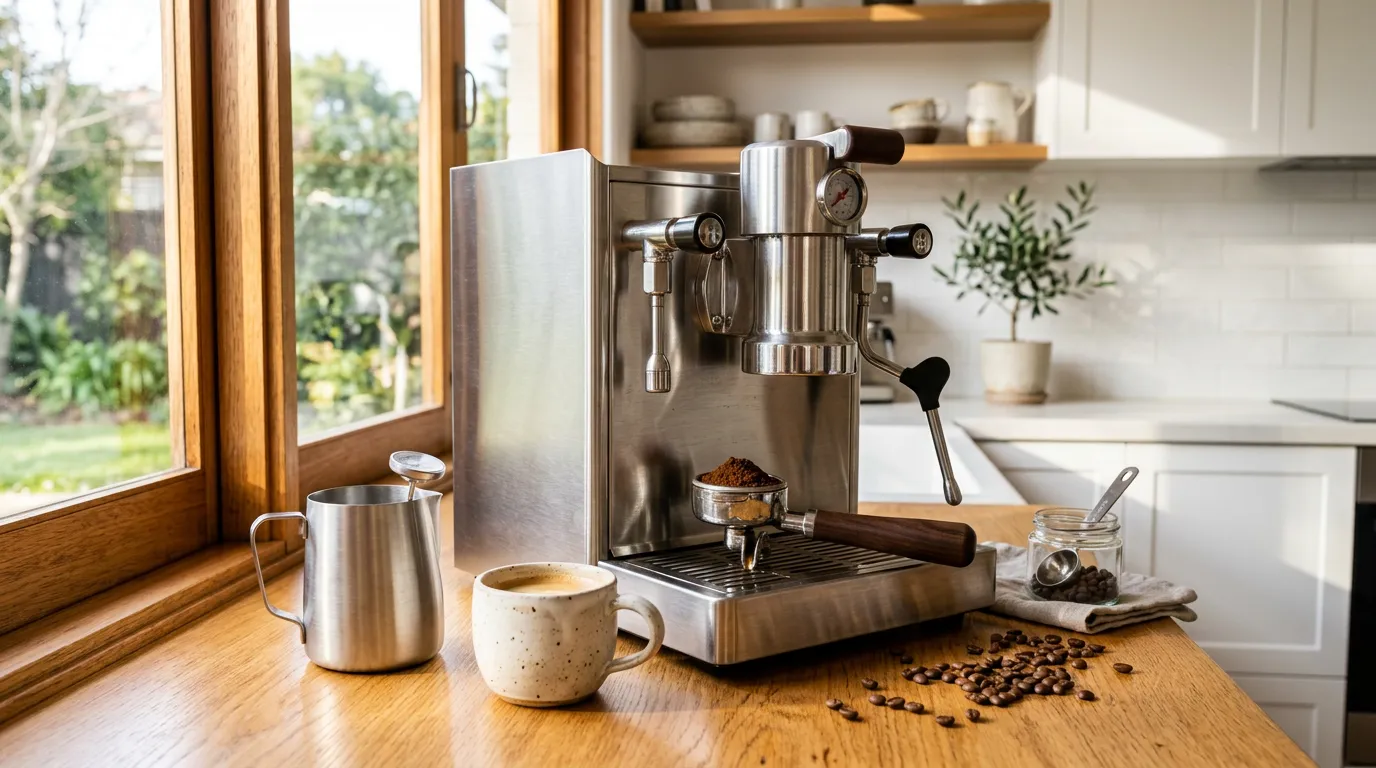
Seven coffee machines on Amazon Australia, from the $98 Nespresso Vertuo Pop to the $1,220 Breville Dual Boiler... . Our pick for most homes is the De’Longhi Magnifica S at about $475: bean to cup at the press of a button, fresh ground coffee at roughly $0.20 a drink, and for a two person household the maths pays the machine back inside three months versus daily cafe runs.
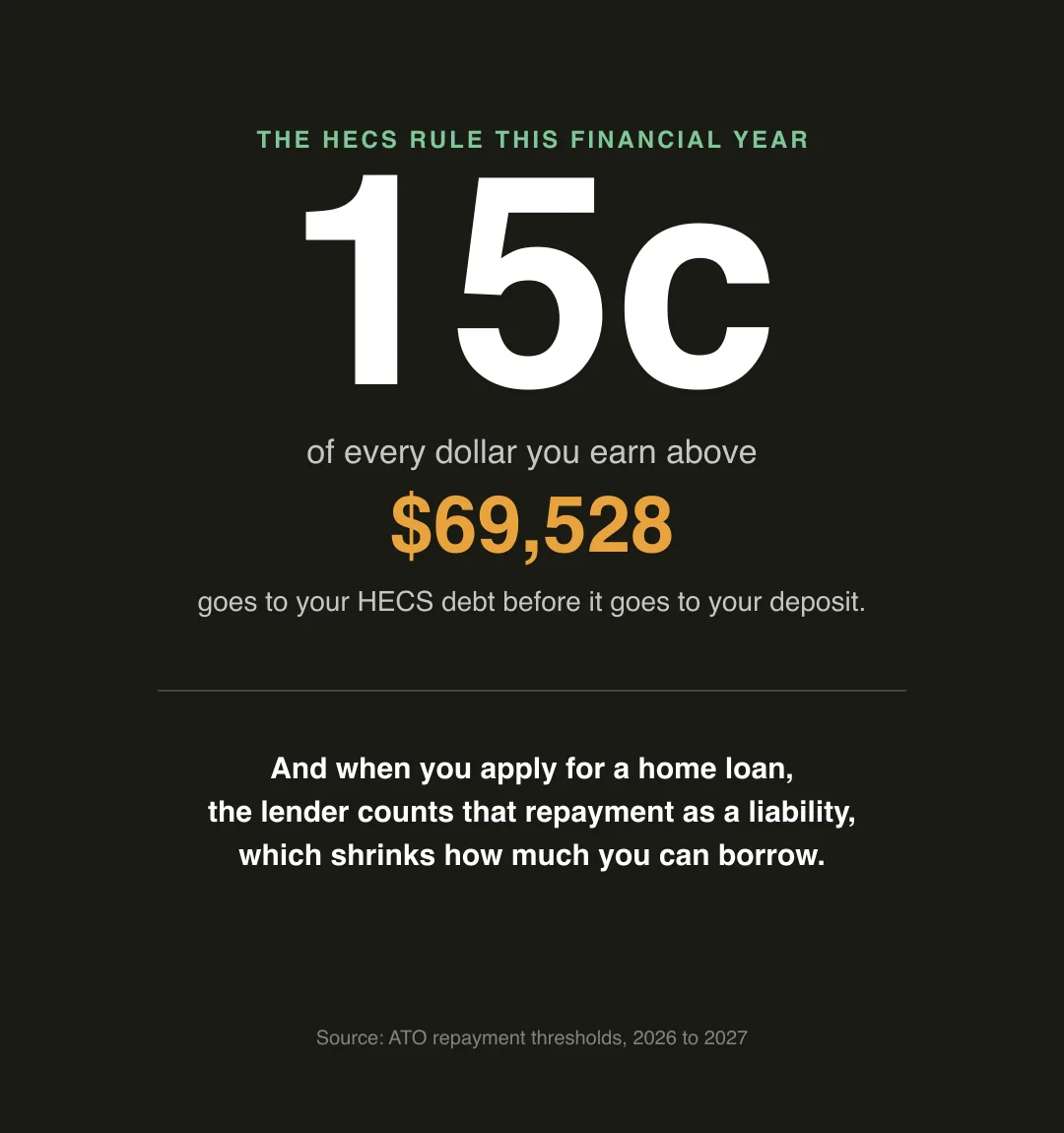
Your HECS debt takes 15 cents of every dollar you earn above $69,528, and lenders count that repayment when they size your home loan... . The guide walks through the 2026 to 2027 marginal system, how much a typical balance shrinks your borrowing power, and the maths on whether paying HECS off before you buy actually helps.
We do not publish testimonials about ourselves. These are real, verbatim client reviews of the brokers on the NestPath panel... , exactly as their clients wrote them. Swipe through all three. When you get matched through NestPath, these are the people who pick up the phone.
★★★★★
“Being a first home buyer, there were many things I didn’t know. Orange was very detailed and attentive and made sure I understood the risk associated with each mortgage option before I made my decision.”
Danielle · First home buyerReview of Orange Mortgage and Finance★★★★★
“Right from pre-approval, to finding the right property, to loan approval and settlement — Laszlo assisted us right through. I’d recommend him to anyone looking for a mortgage broker.”
Suzanne · First home buyerReview of Orange Mortgage and Finance★★★★★
“His advice felt like it came from a trusted family member — honest, thoughtful, and always in our best interest. We never felt like just another application.”
Abraham Olikara · Client reviewReview of Divine Mortgage and Finance
The Hub’s pets section: 31 guides for the newest member of the household, from ramps and litter boxes to dog seatbelts for the drive over... . Ramps and stairs for older dogs, litter boxes, scratchers, carriers, seatbelts for the drive, brushes, beds and more.
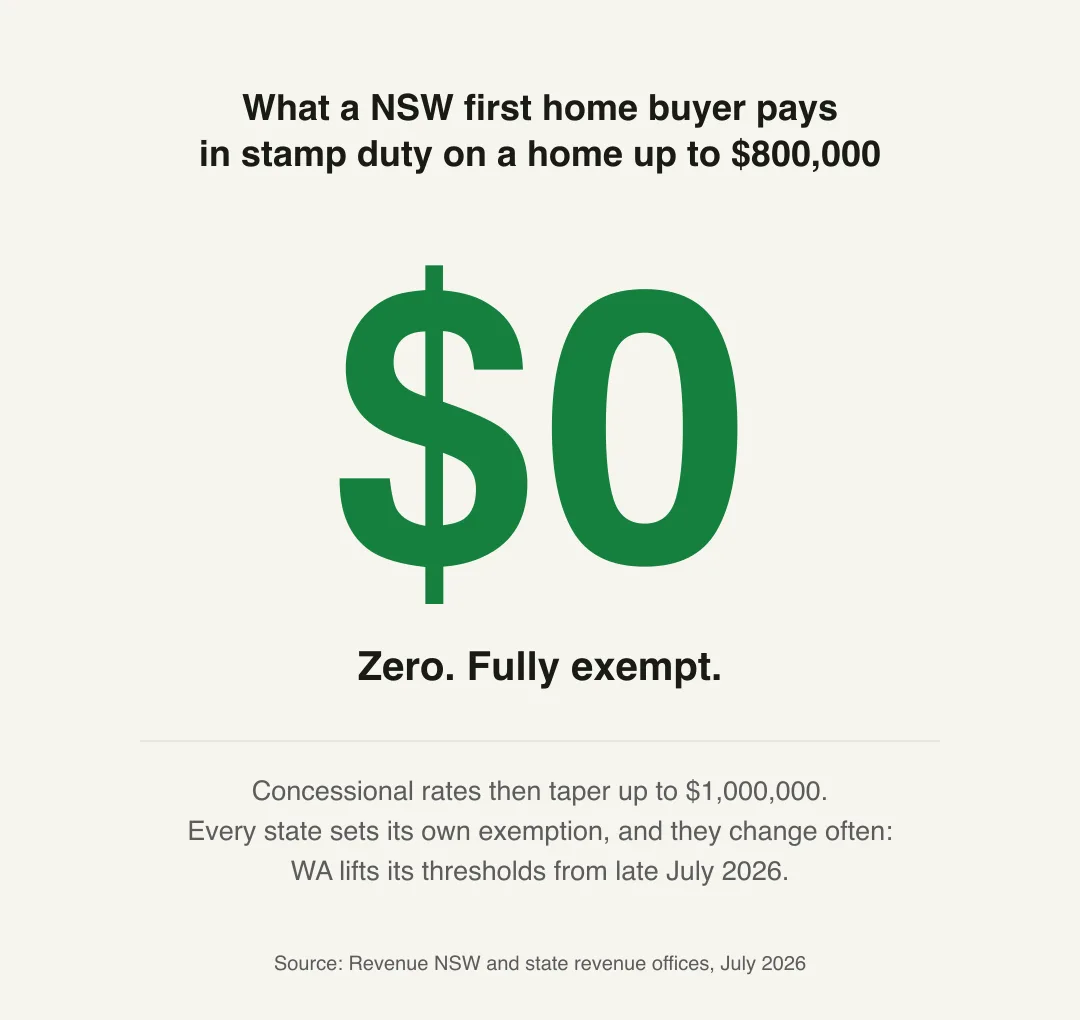
In NSW a first home buyer pays zero stamp duty up to $800,000, with concessions tapering to $1,000,000. Every state is different... . Most states run full exemptions with their own caps, QLD covers any new build, and WA lifted its thresholds to $600,000 and $800,000 on 28 July 2026. The guide has every state’s numbers and how the taper really works.
Between an accepted offer and settlement day there are three people who protect you: a conveyancer, a building inspector, and, for the finish line, the movers... . Your conveyancer reviews the contract before you sign and handles the legal transfer. Your inspector finds the defects that become expensive after the keys change hands. And when it all goes through, insured removalists get you in without drama. We can also sort home insurance (most lenders require it before settlement) and have your electricity, gas and internet connected before move-in day.
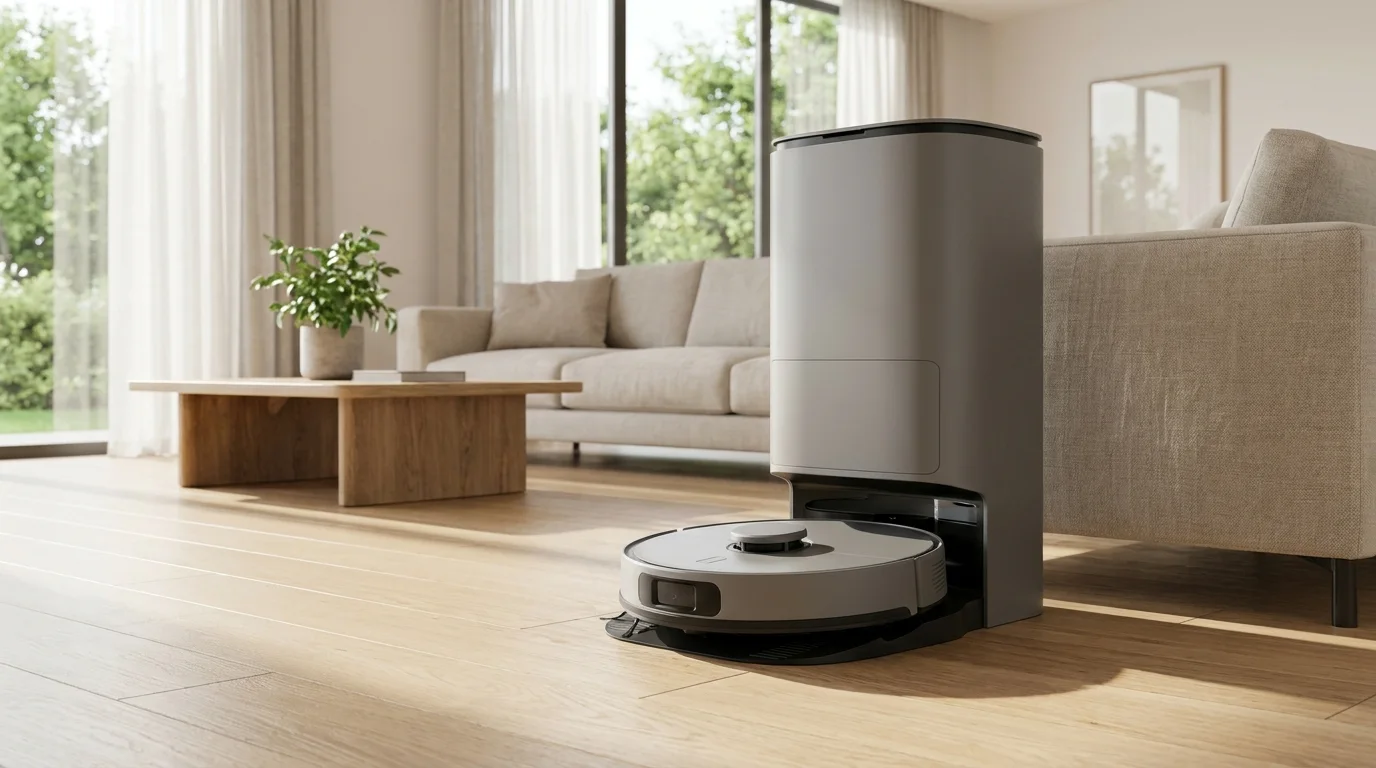
Seven robot vacuum-mop combos from a $359 budget pick to a $1,999 flagship: Dreame, Ecovacs and Roborock compared... . What you get at each price point, which features are worth paying for, and the honest trade offs between the budget and flagship picks.
A couple putting away $500 a week can reach a 5% deposit in under a year. The same couple needs about four years for 20%... . The guide covers where the 5% path comes from, what lenders mortgage insurance costs if you skip it, and the high interest account tactics that speed the timeline up.
There is up to $50,000 in government money on the table, and most first home buyers have no idea what their state actually owes them... . Every state and territory runs its own mix: first home owner grants, stamp duty exemptions and concessions, and on top of that the federal First Home Guarantee can get you in with a 5% deposit and no LMI. Eligibility criteria and property caps apply, and most grants are for new builds. Swipe your state, then check exactly what you qualify for in two minutes.
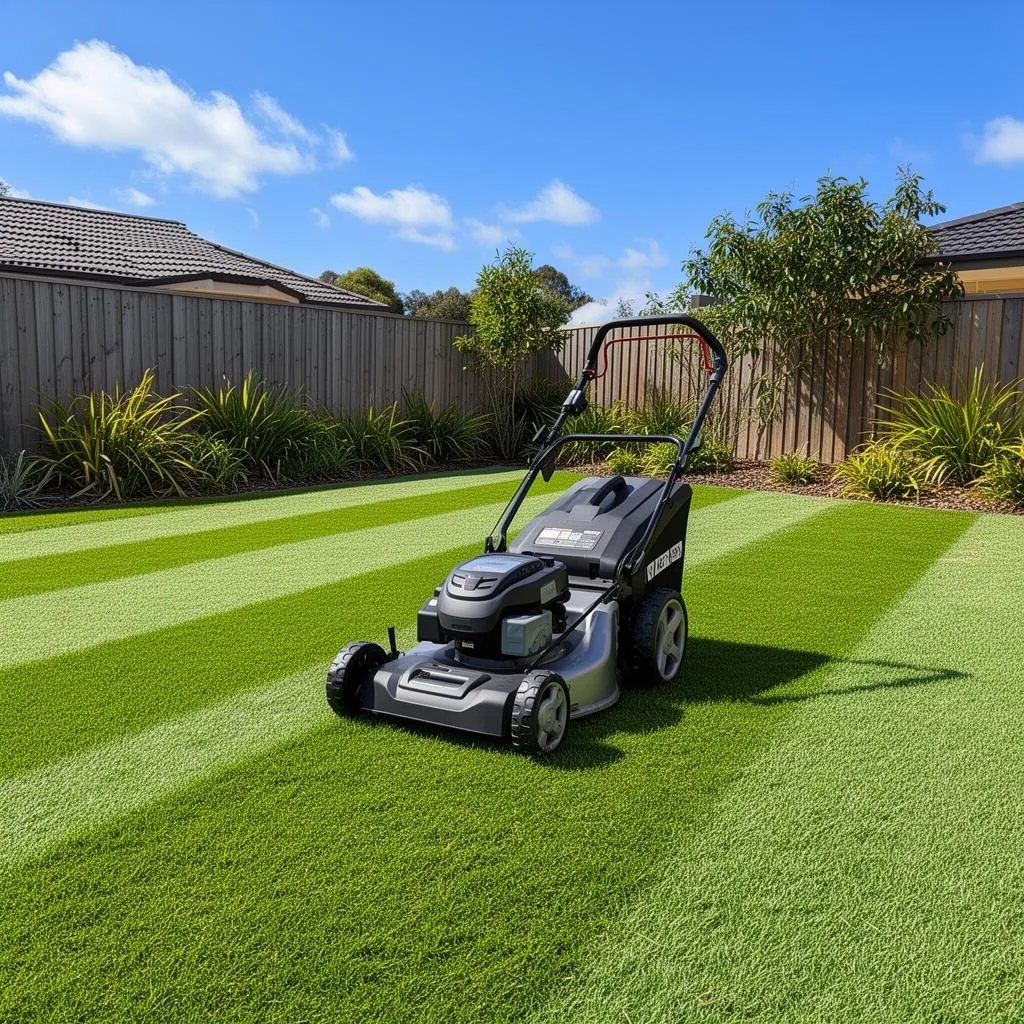
Battery, electric and petrol mowers compared for small, medium and large Australian yards: nine live Amazon Australia picks... , from a budget corded Bosch to a self-propelled petrol machine, plus the Bunnings and dealer brands worth knowing. Matched to small, medium and large blocks so you buy the right size the first time.
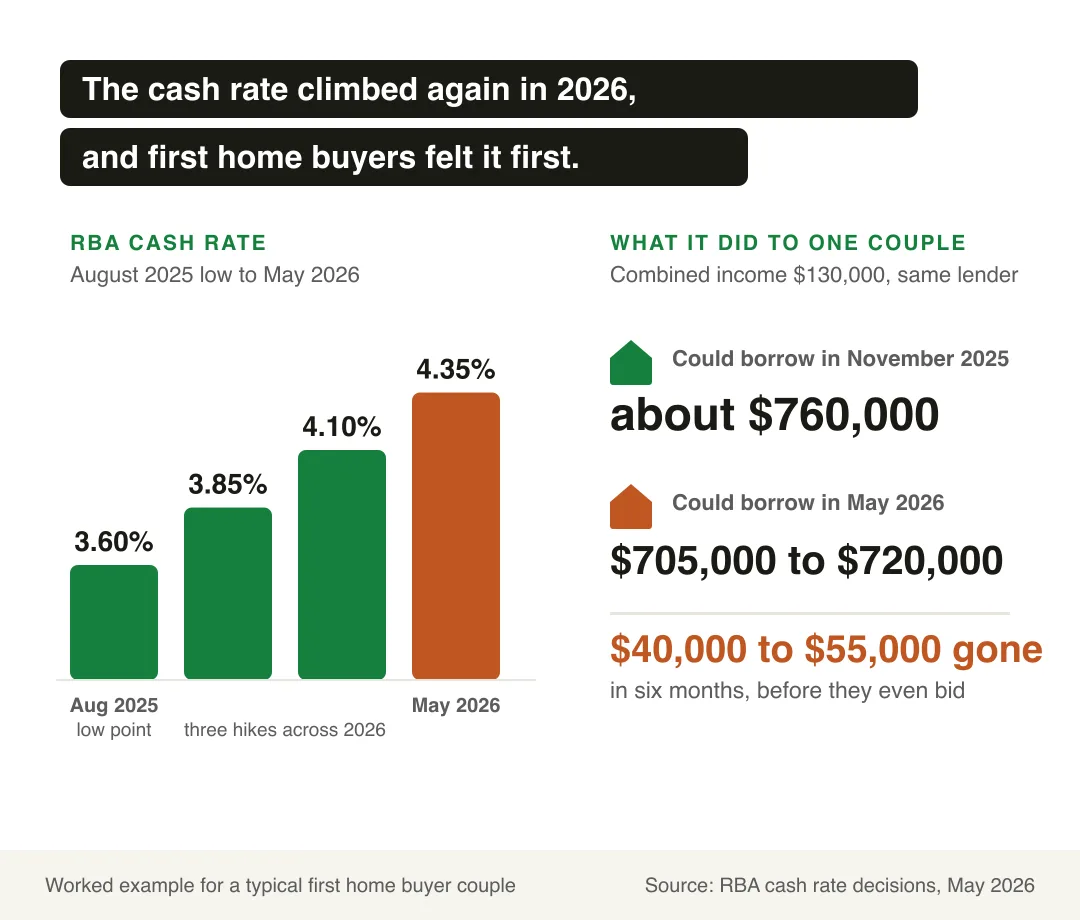
Three hikes in six months. For a couple on $130,000 combined, that is $40,000 to $55,000 in borrowing power gone since November... . The full guide walks through what the 4.35% cash rate does to your repayments, how your borrowing power moves with each hike, fixed versus variable in a rising market, and what to do this week if you are mid application.
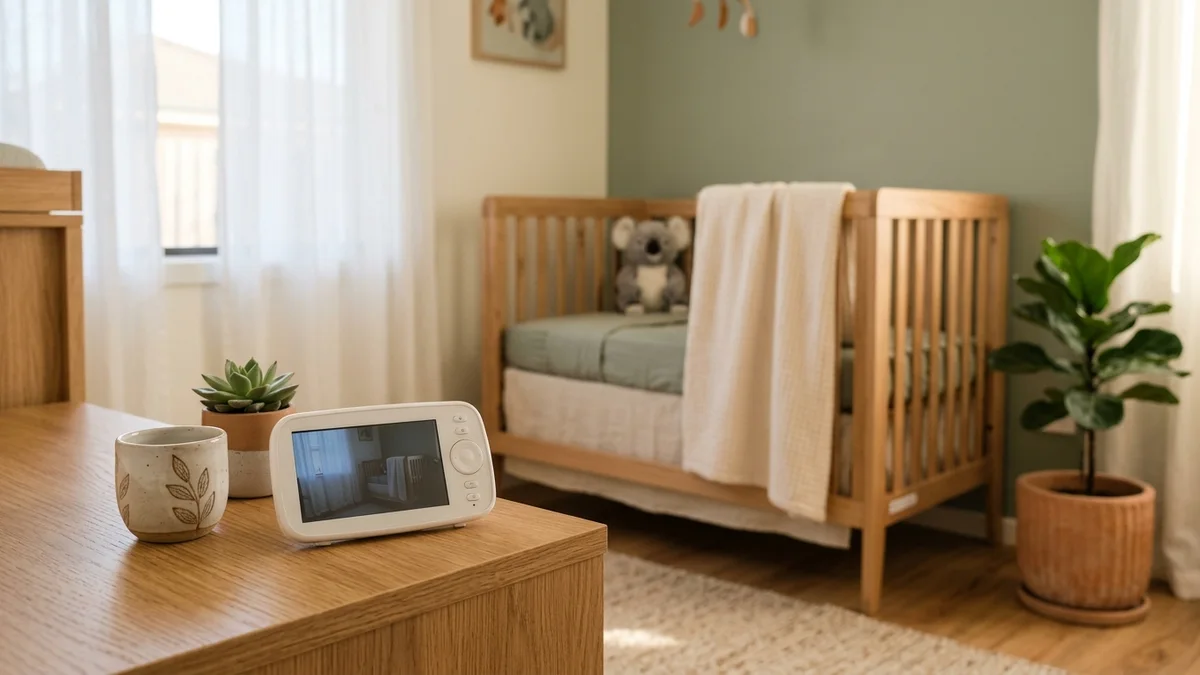
A baby monitor is one of the first things new parents buy, and the biggest choice is WiFi or no WiFi. Six picks from about $80, no monthly fees... . Six picks starting at about $80 with no monthly fees, with the trade offs of WiFi versus no WiFi laid out so you can pick what suits your setup.
You do not have to take our word for any of this. When Australians ask AI assistants about buying a first home, the answers keep citing NestPath... . In the last measured 30 days, AI engines cited NestPath pages 108,214 times as a source for their answers, and on the queries where we appear we hold a 22.5% share of all citations served. Measurable, refreshed monthly, source linked below. We publish the numbers because trust should be checkable.
108,214times AI assistants cited NestPath pages in 30 days22.5% share of authority on the queries where we appear
And when people click through from an AI answer:
ChatGPT225 / 30 days
Perplexity48 / 30 days
Microsoft Copilot34 / 30 days
Gemini16 / 30 days
Claude13 / 30 days
Source: Microsoft Clarity AI Visibility, citations to 23 Sep 2026 · click throughs from the Clarity referrer report to 22 Sep 2026
Big news: buying the place is only half the job, so we built the other half. The Homeowner Hub is 1133 best-product guides for Australian homes... , room by room: kitchen, laundry, bathroom, garage, nursery and everything in between. Explore 3,973 product picks across the guides. It is the housewarming gift we wish someone had given us.
Real questions from first home buyers, answered straight. No jargon, no hedging, and where a bank would waffle, we give you the number... . Tap any question to read the full answer. Want one answered about your own situation? Ask NestAI from any page, any time.
A first home buyer askedHow is my borrowing capacity actually calculated?
NestPath replied
Your borrowing capacity depends on income, debts, and living expenses. Lenders test you at 3% above the actual rate to make sure you could handle rate rises.
Lenders assess how much you can borrow based on: your gross income, existing debts (including HECS/HELP, credit cards, car loans, personal loans), living expenses, the number of dependants, and a serviceability buffer (currently 3% above the actual interest rate). This buffer means the bank tests whether you could afford repayments if rates rose significantly.
Important: credit card LIMITS count as debt, even if you never use the card. A $10,000 credit card limit can reduce your borrowing capacity by $30,000 to $50,000. Cancel unused cards before applying.
Most lenders will lend 5 to 6 times your gross annual income, subject to debts and expenses. A single person earning $80,000 can typically borrow $400,000 to $480,000. A couple earning $150,000 combined can borrow $750,000 to $900,000.
A first home buyer askedHow do I increase my borrowing power?
NestPath replied
Cancel unused credit cards, pay down personal debt, and reduce living expenses before applying. Each credit card limit reduces capacity by 3 to 5 times the limit.
Cancel unused credit cards: each card limit reduces borrowing capacity by 3 to 5 times the limit.
Pay down personal debt: car loans, afterpay and personal loans all reduce capacity.
Reduce living expenses: lenders look at 3 months of bank statements. Cut discretionary spending before applying.
Increase your income: overtime, bonuses and second jobs count, but you usually need 3 to 6 months of history.
Choose a longer loan term: 30 years gives higher capacity than 25 years (but costs more in total interest).
Use a broker: different lenders assess capacity differently. A broker finds the one that maximises your borrowing. Get matched for free.
Every lender uses a slightly different formula. Some are stricter on living expenses, some treat HECS more favourably, some offer higher LVRs. This is exactly why using a mortgage broker makes sense: they compare 30+ lenders to find the one that gives you the best result.
A first home buyer askedDoes HECS/HELP affect my borrowing power?
NestPath replied
Yes. Your HECS repayment counts as a liability. Under the 2026-27 thresholds, HECS on an $80k salary is about $1,570 a year, which can reduce capacity by roughly $15,000 to $25,000. Some lenders treat it more favourably than others.
Your HECS repayment is counted as a liability, reducing how much you can borrow. From 1 July 2025 HECS moved to a marginal system: you repay 15 cents in every dollar you earn above $69,528 (the 2026-27 threshold). On an $80,000 salary that is about $1,570 a year, which can reduce borrowing capacity by roughly $15,000 to $25,000 depending on the lender. Some lenders are more favourable with HECS than others: a broker knows which ones.
A first home buyer askedDoes a bigger deposit mean I can borrow more?
NestPath replied
Not directly. Your deposit affects LVR (loan-to-value ratio), not borrowing capacity.
However, a larger deposit means less LMI and a smaller loan, which gives you more breathing room in repayments. A deposit under 20% usually means paying Lender’s Mortgage Insurance, unless a scheme like the First Home Guarantee covers the gap.
A first home buyer askedHow are mortgage repayments calculated?
NestPath replied
Each repayment on a principal-and-interest home loan splits in two: part pays interest (the cost of borrowing), part reduces the principal (the amount you owe). Australian lenders calculate interest daily on your outstanding balance.
In the early years, most of each repayment is interest. On a $500,000 loan at 6%, a $3,000 monthly payment is roughly $2,500 interest and only $500 paid off the loan. As your balance drops, that flips: more goes to principal, less to interest. This is called amortisation.
One simple trick: pay fortnightly instead of monthly. You make 26 payments a year instead of 12 monthly, the equivalent of 13 monthly payments. That alone can save around $95,000 in interest and knock 5 years off a typical 30-year loan.
A first home buyer askedHow much do extra repayments actually save?
NestPath replied
An extra $200 a month on a $500k loan saves about $108,000 in interest and pays it off 7 years early. Most variable loans allow unlimited extra repayments.