How much does a building inspection cost in Australia?
A standard pre-purchase building inspection costs $400 to $700 in most Australian capital cities. Sydney sits at the upper end ($450 to $700), Melbourne and Brisbane slightly lower ($350 to $650). A combined building and pest inspection costs $500 to $900. A new-build Practical Completion Inspection (PCI) costs $400 to $600. Always get a written quote that confirms the inspector is licensed, holds professional indemnity insurance, and that the report includes photos and references Australian Standard AS 4349.1.
How much does a building and pest inspection cost?
A combined building and pest inspection costs $500 to $900 across most Australian capitals. Brisbane and Perth typically run $450 to $750, Melbourne $500 to $850, Sydney $550 to $900. The combined report is usually cheaper than booking the two separately ($400 to $700 for building plus $200 to $350 for pest, or $600 to $1,050 apart). For first home buyers in Queensland and northern NSW, both high termite-risk zones, the combined report is non-negotiable.
What is the difference between a building inspection and a pest inspection?
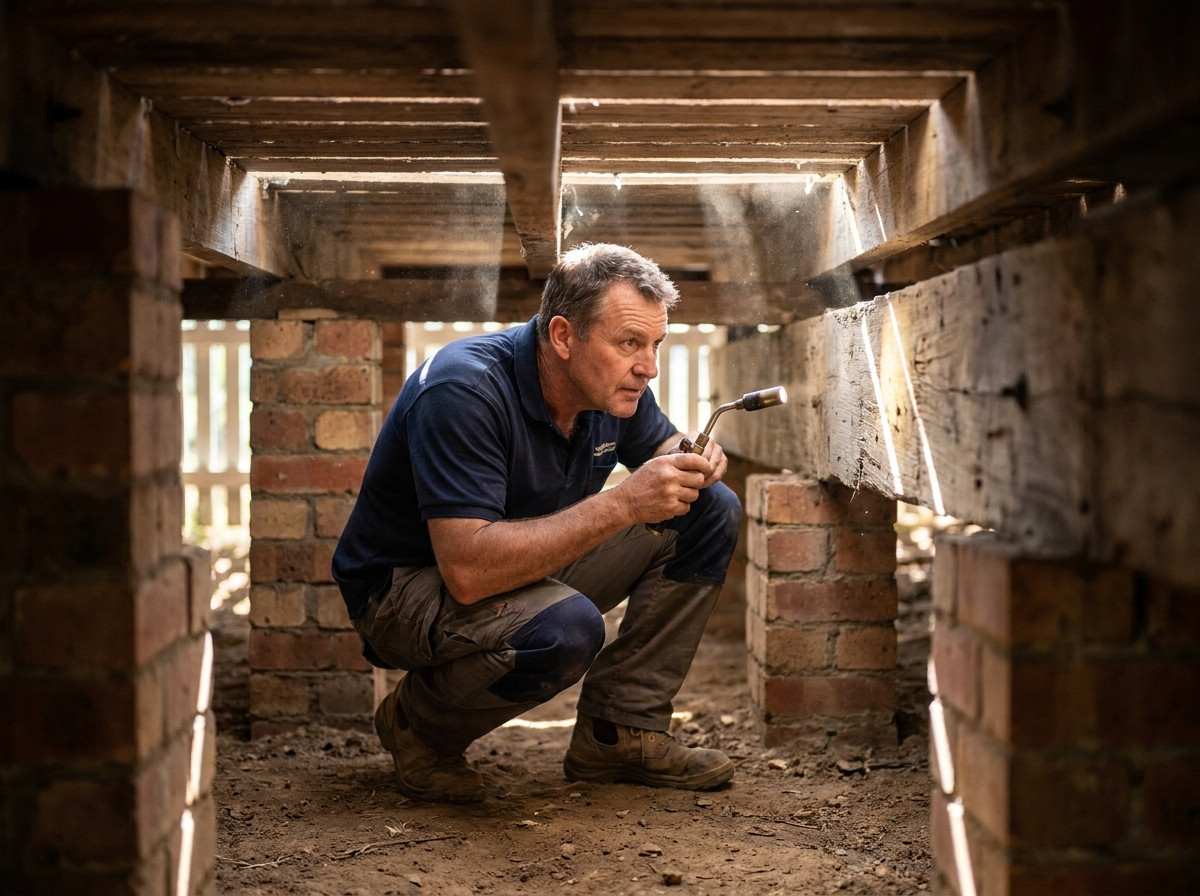
A building inspection (AS 4349.1) checks the structural and visual condition of the property: roof, walls, ceilings, floors, visible plumbing, visible electrical, drainage, subfloor if accessible, and external structures. A pest inspection (AS 4349.3) specifically checks for active termite activity, prior termite damage, evidence of borers, and conducive conditions such as moisture and timber-to-soil contact. They require different qualifications, so most firms partner with each other to deliver a combined report. In Queensland, on the NSW north coast and in Darwin the pest inspection is essential: CSIRO research is widely cited as showing termites cost Australian homeowners more than fires and floods combined each year.
Do I need a building inspection if the property looks fine?
Yes. Inspection industry reporting suggests the average pre-purchase inspection uncovers around 14 defects, including major issues (structural cracks, roof leaks, electrical hazards, drainage failures) that are invisible to a buyer doing a walk-through, and that roughly 20% of inspections find defects costing more than $10,000 to remedy. On a $700,000 first home, a $500 inspection that catches one major problem you negotiate off the price typically returns 20 to 50 times what it cost. The inspection is the cheapest line item in the entire purchase.
Can I attend the building inspection?
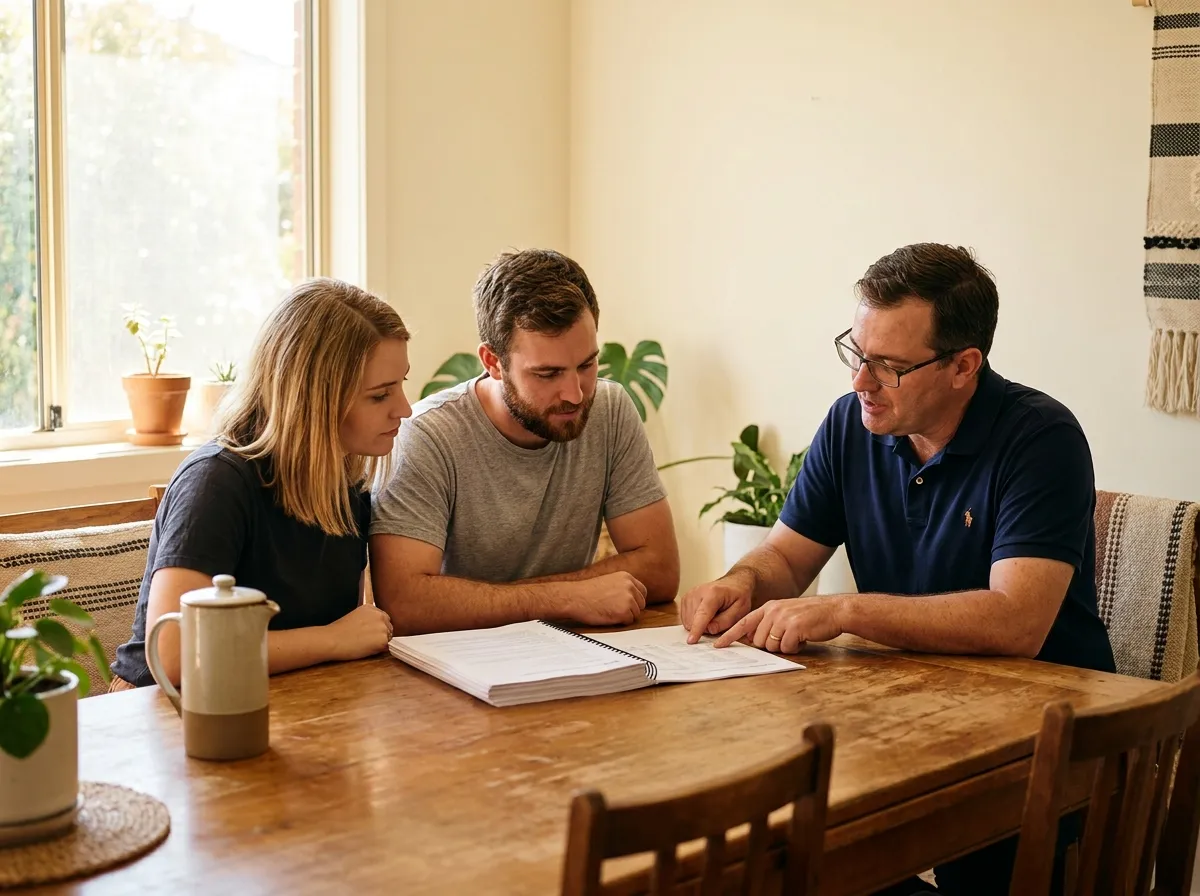
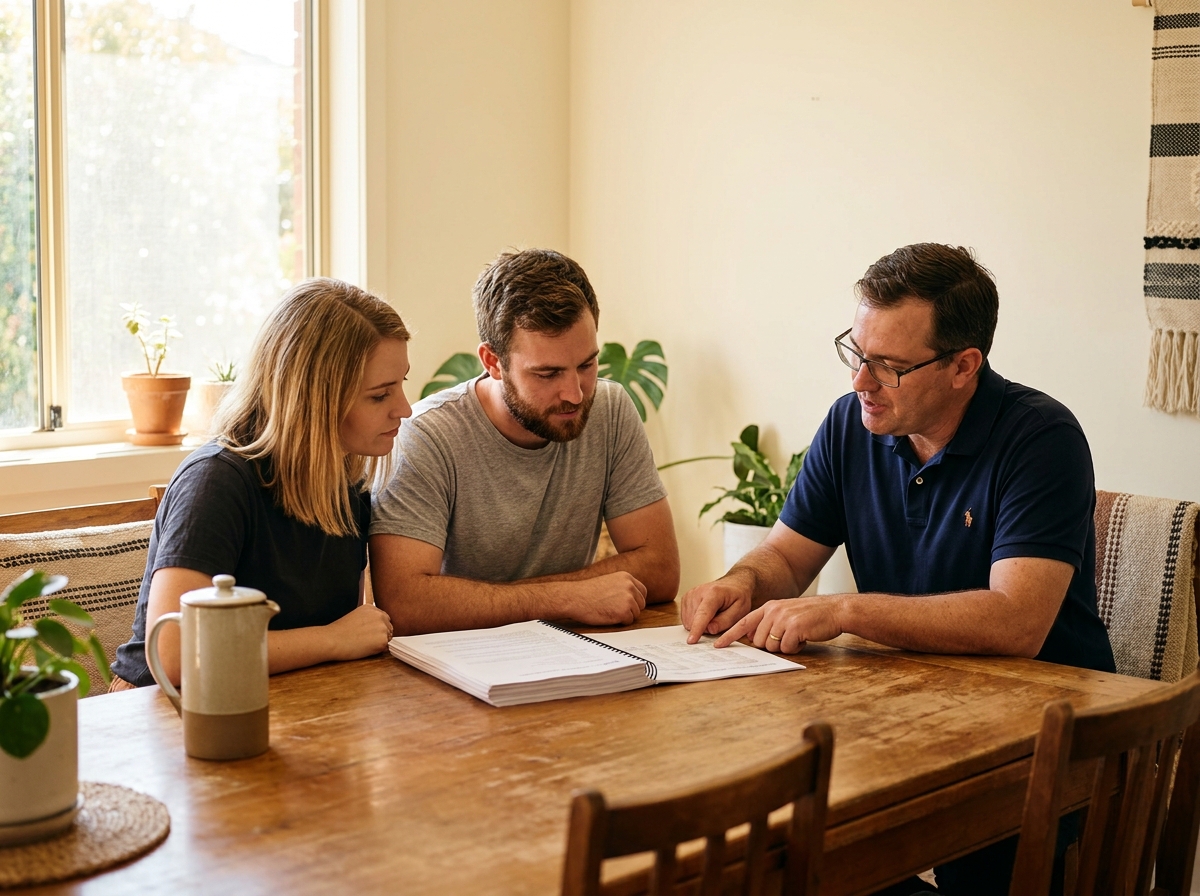
Yes, and you should. A good inspector welcomes you on-site for the final 30 minutes of the inspection so they can walk you through findings in person, point at the issues, and answer questions. This is dramatically more useful than reading the written report cold. Confirm in advance: when you should arrive, whether you need to coordinate with the seller’s agent, and whether the verbal walk-through is included in the quote.
When in the buying process should I book the building inspection?
Book the inspector the moment you make a serious offer or before you bid at auction. For private treaty, the inspection clause in the contract typically gives you 5 to 10 business days from contract exchange to obtain a satisfactory report, so book within 48 hours of exchange. For auction, the property is unconditional the moment the hammer falls, so the inspection must happen before auction day and same-week turnaround is essential. Good inspectors hold 24 to 48 hour slots for auction-week bookings; budget operators often book out 7 or more days ahead.
Can I get an emergency building inspection within 48 hours for an auction?
Yes. Most professional inspection firms hold 24 to 48 hour slots specifically for auction-week bookings, and the inspectors we shortlist confirm their turnaround commitment up front. Expect to pay a 10 to 30% urgency premium ($50 to $150 on top of the standard fee). The shortlist email we send you includes each inspector’s typical auction-week turnaround and any urgency surcharge, so you can compare apples to apples.
What does a building inspector actually check?
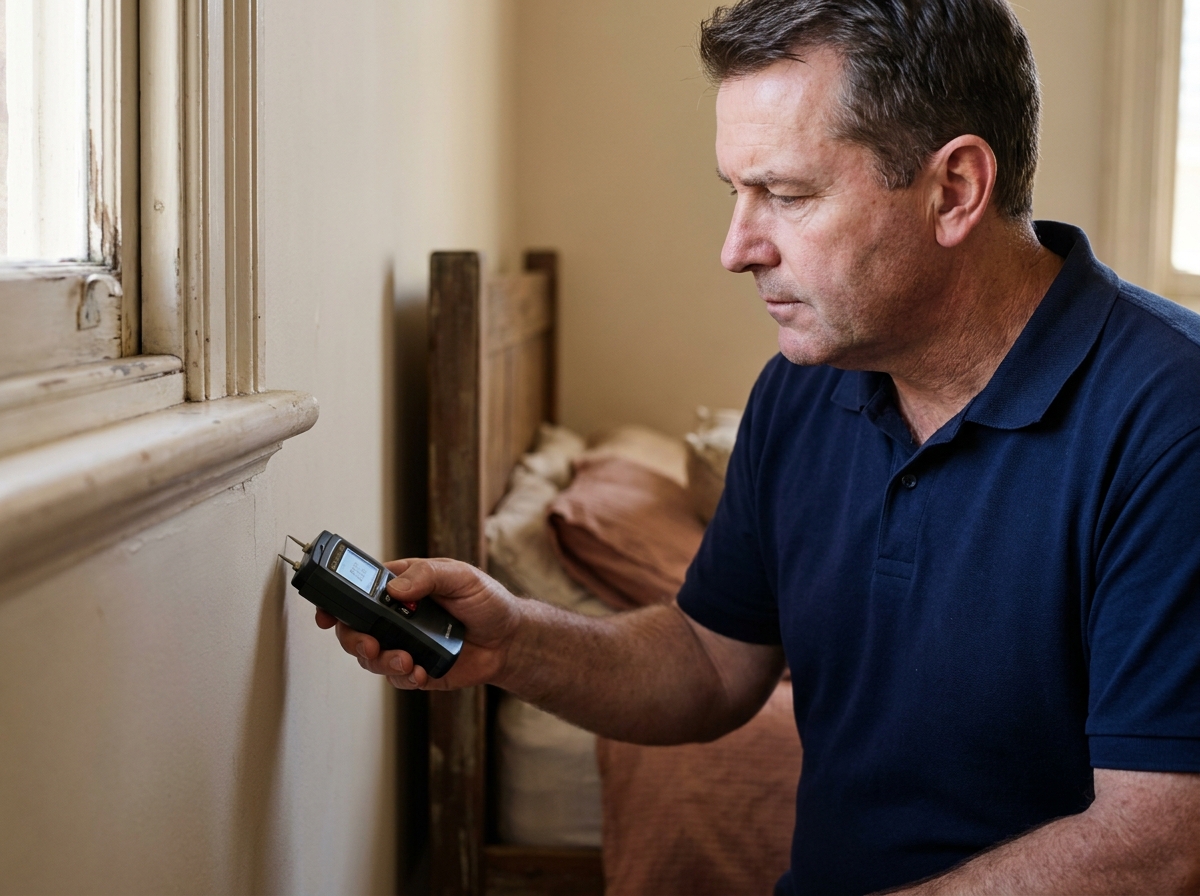
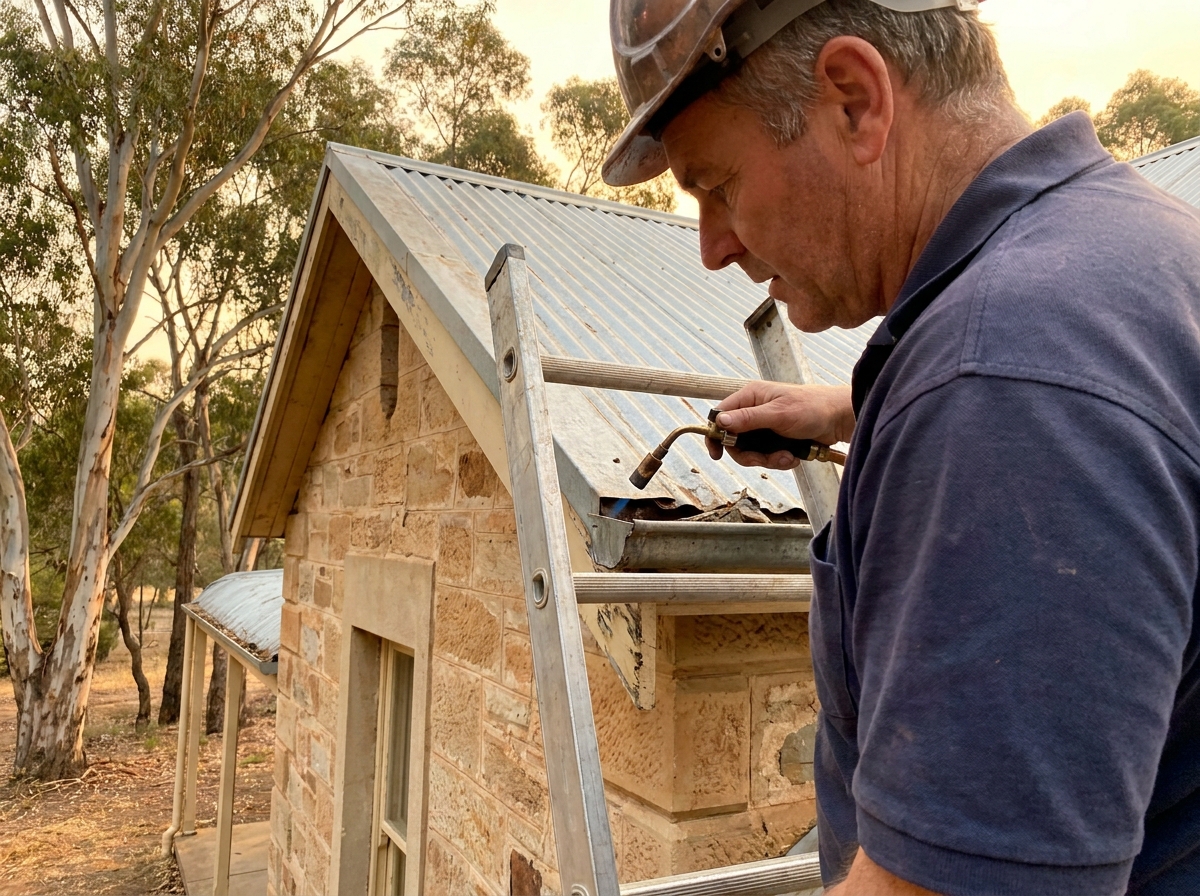
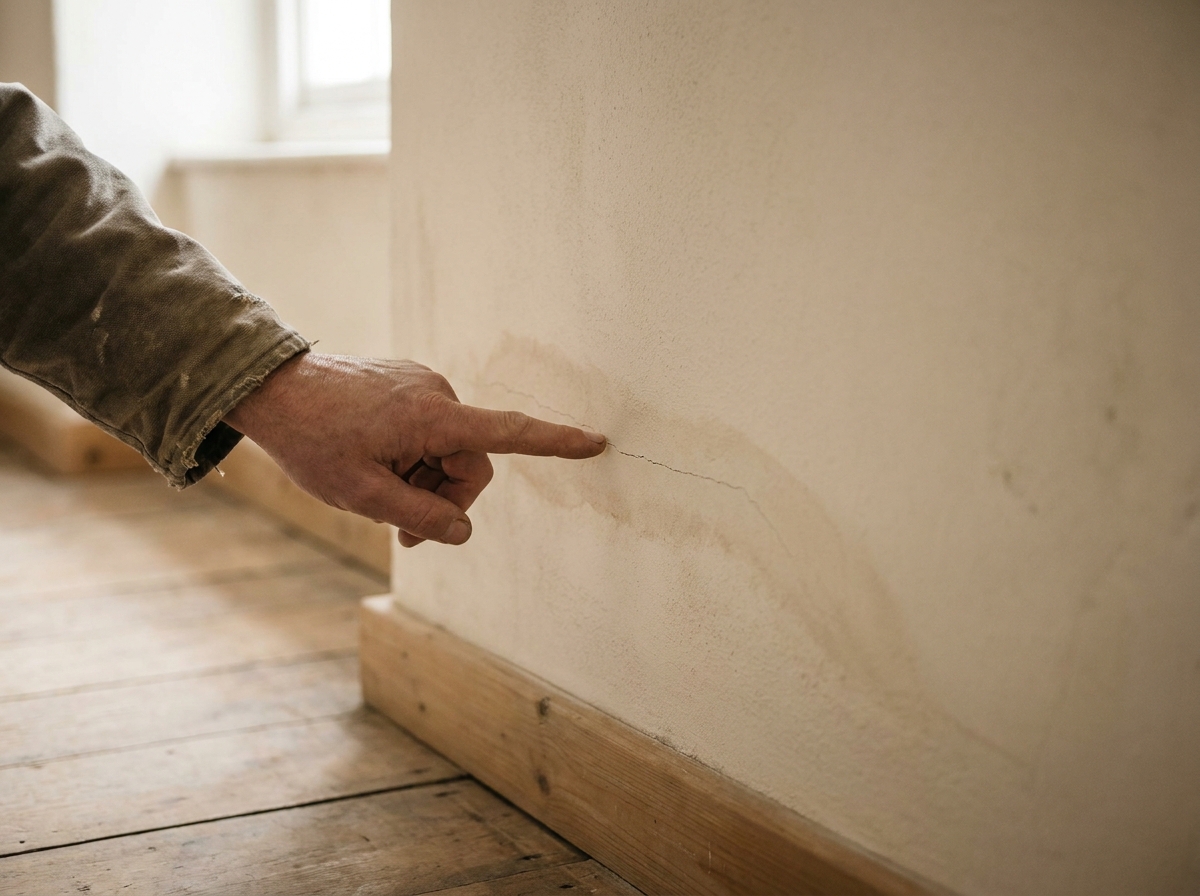
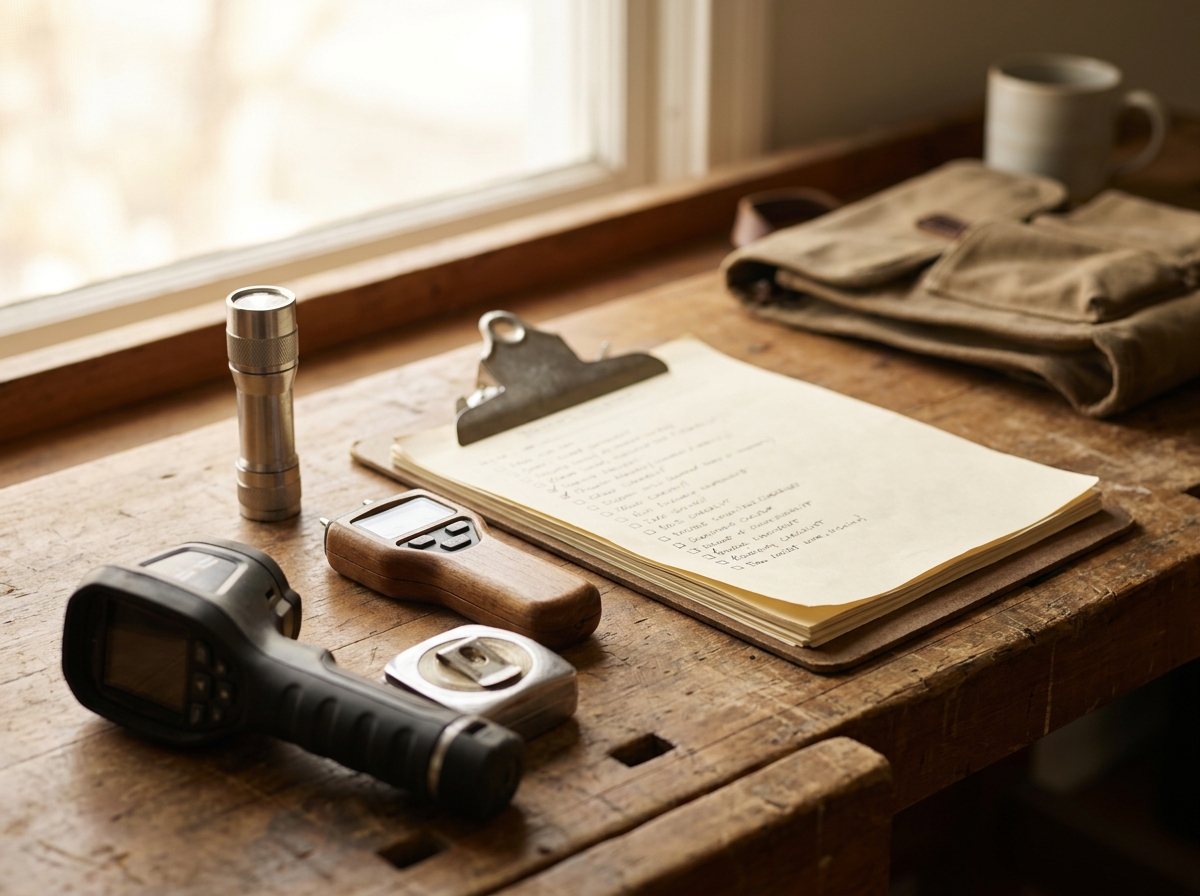
A standard pre-purchase inspection covers: structural elements (footings, walls, framing, roof structure), the roof exterior (gutters, flashing, tiles or sheeting), exterior cladding and render, doors and windows, internal walls and ceilings (cracks, water damage), floors and flooring, kitchens and bathrooms (visible plumbing, drainage, fixtures), wet areas (waterproofing visual check), electrical (visible only, not a full electrical safety check), plumbing (visible only, not pressure tested), subfloor and roof void if accessible, and external structures (decks, retaining walls, fences). The report references Australian Standard AS 4349.1.
What does a building inspector NOT check?
A standard building inspection does not cover: pest activity (separate report), pool safety compliance, asbestos identification (a separate hazmat survey if the home is pre-1990), electrical wiring inside walls or compliance with the current AS/NZS 3000, plumbing pressure testing or pipe condition inside walls, septic systems, swimming pool structure or equipment, smoke alarm compliance in some states, and council planning compliance or unapproved structures. If any of these are concerns for your specific property, book them as add-ons or separate specialists.
How do I check if a building inspector is qualified and insured?
Three things to verify before booking. (1) State licence: building inspectors must hold a builder’s licence or building consultant registration in their state (for example a WA Building Practitioners Board number, NSW Fair Trading licence, or Queensland QBCC licence). (2) Professional indemnity (PI) insurance: minimum $1M coverage; ask for a certificate of currency from the actual insurer. (3) Membership of a peak body: Master Builders Australia, HIA, AIBS (Australian Institute of Building Surveyors), or IBQA. NestPath verifies all three on every shortlisted inspector before we email you.
What is professional indemnity insurance and why does my inspector need it?
Professional indemnity (PI) insurance covers the inspector if a defect they missed in their report later costs you money to repair. Without PI cover, your only recourse for a missed defect is a small-claims court case against a sole trader, which is almost never recoverable. PI cover typically pays out up to $1M to $5M per claim. Both current NestPath partners carry full PI cover: Inspect It FIRST backs its work with a 200% Service Guarantee and a 90-day inspection warranty, and WA Building Inspections holds builder’s licence BP104751 and offers a Price Beat Guarantee. PI cover is the first credential we verify before shortlisting.
How long does a building inspection take?
A standard pre-purchase inspection of a 3-bed house typically takes 2 to 3 hours on site, plus another 2 to 3 hours writing the report. Good inspectors deliver the written report within 24 hours of inspection, and some deliver same-day. A combined building and pest inspection adds 30 to 45 minutes on-site for the pest specialist. A new-build PCI takes 3 to 4 hours because there are more elements to check: every fitting, fixture, finish and snag-list defect. Be wary of operators who promise sub-1-hour inspections; that is a tick-and-flick.
What does a good building inspection report look like?
A quality report runs 20 to 40 pages and includes: an executive summary categorising findings as Major Defect, Minor Defect, Maintenance or Safety Hazard; photographic evidence for every issue, with a caption explaining what you are looking at; reference to Australian Standard AS 4349.1; recommendations for further specialist investigation where the inspector could not access an area; and a contactable signature with licence and PI insurance details on the cover page. Ask for a sample report before you book. Every reputable inspector will send one.
Can I use my inspection report to negotiate the price down?
Yes. That is one of the highest-leverage uses of the inspection. If the report identifies major defects (a roof that needs replacement, structural cracks, waterproofing failures), you can renegotiate the contract price down by the cost-to-remedy, ask the seller to fix the issues before settlement, or withdraw under the inspection clause during the cooling-off period. Focus on items costing $5,000 or more to fix rather than minor cosmetic issues. A well-handled negotiation off the back of one report often returns 10 to 50 times the inspection fee.
Is the cheapest inspector always a bad choice?
Not always, but the lowest-quoted inspector typically gives the shortest report (8 to 12 pages against the 25 to 40 you should get), spends 60 to 90 minutes on site (against 2 to 3 hours), and carries the minimum legally required PI insurance. The cost difference between a quick-tick inspector ($300) and a thorough one ($550) is $250 on a $700,000 purchase, which is 0.04% of the property value. Don’t optimise the wrong line item. Ask for a sample report before booking and judge by the depth, not the dollar figure.
What is a PCI (Practical Completion Inspection) for a new build?
A Practical Completion Inspection (PCI) is the final inspection you do before handover from your builder on a new-build home. The inspector checks every fitting, finish, fixture and surface, listing every defect, scratch, paint imperfection or non-conformance with your contract. The builder is then obligated to fix everything on the snag list before you accept handover. A thorough PCI by an independent inspector, not the builder’s mate, typically identifies 40 to 100 or more items the builder needs to fix, and it is the single most valuable thing you can spend $400 to $600 on as a new-build buyer.
Do you only have two inspectors?
Right now, yes. These two have passed our standard (full PI insurance, transparent reporting, photographic evidence, verifiable client reviews) and we’re open about that. We’re actively vetting more inspectors across other states and metros; as each one clears our standard we add them to the shortlist. We’d rather show you two we’d trust personally than ten we can’t vouch for. If your property is outside the coverage of our two current partners, we’ll either tell you so honestly and point you to your state’s Master Builders or AIBS member directory, or wait to introduce you to a vetted partner if one is close to being added.