Moving day is over. The boxes are stacked everywhere. And the first thing you should do, before unpacking a single item, is clean. The previous owners may have cleaned before leaving, but they didn't clean to your standards. Wipe down every bench, every shelf, every cupboard interior. Clean the bathroom. Mop the floors. It takes 2-3 hours and it means you're putting your belongings into a genuinely clean home.
But what products do you actually need? The cleaning aisle at Coles has 200+ products, each promising to be essential. You don't need 200 products. You need 6. Here's exactly what to buy, what to skip, and how to build a simple cleaning routine that keeps your new home sparkling without eating your weekends.
The "Clean Before You Unpack" Rule
This is the single best cleaning advice for new homeowners: clean every surface in the house before your furniture goes in. It's infinitely easier to wipe down empty cupboards, mop bare floors, and scrub an empty bathroom than to work around furniture, boxes, and clutter. Set aside 2-3 hours on day one (before the removalist arrives, if possible) and blitz the house.
Focus on: kitchen benches and cupboard interiors, bathroom surfaces and toilet, all floors (sweep and mop), windowsills and skirting boards, inside the fridge and oven, light switches and door handles. These are the surfaces your belongings will touch and you'll use every day.
The Only 6 Cleaning Products You Need
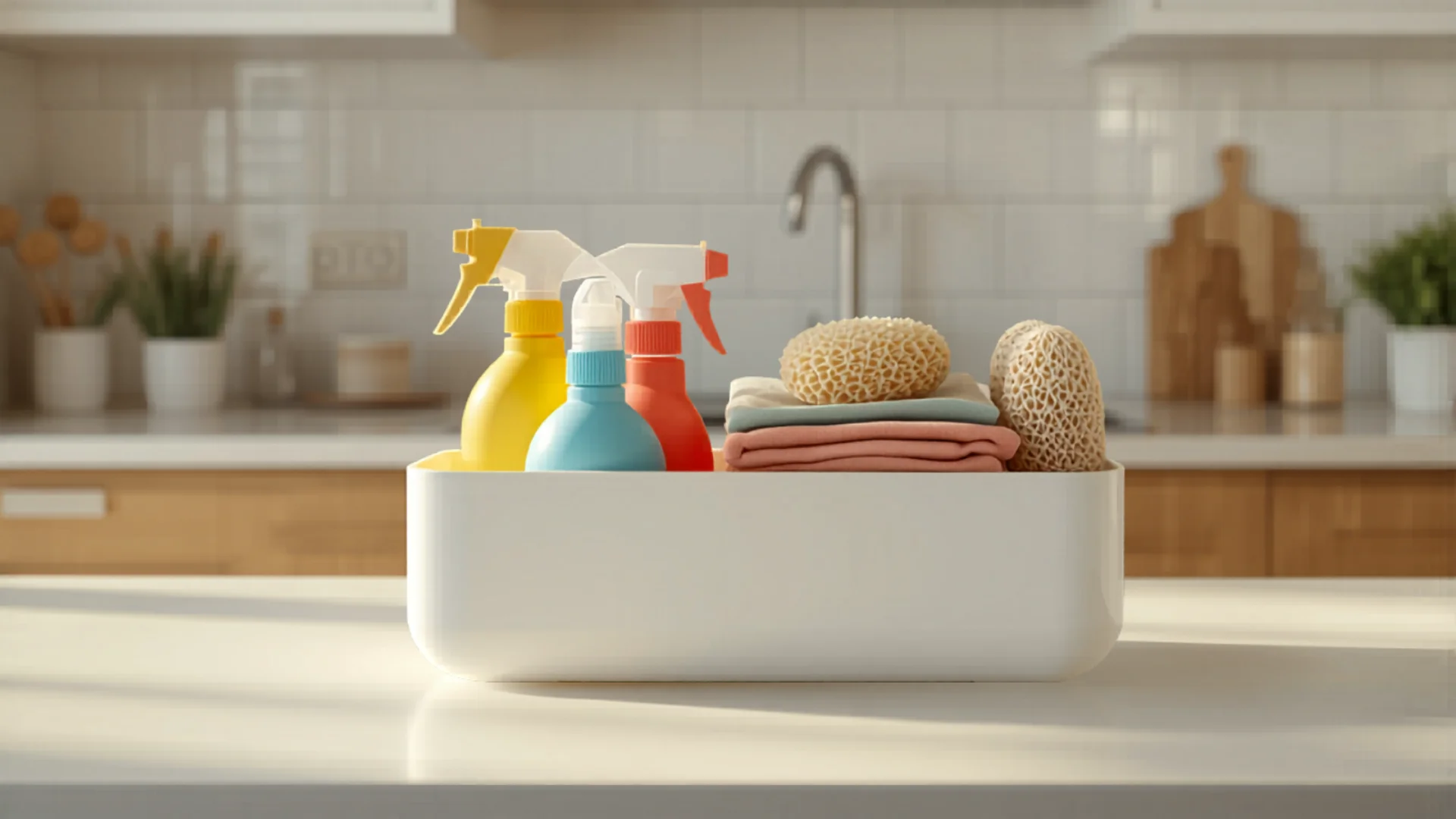
Forget the 30-bottle cleaning caddy. These 6 products handle every cleaning task in a home:
1. Multipurpose Spray: $4-$8
One bottle that cleans benchtops, tables, appliance surfaces, splashbacks, and general grime. This is your most-used product. You'll reach for it daily. Spray, wipe, done.
- Budget pick: Coles or Woolworths homebrand multipurpose spray (about $2.50). Does the job.
- Our pick: Earth Choice multipurpose spray (about $5). Plant-based, biodegradable, no harsh chemicals, smells pleasant, works well. Australian-made.
- Premium pick: Method All-Purpose Cleaner (about $8). Beautiful packaging, effective formula, non-toxic.
Browse multipurpose cleaners on Amazon AU →
2. Bathroom Cleaner: $4-$8
Bathrooms need a dedicated product because soap scum, mould, and limescale don't respond well to general multipurpose spray. A bathroom-specific cleaner cuts through these faster and more effectively.
- For soap scum and general cleaning: Selleys Rapid Mould Killer (about $7): spray on, wait 5 minutes, wipe off. Handles mould and soap scum brilliantly.
- For tough mould: Exit Mould (about $6), the nuclear option for mould on grout, silicone seals, and tile joints. Use in a ventilated area and wear gloves.
Browse bathroom cleaners on Amazon AU →
3. Glass and Mirror Cleaner: $3-$6
For mirrors, glass splashbacks, windows, and glass shower screens. A streak-free formula makes a visible difference. Dirty mirrors and windows make the whole house look grimy, while clean ones brighten every room.
Browse glass cleaners →
4. Floor Cleaner: $4-$8
For mopping tile, timber, vinyl, and laminate floors. Use a product designed for your floor type. Timber floor cleaners are pH-neutral to protect the finish, while tile cleaners can be stronger. If you have multiple floor types, a universal hard floor cleaner works on all of them.
Browse floor cleaners →
5. Dishwashing Liquid: $3-$5
For hand-washing dishes and general grease cutting. A squeeze of dishwashing liquid in warm water handles greasy stovetops, oven trays, and range hoods better than most dedicated kitchen cleaners. Morning Fresh and Earth Choice are both excellent Australian options.
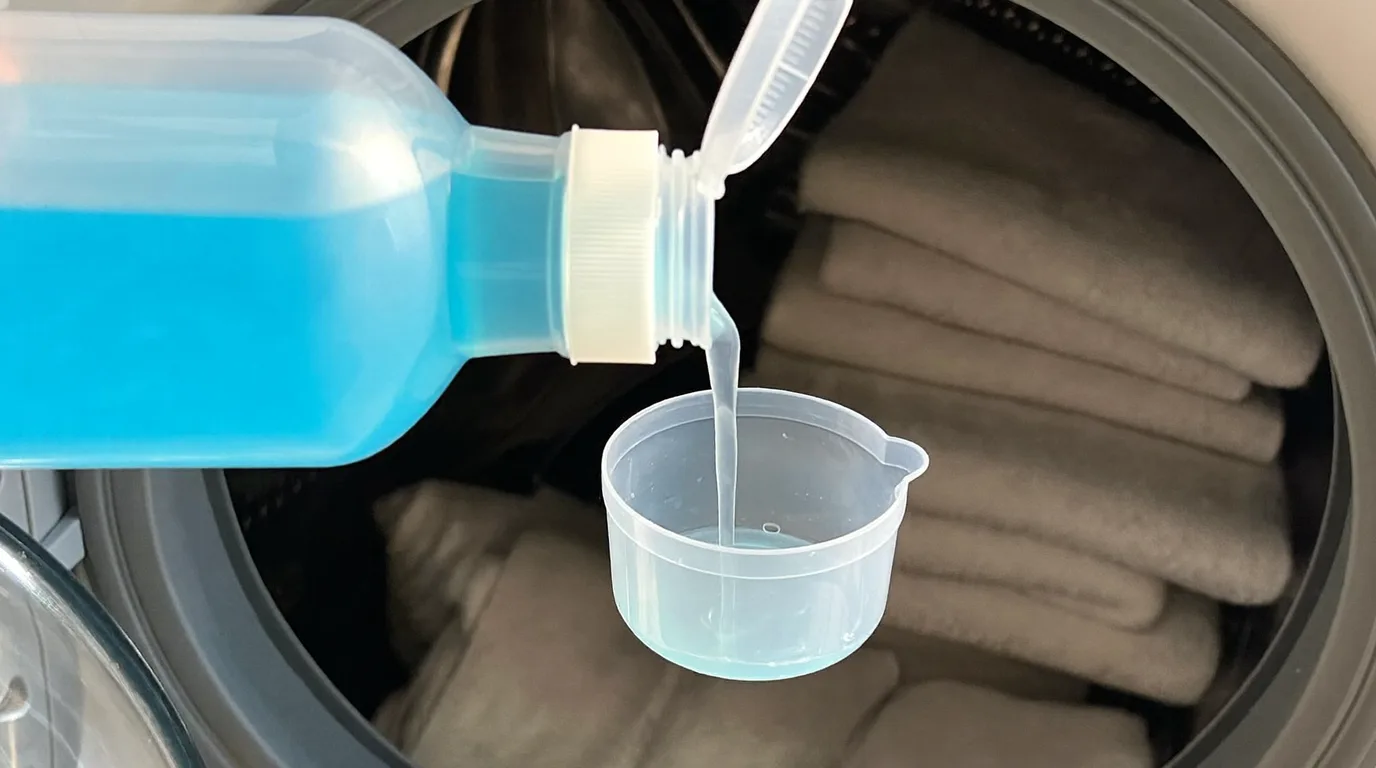
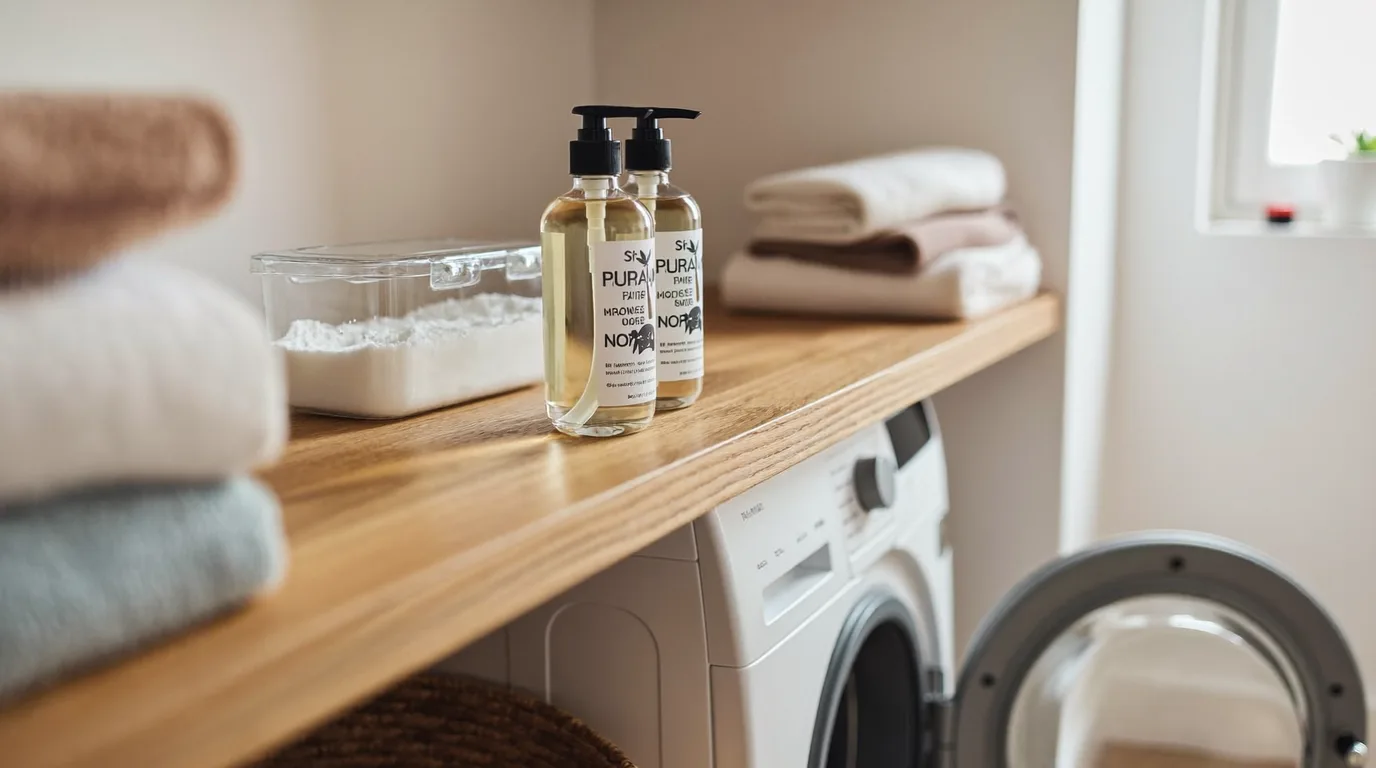
6. Laundry Liquid: $8-$15
See our laundry setup guide for detailed recommendations. Cold Power and Earth Choice are solid choices.
Total cost for all 6 products: $25-$45. That's your entire cleaning product lineup for the first month.
Products are only half the equation. You need the right tools to apply them effectively:
Microfibre Cloths
Microfibre cloths can be machine washed and reused, and our pick's care label says to wash them in cold or warm water, tumble dry on low and skip the bleach. Buy a multi pack in different colours: one colour for kitchen, one for bathroom, one for general surfaces, so you are not wiping the bathroom with the kitchen cloth.
Browse microfibre cloths on Amazon AU →
Spray Mop: $25-$120
Forget the bucket and wringer mop. Our pick is the Sulfar spray mop, which comes with a refillable bottle, listed at 350 ml, and two reusable microfibre pads. Press the handle to spray water while mopping. The listing says the pads can be machine washed.
Browse spray mops on Amazon AU →
Broom and Dustpan: $12-$25
For quick daily sweeps of hard floors. An angled broom reaches into corners better than a flat broom. A dustpan with a rubber lip seals against the floor so fine dust doesn't escape under the edge.
Browse brooms on Amazon AU →
Rubber Gloves: $3-$5
Protect your hands from cleaning chemicals, especially bathroom cleaners and bleach. Buy a pair that fits snugly. Loose gloves reduce dexterity and make cleaning harder.
Scrubbing Brush: $5-$10
For grout, tile joints, oven trays, and anything that needs more than a wipe. A stiff-bristled brush with a comfortable grip. Browse scrubbing brushes →
What's a Waste of Money
The cleaning industry wants you to buy a different product for every surface. You don't need:
- Stainless steel cleaner: A damp microfibre cloth with a drop of olive oil does the same thing. Seriously.
- Granite/stone cleaner: Warm water and a microfibre cloth is all stone benchtops need for daily cleaning. Save the specialty spray for monthly deep cleans.
- Disposable cleaning wipes: Expensive per-use, create plastic waste, and don't clean as well as a microfibre cloth with spray. The only exception is toilet cleaning wipes. Those are legitimately useful for quick toilet wipe-downs between full cleans.
- Air freshener spray: Masks odours rather than removing them. A clean home doesn't need air freshener. If a room smells, find and fix the source.
- Most "As Seen on TV" gadgets: Steam mops sound great but aren't necessary for most homes (a spray mop is cheaper and easier), though if your floors are mostly tile our steam mop guide covers the three that are worth owning. Magic erasers are useful but overpriced. Buy melamine sponges in bulk from Amazon for a fraction of the branded price. Browse melamine sponges →
The 30-Minute Weekly Cleaning Routine
The secret to a clean home isn't marathon weekend cleaning sessions. It's a quick daily/weekly routine that prevents mess from accumulating. Here's the system that works for us:
Daily (5 minutes)
- Wipe kitchen benchtops after cooking
- Load/unload the dishwasher
- Quick sweep of kitchen and dining floors (or let the robot vacuum handle it)
Weekly (30 minutes total, spread across the week)
- Monday, Kitchen: Wipe stovetop, clean sink, wipe splashback, take out bins (10 min)
- Tuesday, Bathrooms: Clean toilet, wipe vanity and mirror, spray shower (10 min)
- Wednesday, Floors: Vacuum or mop all hard floors (15 min, or let the robot handle it)
- Thursday, Surfaces: Dust shelves, wipe light switches, tidy living room (5 min)
- Friday, Laundry: Wash and hang one load, fold and put away dried clothes (10 min)
No single day takes more than 15 minutes. The house stays consistently clean without ever needing a stressful 3-hour weekend session.
Eco-Friendly Alternatives
If you want to reduce chemical use and plastic waste, these natural alternatives work surprisingly well:
- White vinegar + water (1:1 ratio): Effective multipurpose cleaner for glass, benchtops, and general surfaces. Don't use on stone benchtops (the acid can etch marble and granite).
- Bicarb soda: Mild abrasive for scrubbing sinks, ovens, and grout. Make a paste with water and apply with a brush.
- Vinegar + bicarb soda: The fizzing reaction is great for unclogging drains and removing stubborn stains.
- Refillable bottles: Brands like Zero Co and Koala Eco sell refillable cleaning products. You buy the bottle once and receive concentrated refills by mail. Better for the environment and often cheaper long-term. Browse eco cleaning products →
Deep Cleaning: Monthly Tasks
Beyond your weekly routine, these monthly tasks prevent buildup and keep your home in top condition:
- Oven clean: Use a dedicated oven cleaner (Easy-Off is the standard) or a paste of bicarb soda + water left overnight. A clean oven heats more efficiently and doesn't smoke. Browse oven cleaners →
- Fridge clean: Remove everything, wipe shelves with warm soapy water, check expiry dates. See our fridge organisation guide for the full process.
- Window wash: Inside and outside. Glass cleaner + microfibre cloth for inside. A window squeegee ($8-$15) for outside. Clean windows make a dramatic difference to how bright your home feels. For upstairs glass you cannot reach safely from the ground, a robot window cleaner does the outside pane without a ladder. Browse window squeegees →
- Skirting boards and door frames: Wipe with a damp microfibre cloth. Dust accumulates here faster than you'd expect, especially in Australian homes near bushland or construction.
- Washing machine clean: Run an empty hot cycle with a machine cleaning tablet to prevent mould and odour buildup. Essential for front loaders.
- Air conditioner filters: Remove and wash the dust filters in your split-system AC units. Clogged filters reduce efficiency by up to 30% and blow dusty air through your home. Takes 5 minutes per unit.
Budget Breakdown: Complete Cleaning Setup
- Cleaning products (6 essentials): $25-$45
- Microfibre cloths (multi pack): about $8 to $17
- Spray mop: $25-$50
- Broom and dustpan: $12-$25
- Rubber gloves + scrubbing brush: $8-$15
- Total: about $78 to $152
That is about $78 to $152 for a basic cleaning setup at the prices above. A robot vacuum is an optional extra later; see our robot vacuum guide.
Room-by-Room Cleaning Products Quick Reference
- Kitchen: Multipurpose spray + dishwashing liquid. For the oven: dedicated oven cleaner. For the rangehood filter: soak in hot water + dishwashing liquid for 30 minutes.
- Bathroom: Bathroom cleaner (soap scum + mould) + glass cleaner (mirror + shower screen). For grout: bicarb paste + scrubbing brush.
- Floors: Water in the spray mop bottle, or a floor cleaner if your mop's instructions allow it. For sticky spots: a damp microfibre cloth with a drop of dishwashing liquid.
- Windows: Glass cleaner + a squeegee for outside. Clean on a cloudy day. Direct sun dries the cleaner before you can wipe it, leaving streaks.
- Bedrooms/living: Microfibre cloth for dusting surfaces. Vacuum or robot vacuum for floors and carpets.
Frequently Asked Questions
What cleaning products do I need for a new home?
Six products cover everything: multipurpose spray (benchtops, tables, surfaces), bathroom cleaner (soap scum, mould, toilet), glass cleaner (mirrors, windows, shower screens), floor cleaner (mopping), dishwashing liquid (dishes and grease cutting), and laundry liquid. Total cost: $25-$45. You don't need separate products for every surface. The cleaning industry wants you to buy 30 bottles, but 6 handles 95% of tasks. Add a pack of microfibre cloths, a spray mop, and a broom, and you're fully equipped.
How often should I clean my new home?
A 5-minute daily tidy (wipe benches, load dishwasher, quick floor sweep) plus a 30-minute weekly routine keeps a home consistently clean without marathon sessions. Spread the weekly clean across the week: kitchen Monday, bathrooms Tuesday, floors Wednesday, surfaces Thursday, laundry Friday. No single day takes more than 15 minutes. Deep clean monthly: oven, fridge, windows, skirting boards. This system works for busy professionals and new homeowners who have better things to do than spend Saturday scrubbing.
Are eco-friendly cleaners as effective?
For daily maintenance cleaning, yes. A mix of white vinegar and water handles most surfaces as well as commercial sprays. Bicarb soda is an excellent mild abrasive for scrubbing. For heavy-duty tasks like mould removal, grease cutting, and oven cleaning, commercial products (Exit Mould, oven cleaners) are genuinely more effective. The practical approach: use eco-friendly products for daily cleaning and keep one or two commercial products for the tough jobs. Brands like Earth Choice and Koala Eco offer plant-based formulas that perform well for everyday use while being better for waterways and the environment.