You've got the keys. The house is empty. And now you're standing in your new living room thinking: "What do I actually need?" Small things get missed on day one: bin bags, a broom, a bed that has actually been delivered. This guide helps you avoid that.
This new home checklist for Australia lists the essentials for each room, room by room. We have divided everything into buy in the first week items and buy within 3 months nice to haves. You do not need to buy everything at once, so spread it out over the first few months. A first night box is one box you pack separately with the items you need on day one, so you can find them before you unpack anything else.
The Golden Rule: Essentials First, Everything Else Later
Here is a simple order to buy things in:
- Week 1: Buy only what you need to sleep, eat, clean, and function. Nothing else.
- Month 1: Fill in the gaps: proper kitchenware, bathroom accessories, basic furniture.
- Months 2 and 3: Nice to haves: a robot vacuum, an air fryer and the organisation items that make your home feel like yours.
- Month 3+: Upgrades and personal touches. No rush on any of this.
Buying everything at once is an easy mistake to make. Give yourself time and buy in stages.
Buying, renting or building? If you are buying, use this list once you have the keys. If you are renting, check what the property already includes and ask your landlord before drilling into walls for a TV mount or shelves. In an apartment, skip the outdoor and garden section. If you are building, use the handover checks in the safety section below before you sign off, and buy the essentials once the home is ready to move into.
At a Glance: What to Buy and When
| Stage | What to buy | What can wait |
|---|
| First week | Bedding, kettle, basic cookware, cleaning supplies, towels, toilet paper, bin bags, phone chargers | Extra furniture, decor, appliances |
| First month | Proper kitchenware, bathroom accessories, basic furniture, tools, curtains | Coffee table, rug, bookshelf |
| Months 2 and 3 | Air fryer, coffee machine, robot vacuum, outdoor setting, lawn mower, organisation items, security | Upgrades and personal touches |
These are the things to buy for a new house that you genuinely cannot do without in the first seven days. Miss one of these and your first week becomes miserable. This list gets you through until you can shop properly.
The non negotiable first week list:
- Toilet paper: buy a multipack before moving day so you do not run out on day one.
- Bin bags: unpacking generates enormous amounts of rubbish. A roll of 50 is not overkill.
- Cleaning basics: all purpose spray, dish liquid, sponges, microfibre cloths, a broom and a mop.
- Bedding: mattress, bed frame, pillows, doona, sheets. Your most urgent purchase after cleaning supplies.
- Kitchen survival kit: kettle, one frying pan, one saucepan, plates, mugs, cutlery, a knife and chopping board. Enough to eat simple meals.
- Towels: two bath towels per person and two hand towels. Do not forget these.
- Hand soap and toiletries: sounds obvious, but easy to overlook when you are focused on furniture.
- Phone chargers and power boards: you will need more power points than you think, especially in older homes.
- First aid basics: Panadol, bandaids, antiseptic. Moving day is the day you discover a new way to injure yourself.
Pro tip: Pack a "first night box" separately from your moving boxes with all of the above. Do not let it get buried under the 40 boxes of stuff you will unpack later. It means the items you need first are easy to find.
Before You Unpack: Safety and Admin Checks
Before you unpack, spend an hour on this list. A new build handover is the walk through where you record defects before you sign off, so do it before your furniture goes in.
- Change the locks and codes: You cannot know who still has a key or a garage code, so change them or ask for them to be reset.
- Find the switchboard, the water shut off and the gas valve: Know where they are before you need them.
- Test the smoke alarms: Smoke alarm rules differ by state and territory, so check your state's rules and test the ones already installed. See our smoke alarm guide.
- Redirect your mail and connect utilities: Use our utilities connection service and the moving checklist for the task list.
- Check the handover and defects: For a new build, walk through every room, photograph marks and faults, and send the list to your builder in writing.

Kitchen Checklist
Buy First Week
- Kettle: You'll need this before anything else. Morning coffee waits for nobody.
- Toaster: Bread and toast will be your first few meals. A 2 slice toaster is enough.
- Frying pan and saucepan: One medium frying pan (28cm) and one medium saucepan (20cm) covers most meals. Don't buy a 15 piece set. You won't use half of it. A decent non stick set does the job.
- Plates, bowls, glasses, cutlery: A basic 4 person dinner set will do. Add a set of glasses and basic cutlery.
- Chopping board and basic knife: One good chef's knife and a plastic chopping board will get you through.
- Bin and bin bags: Sounds obvious but you will forget this. A kitchen bin and a roll of bags.
- Dish liquid and sponges: Pick them up from the supermarket. Essential from day one.
Buy Within 3 Months
- Air fryer: An air fryer is an optional extra, and the Philips card below shows one listing we checked. We wrote a full guide: Best Air Fryers in Australia 2026.
- Coffee machine: If you drink coffee daily, a home machine is worth considering. From a basic pod machine to a full espresso setup, see our best coffee machines in Australia guide.
- Dishwasher (if not included): Check whether your kitchen has a dishwasher space and a water connection. See our best dishwashers in Australia guide.
- Microwave: Not essential in the first week but you'll want one soon.
- Pantry containers and organisation: Makes your kitchen feel tidy. See our pantry organisation guide.
- Baking tray and oven dish: When you start cooking properly.
- Tea towels and drying rack: A pack of tea towels and a dish drying rack.
Philips Air Fryer, 4.2L
The Philips Air Fryer, 4.2L is one example of an optional kitchen appliance. Its Amazon AU listing shows 4.6 out of 5 from 256 ratings and says it has 13 ways to cook. The listing bullets say it fits up to six chicken drumsticks or 500 g of fries and has dishwasher safe parts.
Living Room Checklist
Buy First Week
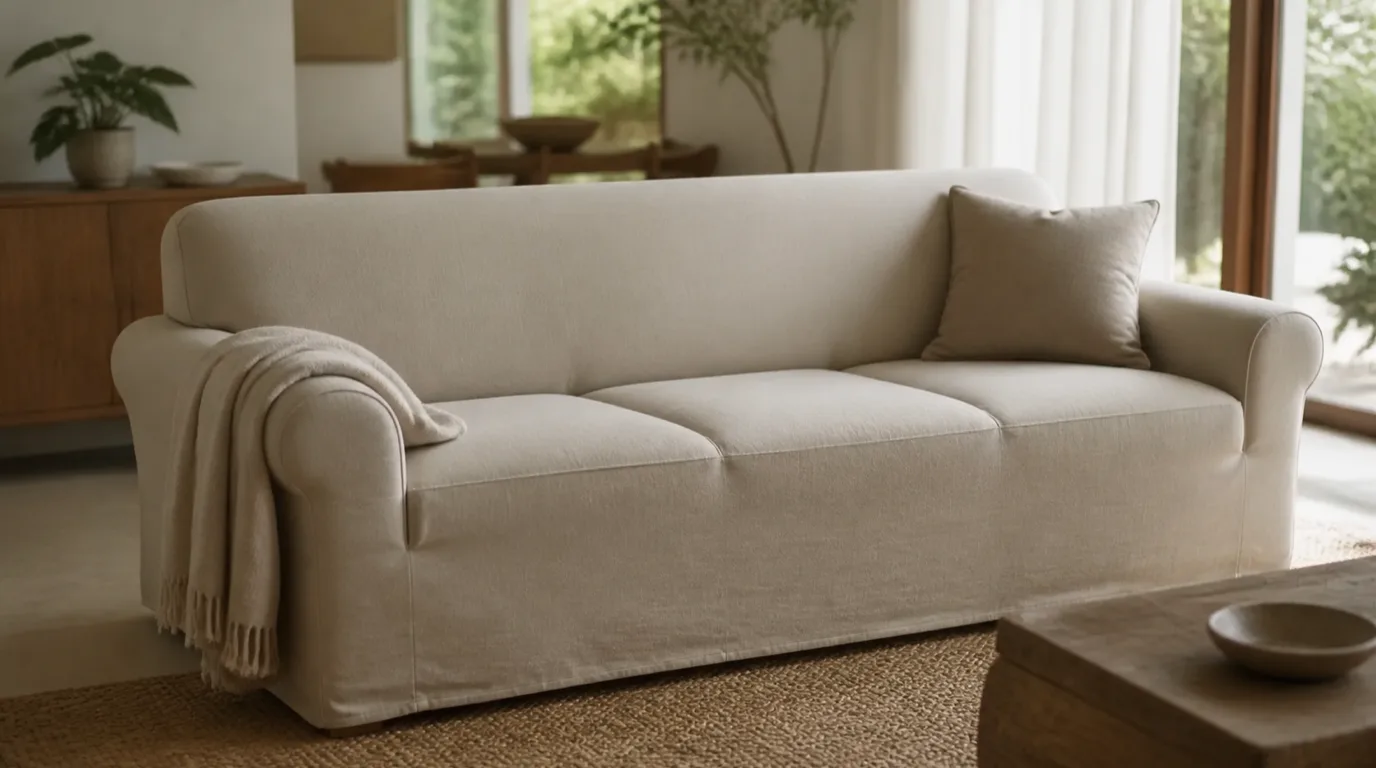
- Couch or sofa: If you do not already have one, this is your biggest living room purchase. Measure your doorways first, and consider second hand to keep the first year's spending down.
- TV wall mount or stand: Wall mounting looks clean and saves floor space. Check the mount suits your TV size and your wall type.
- Power board with surge protection: Protect your TV, gaming console, and other electronics. Use a surge protected power board, and do not plug one power board into another.
Buy Within 3 Months
- Coffee table: Not urgent but makes the living room feel complete.
- Lamps or general lighting: Check each room has usable light before you buy anything decorative.
- Throw rug and cushions: A simple way to add warmth and personality with a rug and a couple of cushions.
- Bookshelf or storage unit: For books, decor, and general storage.
Laundry Checklist
If your new home already has a washing machine and dryer you can skip this big ticket section. If not, the washing machine is the main appliance to sort out first, and the choice between a front loader and a top loader depends on your laundry space and your budget.
Buy First Week
- Washing machine (if not included): Front loaders and top loaders suit different laundries. See our detailed comparison in the best washing machines in Australia guide.
- Laundry basket: A large basket keeps washing in one place.
- Laundry detergent and fabric softener: From the supermarket.
Buy Within 3 Months
- Clothes airer/drying rack: For indoor drying on rainy days.
- Iron and ironing board: If you need them (skip them if you rarely iron).
- Dryer: Optional if your laundry has line drying, and useful in apartments or wet climates. Heat pump and vented dryers differ in running cost, so see our dryer guide.
- Basic toolkit: A toolkit with hammer, screwdrivers (Phillips and flathead), pliers, tape measure, Allen keys, and a level. You'll need this to assemble furniture and hang things.
- Drill: A cordless drill is worth the investment. You'll use it for shelves, curtain rods, TV mounts, and more. Wear eye and hearing protection when you use power tools.
- Picture hanging kit: Hooks, nails, and a spirit level to hang your art and photos.
Outdoor and Garden Checklist
If your new home has any outdoor space (even a small courtyard), you will need gear to maintain it. Check your lease, strata rules or council notices for garden upkeep expectations.
- Door mat: Front and back door.
- Garden hose and reel: If you have a garden or need to wash down outdoor areas.
- Lawn mower: If you have a lawn, you need a mower. Battery, electric and petrol mowers suit different yards. See our best lawn mowers in Australia guide for battery, electric, and petrol picks. If you would rather not mow at all, a robot lawn mower runs to a schedule instead.
- Clothesline or portable airer: For outdoor drying. Many new homes come with a clothesline, but check.
- Outdoor setting (if you have a deck/patio): Even a small 2 person bistro set makes your outdoor area usable.
- Secateurs, gloves and a rake: Basic garden maintenance tools.
Home Security Essentials
Your new home is an investment worth protecting. Many home security devices are wireless and can be installed yourself. A doorbell camera plus one or two outdoor cameras is a common starting point. If you want keyless entry, our guide to smart locks that fit Australian doors covers what actually suits an Australian lever, nightlatch or deadbolt door.
- Security cameras: Wireless outdoor cameras are available with cloud or local storage. Our best security cameras in Australia guide covers doorbell cameras, outdoor floodlight cameras, and indoor picks.
- Smart locks and deadbolts: Keyless entry removes the "have I locked the front door" panic and lets you give temporary access to cleaners, tradies, or Airbnb guests.
- Smart home devices: Beyond security, smart plugs, smart lights, and a voice assistant can make your home easier to manage. See our smart home devices guide.
- Motion sensor outdoor lights: A simple deterrent.
- Smoke alarms and carbon monoxide detectors: Smoke alarm rules differ by state and territory, so check your state's rules and test the ones already installed.
Insurance Essentials: Sort Your Cover in Week 1
Insurance is the part of the checklist most new homeowners postpone, and the part that bites hardest when something goes wrong. Three policies deserve a 20 minute review in your first week, before you settle into routines and forget:
Home insurance is the one to sort out before settlement: ask your lender and your insurer what cover they need. The three above are the policies new homeowners most often put off.
Setup Costs: Plan in Three Stages
Setup costs depend on the home and on what already comes with it, so we do not give a single total. Plan the spending in three stages: first week essentials, first month furniture and kitchenware, then appliances, outdoor and security over months two and three. If you need to buy a washing machine, dishwasher and fridge from scratch, add them to the plan before you move. Our move in cost calculator lists those appliances with the other upfront costs of a first home, from removalists to connection fees.
Planning your first home budget? Use our borrowing power calculator to factor setup costs into your deposit plan before you buy.
Can you provide a printable checklist for moving house?
Yes. The summary below lists what to buy for a new home, room by room, so you can print it or screenshot it and tick items off. It covers shopping, not moving day tasks. For redirecting mail, utilities and the packing order, use our separate moving checklist guide alongside this one.
Tick each item off as you buy it. Everything below is the minimum for a new home in Australia. Add nice to haves as you go.
Kitchen (must have): Kettle, toaster, frying pan, saucepan, plates, mugs, glasses, cutlery, knife, chopping board, kitchen bin, bin bags, dish liquid, sponges, tea towels.
Kitchen (within 3 months): Air fryer, coffee machine, microwave, pantry containers, baking tray, dishwasher (if not included).
Bedroom (must have): Mattress, bed frame, pillows (2), doona, sheets, quilt cover, mattress protector.
Bathroom (must have): Bath towels (2 per person), hand towels, bath mat, toilet brush, shower caddy, toilet paper, hand soap.
Cleaning (must have): Broom, dustpan, mop, vacuum, all purpose cleaner, glass cleaner, bathroom cleaner, microfibre cloths.
Laundry (must have): Washing machine (if not included), laundry basket, detergent.
Living room (must have): Couch or sofa, TV mount or stand, surge protected power board, lamps or general lighting.
Tools (must have): Basic toolkit (hammer, screwdrivers, pliers, tape measure), cordless drill, picture hanging kit.
Outdoor (if applicable): Door mats, garden hose, lawn mower, clothesline, outdoor setting.
Security: Smoke alarms (check existing), motion sensor lights, optional doorbell camera.
Common Mistakes New Homeowners Make
These are the mistakes to avoid:
- Buying everything on day one: You may overspend and end up with things you do not actually need. Buy the essentials first, then compare options over the next few months.
- Forgetting about moving day supplies: On moving day itself, keep a "first night box" separate from your packed boxes. Include: toilet paper, bin bags, hand soap, towels, sheets, phone chargers, kettle, mugs, tea/coffee, snacks, cleaning spray, and basic tools. Trust us. You don't want to be unpacking 30 boxes at 9pm looking for your phone charger.
- Buying the cheapest version of everything: Being budget conscious is smart, but some items are worth spending a bit more on. Your mattress, your pillows, your knives, and your vacuum are all things where quality genuinely matters. Buy cheap towels and upgrade later, but do not buy the cheapest pillow and wonder why your neck hurts.
- Not measuring before buying furniture: That gorgeous couch you found online might not fit through your front door, let alone in your living room. Measure doorways, hallways, and room dimensions before buying any large furniture. Tape out the dimensions on the floor so you can visualise the space it'll take.
- Ignoring utilities setup: Electricity, gas, and internet should be connected before you move in. Don't arrive to a house with no power or hot water. NestPath can help with this. See our utilities connection service.
How to Shop for a New Home Without Overspending
- Buy the essentials first: Add everything else over the first few months.
- Measure before you order: Check doorways, hallways and rooms before ordering furniture.
- Order your mattress before moving day: That way it arrives when you do.
- Keep delivery times in mind: Check the delivery time before you order, and plan for the days you will be home.

How We Checked the Product Cards
The checklist items come from general household advice. The three product cards come from the Amazon AU listings, and the specs come from the maker's bullet points and the product information on each listing.
Last checked: 23 October 2026.
For Moving Day Logistics: See Our Moving Checklist
This checklist covers what to buy for your new home. For the actual moving day logistics (electricity and gas utilities transfer, redirecting mail, packing order, notifying services, and the before and after settlement task list), see our separate moving checklist Australia guide. The two checklists work together: set up your utilities and pack your first night box before moving day, then use this guide for everything you buy once the keys are in your hand.
Moving In: Questions People Ask
What is the most forgotten thing when moving?
Small items are the ones that get forgotten: bin bags, a broom, toilet paper, phone chargers and extra power boards. Put them in your first night box, and check the home has enough power points where you plan to put the bed, desk and TV.
Walk through each room before moving day and picture where the bed, desk and TV will go. Note any room that has too few power points.
What to consider when moving into a new home?
Consider the order of jobs: connect electricity, gas and internet before moving day, update your insurers, pack a first night box, measure doorways before buying large furniture, and check the smoke alarms already installed. Then buy the essentials first and leave nice to haves for the first few months.
What do all houses need?
Every home needs working power and water, a place to sleep, a way to cook and keep food, somewhere to wash, basic cleaning gear and working smoke alarms. This checklist covers each of those room by room, so you can see what to buy now and what can wait until you have settled in.
Frequently Asked Questions
What do you need when moving into a new house?
On day one you need cleaning supplies, bedding, a few kitchen basics, towels, toilet paper, bin bags and hand soap. Pack them in a first night box so they do not get buried under the other boxes. Bin bags, a broom and toilet paper are all handy within the first hour of unpacking.
How much does it cost to set up a new home in Australia?
The cost depends on the home and on what already comes with it, so we do not give a single total. Plan the spending in three stages: first week essentials, first month furniture and kitchenware, then appliances, outdoor and security over months two and three. Check which white goods the home includes before you set a budget.
What should I buy first for a new home?
Buy in this order: a first night box with toilet paper, bin bags, hand soap, towels and phone chargers; cleaning supplies; a mattress and bedding; a kettle and basic cookware; then bathroom items. Appliances like an air fryer or robot vacuum, and extra furniture, can wait a few weeks.
What kitchen appliances do I need for a new home?
A kettle and a toaster cover day one. A microwave and an air fryer can follow in the first months, and a coffee machine suits daily coffee drinkers. If the kitchen has no dishwasher, check whether it has a dishwasher space and a water connection. Our Philips air fryer card shows one listing we checked.
Do I need a vacuum cleaner or robot vacuum for a new home?
A stick or upright vacuum is the safer first buy because it also cleans stairs, couches and one off spills. A robot vacuum keeps floors tidy on a schedule, so it suits month two or three once the furniture is in. If you can only buy one first, buy the stick vacuum.
Do I need a toolkit for a new home?
Yes, a basic toolkit is worth having in week one for flat pack furniture, curtain rods, shelves and a TV mount. At minimum get a hammer, Phillips and flathead screwdrivers, pliers, a tape measure and Allen keys. A cordless drill helps. Wear eye and hearing protection when you use power tools.