
Almost everyone budgets for the mortgage. Far fewer people budget for everything else, and "everything else" is the part that quietly blindsides first-home buyers in their first year. Before you've paid a single cent off your loan, simply owning a typical Australian house costs somewhere around $250 to $310 a week in unavoidable running costs: rates, water, insurance, upkeep, power. Here's the honest, line-by-line breakdown of what it really costs to own a home in Australia in 2026, so the bills don't catch you out.
The mortgage is just the starting line
When you work out what you can afford, the repayment is the headline number, but it's only one of two cost buckets. The second is the cost of holding the property: the rates, levies, insurance, maintenance and utilities that land whether or not you have a loan. Someone who owns their home outright still pays this bucket every year. It's the cost people forget, and it's why a home that looked affordable on the repayment calculator can feel tight once you're living in it.
Let's deal with the holding costs first, because those are the ones nobody warns you about, then add the mortgage back on at the end.
What it costs to own a house per year (2026)
Here's a realistic picture for a typical established freestanding house in 2026, excluding the mortgage. Ranges are wide on purpose. Your state, your council, your home's age and your habits all move the dial.
| Cost | Typical per year | What drives it |
|---|---|---|
| Council rates | $1,400 to $3,000 | Based on land value; varies a lot by council and state |
| Water & wastewater | $1,100 to $1,900 | Fixed service charge plus usage |
| Home & contents insurance | $2,200 to $3,200 | Rising fast; location and rebuild cost driven |
| Maintenance & repairs | $3,000 to $7,500 | Lumpy, small most years, big in roof/repaint years |
| Electricity | $1,300 to $1,600 | Household size, climate, appliances |
| Gas (if connected) | $0 to $1,000+ | $0 in all-electric homes; high with gas heating |
| Internet | about $1,000 | NBN plan |
| Pest, garden & sundries | $700 to $2,000 | DIY vs hiring it out |
| Total (excl. mortgage) | about $13,000 to $16,000 | Roughly $250 to $310 a week (typical mid-range) |
That mid-point, around $13,000 to $16,000 a year in pure holding costs, is the number to sit with. It's real money you'll spend every year, forever, on top of the loan.
The big ones, explained
Council rates
Councils charge rates on the land value of your property, not the house you built on it, which is why a big block in an outer suburb can attract higher rates than a unit closer to the city. A typical house lands somewhere between $1,400 and $3,000 a year, but the spread is enormous and genuinely hard to compare across states, because each state values land differently. Increases are capped in some states (NSW and Victoria both peg annual rises), so it's a predictable, slow-moving cost.
Water
Your water bill is two parts: a fixed service charge that lands no matter what, plus usage you can influence. A typical house pays roughly $1,100 to $1,900 a year all up on current 2026-27 utility pricing, with Brisbane and Darwin at the top of the spread and Adelaide and Melbourne at the bottom (the state table below shows every capital). Gardens and large households push the usage portion up.
Insurance, the cost that's climbing fastest
This is the line moving most sharply. Combined home and contents insurance now averages close to $2,800 a year nationally, and premiums jumped around 14% in 2025 alone, up roughly 50% over five years. The cause is a run of expensive natural-disaster claims plus the rising cost of rebuilding. If your home is in a flood, storm or bushfire-exposed area, expect to pay well above the average. It's worth reading our home insurance guide to understand what you're actually covered for, and remembering that building insurance doesn't cover your belongings. That's what separate contents insurance is for. One genuinely controllable cost: premiums vary widely between insurers for the same house, so comparing every year pays off.
Maintenance, budget for it, even when it's quiet
The classic rule of thumb is to set aside about 1% of your home's value each year for maintenance, roughly $7,500 to $9,000 on a $750,000 to $900,000 home. Treat that as a long-run budgeting guide, not a bill you'll get every year. In reality maintenance is lumpy: you'll spend far less in quiet years, then a roof, a repaint or a hot-water system replacement lands and you're glad you saved. Older homes chew through more; near-new homes less. The mistake isn't spending too much, it's setting aside nothing and being ambushed by a $20,000 job.
Utilities
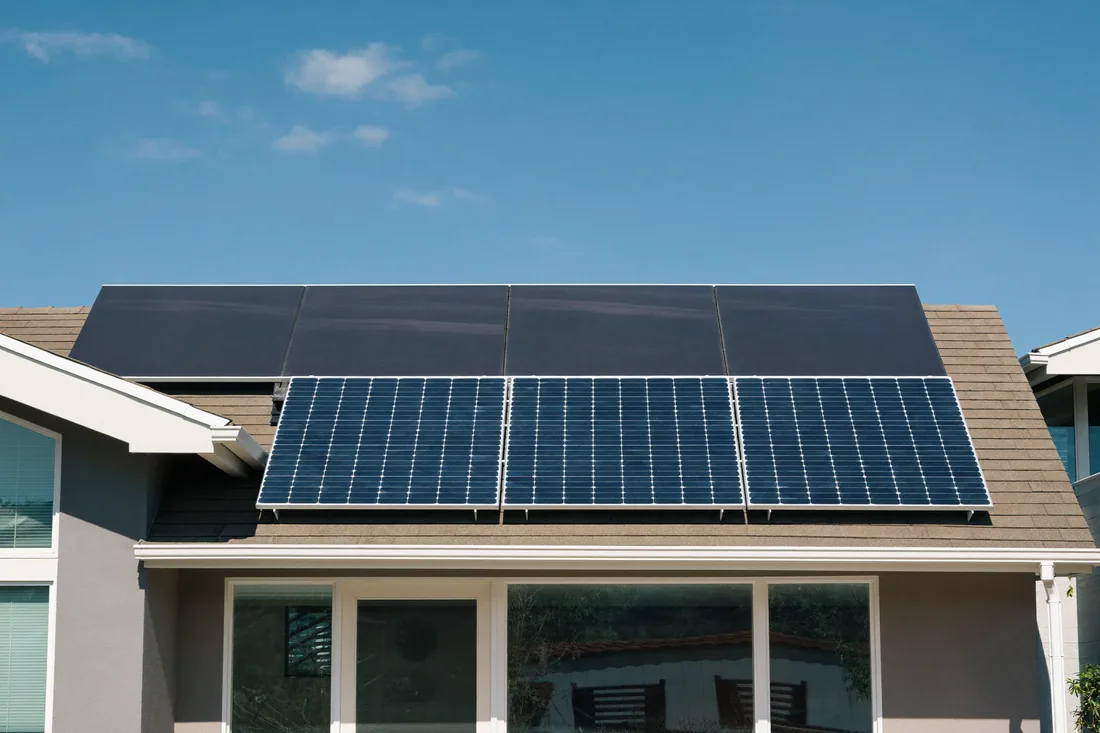
Electricity runs most households about $1,300 to $1,600 a year, varying by state and climate. Gas is the wildcard: homes with gas central heating can pay $1,000 or more, while the growing number of all-electric homes pay nothing for gas at all. Add around $1,000 a year for internet. Energy is one of your most controllable costs: switching plans, adding solar and running an efficient, all-electric home all move the needle. If you're setting up connections or hunting for a better plan, our free find utilities service is a good place to start.

How the bills change by state
The national ranges above hide a real spread between the capitals. The table below shows the three location-driven lines for a typical established house: water and sewerage computed at 200 kL a year on each utility's published 2026-27 price schedule, a typical annual council rates bill (medians and typical bands from council and state data), and average home and contents insurance (comparison-site research plus the ACCC's northern Australia monitoring; published averages differ by methodology, so read them as bands, not quotes).
| Capital | Water and sewerage (200 kL, 2026-27) | Typical council rates | Home and contents insurance (average) |
|---|---|---|---|
| Sydney | about $1,550 | about $1,300 NSW median; $1,800 to $2,900 in Sydney | $2,600 to $4,800 |
| Melbourne | about $1,370 | about $1,900 | $2,300 to $3,000 |
| Brisbane | about $1,900 | about $1,600 (general rate) | about $3,200; $4,600 to $5,400 in north QLD |
| Perth | about $1,680 | $1,600 to $2,300 | $2,200 to $2,700; north WA above $4,600 |
| Adelaide | about $1,340 (sewerage floor) | about $1,700 | $1,900 to $2,400 |
| Hobart | about $1,530 | about $1,700; Hobart itself the state's highest | $2,200 to $2,800 |
| Canberra | about $1,510 | about $2,980 | about $3,000 |
| Darwin | about $1,840 | $1,900 to $2,100 | $3,300 to $4,900, the country's highest |
Three patterns matter for a buyer. Brisbane and Darwin have the most expensive water on current prices, while Adelaide and Melbourne are the cheapest. Canberra's rates look like an outlier because they are one: the ACT is midway through a 20-year program that replaces stamp duty with higher general rates, so you pay less upfront and more each year. And insurance is the line your postcode controls most: north of the cyclone line in QLD, WA and the NT, average premiums run $4,600 to $5,400 a year, roughly double the southern capitals. In Perth and Adelaide, sewerage charges also scale with your property's value rather than being flat, so bigger homes pay more than the table's floor figures.
House vs apartment: where the money moves
The total looks different for apartment owners, but it is not automatically smaller. Strata levies of $3,000 to $8,000 a year replace several of the house lines: building insurance, external maintenance and shared services are usually paid through the levy. You still pay your own council rates, contents insurance, electricity, internet and water usage. A house owner self-funds the lumpy maintenance years; an apartment owner pre-pays them smoothly through the levy, plus a share of lifts, pools and building management that a house never has. The practical rule: a low-amenity walk-up block often beats a house on annual holding costs, while a tower with lifts, a pool and a gym usually costs more per year than the house equivalent. Our strata fees guide covers what levies include and how to read a strata report before you buy.
Then there's the mortgage
For most owners, the loan dwarfs everything else. The Reserve Bank held the cash rate at 4.35% again at its August 2026 meeting, after lifting it three times earlier in the year, so rates are higher than many borrowers planned for. A typical new owner-occupier variable rate sits around 6%.
On a $600,000 loan at around 6%, the interest alone is roughly $36,000 in the first year, before you've repaid a dollar of the principal. Full principal-and-interest repayments on a 30-year term run closer to $43,200 a year (about $3,600 a month). To see the figure for your own loan size and rate, our mortgage repayment calculator breaks repayments down weekly, fortnightly or monthly. Because the rate drives this so heavily, it's the cost most worth managing: keeping an eye on home loan interest rates, refinancing when your rate drifts above the market, and parking savings in a mortgage offset account can each save you thousands a year.
What you don't pay (two common fears)
Two costs people brace for usually don't apply to the home you live in:
- Land tax: your principal place of residence is exempt from land tax in every Australian state and territory. Land tax mainly hits investors and second properties, not the home you live in. (If you go down the rentvesting path and own an investment property, that's a different story.)
- Strata / body corporate fees: these only apply to apartments, units and townhouses in a strata scheme. A freestanding house pays nothing. If you're buying an apartment, though, budget $3,000 to $8,000 a year on top of everything above.
And don't confuse ongoing costs with the one-off upfront costs of buying, things like stamp duty and conveyancing are separate, and we cover those elsewhere. If you're still at the buying stage, our move-in cost calculator adds up those one-off purchase costs beyond the deposit. This article is about the costs that recur every year you own.
The honest bottom line
Put it together and a typical owner-occupier house costs around $13,000 to $16,000 a year to hold before the mortgage, roughly $250 to $310 a week. Add a $600,000 loan at current rates and the all-in cost climbs to around $50,000 a year in interest-inclusive terms, or closer to $58,000 once you're repaying principal too, about $1,100 a week. The mortgage roughly triples the cost of ownership.
The encouraging part: a big chunk is controllable. Your loan rate, your insurer, your energy plan and your maintenance discipline are all things you can actively manage, and together they're worth thousands a year. Rates, water service charges and the disaster-driven part of insurance are the costs you mostly can't move, so budget for those, and go to work on the ones you can. When you eventually sell, remember the family home is generally exempt from capital gains tax too, which softens the final tally.
Frequently asked questions
How much does it cost to own a house per year in Australia?
Excluding the mortgage, a typical freestanding house costs around $13,000 to $16,000 a year to hold, roughly $250 to $310 a week. That covers council rates, water, home and contents insurance, maintenance, electricity, gas, internet and sundries. Add a mortgage and the all-in figure rises sharply: on a $600,000 loan at current rates, total costs reach roughly $50,000 to $58,000 a year.
What are the ongoing costs of owning a home besides the mortgage?
The main recurring costs are council rates ($1,400 to $3,000), water and wastewater ($1,100 to $1,900), home and contents insurance (around $2,800), maintenance and repairs (budget about 1% of the home's value), electricity ($1,300 to $1,600), gas (nothing to $1,000+ depending on the home), and internet (around $1,000). Apartment owners also pay strata fees of $3,000 to $8,000 a year.
How much should I budget for home maintenance each year?
The common rule of thumb is about 1% of your home's value per year, roughly $7,500 to $9,000 on a $750,000 to $900,000 home. Treat it as a long-run savings target rather than an annual bill, because maintenance is lumpy: you'll spend little in quiet years, then a roof, repaint or hot-water replacement lands. Older homes need more, newer homes less. The key is to set the money aside so big jobs don't ambush you.
Why has home insurance become so expensive?
Home insurance premiums rose around 14% in 2025 and roughly 50% over five years. The main drivers are a run of costly natural-disaster claims (floods, storms and cyclones) and the rising cost of rebuilding due to labour and materials inflation. Homes in flood, bushfire or cyclone-exposed areas pay well above the national average. Because insurers price the same home very differently, comparing policies each year is one of the easiest ways to cut the cost.
Do I pay land tax on my own home in Australia?
No. Your principal place of residence, the home you live in, is exempt from land tax in every Australian state and territory. Land tax generally applies only to investment properties, holiday homes and second properties. So as an owner-occupier of your only home, you pay $0 in land tax, though you still pay council rates, which are a separate charge.
What's the difference between upfront costs and ongoing costs of owning a home?
Upfront costs are the one-off expenses of buying: stamp duty, conveyancing, loan fees, building and pest inspections, and your deposit. Ongoing costs are what you pay every year you own the property: rates, water, insurance, maintenance, utilities and (for apartments) strata fees, plus your mortgage. This article focuses on the ongoing costs; the upfront costs are a separate budget you need before you buy.
How much of the cost of owning a home is the mortgage?
For most owners, the mortgage is by far the largest cost, often around two-thirds to three-quarters of the total. On a $600,000 loan at around 6%, first-year interest alone is roughly $36,000, and full principal-and-interest repayments are about $43,200 a year. By comparison, the non-mortgage holding costs total around $13,000 to $16,000. Managing your interest rate has the biggest single impact on what ownership costs you.
Which home ownership costs can I actually reduce?
The most controllable costs are your mortgage interest (by refinancing, using an offset account, or negotiating your rate), your insurance (by comparing insurers annually), your energy bills (by switching plans, improving efficiency or adding solar), and maintenance timing. The least controllable are council rates, water service charges, and the disaster-risk portion of insurance, which are set by councils, utilities and your location. Focus your energy on the costs you can move.


