
Most sellers fixate on the sale price and forget how much of it never reaches their bank account. By the time the agent, the marketing, the conveyancer and the bank have taken their cut, selling a typical Australian home costs somewhere between 2.5% and 4% of the sale price, roughly $20,000 to $40,000 on an $800,000 to $1 million home. Here's every fee, what each one really costs in 2026, and where the money actually goes.
The short version
- Agent commission is the big one: around 2% to 2.5% in the capitals (plus GST), and it's roughly 70% of your total selling costs.
- Marketing is separate and you pay it: usually $4,000 to $8,000 for a standard metro campaign, billed on top of commission.
- Conveyancing runs $700 to $2,500, and your bank charges a small discharge fee to release the mortgage.
- Two costs can dwarf the rest: a fixed-rate break cost (if you break a fixed loan early) and capital gains tax (if it's an investment, not your home).
- Stamp duty is not a seller cost. That's paid by the buyer.
1. Agent commission, the biggest cost by far
The selling agent's commission is the largest cost you'll face, charged as a percentage of the final sale price. In 2026 it runs roughly 1.8% to 2.5% in the big capitals (Sydney, Melbourne and Adelaide sit lowest thanks to agent competition) and 2.4% to 3%+ in Queensland, Tasmania and regional areas. There's no legal rate, so it's fully negotiable.
Watch the GST: 10% is added to the commission fee, so a quoted "2%" is really 2.2% once GST is on it. On a $900,000 sale at 2.2% including GST, that's $19,800. Because commission is both the biggest and the most negotiable cost, it's the one worth shopping around. Our full guide to how the sale process works and comparing two or three agents is where the real savings are.
2. Marketing and advertising
This catches first-time sellers out: the agent's commission pays for selling your home, but the cost of advertising it is separate and billed to you, often upfront. A standard metro campaign runs $4,000 to $8,000, and can stretch from a few hundred dollars for a basic listing to $10,000+ for a premium campaign in an expensive suburb. It covers the portal listing on realestate.com.au and Domain (the biggest line item), professional photography, a signboard, copywriting, a floorplan and often video or drone footage. A rough rule of thumb is 0.5% to 1% of the property's value. Ask for an itemised quote and check whether you're paying the agency's cost or a marked-up figure.
3. Conveyancing and legal fees
You need a conveyancer or solicitor to handle the contract of sale and steer the deal through to settlement, just as a buyer does. Expect $700 to $2,500 for the professional fee, often landing around $1,100 to $2,200 once you add government search and title disbursements. In Queensland and the ACT this work is handled by a solicitor rather than an independent conveyancer. If you want the full picture of what they do, see our guide to conveyancing. And if you don't have one yet, our free find a conveyancer service can match you with one for the sale.
4. Styling, staging and pre-sale prep (optional)
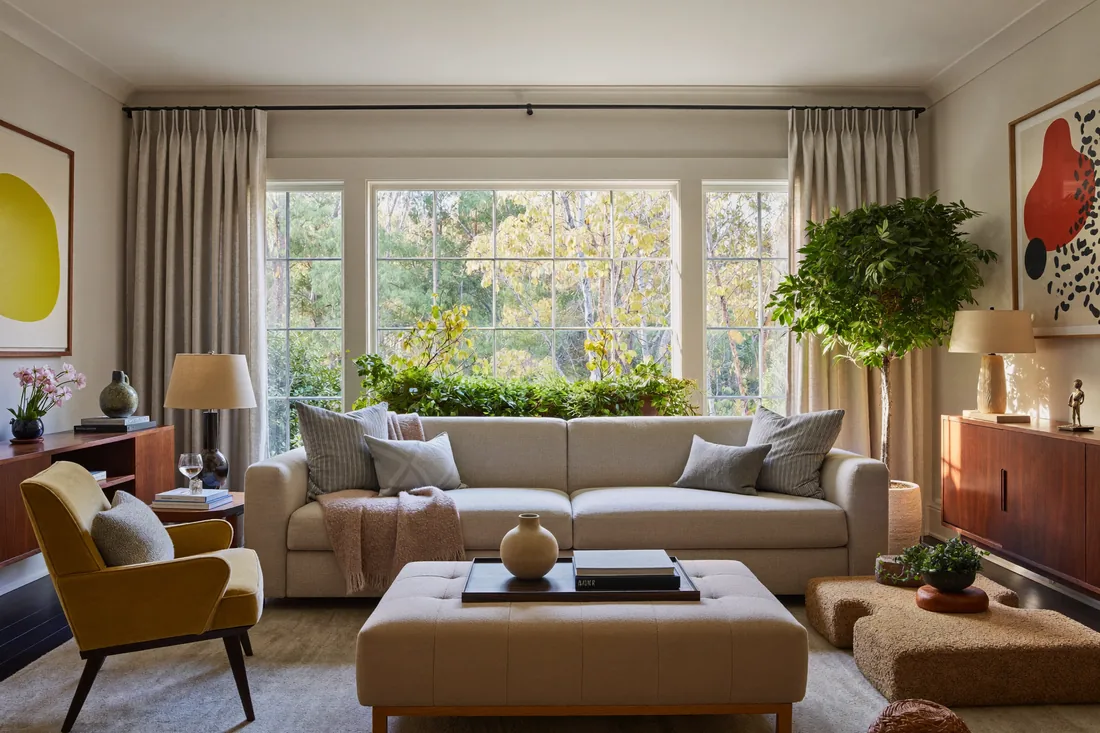
Presentation sells, and many vendors pay to style the property. Professional styling runs roughly $2,000 to $8,000+ depending on size: a one-bedroom unit at the lower end, a four-bedroom house at the top. Full vacant staging costs more than dressing an occupied home. On top of that, most sellers spend a few hundred to a few thousand dollars on cleaning, gardening and minor repairs to present well. It's optional, but a well-presented home usually sells faster and for more.
5. Auction fees
If you sell at auction, the auctioneer charges a fee, typically $200 to $1,000, with around $600 common for a single auction. Sometimes it's bundled into the commission and sometimes billed separately, so confirm which when you sign the agency agreement.
6. Mortgage discharge and exit costs
When you sell, your bank charges a discharge fee to release the mortgage and the title, around $150 to $400 (ANZ is about $160; CBA, NAB and Westpac sit near $350), plus a state government registration fee of roughly $100 to $200.
The one that can hurt is a fixed-rate break cost. If you're breaking a fixed-rate loan early to sell, the bank can charge an economic-cost fee that runs into the thousands, based on how wholesale rates have moved since you fixed. There's no formula you can pre-calculate; you have to ask your lender for a quote. If you've got a fixed loan, get that number before you list, because it can change the maths on whether to sell now at all. Our guide to refinancing and home loans explains how break costs work.
7. Capital gains tax (investment properties only)
If the property is your home, you're generally exempt from capital gains tax. For owner-occupiers this cost is zero. If it's an investment property, the capital gain is added to your taxable income and taxed at your marginal rate, with a 50% discount if you've held it for more than 12 months (the rules in force for 2026 sales). CGT isn't paid at settlement; it's settled later through your tax return. When it applies, it can easily be the largest cost of the whole sale, far bigger than commission, so factor it in early and get advice on your specific situation. For a ballpark first, our CGT calculator estimates the bill under the current 50%-discount rules and the rules that apply from 1 July 2027. Selling a place you once lived in and later rented out? Check the 6-year rule first.
What it all adds up to
Here's a realistic all-in picture for a $900,000 sale, core costs first with the optional extras separated out:
| Cost | Example ($900,000 sale) |
|---|---|
| Agent commission (2.2% incl. GST) | $19,800 |
| Marketing / advertising | $6,000 |
| Conveyancing + searches | $1,800 |
| Mortgage discharge + registration | $500 |
| Core subtotal | about $28,100 (about 3.1%) |
| + Styling (optional) | $5,000 |
| + Moving (local removalist) | $1,500 |
| All-in with extras | about $34,600 (about 3.8%) |
So a typical sale costs around 2.5% to 4% of the price, with agent commission making up roughly 70% of it. The two wild cards, a fixed-rate break cost and investment-property CGT, sit outside that range and can each exceed every other cost combined when they apply. And don't forget moving costs: a local removalist runs $300 to $3,500 depending on the size of your home, more for an interstate move.
When and how you pay
Most of these costs are deducted from your sale proceeds at settlement. The buyer's money flows to your conveyancer, who pays out the agent, the marketing still owing, the conveyancing fee and your remaining loan balance, then sends you what's left. The main exceptions are marketing and styling, which are often payable upfront when you list, and CGT, which you settle later at tax time. The figure that matters is your net proceeds, sale price minus all of the above minus your outstanding mortgage, so work that out before you decide to sell.
Frequently asked questions
How much does it cost to sell a house in Australia in 2026?
Roughly 2.5% to 4% of the sale price all-in, about $20,000 to $40,000 on an $800,000 to $1 million home. The biggest cost is the agent's commission (around 70% of the total), followed by marketing, conveyancing and the mortgage discharge fee. A fixed-rate break cost or capital gains tax can add far more on top when they apply, but they're situational.
What are the main costs of selling a house?
The core costs are: agent commission (about 1.8 to 2.5% in the capitals, plus GST), marketing/advertising ($4,000 to $8,000 for a standard metro campaign), conveyancing or legal fees ($700 to $2,500), and a mortgage discharge fee ($150 to $400). Optional extras include styling ($2,000 to $8,000) and moving costs. Stamp duty is not a seller cost. The buyer pays that.
Do you pay stamp duty when you sell a house?
No. Stamp duty (transfer duty) is paid by the buyer, not the seller. As a vendor, your main costs are agent commission, marketing, conveyancing and your mortgage discharge fee, plus capital gains tax if the property is an investment rather than your main residence. If you're buying your next home after the sale, our stamp duty calculator works out what you'll pay on the purchase side.
How much commission does a real estate agent charge to sell?
In 2026, agent commission runs roughly 1.8% to 2.5% in the big capital cities and 2.4% to 3%+ in Queensland, Tasmania and regional areas, plus 10% GST on the fee. On a $900,000 sale at 2.2% including GST, that's about $19,800. Commission isn't regulated, so it's negotiable. Comparing two or three agents is the most effective way to reduce it.
Who pays the marketing costs when selling a house?
The seller does. Marketing, the portal listing on realestate.com.au and Domain, photography, signboard, copywriting and video, is separate from the agent's commission and billed to you, usually upfront when you list. A standard metro campaign costs $4,000 to $8,000, or roughly 0.5% to 1% of the property's value. Always ask for an itemised quote.
Do I pay capital gains tax when I sell my house?
Generally not if it's your main residence: owner-occupied homes are usually exempt from capital gains tax. If you're selling an investment property, the capital gain is taxed at your marginal rate (with a 50% discount if you've held it more than 12 months) and paid through your tax return, not at settlement. When CGT applies it can be the single largest cost of selling, so get advice on your circumstances.
What is a mortgage discharge fee?
It's a fee your lender charges to release the mortgage over your property when you sell, typically $150 to $400 (around $160 at ANZ, about $350 at CBA, NAB and Westpac), plus a state government registration fee of about $100 to $200. If you're breaking a fixed-rate loan early to sell, you may also face a fixed-rate break cost, which can run into the thousands. Ask your lender for a quote before you list.
When do you pay the costs of selling a house?
Most selling costs, agent commission, conveyancing, the discharge fee and your remaining loan balance, are deducted from the sale proceeds at settlement, so you don't pay them out of pocket beforehand. Marketing and styling are the main exceptions, usually payable upfront when you list. Capital gains tax, if it applies, is paid later through your tax return. What lands in your account is your net proceeds after all of it.
How much are legal fees when selling a house in Australia?
Expect $700 to $2,500 for a conveyancer or solicitor to handle the contract of sale and settlement, plus a mortgage discharge fee of about $150 to $400 to release your loan. Legal and conveyancing costs are a small part of the overall cost of selling.


