If you've just bought your first home (or you're about to), the hot water system probably isn't the most exciting thing on your mind. But here's why it should be: heating water accounts for around 25% of an average Australian household's energy bill. Sequencing matters here: heat pump hot water is the single biggest energy-saving home upgrade, but it sits in the same priority queue as a reverse-cycle split system and the smaller-but-cumulative changes covered in our energy saving tips for new homeowners. That's roughly $500 to $1,000 a year disappearing down the drain on an old electric storage system.
A heat pump hot water system uses 60 to 70% less electricity than a traditional electric unit. That translates to $400 to $600 in annual savings, every single year for the next 10 to 15 years. And with federal and state government rebates covering 30 to 50% of the purchase price, the payback period is often just 2 to 4 years. Most homeowners discover heat-pump rebates during the same week they are researching solar. The broader maintenance-year sequence (hot water, AC, solar, gutter, pest) is documented in our home maintenance checklist. After that, it's pure savings.
This guide covers everything Australian homeowners need to know: how heat pumps work, what they cost, which brands are worth buying, how to claim rebates, and whether a heat pump or solar system makes more sense for your home.
What Is a Heat Pump Hot Water System?
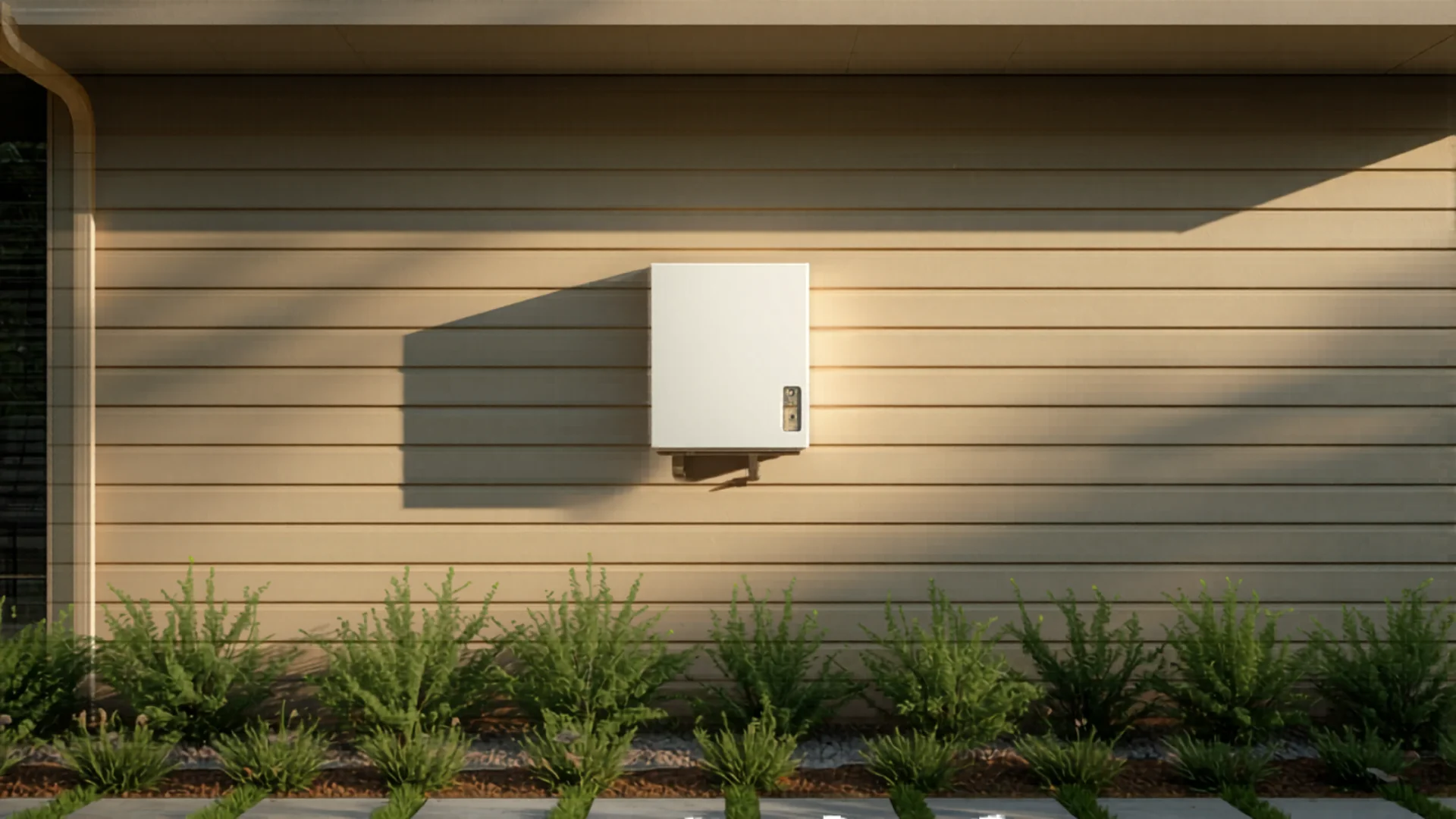
A heat pump hot water system works like a reverse air conditioner. Instead of cooling air by removing heat, it extracts heat from the surrounding air and uses it to warm water. Even when the air temperature is cool, there's still thermal energy available, and modern heat pump units work effectively down to -10°C, which covers every inhabited part of Australia.
The basic process is straightforward:
- A fan draws ambient air across an evaporator coil containing refrigerant.
- The refrigerant absorbs heat from the air and turns into a gas.
- A compressor pressurises the gas, dramatically increasing its temperature.
- The hot gas passes through a condenser coil wrapped around (or inside) the water tank, transferring its heat to the water.
- The refrigerant cools back to a liquid and the cycle repeats.
Because the system is moving existing heat rather than generating it from scratch, it uses 60 to 70% less electricity than a traditional electric element heater. A conventional 250L electric storage system uses around 4,000 kWh per year. A heat pump of the same size uses around 1,000 to 1,500 kWh. At current electricity rates (roughly $0.30/kWh), that's the difference between $1,200/year and $350/year.
Heat pumps run on electricity, so no gas connection is needed. This makes them ideal for new builds that are going all-electric, and for existing homes looking to disconnect from gas. They plug into a standard electrical circuit, though some larger models may need a dedicated circuit installed by an electrician.
The unit sits outdoors, similar to an air conditioning compressor. It includes an integrated storage tank (typically 250L or 315L), so there's no separate indoor component. Most models are about the same size as a traditional storage hot water system, roughly 600mm wide × 600mm deep × 1,800mm tall.
Heat Pump Hot Water System Cost: How Much in 2026?
The total cost of a heat pump hot water system depends on the unit you choose, the complexity of installation, and which rebates you're eligible for. Here's a realistic breakdown for Australian homeowners in 2026:
| Component | Cost Range |
|---|
| Heat pump unit (supply only) | $1,800 to $3,500 |
| Installation (plumber + electrician) | $500 to $1,200 |
| Total before rebates | $2,500 to $5,000 |
| Federal STCs (deducted at point of sale) | -$800 to -$1,200 |
| State rebate (varies) | -$0 to -$1,000 |
| Effective cost after rebates | $1,000 to $3,000 |
The price variation depends mainly on the brand and capacity. A mid-range Rheem Ambiheat 270L costs around $2,899 fully installed before rebates. A premium Sanden Eco Plus 315L runs closer to $4,499 installed. Budget options from Chromagen or generic brands can come in under $2,500.
Installation costs vary depending on whether you're replacing an existing system in the same location (simpler, at $500 to $800) or running new plumbing and electrical connections to a different location ($800 to $1,200). If your old system was gas, you'll also need a plumber to cap off the gas line.
Running costs compared
| System Type | Annual Running Cost | Annual CO₂ (approx.) |
|---|
| Electric storage (old style) | $800 to $1,000 | 4,000 kg |
| Gas storage | $500 to $700 | 2,500 kg |
| Gas instantaneous | $400 to $600 | 1,800 kg |
| Heat pump | $200 to $350 | 800 kg |
| Solar with electric boost | $150 to $300 | 600 kg |
The payback period for switching from electric storage to a heat pump is typically 2 to 4 years. After that, you're saving $400 to $600 every year for the remaining 10+ year lifespan of the unit. Over its lifetime, a heat pump can save $6,000 to $10,000 compared to a traditional electric system.

Government Rebates for Heat Pump Hot Water
One of the best things about heat pump hot water systems in Australia right now is the generous rebate landscape. Between federal and state programs, you can often recover 30 to 50% of the total cost.
Federal: Small-scale Technology Certificates (STCs)
Heat pumps are classified as "solar water heaters" under the federal Renewable Energy Target because they use ambient heat rather than fossil fuels. This means they generate Small-scale Technology Certificates (STCs), which are tradeable certificates that represent the environmental benefit of the system.
In practice, most installers handle the STC paperwork and deduct the value from your purchase price at the point of sale. You don't need to apply separately. The value of STCs varies by your postcode zone and the efficiency of the unit, but typically ranges from $800 to $1,200 in 2026. The number of STCs generated decreases each year as the scheme is phased down, so the incentive is slightly better the sooner you buy.
State rebates
Victoria: The Victorian Energy Upgrades (VEU) program offers approximately $1,000 toward heat pump hot water systems. This is in addition to federal STCs, meaning Victorian homeowners can stack both rebates. Some installers advertise "heat pump from $33/month" deals that factor in both rebates.
New South Wales: The Energy Savings Scheme (ESS) provides certificates similar to STCs at the state level. The value varies but is typically $300 to $600 for a heat pump installation. Again, most installers deduct this at point of sale.
Queensland: Check the Queensland Government's energy rebates page at energy.qld.gov.au for current offers. Programs change frequently, but there have been rebates of up to $1,000 for hot water system upgrades in recent years.
South Australia: The Retailer Energy Productivity Scheme (REPS) offers rebates for efficient hot water systems. Contact your electricity retailer for current offers. Some SA retailers offer heat pump packages with significant discounts.
Western Australia, Tasmania, ACT, NT: Federal STCs apply everywhere. State-specific rebates in these jurisdictions are less common but do appear periodically. Check your state energy website or ask your installer about current offers.
The key takeaway: always ask your installer what rebates they can apply before you agree to a price. A good installer will handle all the paperwork and deduct every available rebate from your invoice. If they can't tell you the rebate amounts upfront, consider a different installer.
Best Heat Pump Hot Water Systems in Australia
The Australian heat pump market has matured significantly in the past few years. Here are the brands and models worth considering, ranked by our assessment of value, reliability, and availability:
Rheem Ambiheat (Best value: most popular in Australia)
Rheem is Australia's most recognisable hot water brand, and the Ambiheat is their heat pump offering. Available in 270L and 315L sizes. It's not the most efficient or the quietest, but it's the most widely available and every plumber in Australia knows how to install and service it. Warranty: 5 years compressor, 10 years tank. Price: around $2,899 installed before rebates.
iStore (Great mid-range with smart features)
The iStore has gained a strong following in Australia for its combination of efficiency, quiet operation, and app connectivity. You can monitor energy usage and water temperature from your phone. Works down to -10°C. Available in 270L. Warranty: 5 years compressor, 5 years tank. Price: around $3,299 installed before rebates. The 37dB noise rating is among the lowest in the market, which is important if the unit sits near bedrooms or a neighbour's fence.
Sanden Eco Plus (Premium: most efficient)
The Sanden is Japanese-engineered and widely regarded as the most efficient heat pump available in Australia. It uses R744 (CO₂) refrigerant instead of synthetic refrigerants, which is better for the environment and more efficient in cold weather. The split design (separate compressor and tank) gives more installation flexibility. Available in 315L. Warranty: 5 years compressor, 15 years tank. Price: around $4,499 installed before rebates. The higher upfront cost is offset by the highest COP (coefficient of performance) in the market and an expected lifespan of 15+ years.
Reclaim Energy (Australian-made, quietest)
Designed and manufactured in Australia. The standout feature is noise. Reclaim units are among the quietest heat pumps available, making them ideal for compact blocks where the unit sits close to living areas or boundaries. Available in 270L and 315L. Price: around $3,800 to $4,200 installed.
Chromagen Midea (Budget option)
If budget is the primary concern, the Chromagen Midea range offers heat pump technology at the lowest price point. Available in 170L and 280L. Price: around $2,200 to $2,800 installed. Warranty is shorter (2 years compressor) and efficiency is lower than premium brands, but it's still dramatically cheaper to run than a traditional electric system.
What to compare when choosing
- COP rating (coefficient of performance): Higher is better. A COP of 3.0 means the unit produces 3kW of heat for every 1kW of electricity consumed. Premium units achieve COP 4.0 to 5.0. Budget units are typically 2.5 to 3.5.
- Noise level: Measured in decibels (dB) at 1 metre. Under 40dB is quiet. 40 to 50dB is moderate (like a fridge). Over 50dB is noticeable. Check your local council's noise regulations, as some councils have specific rules about noise from heat pumps near property boundaries.
- Warranty: Look at both compressor and tank warranty separately. Tank warranties of 10+ years are standard on mid-range and premium models.
- Capacity: 250L suits 1 to 3 people. 270L suits 2 to 4 people. 315L suits 4 to 5 people. If in doubt, go one size up, since a larger tank costs marginally more upfront but ensures you never run out of hot water.
Heat Pump vs Solar Hot Water: Which Is Better?
This is one of the most common questions for new homeowners choosing a hot water system. Both are excellent choices compared to electric or gas storage, but they suit different situations.
| Factor | Heat Pump | Solar Hot Water |
|---|
| Upfront cost (installed) | $2,500 to $5,000 | $3,500 to $7,000 |
| Annual running cost | $200 to $350 | $150 to $300 |
| Works in cloudy weather? | Yes: extracts heat from air | Reduced: needs electric/gas boost |
| Works at night? | Yes | No: uses stored heat or boost |
| Roof panels needed? | No | Yes: 2 to 4 panels, north-facing |
| Noise | 35 to 50dB (like a fridge) | Silent |
| Installation complexity | Ground level, straightforward | Roof work + plumbing |
| Lifespan | 10 to 15 years | 15 to 20 years (panels last longer) |
| Best for | Most homes, especially rentals and units | Homes with good north-facing roof |
Winner for most new homeowners: heat pump. The lower upfront cost, simpler installation (no roof work), and ability to work regardless of weather or time of day make heat pumps the more practical choice for the majority of Australian homes. Solar hot water has a slight edge on running costs and is completely silent, but the higher installation cost and reliance on roof space and orientation make it less versatile.
If you have a large, unshaded, north-facing roof and plan to stay in the home for 15+ years, solar hot water can be the better long-term investment. For everyone else, especially first home buyers who may move within 5 to 10 years, a heat pump delivers the best return on investment.
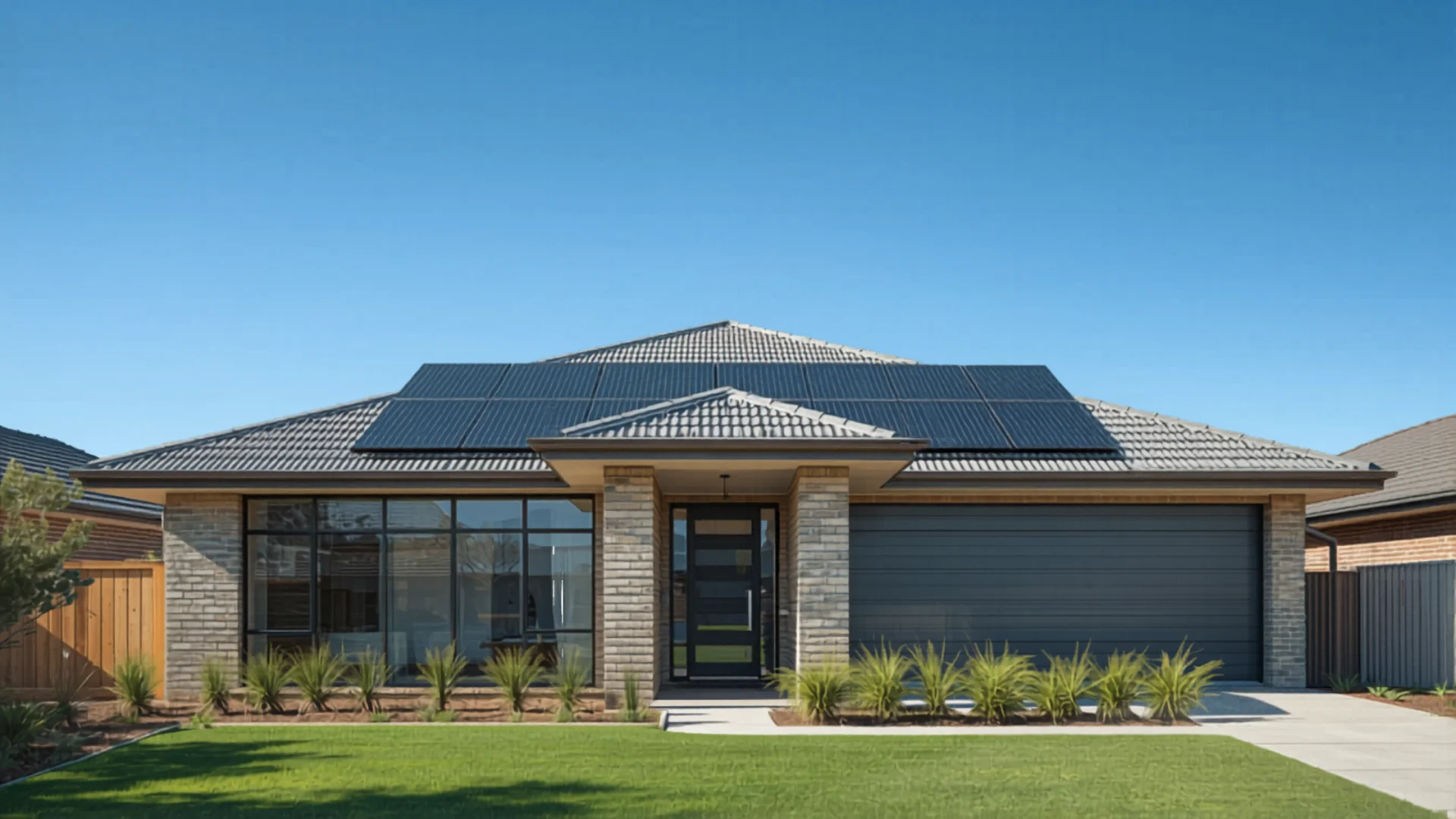
One more consideration: if you already have or plan to install rooftop solar panels (PV), pairing them with a heat pump makes excellent sense. You can run the heat pump during the day when your solar panels are generating free electricity, effectively heating your water for zero cost. Many heat pump models include timers for exactly this purpose.
Hot Water System Replacement: When to Upgrade
If your home came with an existing hot water system (which is common for established homes), here are the signs it's time to replace:
- Age: Electric storage systems last 8 to 12 years. Gas storage lasts 10 to 15 years. If yours is approaching or past these ages, it's living on borrowed time.
- Rusty or discoloured water: Brown or rusty hot water indicates the tank's sacrificial anode has corroded through and the tank itself is beginning to rust. Once this starts, failure is typically 6 to 12 months away.
- Leaking: Any water pooling around the base of the tank means the tank has corroded through. This is not repairable. Replacement is the only option.
- Inconsistent temperature: If the water temperature fluctuates or you're running out of hot water faster than you used to, the heating element or thermostat may be failing.
- Rising energy bills: An old, inefficient system works harder to heat the same amount of water. If your electricity or gas bill has crept up without an obvious explanation, the hot water system may be the culprit.
Don't wait for it to die. This is the single most important piece of advice. When a hot water system fails unexpectedly (usually on a cold Monday morning), you're stuck with whatever your plumber can source and install that day. That usually means another cheap electric storage unit, because they're always in stock.
A planned replacement gives you time to research brands, get multiple quotes, claim all available rebates, and choose the most efficient system for your home. An emergency replacement means you're cold, stressed, and paying top dollar for whatever's available. The difference in long-term cost between a rushed replacement and a planned one can be thousands of dollars.
If your current system is gas and you're considering going all-electric (which makes sense for new homeowners thinking about future energy costs), switching to a heat pump is the single biggest step you can take. It eliminates your gas supply charge ($200 to $400/year just to be connected) and replaces your most gas-hungry appliance with one of the most efficient electric alternatives available.
Heat Pump Installation: What to Know
Installing a heat pump hot water system is a straightforward job for a qualified team, but there are practical considerations to plan for:
Space requirements
The unit sits outdoors on a concrete slab or paving, similar to an air conditioning compressor. It needs clear space around it for airflow: typically 300mm clearance on the sides and rear, and 500mm to 1,000mm at the front where the fan draws in air. Total footprint is roughly 600mm × 600mm, plus clearance.
Location considerations
Ideally, the unit should be close to your existing hot water pipes and electrical supply to minimise installation cost. If you're replacing an existing hot water system in the same location, this is usually straightforward. Avoid placing the unit directly under bedroom windows. While modern heat pumps are relatively quiet (35 to 50dB), the compressor does make noise, particularly during heavy heating cycles.
Noise
Heat pumps are not silent. They produce 35 to 50dB, depending on the model and operating conditions. For reference, 35dB is the level of a quiet library, and 50dB is a normal conversation. Most people find heat pump noise unobtrusive, but it's worth checking your local council's noise regulations, especially if the unit will sit close to a neighbour's boundary. Some councils require a minimum distance from property boundaries for mechanical equipment.
Installation timeline
A standard heat pump installation takes 4 to 6 hours, involving both a licensed plumber and an electrician. The plumber connects the water pipes and removes the old system. The electrician connects the power supply and installs any required circuit breakers. Some installers have dual-trade qualified technicians who can do both, which speeds up the process.
What you need from your installer
- Written quote including all rebates clearly itemised
- Confirmation of plumbing and electrical licenses
- Compliance certificates after installation
- Warranty documentation for both the unit and the installation work
- Advice on timer settings (especially if you have rooftop solar)
Frequently Asked Questions
How much does a heat pump hot water system cost in Australia?
A heat pump hot water system costs $2,500 to $5,000 fully installed before rebates. After federal STCs and state rebates, the effective cost drops to $1,000 to $3,000 depending on your location and the model you choose. Mid-range models like the Rheem Ambiheat 270L cost around $2,899 installed before rebates. Premium models like the Sanden Eco Plus 315L cost around $4,499 installed.
Are heat pump hot water systems worth it?
Yes. For most Australian homeowners, a heat pump is the best hot water investment available. Annual running costs are $200 to $350 compared to $800 to $1,000 for traditional electric storage. That's $400 to $600 saved every year. With government rebates covering 30 to 50% of the purchase price, most heat pumps pay for themselves in 2 to 4 years through energy savings alone. Over a 10 to 15 year lifespan, total savings of $6,000 to $10,000 are realistic.
Do heat pump hot water systems work in cold climates?
Yes. Modern heat pump hot water systems are designed to operate in ambient temperatures as low as -10°C. Even in cold climates like Canberra, Hobart, or the Victorian highlands, heat pumps work effectively year-round. In very cold weather (below 5°C), efficiency decreases slightly (the unit uses more electricity to extract heat from colder air), but it still uses significantly less energy than a traditional electric system. Some premium models like the Sanden use CO₂ refrigerant, which actually performs better in cold conditions than standard refrigerants.
How long does a heat pump hot water system last?
A quality heat pump hot water system lasts 10 to 15 years with proper maintenance. That's a similar lifespan to a quality split system air conditioner and longer than most kitchen appliances. A heat pump is a buy-once decision for the decade. The tank typically lasts 10 to 15 years (check the tank warranty: premium brands offer 10 to 15 year tank warranties). The compressor typically lasts 10 to 12 years (5-year warranty is standard, with premium brands offering longer). Regular maintenance is minimal: an annual check of the sacrificial anode (if applicable), and keeping the air intake and evaporator coil clear of debris and dust.
Can I get a rebate for a heat pump hot water system?
Yes. All Australian homeowners are eligible for federal Small-scale Technology Certificates (STCs), worth $800 to $1,200. These are usually deducted from the purchase price by your installer, so you don't need to apply separately. On top of this, many states offer additional rebates: Victoria offers approximately $1,000 through the Victorian Energy Upgrades program, NSW offers $300 to $600 through the Energy Savings Scheme, and Queensland has periodic rebate programs. Combined federal and state rebates can cover 30 to 50% of the total installation cost.