Moving is stressful for humans. For pets, it's even worse. Your dog doesn't understand why everything they know has been packed into boxes. Your cat is hiding behind the washing machine in a house that smells wrong. And you're trying to unpack while simultaneously preventing your Labrador from eating the bubble wrap and your cat from escaping through the door every time it opens.
We moved with two cats and a dog. It was chaos. But with the right preparation and products, your new home can work brilliantly for everyone, two-legged and four-legged alike. Pet-proofing sits alongside the wider new home checklist and moving checklist for the settlement-week and first-month admin layer. Here's what we learned.
Moving Day With Pets: Survival Guide
Dogs
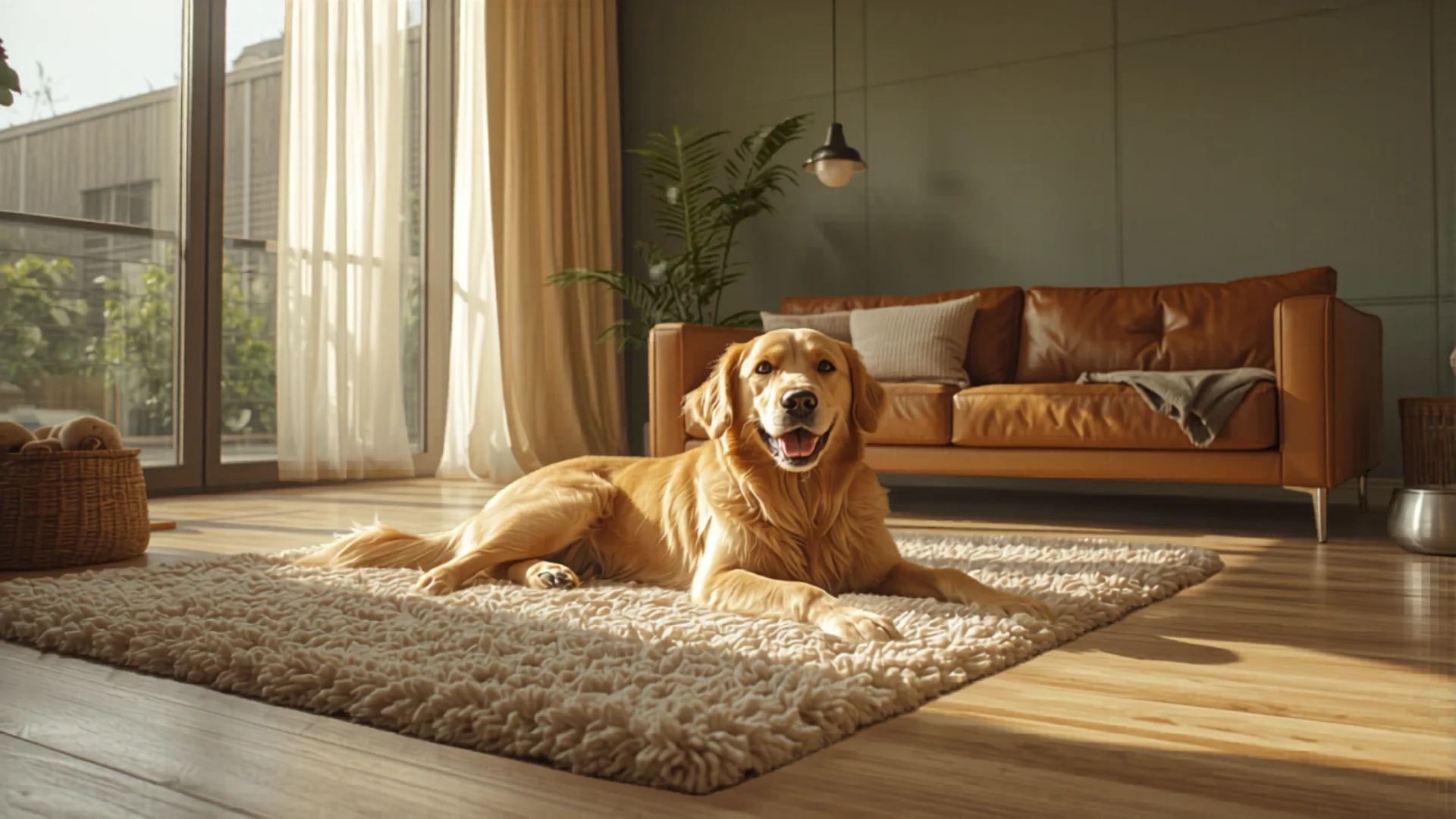
- Keep them out of the way: On moving day, dogs are tripping hazards for removalists carrying heavy furniture. Leave your dog with a friend, family member, or doggy daycare for the day. If that's not possible, set up a "dog zone" in one room with their bed, water, toys, and a baby gate to keep them contained.
- Familiar items first: When you arrive at the new house, set up their bed, food bowl, and water bowl in their designated spot before anything else. Familiar smells help them feel safe in a strange new environment.
- Walk the neighbourhood immediately: Take your dog for a long walk around the new neighbourhood on day one. Let them sniff everything. This establishes the new territory and burns off the anxiety energy from a chaotic day.
- Stick to routine: Feed at the same times, walk at the same times, sleep in the same arrangement. Dogs are routine creatures. Maintaining normalcy in a new environment helps them settle faster.
Cats
- The two-week rule: Keep cats indoors for at least 2-3 weeks after moving. This is essential. Cats navigate by territory, and if let outside immediately, they may try to return to their old home, even if it's kilometres away. After 2-3 weeks, they've accepted the new house as "home" and can be gradually introduced to the outdoors (if you allow outdoor access). A cat enclosure is the middle ground if you want them outside without letting them roam.
- One room first: Set up one room as your cat's "base" with their litter tray, food, water, bed, and a hiding spot (a cardboard box with a blanket works). Let them settle in this room for 2-3 days before opening up the rest of the house. Cats feel overwhelmed by large new spaces. A small room gives them a safe base.
- Feliway diffuser: Plug a Feliway Classic diffuser ($30-$40) into the room where your cat will spend the most time. It releases synthetic pheromones that reduce stress and anxiety. Sounds gimmicky but it genuinely works. Vets recommend it. A broader home security camera setup is also useful here. Most modern systems include two-way audio so you can check on indoor cats while you're at work and talk to your pet remotely. Check price on Amazon AU →
Dog Essentials for Your New Home
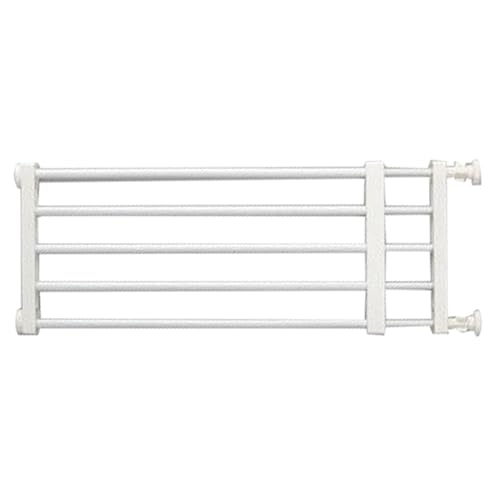
Pet Gate: $30-$80
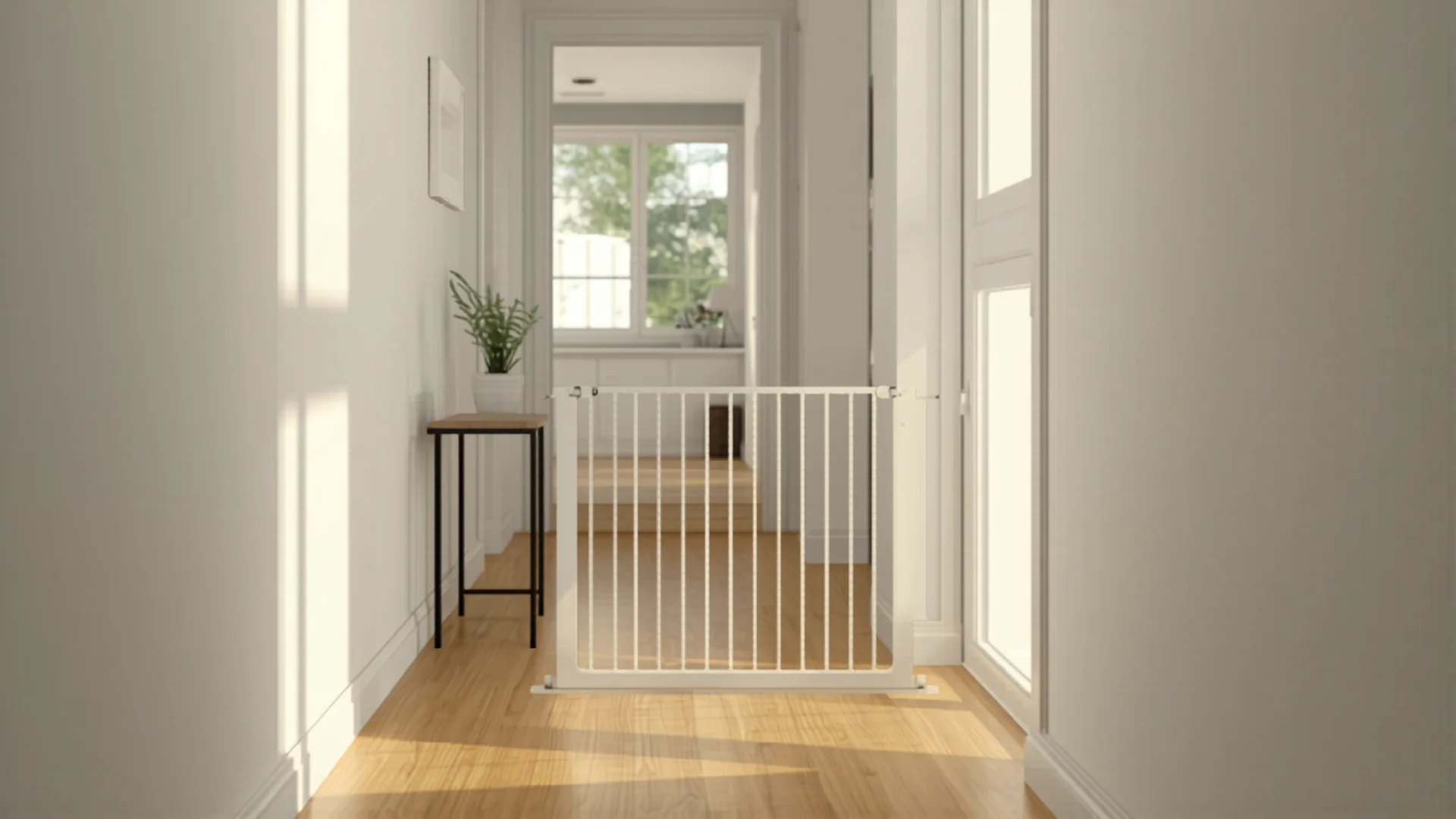
A pet gate blocks access to rooms or stairs. Use it to keep dogs out of the kitchen during cooking (hot oil + excited dog = vet visit), away from stairs until they're used to the layout, or out of bedrooms. Pressure-mounted gates install without screws (won't damage your walls) and are easy to move. Browse pet gates on Amazon AU →
Dog Bed: $40-$120
Give your dog a dedicated bed in a consistent spot from day one. This becomes their "place", their safe zone in the new home. A bolstered bed suits dogs who curl up; a flat mat suits dogs who sprawl, and our dog bed guide matches each type to a size and a budget. Waterproof or washable covers are essential for Australian conditions (muddy paws after rain). Browse dog beds →
Raised Food Bowls: $20-$40 (for medium/large dogs)
Raised bowls reduce neck strain for medium and large dogs. The bowl should be at chest height, roughly 15-25cm off the ground for medium dogs, 25-40cm for large breeds. Stainless steel bowls are the most hygienic and durable. Browse raised dog bowls →
Lead Hooks and Poo Bag Station: $10-$20
Install a row of hooks by the front door for leads, harnesses, and your dog-walking bag. A small container or bag dispenser ($8-$12) mounted nearby means you never leave for a walk without bags. Browse lead hooks →
Cat Essentials for Your New Home
Scratching Post: $25-$80 (Save Your New Couch)
Cats need to scratch. It's a biological necessity for claw maintenance and territory marking. If you don't provide a scratching post, they'll use your couch, your curtains, or your carpet. A tall sisal-covered scratching post ($40-$80) placed near their favourite lounging spot redirects this behaviour away from your furniture. Cat trees with built-in scratching surfaces ($60-$150) serve double duty. Browse scratching posts →
Litter Tray Placement
The golden rules for litter tray placement in a new home:
- One tray per cat plus one extra: Two cats = three trays. This reduces territorial conflicts.
- Quiet, accessible location: Laundry or bathroom are the most common spots. Avoid high-traffic areas and locations near food bowls.
- Not next to the washing machine: The spin cycle scares some cats and creates a negative association with the tray.
- Enclosed vs open: Enclosed trays ($30-$60) contain odour and mess better. Some cats prefer open trays ($10-$20). If your cat refuses the tray, try switching types.
Browse cat litter trays →
Cat Tree Near a Window: $60-$150
Cats love watching the world from a high vantage point. A cat tree placed near a window gives them entertainment (birds, lizards, neighbourhood cats), a place to climb, scratching surfaces, and a bed to sleep in. This is especially important if your cat will be indoors-only. It provides stimulation that prevents boredom and destructive behaviour. Browse cat trees →
Protecting Your New Home From Pets
- Scratch-resistant mats under food bowls: Silicone mats ($10-$15) protect floors from spills and sliding bowls. Browse pet food mats →
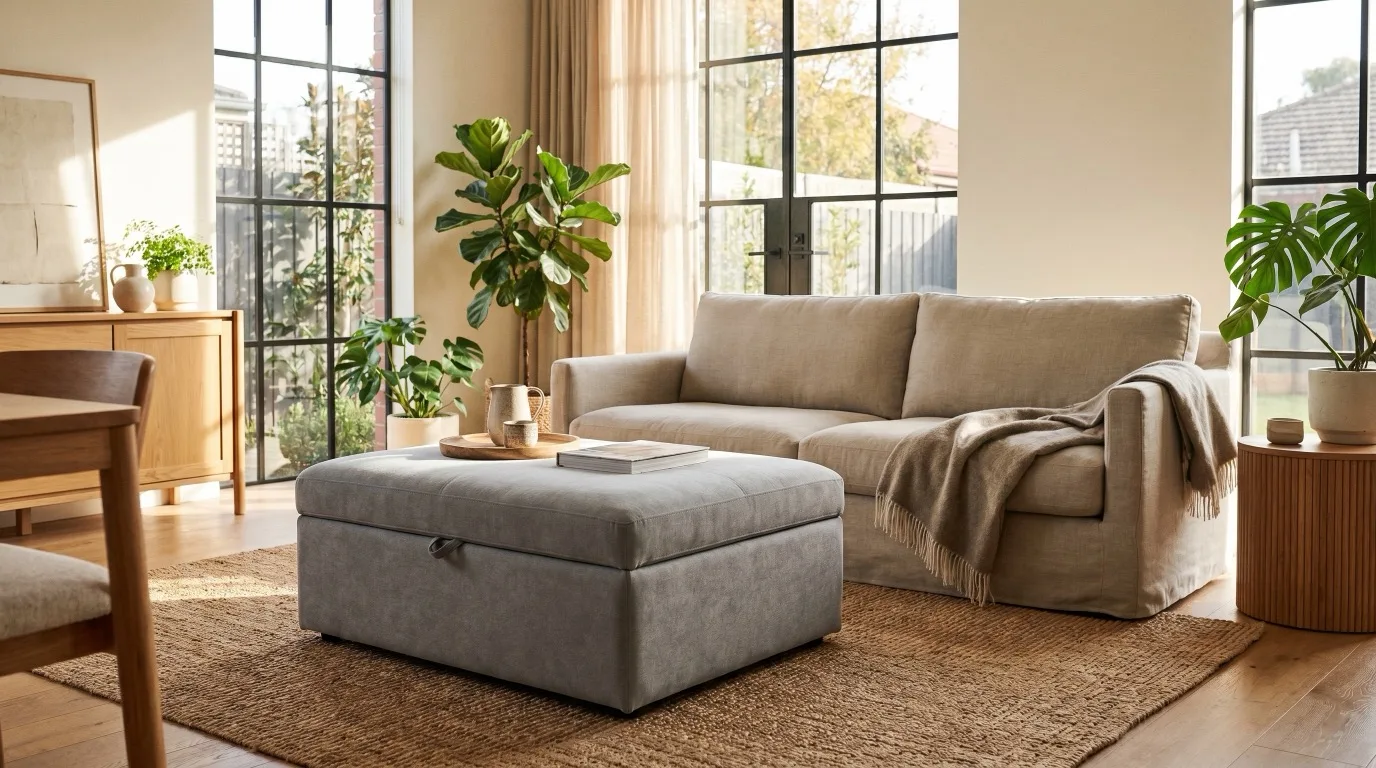
- Sofa covers: If your pet is allowed on the couch (let's be honest, they will be), a washable sofa cover ($30-$60) protects your upholstery from fur, claws, and muddy paws. Browse sofa covers →
- Carpet protectors for stairs: Clear plastic carpet protectors ($20-$30 per runner) on stair carpets prevent claw damage and trap fur for easy vacuuming. Browse carpet protectors →
Cleaning for Pet Owners
- Robot vacuum: Pet hair is the #1 reason people buy robot vacuums. Running one daily handles the constant shedding so you only need to deep clean weekly. See our robot vacuum guide. Pet hair performance is a key criteria in our reviews.
- Enzymatic cleaner: For pet accidents (they will happen in a new home; stress affects toileting). Enzymatic cleaners break down urine proteins so the smell is truly eliminated, not just masked. If the scent remains, pets will return to the same spot. $10-$15 per bottle. Browse enzymatic cleaners →
- Lint rollers: Keep one by the front door for a quick fur-removal pass before leaving the house. Nothing says "I have a pet" like a black work shirt covered in white cat hair. $5-$8 per roller. Browse lint rollers →
Garden Safety for Pets
Your garden is a wonderland for pets, and also full of hazards they'll find within the first hour. Before letting your pet explore unsupervised:
- Check for toxic plants: Common Australian garden plants that are toxic to pets include lilies (all parts are lethal to cats), sago palm (toxic to dogs), oleander, azaleas, and daffodils. If you're unsure, take photos of your garden plants and check with your vet.
- Secure fencing: Walk the entire perimeter and check for gaps, holes, or sections where a dog could dig under. Cats are harder. Most domestic fences can't contain a determined cat. Consider cat netting ($100-$300) if you want an enclosed outdoor area.
- Shade and water station: Provide permanent shade and a fresh water bowl in the backyard. Australian summers are lethal for pets left in direct sun without water. Browse outdoor pet water stations →
- Remove snail bait: If the previous owners used snail bait, search the garden thoroughly. Most snail baits contain metaldehyde, which is lethal to dogs even in small amounts.
- Check for pools and ponds: If there's a pool, ensure the fence and gate are compliant with Australian pool fencing regulations. Even small water features can be a drowning risk for small dogs and cats.
- Secure garden sheds: Lock sheds containing fertilisers, pesticides, paint, and tools. Curious dogs will investigate open sheds and ingest toxic substances.
Pet Insurance: Don't Wait
Get pet insurance within the first 30 days of moving in. Most policies have waiting periods of 30 days for illness and 48 hours for accidents. Starting early means your pet is covered before the stress of moving potentially triggers health issues. A basic policy costs $30-$60/month and can save you thousands if your pet has an accident or illness. Pre-existing conditions are almost never covered, so insure while they're healthy.
Budget Breakdown: Pet-Proofing a New Home
- Dog essentials: Pet gate ($30-$80), dog bed ($40-$120), raised bowls ($20-$40), lead hooks ($10-$20) = $100-$260
- Cat essentials: Scratching post ($25-$80), litter tray ($10-$60), cat tree ($60-$150), Feliway diffuser ($30-$40) = $125-$330
- Home protection: Food mat ($10-$15), sofa cover ($30-$60), enzymatic cleaner ($10-$15), lint rollers ($5-$8) = $55-$98
- Total for dog owner: $155-$358
- Total for cat owner: $180-$428
Finding a Vet in Your New Area
Before an emergency happens, register with a local vet. Don't wait until your dog eats something toxic or your cat gets into a fight at 10pm on a Sunday. Research vets in your new suburb now. Read Google reviews, check opening hours, and confirm they offer after-hours emergency services or have an arrangement with a nearby emergency vet hospital. Save the vet's phone number in your phone contacts. Also locate your nearest 24-hour emergency animal hospital. The closest one may be 20-30 minutes away, and knowing the route in advance could save your pet's life.
Frequently Asked Questions
How do I pet-proof a new home?
Start with safety: install pet gates to block stairs and restricted rooms, check the garden for toxic plants and fence gaps, remove or secure items pets can chew (electrical cords, shoes, small objects). Then set up comfort: designated bed/sleeping area, food and water stations with splash mats, scratching posts for cats, and a litter tray in a quiet location. Finally, protect your home: sofa covers if pets are allowed on furniture, carpet protectors on stairs, and a robot vacuum for daily fur management. Budget $100-$300 for basic pet-proofing products, and budget separately for pet insurance, which covers the four-figure emergency-vet bills that pet-proofing can't prevent.
How long should I keep my cat inside after moving?
A minimum of 2-3 weeks, though many vets recommend 4-6 weeks for anxious cats. This gives your cat time to accept the new house as "home" and reduces the risk of them trying to return to the old address. During this period, keep all windows and doors securely closed (cats can squeeze through surprisingly small gaps), provide enrichment (cat tree near a window, interactive toys, scratching posts), and use a Feliway diffuser to reduce stress. When you first let them outside, do it just before feeding time. Their hunger motivation brings them back. Supervise the first few outdoor sessions.
What cleaning products are best for pet owners?
Three essentials: (1) An enzymatic cleaner ($10-$15) for pet accidents. It breaks down urine proteins so the smell is truly eliminated, preventing repeat offences. (2) A robot vacuum that handles pet hair daily. See our robot vacuum guide for picks with tangle-free brush rolls and strong suction. Pet households also benefit from a quality stick vacuum for stairs and upholstery between robot runs, plus the full cleaning products checklist for pet-safe enzyme cleaners and floor solutions. (3) Lint rollers ($5-$8) for fur removal from clothes and furniture. For general cleaning around pets, choose unscented or pet-safe products. Strong chemical cleaners can irritate pet paws (they walk on freshly cleaned floors) and noses. Earth Choice and Ecover are both pet-safe brands.
Found this helpful?
Check out more guides for new homeowners.