
It's the question every owner of a tired house on a good block eventually faces: do you renovate what you've got, or knock it down and start again? It's not a niche dilemma. According to the Australian Bureau of Statistics, knockdown rebuilds made up 19.2% of all dwelling approvals between 2019 and 2025. Nearly one in five new homes in this country is built where an old one stood. Here's the honest framework for deciding which path is right for you, what each costs in 2026, and when a rebuild genuinely beats a renovation. A full knockdown and rebuild commonly costs $400,000 to $900,000, while a whole-house renovation runs about $250,000 to $450,000 or more, so the two can land closer together than people expect.
The 50% rule (start here)
There's a simple test the building industry uses, and it cuts through most of the agonising: if a renovation would cost more than about 50 to 60% of a full rebuild, or you'd be tearing out and replacing more than half the house anyway, the economics tip toward a knockdown rebuild. Below that, renovating usually wins. Above it, you're paying renovation prices for a compromised result when a brand-new home was within reach.
It holds because renovating an old house carries hidden-cost risk that a new build doesn't. Once you're into the structure (old wiring, failing footings, asbestos, a roof that needs replacing), a renovation can quietly climb to rebuild money while still leaving you with someone else's floor plan. If you're not sure what shape the structure is really in, our free find a building inspector service can match you with an inspector before you pick a path.
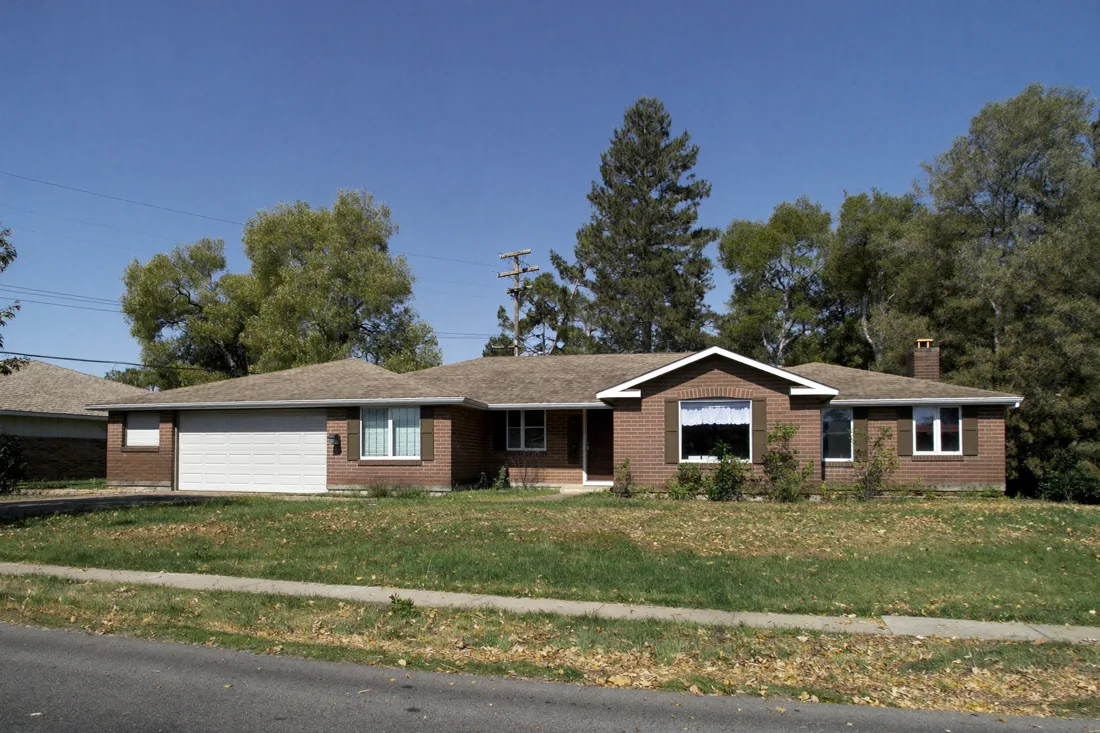
When to renovate vs when to rebuild
| Factor | Lean renovate | Lean knockdown rebuild |
|---|---|---|
| Structural condition | Good bones, sound slab, frame, roof | Failing footings, frame or roof |
| Scope of change | Cosmetic to moderate (under about 50%) | Major or structural (over 50 to 60%) |
| Reno cost vs rebuild cost | Under 50% of a rebuild | Over 50 to 60% of a rebuild |
| Heritage overlay | Present, may force a renovation | None |
| Land vs house value | The house still holds value | Land is most of the value |
| Living arrangements | You want or need to stay put | You can move out for 10 to 24 months |
| Character / mature gardens | Worth preserving | Not a deciding factor |
| Cost certainty | You'll accept renovation surprises | You want a fixed-price contract |
One overriding warning: check for a heritage overlay before you fall in love with the rebuild idea. A home in a heritage conservation area, or a draft one, generally can't be fully demolished, which takes the knockdown option off the table entirely. Check the title and your council's planning overlays first.
What it costs in 2026
Demolition
Demolishing a typical house runs roughly $15,000 to $40,000, with a national average near $17,000. A single-storey home sits at the lower end ($10,000 to $25,000); a large or two-storey home can reach $25,000 to $80,000, since two-storey demolition costs 40 to 60% more. Then come the add-ons:
- Asbestos removal: $3,000 to $15,000+ (homes built between roughly 1920 and 1990 are high-risk; testing alone is a few hundred dollars).
- Service disconnections: from around $500 per utility; budget several thousand all-in to disconnect power, gas, water and sewer.
- Demolition permit: $500 to $3,500 depending on the approval pathway.
The rebuild
Building the new home is the main cost. Project homes run roughly $1,600 to $2,700 per square metre and custom builds $2,700 to $3,900+, so a total knockdown rebuild commonly lands between $400,000 and $900,000, stretching past $1.5 million for premium custom work. The mechanics are the same as a standard new home build. Design and approvals typically add another 12 to 18% on top of construction.
There's a striking signal in the ABS data here: the average approval value for a detached house built in a knockdown rebuild is over $729,000, versus $355,000 for other detached houses. People build bigger and better on a rebuild because the land already justifies it.
Knockdown rebuild vs a major renovation
A full whole-house renovation of a three- or four-bedroom home typically costs $250,000 to $450,000+ ($1,500 to $3,500 per square metre, more for structural work). So a mid-range renovation and an entry-level rebuild can land surprisingly close, which is exactly why the 50% rule matters. The reno looks cheaper until hidden problems in an old home add $30,000 to $100,000, at which point the rebuild's cost certainty (a fixed-price contract on a known design) starts to look like the safer bet. Whichever way you lean, our mortgage repayment calculator shows what the extra borrowing would mean in weekly, fortnightly or monthly repayments.
The process and timeline
A knockdown rebuild is a 10 to 17 month project at best, and 12 to 24 months is common end to end. The sequence runs: site assessment and feasibility, custom design, documentation and approvals, demolition (2 to 4 weeks), then the build itself through the usual stages: slab, frame, lock-up, fit-out and finishing. The ABS puts the average gap between a demolition approval and the building approval at about 5.6 months on its own.
Approval comes via either a fast-track Complying Development Certificate (around 10 to 15 business days if your plans tick every box) or a full Development Application through council (three to six months). Which one applies, and whether you can demolish at all, depends heavily on your state, council and any overlays, so confirm locally before you budget. If your block is currently vacant or you're weighing a fresh site, our guide to buying land covers the parallel considerations.
How you pay for it
A knockdown rebuild is funded with a construction loan: money released in stages as the build hits milestones, with interest charged only on what's drawn. This is the same machinery behind any construction loan. The lender values the home on an "as if complete" basis, so you're borrowing against the finished product. Two things to budget for that catch people out: the lender usually holds back the final 10% until the occupation certificate issues, and you can't live there during the build. Temporary accommodation for 6 to 12 months realistically runs $20,000 to $45,000 on top of everything else. Before you get deep into design, our borrowing power calculator gives you an estimate of the maximum you could borrow for the project.
Is it worth it?
A knockdown rebuild pays off most clearly when you knock down a tired house on good land in a strong suburb. In premium areas the land can be 70 to 85% of the total property value, which means the old house is effectively a teardown discount: you're buying location and replacing the least valuable part. A new, energy-efficient home built to current standards then captures the full worth of the land.
The risk on both paths is over-capitalising, spending past what the suburb's prices can support. If a renovation can't lift the home to the local ceiling, the money goes in without a matching return; and a lavish rebuild in a modest street won't get it back either. One reassurance for owner-occupiers: rebuilding the home you live in doesn't disturb your main-residence capital gains tax exemption: a home you live in stays CGT-free whether you renovate it or rebuild it.
Frequently asked questions
Is it cheaper to renovate or knock down and rebuild?
For a structurally sound home needing cosmetic-to-moderate work, renovating is cheaper. But once a renovation would cost more than about 50 to 60% of a full rebuild, or you'd be replacing more than half the house, a knockdown rebuild usually becomes the better value, because you get a brand-new home with cost certainty instead of paying rebuild money for a compromised result. A full whole-house renovation ($250,000 to $450,000+) and an entry-level rebuild ($400,000+) can land surprisingly close.
How much does a knockdown rebuild cost in Australia in 2026?
A total knockdown rebuild commonly costs between $400,000 and $900,000, and more than $1.5 million for premium custom homes. That breaks down into demolition (around $15,000 to $40,000, plus asbestos removal and service disconnections), the new build itself ($1,600 to $2,700 per square metre for a project home, $2,700 to $3,900+ for custom), design and approvals (another 12 to 18%), and temporary accommodation while you build ($20,000 to $45,000).
What's the 50% rule for knockdown rebuild vs renovation?
It's the industry rule of thumb that if a renovation would cost more than about 50 to 60% of what a full rebuild would cost, or you'd end up demolishing and replacing more than half the existing structure, you're usually better off knocking down and rebuilding. Below that threshold, renovating typically wins on cost. It exists because renovating an old home carries hidden-cost risk that can push the budget up to rebuild levels anyway.
How much does it cost to demolish a house?
Demolishing a typical Australian house costs roughly $15,000 to $40,000, with a national average near $17,000. A single-storey home is cheaper ($10,000 to $25,000) and a large or two-storey home can reach $25,000 to $80,000. Add asbestos removal ($3,000 to $15,000+ for homes built between about 1920 and 1990), service disconnections (from about $500 each), and the demolition permit ($500 to $3,500).
How long does a knockdown rebuild take?
Expect 10 to 17 months at best, and 12 to 24 months end to end is common. The stages are site assessment, design, documentation and approvals, demolition (2 to 4 weeks), then construction through slab, frame, lock-up, fit-out and finishing. Approvals are a big variable: a Complying Development Certificate can take 10 to 15 business days, while a council Development Application takes three to six months.
Do I need council approval to knock down my house?
Yes, you need both a demolition approval and a building approval, via either a Complying Development Certificate (fast-tracked, if your plans meet all the criteria) or a full Development Application through council. Crucially, if your home is in a heritage conservation area or has a heritage overlay, full demolition is generally refused, which can force you down the renovation path. Check your title and council overlays before committing.
Can I live in my house during a knockdown rebuild?
No. The home is demolished, so you'll need somewhere else to live for the duration of the build, realistically 6 to 12 months once construction starts. Budget $20,000 to $45,000 for temporary accommodation on top of the build cost. That ongoing holding cost is one reason a knockdown rebuild needs more financial headroom than a renovation you can sometimes live through.
Does a knockdown rebuild add value to your property?
It can add significant value when you replace a tired house on good land in a strong suburb. In premium areas, land is often 70 to 85% of the total value, so a new home captures worth the old house was suppressing. The risk is over-capitalising: spending beyond what the suburb's prices support won't be recouped. As an owner-occupier, rebuilding your own home doesn't affect your main-residence capital gains tax exemption.


