The clever bit is the three-in-one design: one tool carries a coarse surface for thick calluses, a medium surface for further smoothing, and a fine surface for a polished finish, so you progress through grits without buying separate files. Glass files are gentler than metal rasps and far harder to over-do, which makes this a forgiving choice if you are nervous about taking off too much skin. It rinses clean under warm water, has an ergonomic grip, and there is nothing to break, charge or replace.
Reviewers from several countries describe it as effective, easy to clean and comfortable to hold, with one noting it works well alongside a foot cream to keep heels soft between deeper sessions. A glass file of this kind is a low commitment tool to keep in the shower, or a backup to an electric file, and a tidy option for travel since there is no battery to flatten.
Flaws but not dealbreakers
Being manual, it takes more elbow grease than an electric file, so very thick, long-neglected calluses will be slow going and may be better tackled first with a powered tool or a gel. Glass can chip or shatter if dropped on a hard tiled floor, so treat it with a little care. And there is no debris catcher, so you will want to file over a towel or in the shower to keep the mess contained.
What is the best electric callus remover for thick, stubborn calluses?
The Own Harmony CR900 Electric Foot Callus Remover is the pick for serious, long-standing calluses. It holds a 4.3-star average across more than 42,000 Amazon AU ratings, and its standout feature is a high-torque 2000 RPM motor paired with convex-curved rollers that the brand says give 11 percent more surface area so you never miss a spot. One Australian reviewer bought it on a podiatrist's recommendation after finding cheaper battery-powered files underwhelming, and reported their feet were thanking them after a single use.
The appeal is hands-off convenience and the cushioning, which genuinely helps if a callus or corn is painful to walk on. The salicylic-acid disc works on the hard skin while the surrounding pad relieves pressure, and the pads are thin, flexible and nearly invisible under socks. For a painful, localised callus or corn rather than broad rough heels, this is a reasonable pharmacy-style fix that needs no filing.
We have placed it as the competition rather than a headline pick because the adhesive is its weak point. The most common complaint, including from an Australian reviewer, is that the pads do not stay stuck through a full day, ending up loose in your sock and taking the medicated disc with them. The medicated discs themselves work well; it is the staying power that lets the system down. If you want broad smoothing across the whole foot, one of the files or the gel above will serve you far better.
Flaws but not dealbreakers
The pads can peel off before the treatment is complete, reducing effectiveness, so press them down firmly on clean dry skin. As a salicylic-acid treatment it targets one callus or corn at a time rather than smoothing the whole foot. And anyone with diabetes or circulation issues should speak to a doctor before using medicated acid products on their feet.
How did we choose these callus removers?
Last checked: 9 October 2026, covering the stock, seller and rating of every listing on Amazon Australia.
NestPath is an Australian first-home-buyer resource, and we research and study products rather than running a physical testing lab. For this guide that means we focused on the evidence that actually predicts whether a tool will work for you and still be working in a year.
- Amazon Australia listing data. We pulled prices, star ratings and review counts directly from Amazon AU listings when this guide was researched, so every figure here reflects the Australian storefront, not a US price converted in someone's head.
- Review depth, not just the average. A 4.7-star tool with 50 ratings is far less reliable than a 4.4-star tool with 55,000. We weighted picks toward products with large, established review bases so the average means something.
- Verified Australian reviews. We read through verified-purchase reviews written in Australia to catch local issues like charging cables that do not match local plugs, rollers that stall, and adhesive that fails in the heat.
- Coverage across every type. Electric rollers, sandpaper disc tools, glass, stone and steel manual files, softening gels and medicated pads each suit different feet, so we deliberately picked across every type rather than many versions of the same thing.
- Real, listed specs only. Every spec we quote, motor speed, battery capacity, roller count, disc grit, comes straight from the Amazon listing, never estimated or guessed.
- Named outside sources. Battery, roller and waterproof claims come from the makers' own Amazon AU listing text, our home safety advice follows the NHS guidance on corns and calluses, and our electric versus manual answers draw on a Consumer Reports panel test reported by NewsChannel 5.
What should you look for in a callus remover?
Match the tool to your feet. Here is what actually matters when you are choosing.
Electric, manual or chemical?
Electric files are fastest and easiest on the wrists, ideal if you have a lot of hard skin or limited mobility. Manual files (glass or steel) are cheaper, need no charging and give you total control, which makes them safer for nervous first-timers. Chemical gels soften the toughest calluses so they buff off with less effort, and they pair brilliantly with a file. Many people end up owning two: an electric or manual file for upkeep and a gel for the stubborn spots.
Coarseness and rollers
Look for at least a coarse and a fine option. Coarse handles thick dead skin, fine smooths and finishes. Kits with three rollers or three grits give you the most flexibility, while glass files cleverly build multiple grits into one tool.
Battery life and charging
If you choose electric, check the runtime and charge time. Anything from 45 to 90 minutes per charge is fine for a household, and a USB charging cable is standard. A battery-level display, as on our top pick, saves you being caught flat.
Rechargeable or replaceable batteries?
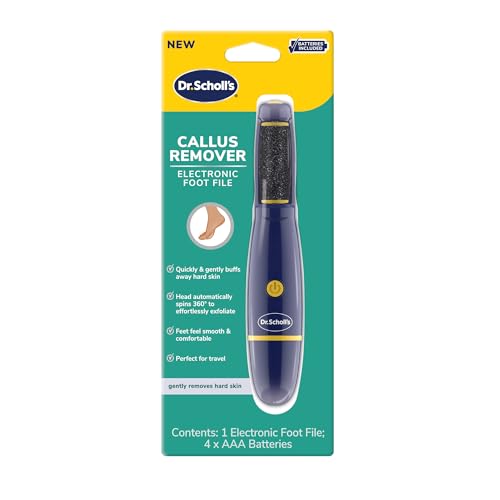
Most electric files here charge over USB: the PRITECH listing quotes about 90 minutes of continuous use per charge from a 5V 1A cable. The Dr. Scholl's Callus Remover Electronic Foot File instead runs on 4 AAA batteries, which are included, so there is no charger to match, though you will buy replacement batteries over time.
Waterproofing and hygiene
Dead skin trapped in a tool is unhygienic, so a body you can rinse or discs you can throw away both win on cleanliness. Check the rating: IPX7 means you can use it on wet feet and rinse it, while water-resistant means rinse the roller only and keep the body dry.
Safety features
Pressure-sensitive motors that slow or stop when you push too hard prevent over-filing and cuts. A safety lock stops the tool switching on in a drawer or bag. With manual rasps, the only safety feature is your own restraint, so start gently.
How do you use a callus remover?
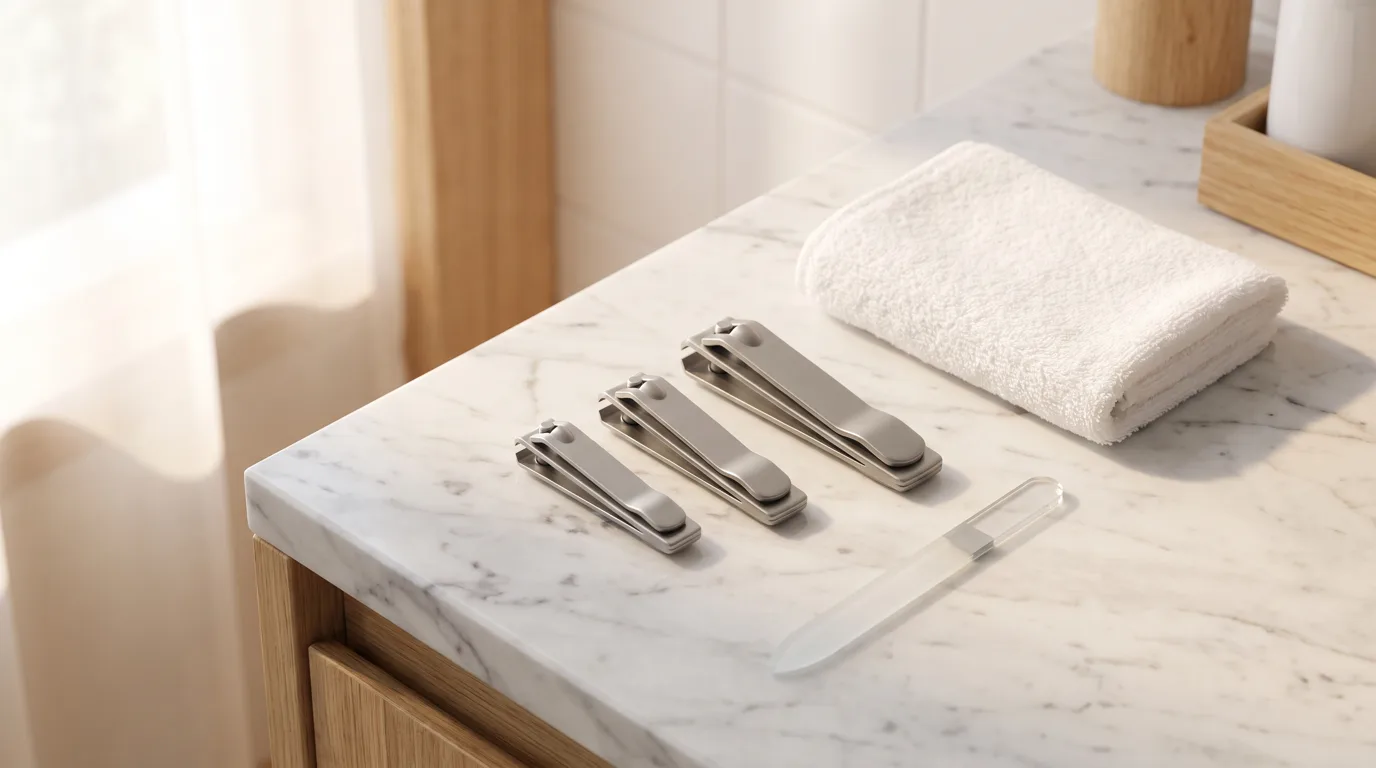
Five steps, and the order matters more than the tool. 1. Start with clean, dry feet if you are using an electric roller or a steel file, because most rollers grip dry skin better than wet. Glass files and gels are the exception and usually want damp skin, so read the packet. 2. Trim the nails first with a pair of nail clippers, so you are not filing around ragged edges. 3. File in short passes, moving across the callus rather than grinding one spot, which is what causes friction burns. 4. Stop while the skin is still firm and pale. If you can see pink, you have gone too far. 5. Finish with a rich foot cream while the skin is freshly filed, and look for one containing urea, the ingredient that pulls water into hard skin and keeps it soft between sessions. The percentage is printed on the tube, and the higher it goes the more aggressively it softens.
Frequency is the part people get wrong. Once a week is enough for most feet, and once a fortnight is plenty if your heels are already smooth. Filing daily keeps the skin raw, and raw skin rebuilds the callus thicker than it was.
How do you care for your feet and your callus remover?
A few habits make any tool work better and last longer. Always file dry skin unless the instructions say otherwise, since most electric rollers grip dry calluses best, and never use a tool on broken, bleeding or infected skin. Work in short passes and move around rather than grinding one spot, which prevents friction burns and that raw, over-filed feeling. Finish every session by applying a rich foot cream or moisturiser while the skin is freshly smoothed, which is the single biggest thing you can do to stop calluses returning. If your feet ache as much as they crack, a foot massager is the other half of the same evening.
Clean your tool after every use: rinse rollers and glass or steel files under warm water, empty and rinse any debris catcher, peel off used sandpaper discs, and let everything dry fully before storing so bacteria do not breed in trapped moisture. Replace rollers and discs when they stop biting. The same care rules apply to an electric nail file if you own one, and the two tools should never share a head. And treat the cause, not just the symptom: most calluses come from friction and poorly fitting shoes, so better-fitting footwear and the occasional moisturiser will reduce how often you need to file at all.
What else will you want for your feet and bathroom?
A callus remover works best as part of a small foot-care kit. These direct Amazon AU links round it out.
Is a callus remover safe to use at home?
For most people yes, within limits. The rule every pharmacy and podiatry supplier repeats is the one we would give too: file once a week or once a fortnight, not daily, and stop while the skin is still firm rather than chasing pink. A callus is the foot protecting itself against friction, so stripping all of it just tells the foot to rebuild it thicker.
The NHS advises seeing a GP if a corn or callus has not improved after 3 weeks of treating it at home, and it says not to try to cut off corns or calluses yourself.
Can a callus remover make calluses worse?
It can, in two ways. Over-filing leaves the skin raw and the body rebuilds the callus harder and faster than before, which is the most common complaint after a heavy first session. And a blade or shaver that cuts into live skin turns a cosmetic problem into an open wound. Take thin passes, keep the tool moving, and file less often than you think you need to.
Can you use a callus remover while pregnant?
A manual file or an electric roller is a mechanical tool, so the usual caution is about reaching your feet safely rather than about the tool. Chemical gels and medicated pads are the ones worth asking about: check with your doctor, midwife or pharmacist before using any acid-based or medicated foot product during pregnancy. This is general guidance, not medical advice.
Can you use one on a wart, or on diabetic feet?
No to either without professional advice. A wart is viral, and filing one can spread it across the foot and to other people through a shared tool. And anyone with diabetes, neuropathy, poor circulation or a compromised immune system should have hard skin managed by a podiatrist rather than at home, because reduced sensation makes it easy to file far deeper than you can feel. This is general guidance, not medical advice.
How does the competition compare?
The callus removers that dominate Australian search results split into two camps. On one side are the global beauty listicles from Byrdie, GQ and Good Housekeeping, which lean heavily on US products like the Amope Pedi Perfect and Rikans file that are either pricier or harder to get here. On the other side are single-product pharmacy and salon pages from Chemist Warehouse, Manicare and the like, which sell one item but never compare across types. Neither helps an Australian buyer weigh an electric file against a glass file against a gel, all priced and rated for our market.
That is the gap this guide fills. Pharmacy files like the Manicare Pedipro and Scholl files are cheap and fine for light maintenance, but they are basic manual rasps with small surfaces. Premium direct to brand electric tools sold through Australian boutiques do not come with a meaningfully larger or more trustworthy review base than our top pick. By anchoring every recommendation to Amazon AU listing data and large, verifiable review counts, we have aimed to give you the honest middle ground: the tools that genuinely work, with the flaws laid out so there are no surprises.
Where else do Australians buy callus removers?
This is a pharmacy and discount-store category as much as an online one. Chemist Warehouse carries the Manicare PediPro and the Scholl Expertcare hard skin files, Kmart sells the Anko rechargeable, Priceline stocks the mainstream brands, and podiatry suppliers such as Foot Centre Group and AMR sell the professional tools. Nuve sells its electric file direct. We do not link to those channels and we will not print their shelf prices, because the only figure we will quote is one we can read off a listing. What does travel is the specification: how many rollers or grits it has, whether the body is waterproof, whether replacement heads are sold separately, and whether there is a catcher to save you sweeping the floor.
Frequently asked questions
What is the number one callus remover?
For most Australians the best all-round callus remover is a rechargeable electric foot file. Our top pick is the PRITECH Rechargeable Electric Foot File, which combines a 4.4 star average across more than 55,000 Amazon AU ratings with a turbo speed setting, three rollers and a waterproof body. If you prefer no battery, the NYK1 steel rasp is a manual option with a 4.7 star average across more than 19,000 Amazon AU ratings.
What do podiatrists use to remove calluses?
Podiatrists typically pare down thickened skin with a sterile scalpel or blade and may apply prescription-strength salicylic acid to dissolve tough layers. At home you cannot replicate a scalpel safely, but a softening gel like the Lee Beauty Professional gel uses a similar acid-based approach, and a file then removes the loosened skin. If a callus is painful or you have diabetes or circulation problems, see a podiatrist rather than treating it yourself.
Are electric callus removers better than manual files?
Electric files are faster and far easier on your wrists, which makes them the better choice if you have a lot of hard skin or limited grip strength. Manual glass and steel files are cheaper, need no charging, and give you more control, so they suit nervous first-timers and travel. Many people own both: an electric file for the heavy lifting and a glass file for quick upkeep.
How often should you use a callus remover?
For most people once or twice a week is plenty. Filing too often or too aggressively can leave skin raw and actually encourage thicker callus regrowth as the skin protects itself. Use the tool gently, moisturise after every session, and you should only need a quick maintenance pass each week.
Why are callus shavers illegal in some places?
Bladed callus shavers are very sharp and can cause cuts and infections if used carelessly or shared without sterilising, which is why some places restrict their use in salons. The files, rollers and gels in this guide are far safer for home use because they remove skin gradually rather than slicing it, and several include pressure-sensitive motors that stop you over-filing.
Can you use a callus remover on cracked heels?
Yes, as long as the skin is not split open or bleeding. A file or roller smooths the thick, dry skin around cracked heels, and following up with a rich heel balm helps the cracks heal and stops them returning. For deep, painful cracks see a podiatrist before filing, and never use a tool on broken or infected skin.
Is callus remover gel safe?
Used as directed, on intact skin, and on the callus only. The Lee Beauty gel in this guide works through potassium hydroxide, a strong alkali that softens dead skin so it buffs away, and it will do the same to healthy skin left in contact too long. Follow the timing on the bottle rather than guessing, keep it off cracks and cuts, rinse thoroughly afterwards, and never use it on broken or inflamed skin. If you are pregnant, diabetic or treating a wart, ask a pharmacist or podiatrist first. This is general guidance, not medical advice.
Does using a callus remover make it worse?
Only if you overdo it. Filing too deep leaves the skin raw, and the foot answers by rebuilding the callus thicker and faster than before, which is why people who file daily end up needing to file daily. Once a week is enough for most feet and once a fortnight is plenty for smooth heels. Take thin passes, keep the tool moving across the callus instead of grinding one spot, and stop while the skin is still firm and pale rather than working down to pink.
What is the best electric foot file on the market?
The PRITECH Rechargeable Electric Foot File is our best overall electric foot file on Amazon Australia. It has three rollers, an IPX7 waterproof body and a turbo speed setting, and holds a 4.4 star average across more than 55,000 Amazon AU ratings.
What foot file do podiatrists use?
Podiatrists usually pare hard skin away with a sterile scalpel rather than relying on a foot file, and the NHS says not to cut off corns or calluses yourself. For home care, the NHS advises regularly using a pumice stone or foot file to remove hard skin.
What is the most effective foot file?
The most effective foot file depends on how thick the hard skin is. For thick, long standing calluses we would look at the Own Harmony CR900, a 2,000 RPM electric file with three mineral rollers. For manual filing, the NYK1 steel rasp is 32 cm long and has a catcher that collects the dead skin.
Is it better to use an electric foot file on wet or dry skin?
Dry skin suits most electric roller files, because most rollers grip dry calluses better than wet ones. Waterproof models such as the IPX7 rated PRITECH are listed for wet and dry feet, so follow your own model's instructions and never file broken or bleeding skin.
What is the best electric foot callus remover according to Consumer Reports?
Consumer Reports enlisted 20 panelists to test home pedicure products, including the Amopé Pedi Perfect and PedEgg Power. Panelists thought all three products did a very good job, and found the motorised models less work but slower to remove dry skin.
About the author
Anish Puri founded NestPath in 2026 after going through the Australian first-home-buyer process himself. NestPath focuses on Australian first-home buyers because the existing review sites are American, generic, or both. Anish handles editorial selection across the homeowner hub. Reach out: hello@nestpath.com.au