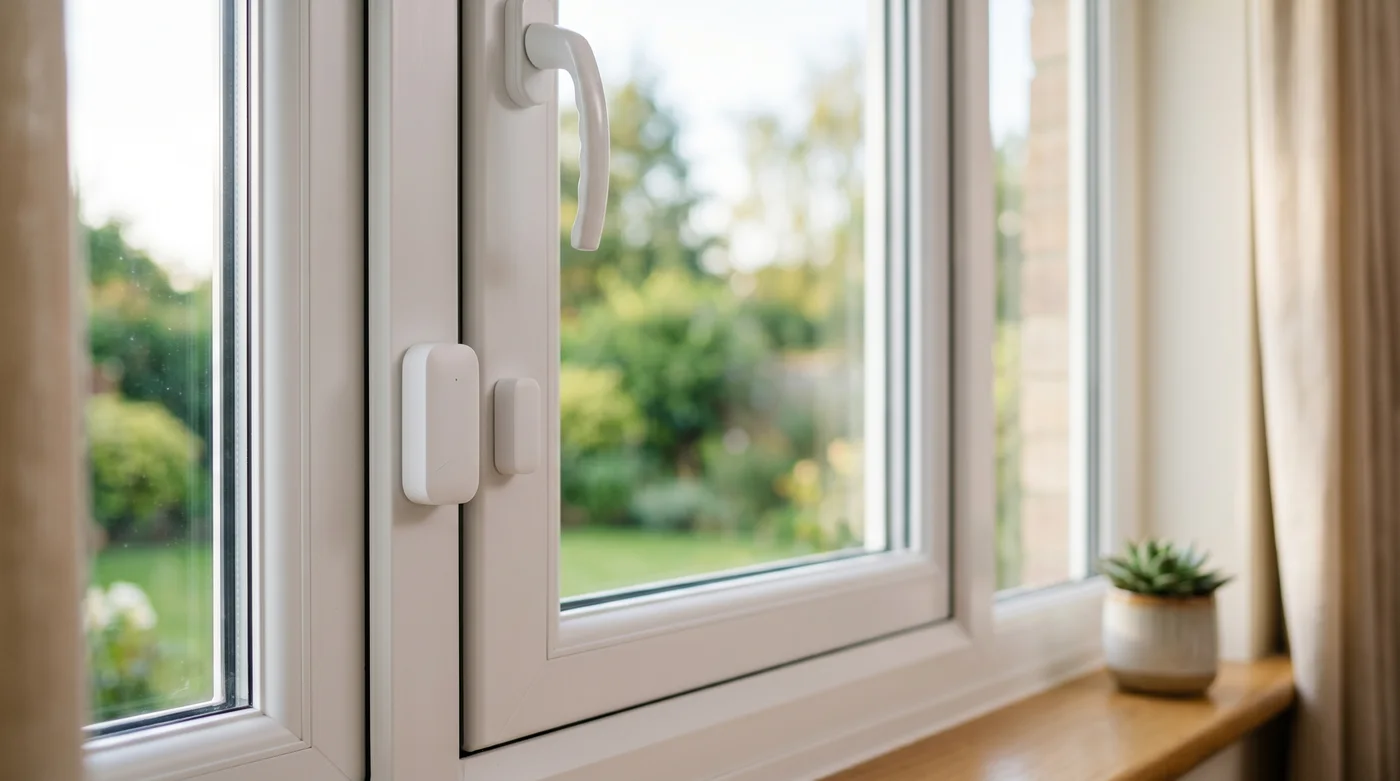
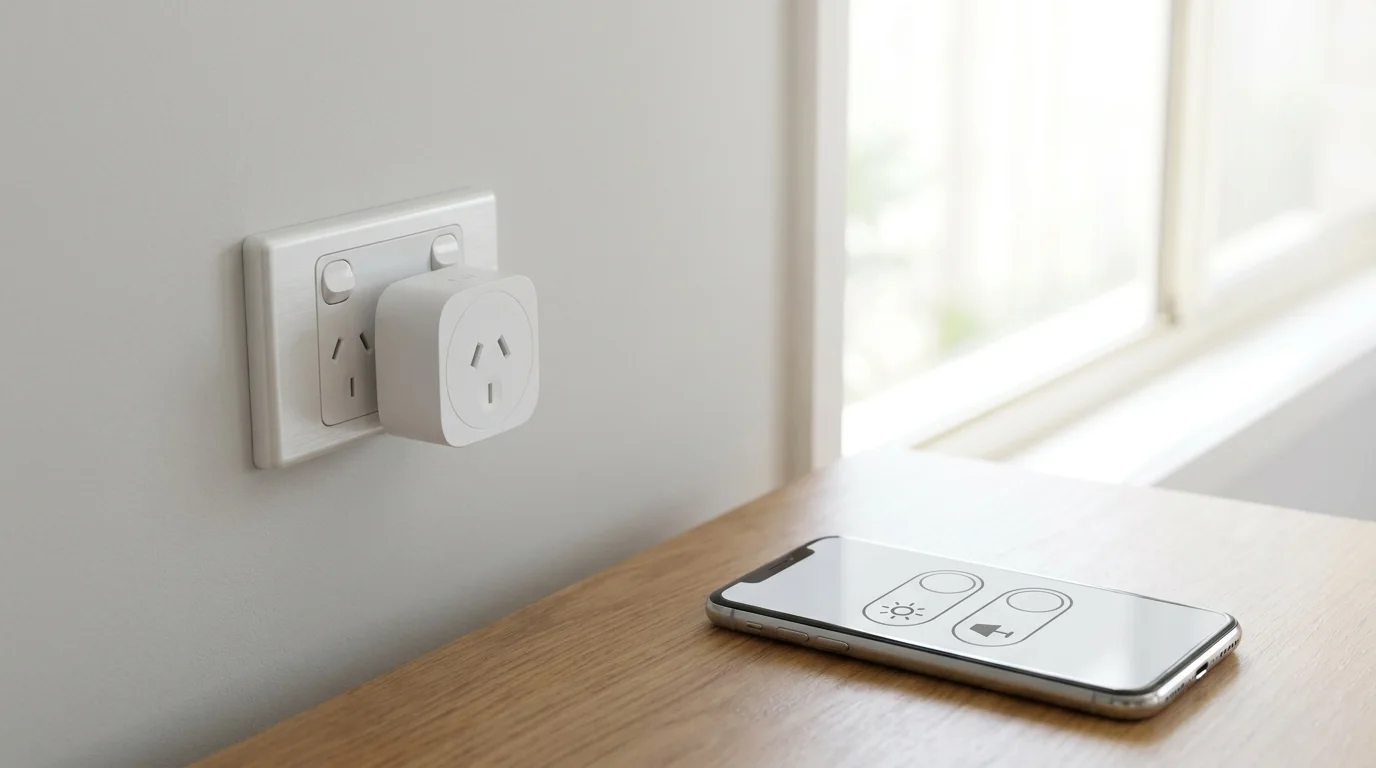
The best smart light switch in Australia is the meross Matter Smart Light Switch, an in wall relay module that installs behind your existing switch panel, works with Matter hubs such as Echo, Google Nest or Apple TV, and adds energy monitoring in the meross app. It needs a neutral wire. If your house has no neutral wire at the switch, the SONOFF ZBMINIL2 and the Aqara Smart Wall Switch H2 are the no neutral options here, and the ZBMINIL2 needs a Zigbee hub. On 15 October 2026 the SONOFF ZBMINIL2 and the SONOFF MINIR4 listings were Global Store imports shipped from Amazon Germany, and Amazon warns that imports from Germany may differ from local products.
Smart switches compared: approval stated, protocol and neutral wire
| Smart switch | Form factor | Protocol | Neutral needed | Approval named in the listing bullets | Works by hand if the network drops |
|---|
| meross Matter Smart Light Switch | In wall relay | Matter, with Echo, Google Nest or Apple TV hubs | Yes | None named | Yes, it installs behind your existing switch and the listing names single pole switches such as rocker and toggle |
| SONOFF MINIR4 Smart WiFi Switch Relay | In wall relay, a Global Store import on 15 October 2026 | WiFi, with the eWeLink app | Yes | TÜV, CE and FCC | Yes, it connects to external switches such as latching and momentary types |
| SONOFF ZBMINIL2 Zigbee Smart Light Switch | In wall relay, a Global Store import on 15 October 2026 | Zigbee, hub required per the title | No | None named | Yes, it works with external switches and supports 2 way control |
| meross Matter Smart DIY Switch with Energy Monitor | Relay, up to 16A current | Matter, with Echo, Google Nest or Apple TV hubs | Check with the maker | None named | Check with the maker, though the listing says local routines and schedules work without network access |
| Brilliant Lighting Smart 2 Wire Rotary WiFi Dimmer Switch | Dimmer mech that slots into HPM, Clipsal and Vynco wall plates | WiFi, with app or voice control | No, the title says 2 wire and no neutral | None named | Yes, it is a rotary control on the wall plate |
| Aqara Smart Wall Switch H2 | Two button wall switch | Thread and Zigbee, with Matter over Thread | Either, it supports no neutral and with neutral wiring | None named | Yes, it has physical buttons, but its decoupled switch mode can stop the button controlling the load |
How we picked these smart light switches
Last checked: 15 October 2026
We compared the six smart light switches on form factor, protocol, neutral wire, approval stated and whether the switch works by hand if the network drops. Every specification on this page comes from two saved sources for each one: the Amazon Australia listing and the maker specifications stated in that listing's product information. Ratings and stock move, so check the live listing before you buy.
The last column matters because a smart switch should still turn the light on when the network is down. A relay module that works with your existing switch keeps that switch working by hand, and the listings for the meross Matter Smart Light Switch, the SONOFF MINIR4 and the SONOFF ZBMINIL2 name support for standard or external switches. On 15 October 2026 the SONOFF MINIR4 and the SONOFF ZBMINIL2 listings were Global Store imports shipped from Amazon Germany, and Amazon warns that imports from Germany may differ from local products. The approval column shows only what each listing names in its bullets, so it is not a substitute for your electrician confirming compliance. Check the live Amazon AU listing for the current price.
How to choose a smart light switch in Australia
A smart light switch lets you control your lights from your phone, your voice or a schedule, but in Australia the choice splits into two shapes before you even look at features. The first is an in wall relay module, a small device that hides behind your existing switch and keeps the wall plate you already have. The meross and SONOFF picks here are relays. The second is a wall switch or mech that sits in the wall plate: the Brilliant dimmer mech slots into HPM, Clipsal and Vynco plates, and the Aqara H2 is a two button wall switch. The big question specific to Australia is approval. The SONOFF MINIR4 bullets name TÜV, CE and FCC certifications, and none of the six sets of bullets names an Australian approval, so ask your electrician to confirm compliance before buying. On 15 October 2026 the SONOFF MINIR4 was a Global Store import shipped from Amazon Germany. This guide covers six smart switches, and the rule to follow before any of them: use a licensed electrician for any hardwired switch.
Decide the shape first, because it changes everything else. In wall relay modules like the meross Matter Smart Light Switch and the SONOFF MINIR4 tuck behind your existing switch: you keep the wall plate you have and the smarts hide in the wall cavity. The SONOFF listings say they fit small mounting boxes, including the smallest European standard, so check the box in your wall before you buy. Wall switches like the Brilliant dimmer mech and the Aqara H2 replace the switch itself, so you get a new look that has to match your decor, where a hidden relay leaves your existing switch untouched. If you rent and cannot touch the wiring at all, a smart bulb or a smart plug avoids any hardwired work. Either way, check whether the switch needs a neutral wire, and have a licensed electrician fit it.
Best overall: meross Matter Smart Light Switch, in wall relay module
The meross Matter Smart Light Switch is our pick. It is rated 4.5 from 95 ratings, sold by Meross AU Direct and shipped by Amazon. The listing says to install the in wall relay module behind your existing switch panel, and it works with Matter hubs such as Echo, Google Nest or Apple TV. It adds energy monitoring in the meross app and says a neutral wire is required, so check your switch box first. Its bullets and product table say 2500W, but its A+ content says 400W for incandescent and 150W for CFL and LED, so treat the lower figures as the limit and confirm the load for your circuit with your electrician before you buy.
A warning on EU glass touch panels, and always use a sparky
One trap worth flagging: European style glass touch panel switches sold online are often built for EU mounting boxes, so they may not fit Australian or Clipsal wall plates. Avoid them unless the listing explicitly states Australian plate fit and approval. The Brilliant dimmer mech listing names HPM, Clipsal and Vynco plate fit, the relay modules hide behind whatever switch you already have, and the SONOFF listings describe EU mounting boxes, so check the box behind your own switch. And the rule that overrides all of this: have a licensed electrician install any smart switch that is hardwired into your wall, and note that the meross listing says to consult a professional electrician if you are unsure.
Always follow the manufacturer's manual and the requirements of your state or territory regulator.
What about the SONOFF T6, Nanoleaf, EyZEE and Pixie?
Four more names come up on this search: the SONOFF T6 Black TX Gen2 Matter touch panel, the Nanoleaf Sense+, the EyZEE Zigbee range and Pixie. We have not saved a current Amazon Australia listing for any of them, so none is a pick here. Whichever you consider, check that it fits an Australian wall plate, check what approval it states, and use a sparky.
What you can actually automate with a home automation switch
The automation lives in the app or hub you pair the switch to, which is why the protocol choice matters. Check each listing for what its app can do. If you add a security camera to the same setup later, the hub or app you chose decides how well they work together.
Which platform runs those automations depends on the device you pick. The meross Matter Smart Light Switch is a Matter device, so it works with Matter hubs such as Echo, Google Nest or Apple TV. The SONOFF MINIR4 joins your WiFi and is controlled through the eWeLink app, with Alexa and Google Home named in its title. The SONOFF ZBMINIL2 needs a Zigbee hub, and the Aqara H2 runs on Thread or Zigbee, with Matter over Thread. A Zigbee switch means a hub to buy and set up first.
Plan one thing before you buy: whatever you automate, the light still has to work normally for everyone else in the house. A relay module that works with your existing switch keeps that wall switch, and the Brilliant dimmer mech and the Aqara H2 are physical controls in their own right, though the Aqara decoupled switch mode can stop its button controlling the load.
Our verdict
The meross Matter Smart Light Switch is our pick for most Australian homes: an in wall relay module that installs behind your existing switch panel, works with Matter hubs such as Echo, Google Nest or Apple TV and adds energy monitoring in the meross app. Be plain with yourself about two things first. It needs a neutral wire, and its listing gives conflicting load figures: 2500W in its bullets and product table, but 400W for incandescent and 150W for CFL and LED in its A+ content. Treat the lower figures as the limit and have your electrician confirm the neutral wire and the applicable load. If you want WiFi without Matter, the SONOFF MINIR4 is rated 4.6 from 2,038 ratings, though on 15 October 2026 it was a Global Store import and its listing states TÜV, CE and FCC with no Australian approval. For a no neutral home the SONOFF ZBMINIL2 needs a Zigbee hub and was also a Global Store import on 15 October 2026, and for a heavier circuit ask about the meross Matter Smart DIY Switch, whose listing says it handles up to 16A current. The Brilliant Lighting rotary dimmer mech slots into HPM, Clipsal and Vynco wall plates, and the Aqara H2 works with or without a neutral wire. Whichever you pick, always use a licensed electrician for any hardwired switch.
Frequently Asked Questions
What is the difference between an in wall relay module and a wall plate smart switch?
An in wall relay module hides behind your existing switch and keeps the wall plate you already have: the meross Matter Smart Light Switch and the SONOFF MINIR4 are relays. A wall plate switch or mech replaces the switch itself: the Brilliant dimmer mech slots into HPM, Clipsal and Vynco plates, and the Aqara H2 is a two button wall switch. Relays leave your switch untouched, while a replacement switch has to match your decor. Either way a hardwired device should be fitted by a licensed electrician.
Is the SONOFF MINIR4 approved for use in Australia?
The SONOFF MINIR4 listing states TÜV, CE and FCC certifications and names no Australian approval, and on 15 October 2026 it was a Global Store import shipped from Amazon Germany. Have your licensed electrician confirm compliance before installation. The bullets we saved for the other five switches do not name an Australian approval either, so the same step applies whichever you pick. Discuss it with your sparky and decide before you buy rather than on install day.
Do I need a hub for a smart light switch?
It depends on the protocol. The SONOFF MINIR4 and the Brilliant dimmer use WiFi with app or voice control. The SONOFF ZBMINIL2 needs a Zigbee hub, per its title. The Aqara H2 supports Thread and Zigbee, and in Thread mode its listing says no Aqara hub is required to reach third party Matter ecosystems. The meross Matter switches work with Matter hubs such as Echo, Google Nest or Apple TV. If you are starting fresh, WiFi or Matter is the simplest path.
My older home has no neutral wire at the switch, what can I use?
Some older homes have only the active and switched line at the light switch, with no neutral, and that rules out any switch that needs one. The SONOFF ZBMINIL2 title says no neutral wire is required, the Brilliant dimmer title says 2 wire and no neutral, and the Aqara H2 supports both no neutral and with neutral wiring. The meross Matter Smart Light Switch and the SONOFF MINIR4 say a neutral is required. Before you buy anything, check behind your switch plate or ask your electrician whether there is a neutral there.
Can I install a smart light switch myself in Australia?
No, have a licensed electrician fit any smart switch that is hardwired into your wall. The meross listing says to consult a professional electrician if you are unsure, and that advice suits every hardwired pick in this guide. The electrician can also confirm whether you have a neutral wire and which device suits your circuit.
Do those European glass touch panel switches fit Australian wall plates?
Often not. European style glass touch panel switches sold online are commonly built for EU mounting boxes and may not fit Australian or Clipsal wall plates. Avoid them unless a listing explicitly states Australian plate fit and approval. The Brilliant dimmer mech listing says it slots into HPM, Clipsal and Vynco branded wall plates, and the relay modules hide behind whatever switch you already have so the faceplate never changes, though the SONOFF listings describe EU mounting boxes, so check the box behind your switch.
Can I use smart light switches for whole home automation?
Yes, a relay can make the ceiling lights you already have smart one circuit at a time. Try to keep the house on one platform: mixing a WiFi device like the SONOFF MINIR4 with a Zigbee device like the SONOFF ZBMINIL2 means running the eWeLink app and a Zigbee hub side by side. Matter switches like the meross Matter Smart Light Switch work with Matter hubs such as Echo, Google Nest or Apple TV, which keeps things simpler.
Which smart light switch should I buy?
For most homes the meross Matter Smart Light Switch is our pick: an in wall relay module that works with Matter hubs such as Echo, Google Nest or Apple TV and adds energy monitoring, though it needs a neutral wire and its listing conflicts on load (2500W in its bullets and product table, but 400W for incandescent and 150W for CFL and LED in its A+ content), so have your electrician confirm the neutral wire and the applicable load. The SONOFF MINIR4 is the WiFi option rated 4.6 from 2,038 ratings, but its listing states TÜV, CE and FCC with no Australian approval and on 15 October 2026 it was a Global Store import. For a no neutral home the SONOFF ZBMINIL2 needs a Zigbee hub, for a heavier circuit ask about the meross Matter Smart DIY Switch, and for dimming the Brilliant dimmer mech slots into HPM, Clipsal and Vynco plates. Always use a licensed electrician for any hardwired switch.
Who makes the best smart light switches in Australia?
meross is our pick, because its Matter Smart Light Switch works with Matter hubs such as Echo, Google Nest or Apple TV and adds energy monitoring, and its 16A Matter switch is the one to ask about for a heavier circuit. SONOFF supplies a WiFi relay and a Zigbee relay in this guide, though on 15 October 2026 both the MINIR4 and the ZBMINIL2 were Global Store imports shipped from Amazon Germany. Aqara is the brand here for Thread and Matter over Thread. Brilliant Lighting makes the rotary dimmer mech that slots into HPM, Clipsal and Vynco plates.
What are the disadvantages of a smart light switch?
Four, and they are all worth knowing before you buy. Some need a neutral wire at the switch, which some older homes do not have: the meross Matter Smart Light Switch and the SONOFF MINIR4 both say one is required. Any hardwired switch should be fitted by a licensed electrician, which adds an installation cost. None of the listing bullets we saved names an Australian approval, so ask your electrician to confirm compliance. And a WiFi switch depends on your router, so the app and the voice control can stop when the internet does.
Do smart light switches still work when the wifi is down?
The light can keep working by hand with a relay module that sits alongside your existing switch. The meross Matter Smart Light Switch, SONOFF MINIR4 and SONOFF ZBMINIL2 listings name support for standard or external switches. The Brilliant Lighting dimmer mech and the Aqara Smart Wall Switch H2 are physical controls you press, although the Aqara decoupled switch mode can stop its button controlling the load. What stops without a network is the remote half: the app, the voice command and any schedule that runs in the cloud. The meross Matter Smart DIY Switch listing says local routines and schedules work even without network access.
What are the best looking smart switches in Australia?
If the look matters most, a relay behind your existing switch changes nothing on the wall, and the Brilliant Lighting dimmer mech slots into the HPM, Clipsal or Vynco plate already on your wall, so the whole run of switches in the room stays matched. The Aqara Smart Wall Switch H2 is a two button wall switch. Be careful with European glass touch panels, which may not fit an Australian wall plate.
How much does it cost to install a smart light switch in Australia?
Installation by a licensed electrician is a separate cost from the switch itself, and we have no saved installation figures, so ask for a fixed quote for the number of switches you intend to fit. Ask the electrician to confirm whether you have a neutral wire while quoting, because that one answer decides which devices you can use.