The choice that actually matters: mechanical versus computerised
The best sewing machine for beginners and home mending in Australia is the Brother LS14S, a mechanical machine with 14 stitches and a metal chassis rather than the all plastic body of the cheapest machines, and its Amazon Australia listing shows 4.6 stars from 7,000 ratings. The best overall pick is the Brother AE1700, which shows 4.7 stars from 1,915 ratings. If you want a computerised machine, the Brother FS40WTS is the sensible first one, and the Singer Heavy Duty 6800C is the one for denim and canvas.
Almost every sewing-machine guide leads with the brand, but the decision that shapes your experience is mechanical versus computerised. A mechanical machine uses physical dials to pick from a fixed set of stitches: simple, robust and ideal for beginners, mending and basic dressmaking. A computerised machine swaps the dials for a button or an LCD screen, adding far more stitches, one-step buttonholes and speed control, which suits quilting, garment-making and anyone who sews often. Get that one decision right and everything else falls into place.
The six picks below cover both camps and come only from the three names worth trusting in Australia: Brother, Janome and Singer. They run from a metal chassis Brother that will see a beginner through years of repairs and projects up to a computerised Singer Heavy Duty built for thick fabrics. One honesty note before we start: the big review numbers you see are Amazon global totals, not Australian sales, so read them as a sign of a proven, widely owned machine rather than a local popularity contest.
How the six sewing machines compare
Machine type and stitch count are what separate these six, and both follow from how often you expect to sew. If you want to make knitted fabric instead of sewing, our guide explains how a knitting machine differs from a sewing machine.
| Pick | Best for | Key spec | Rating |
|---|
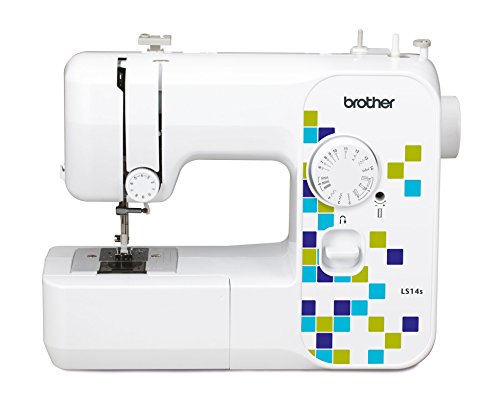
| Brother LS14S | Best for beginners | Mechanical, 14 stitches, metal chassis | 4.6 |
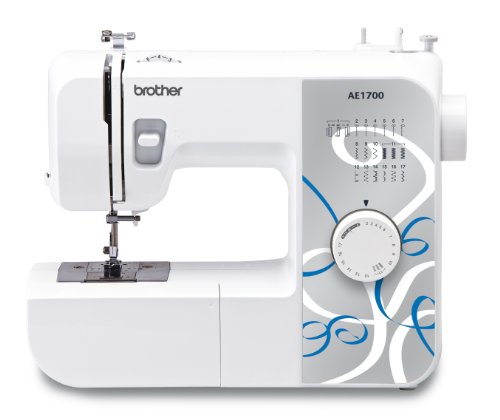
| Brother AE1700 | Best overall | Mechanical, 17 stitches, sturdier body | 4.7 |
| Janome 224A | Best Janome mechanical | Mechanical, 18 stitches, die-cast alloy body | 4.6 |
| Brother FS40WTS | Best first computerised | Computerised, 40 stitches, LCD and quilting table | 4.7 |
| Janome JW8100 | For keen sewers (could not be bought on Amazon Australia on 13 October 2026) | Computerised, 100 stitches, 7 one step buttonholes | 4.6 |
| Singer Heavy Duty 6800C | Best heavy duty | Computerised, 586 stitch applications, full metal frame | 4.4 |
If you are buying your first sewing machine, start here. The LS14S is a purely mechanical machine with 14 built-in stitches and, crucially, a metal chassis rather than the flimsy all-plastic body of the cheapest machines. That metal frame keeps it steady so your seams stay straight and the machine does not creep across the table.
Fourteen stitches covers straight, zigzag, stretch and a buttonhole, which is genuinely everything a beginner needs for hems, mending, school projects and basic dressmaking. The drop-in bobbin loads in seconds and the LED light makes it easy to see your needle. For the money, nothing teaches you to sew more reliably. The Amazon AU listing for the Brother LS14S states 43.9 x 18.9 x 36 cm, so check that against the table you plan to sew on.
Check how the bobbin loads before you buy. A drop in bobbin loads from the top of the machine, and the sewing site SewCanShe calls it very easy for a beginner to master, with all but one of the seven machines on its beginner list having one. The Brother LS14S and Brother AE1700 here both have one.
Best heavy duty for thick fabrics: Singer Heavy Duty 6800C
The Heavy Duty 6800C is the pick if you regularly sew thick or layered fabrics (denim, canvas, curtains and upholstery weights) where a lighter machine bogs down or skips stitches. Singer pairs a stronger motor with enhanced piercing power and a full metal internal frame, so it pushes through heavy seams more confidently.
An LCD screen keeps stitch selection simple despite an enormous 586 stitch applications, and a one-step buttonhole rounds out a capable computerised package. Two honest caveats: heavy-duty here means a tougher home machine, not an industrial one, and at a 4.4 rating it sits a touch below the Brother and Janome picks, so buy it for the thick-fabric muscle rather than the finish.
Whatever machine you buy, match the needle to the fabric. The manufacturer's support guidance from Brother warns that sewing heavy fabrics such as denim with thin needles, such as 65/9 to 75/11, can bend or break the needle, so fit a heavier needle before you start on thick seams.
Mechanical or computerised: which should you actually buy?
Here is the plain-English version of the most important decision. Choose a mechanical machine (the Brother LS14S, Brother AE1700 or Janome 224A) if you are a beginner, mostly mend and hem, sew occasionally, or simply want something robust and easy to understand. You turn a dial, you sew, there is very little to go wrong, and a good one lasts for years.
Choose a computerised machine (the Brother FS40WTS, Janome JW8100 or Singer Heavy Duty 6800C) if you sew often, want to quilt or make garments from scratch, or value conveniences like a button to pick your stitch, on screen settings, speed control and one step buttonholes. You pay more and there is more to learn, but the payoff is real if you put in the hours. The blunt rule: a mechanical Brother covers beginners and repairs beautifully, and you only step up to a computerised machine when you genuinely sew a lot.
Brother, Janome and Singer: the three names that matter
You will see dozens of unfamiliar brands online, but for a home machine you can buy with confidence the shortlist is short. Brother, Janome and Singer are the three trusted names, and every pick in this guide comes from one of them. Brother is the value champion, with dependable beginner machines like the LS14S that punch well above their price. Janome has a loyal following for the solid build and smooth feel of machines like the 224A and the feature-rich JW8100. Singer's modern strength is its Heavy Duty line, built around stronger motors for thick fabrics.
What does heavy-duty actually mean? Not industrial: a home heavy duty machine simply has a stronger motor and a sturdier frame so it can power through dense fabrics like denim and canvas without straining. It is about muscle for tough materials, not factory-grade output, so do not expect a workshop machine for a home price.
How many stitches do you really need?
Stitch counts are the number marketers love to shout about, and they are wildly oversold. The truth is that most sewing uses a handful of stitches: a straight stitch, a zigzag, a stretch stitch for knits and a buttonhole. A 14-stitch mechanical machine like the LS14S covers all of that with room to spare. The leap to 40, 100 or 586 stitch applications mostly buys you decorative options (fancy edges, embroidery style patterns and quilting stitches) which are wonderful if you will use them and irrelevant if you will not. Buy the stitch count that matches what you actually sew, not the biggest number on the box.
How do you thread a sewing machine?
The order is the same on almost every domestic machine, and getting it wrong is the reason most first seams bird-nest underneath. Raise the presser foot before you start, because that opens the tension discs.
- Put the spool on the spool pin and hold it in place with the cap.
- Draw the thread left along the top thread guide.
- Bring it down the right-hand channel, around the bottom and back up the left channel, so it seats between the tension discs.
- Catch the take-up lever at the top of that left channel and thread it right to left.
- Come back down through the lower guides to the needle bar.
- Thread the needle from front to back and pull about 10 cm through.
- Hold the top thread, turn the handwheel towards you one full turn, and pull the loop of bobbin thread up through the plate. Lay both threads back under the foot.
On the Janome machines here the path is printed on the machine body with numbered arrows, and on the Brother machines the take-up lever is marked with an arrow you thread against. If the stitches loop underneath, the top thread has almost certainly missed the tension discs: raise the foot and rethread from the spool rather than trying to correct it partway.
How do you use a sewing machine?
Wind the bobbin first. Put the thread through the bobbin winder guide, wind a few turns onto the empty bobbin by hand, push the winder across and run the machine until it stops itself, then drop the bobbin into the case and thread it as above.
Set the stitch to straight and the length to about 2.5 mm for ordinary seams, longer for basting, shorter for fine fabric. Line the fabric edge up with the seam guide on the plate rather than watching the needle. Lower the presser foot, hold both threads for the first couple of stitches, then reverse for three or four stitches to lock the seam, sew forward, and reverse again at the end. Let the feed dogs pull the fabric through: pushing or pulling it bends needles and skews the stitch. Then press every seam open before you sew across it, with an iron rather than your fingers, because pressing is what makes home sewing look bought. A garment steamer finishes the piece once it is together.
How we chose these sewing machines
Last checked: 13 October 2026, covering the stock, seller and rating of every listing on Amazon Australia.
NestPath does not run a sewing room, and you should be sceptical of any Australian site that says it stitched through denim on a dozen machines this month. What we do is filter. We started from the machines actually stocked and rated on Amazon Australia, kept only the three brands with a real Australian service and parts network, then screened on chassis material, stitch count, buttonhole type and the size of the review base, and read the critical reviews as closely as the positive ones. Beyond the Amazon Australia listings, the outside sources named in this guide are the manufacturer's support guidance from Brother on needles and the SewCanShe beginner machine guide on bobbins, and the star ratings and rating counts we quote are the listing figures held in our database.
Frequently Asked Questions
What is the best sewing machine for beginners?
For most beginners the Brother LS14S is the best starting machine. It is mechanical, so you simply turn a dial to pick one of 14 stitches and sew, and its metal chassis keeps it steady rather than rattling like the cheapest all-plastic machines. Those 14 stitches cover everything a newcomer needs (straight, zigzag, stretch and a buttonhole) which is plenty for hems, mending, school projects and basic dressmaking. The drop-in bobbin and LED light make it easy to learn on, and you only need to spend more once you sew often.
Mechanical vs computerised sewing machine: which is better?
Neither is better overall; they suit different sewers. A mechanical machine uses dials to choose from a fixed set of stitches and is simple, robust and ideal for beginners, mending and basic dressmaking: the Brother LS14S, Brother AE1700 and Janome 224A are the mechanical picks here. A computerised machine adds a button or LCD interface, far more stitches, one step buttonholes and speed control, which is better for quilting, garment making and frequent sewers: the Brother FS40WTS, Janome JW8100 and Singer Heavy Duty 6800C cover that camp. Choose mechanical if you sew occasionally and computerised if you sew a lot.
Are Brother, Janome and Singer good brands?
Yes, they are the three names worth trusting for a home sewing machine, and every pick in this guide comes from one of them. Brother is the value champion with dependable, affordable beginner machines like the LS14S. Janome has a loyal following for the solid build and smooth feel of machines such as the 224A and JW8100. Singer's modern strength is its Heavy Duty line of stronger-motored machines for thick fabrics. Plenty of unfamiliar budget brands exist online, but sticking to these three is the safest way to buy a machine that lasts and is easy to get serviced.
What does a heavy-duty sewing machine actually do?
Heavy duty does not mean industrial: it means a stronger motor and a sturdier frame so the machine can power through thick or layered fabrics without straining. The Singer Heavy Duty 6800C, for example, has enhanced piercing power and a full metal internal frame, which lets it sew denim, canvas, curtains and upholstery weights more confidently than a lighter machine that would bog down or skip stitches. It is about muscle for tough materials at a home price, not factory-grade output, so do not expect a true industrial machine.
How many stitches do you really need?
Far fewer than the marketing suggests. Most everyday sewing uses just a handful of stitches: a straight stitch, a zigzag, a stretch stitch for knits and a buttonhole. A 14-stitch mechanical machine like the Brother LS14S covers all of that comfortably. Jumping to 40, 100 or 586 stitch applications mostly adds decorative options (fancy edges, patterns and quilting stitches) which are great if you will use them and pointless if you will not. Match the stitch count to what you actually plan to sew rather than buying the biggest number you can find.
Can a home sewing machine sew denim or leather?
Denim, yes, especially on a heavy duty machine like the Singer 6800C with its stronger motor, and even on lighter machines if you fit a denim or jeans needle and sew slowly through the seams. Leather is harder: a home machine can manage thin, soft leather with a dedicated leather needle and a walking or Teflon foot, but thick or stiff hides really call for an industrial machine. The honest rule is to use the right needle for the fabric, take thick seams slowly, and lean on a heavy-duty model when you work with dense materials regularly.
Do you need an expensive sewing machine to start?
No. A beginner is better off starting with a robust mechanical machine like the Brother LS14S than buying a computerised model whose features will sit unused. Learn the fundamentals (threading, tension, straight and zigzag stitches) on something simple, and only step up to a computerised machine like the Brother FS40WTS or Janome JW8100 once you sew often enough to want quilting room, decorative stitches and one step buttonholes. Spending more does not make you a better sewer; using the machine does.
What is the best sewing machine for home use?
For most Australian homes the best overall pick is the Brother AE1700, which has the highest rating of the three mechanical machines here at 4.7 stars from 1,915 ratings. It is mechanical, so there is nothing to learn beyond the dials, and its 17 stitches cover hems, mending, school projects and basic dressmaking. If you mostly mend and hem, the Brother LS14S does most of the same jobs, and the Brother FS40WTS is the step up if you expect to sew garments or quilt rather than mend.
Why is my sewing machine looping thread underneath?
Nine times out of ten the top thread is not seated in the tension discs, usually because the presser foot was down when you threaded it. Raise the foot, unthread completely and rethread from the spool. If it still loops, check the bobbin is wound evenly and sitting the right way round in its case, and that the needle is in front to back with the flat side of the shank to the rear. A bent or blunt needle causes the rest.
Is Brother or Singer a better sewing machine?
Brother is the better choice for most buyers, while Singer is the better pick for thick fabric. The Brother LS14S listing shows 4.6 stars from 7,000 ratings, against 4.4 stars from 316 ratings for the Singer Heavy Duty 6800C, but the Singer has a stronger motor and a full metal frame for denim and canvas.
What is the most reliable brand of sewing machine?
Brother is the most reliable brand in this guide on the ratings evidence. Its LS14S shows 4.6 stars from 7,000 ratings and its AE1700 shows 4.7 stars from 1,915 ratings, against 4.6 stars from 924 ratings for the Janome JW8100 and 4.4 stars from 316 ratings for the Singer 6800C. Ratings measure owner satisfaction, not lab tested durability.
What is the most trouble free sewing machine?
A simple mechanical machine is the most trouble free choice, and the Brother LS14S is the one to start with. It uses physical dials rather than an LCD and has a metal chassis, and its listing shows 4.6 stars from 7,000 ratings, the most of any machine in this guide. A computerised machine is the better fit only if you sew often.
What is the best sewing machine in Australia?
The Brother AE1700 is the best overall sewing machine in this guide. It is a mechanical machine with 17 stitches, a drop in bobbin and an LED light, and it has the highest rating of the three mechanical models here at 4.7 stars from 1,915 ratings. If you only mend and hem, the Brother LS14S does most of the same jobs.
Which brand of sewing machine is the best?
Brother is the best brand in this guide: three of the six picks are Brother machines, including the best overall pick, the Brother AE1700. Janome supplies two picks and Singer one, the Heavy Duty 6800C for thick fabrics. All six come from the three brands worth trusting, so choose by machine type and how often you sew.