How to choose a first aid kit in Australia
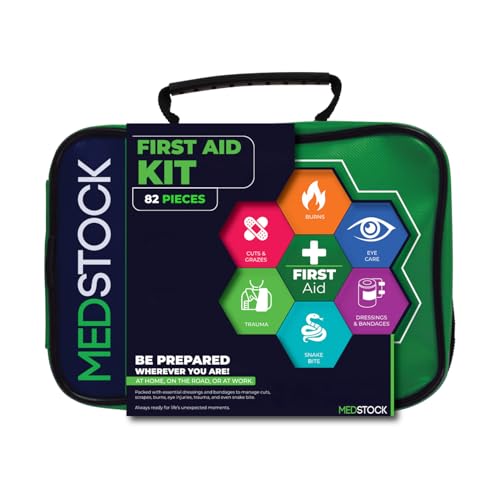
Most first aid kit searches end with whichever box is cheapest, and that is a mistake - not because cheap kits are useless, but because the right kit depends on where it will live and who it has to cover. A kitchen-drawer kit, a car first aid kit, a 4WD or camping kit and a travel kit are genuinely different products: they differ in size, mounting, depth of consumables and, crucially in Australia, in whether they carry the supplies local conditions demand. This guide compares six kits: the bestselling Lewis-Plast 90-piece as the budget entry, the bulk YESDEX 556-piece for groups, the ARTG listed Aus-Aid 228-piece for families, the modular MEDSTOCK for travel, the Australian made SURVIVAL vehicle kit as our top pick, and the St John Ambulance Australia large leisure kit as the premium authority option. Along the way it covers what imported kits miss, what a kit can and cannot do, and how to keep one actually usable rather than expired in a cupboard. Two quick framing notes before the picks. First, review counts in this category are lopsided - the budget bestseller has thousands of ratings while the authority brands have dozens, so we weighed brand credibility and design alongside the stars rather than ranking on review volume alone. Second, the best first aid kit is rarely one kit: most households end up best served by a curated kit at home, a secured kit in the car and a small mobile kit that leaves the house, which is exactly how the six picks below divide the work.
Home, car or 4WD - match the kit to where it lives
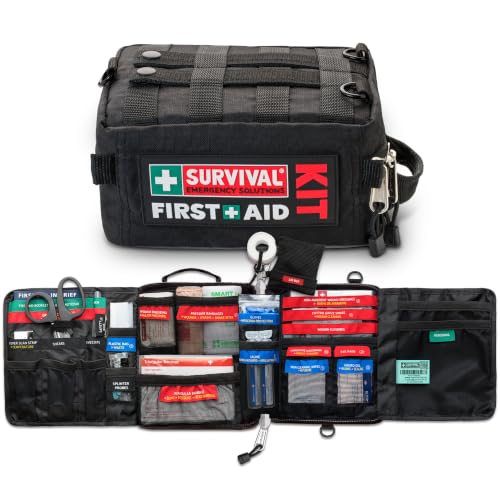
A home kit gets opened for small, frequent incidents - cuts, scrapes, splinters, minor burns - so it wants broad basics and an organised interior more than bulk; the Lewis-Plast and the Aus-Aid both suit a kitchen or hallway cupboard. A car first aid kit has a different job: it must stay put and stay findable, which is why the SURVIVAL kit with its MOLLE straps and labelled layout is built the way it is - a loose box sliding around the boot is the kit you cannot find when it matters. A 4WD, camping or hiking kit adds two more demands: depth, because help is further away and a group burns through consumables fast, and Australian-specific supplies for snake bites and burns. The YESDEX covers the depth side cheaply, the MEDSTOCK pouches slip into a daypack, and the SURVIVAL range was designed for exactly this use. One of each tier - home, vehicle, mobile - covers most households better than a single giant kit. For routine blood pressure checks at home, see our guide to blood pressure monitors.
The Australian difference - what northern-hemisphere kits miss
Most cheap kits sold online are designed for northern-hemisphere markets, and it shows in what is missing. The headline item is snake bite bandages: Australian first aid courses teach the pressure-immobilisation technique for suspected snake bites, which calls for long, heavy-weight elastic bandages - some sold here have printed tension indicators to help you apply them correctly - and a small imported kit typically carries nothing suitable. The second is burn care: hydrogel dressings or gel sachets matter in a country of barbecues, campfires and exhaust pipes, and they are another common omission. Add a decent supply of saline for washing out wounds and eyes, and tweezers that can actually remove a tick or splinter, and you have the Australian checklist. This is why the local brands earn their premium: SURVIVAL builds for these conditions, it also sells a dedicated Snake Bite Kit, a uniquely Australian product worth knowing about for remote trips, and St John assembles its kits from the same playbook it teaches. If you buy an imported kit, budget for extra items to fill these gaps.
What a first aid kit does not replace
A first aid kit is supplies, not skills, and the gap between the two is where overconfidence lives. The box does not teach you when a wound needs more than a dressing, how to apply a pressure-immobilisation bandage firmly enough, or what to do in the minutes that actually decide outcomes. The fix is cheap and well established: St John Ambulance Australia and Australian Red Cross both run short first aid courses across the country, and a one-day course turns the contents of any kit in this guide from props into tools. None of this guide is medical advice - it is buying advice for gear - and the one rule that overrides everything in it is simple: in an emergency, call triple zero (000) first. A kit handles the small stuff and buys time on the big stuff; it is not a substitute for an ambulance, and the best kits, including the St John one, say exactly that on the lid.
Where to keep it - the kitchen, the car boot and the heat problem
At home, the kit belongs where incidents happen and adults can reach it fast - the kitchen is the classic spot, high enough to be out of reach of small children but never locked away. Everyone in the house should know where it is; a kit nobody can find is a kit you do not own. In the car, the calculus changes because of heat. A parked car in an Australian summer can cook its interior well past what adhesives and gels are designed for, and over months that degrades plaster adhesive, hydrogel dressings and some preparations. The boot runs cooler than the cabin and keeps the kit out of the sun, which is one reason boot-mounted setups like the SURVIVAL make sense - but no spot in a parked car is genuinely cool, so treat the car kit as a faster-aging copy of the home kit: check it more often, and swap heat-affected items - curled plasters, swollen sachets, cloudy gels - into the bin rather than back into the kit.
The check-and-restock routine
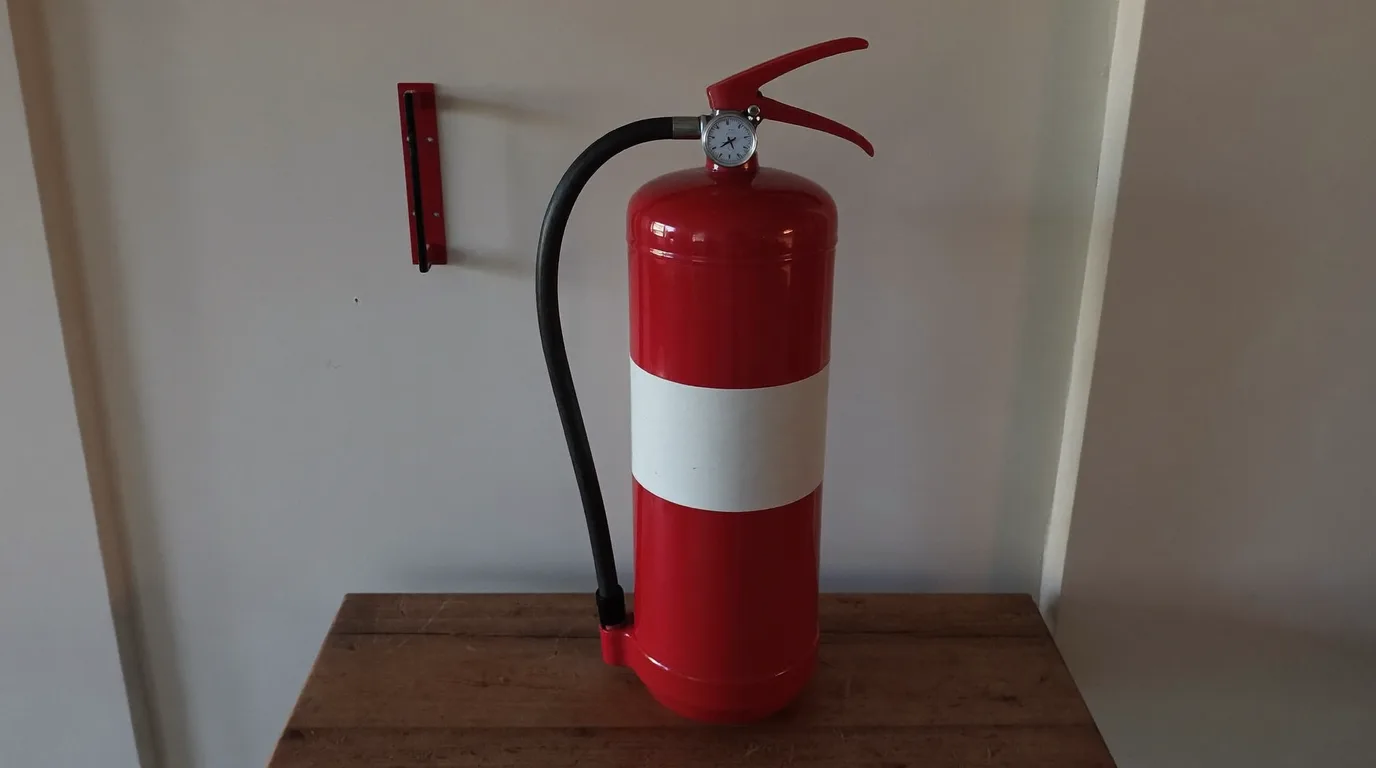
A first aid kit decays in two ways: it gets used and not refilled, or it sits untouched until the sterile items expire. The routine that beats both is simple. First, restock after every use - the moment the kit comes out, whatever left it goes on the shopping list, because the dressing you used today is exactly the one missing next time. Second, run an expiry sweep twice a year: sterile dressings, saline, wipes and gels all carry dates, and a good prompt is to check the kit the same weekend you test the smoke alarms, so the two safety jobs share a calendar slot. The bulk kits make restocking painless - part of the YESDEX value case is that 556 pieces double as a refill store for the smaller kits - while the labelled SURVIVAL layout makes gaps visible at a glance, which is its own quiet restocking feature. Ten minutes twice a year keeps the kit worth what you paid for it. It also pays to do the sweep with the kit fully unpacked once a year - that is how you notice the scissors that migrated to the craft drawer and the gloves that perished in the heat, neither of which shows up by glancing at a closed box. If there is a fire extinguisher in the house, its pressure gauge wants the same glance on the same weekend.
Workplace kits are a different category
One boundary worth drawing clearly: none of the kits in this guide is a workplace compliance product. Australian workplaces are covered by WHS first aid requirements - the model Code of Practice on first aid in the workplace sets out how employers should assess what kits, contents and training their site needs based on the work, the risks and how far help is - and a home or leisure kit, however good, is not designed to tick those boxes. If you are buying for a business, a worksite or even a home office with employees, buy from the workplace range instead: St John Ambulance Australia sells dedicated WHS-aligned workplace kits through its own online shop, with sizes matched to team headcounts, and that is the right starting point rather than adapting a leisure kit. For everything domestic - house, car, caravan, campsite - the six kits here are the right category.
Our verdict
For most people the SURVIVAL Vehicle First Aid Kit is the smart buy, Australian made, MOLLE-mountable and laid out so a stressed stranger can find the right item fast, it is the kit best designed for the moment you actually use one, which is why it is our pick. If you just want the basics covered cheaply, the Lewis-Plast 90-piece is the proven bestseller with 8,258 ratings, add a pressure bandage and burn gel and it punches well above its price. Outfitting a campsite or convoy, the YESDEX 556-piece is unbeatable depth per dollar. The Aus-Aid 228-piece is the ARTG listed family kit, the MEDSTOCK Mini Modular is the one that travels in a handbag or daypack, and the St John Ambulance Australia Large Leisure Kit is the premium runner up, the authority pick from the people who teach the country first aid.
Frequently Asked Questions
What should a first aid kit in Australia include?
Beyond the universal basics - adhesive dressings, sterile wound pads, bandages, tape, scissors and gloves - an Australian kit should carry at least two long heavy-weight elastic bandages suitable for the pressure-immobilisation technique taught for suspected snake bites, hydrogel dressings or gel for burns, saline for washing out wounds and eyes, and fine-point tweezers for ticks and splinters. Those are the items imported kits most often miss. Check the printed contents list before buying, and add anything your household specifically needs on top.
What is the difference between a home, car and 4WD first aid kit?
A home kit handles small frequent incidents, so it prioritises broad basics and organisation, kits like the Lewis-Plast or Aus-Aid suit a kitchen cupboard. A car first aid kit must stay secured and findable, which is why the SURVIVAL vehicle kit uses MOLLE straps and a labelled layout. A 4WD or camping kit adds depth, because help is further away and groups burn through consumables, that is where the 556 piece YESDEX earns its place, ideally alongside snake bite bandages.
What does ARTG-listed mean on a first aid kit?
ARTG-listed means the kit is entered on the Australian Register of Therapeutic Goods, the register the TGA requires therapeutic goods to be entered on before they can be lawfully supplied in Australia. It is a regulated-supply and traceability signal rather than a quality award - it tells you the product comes through the accountable Australian channel with a responsible entity behind it, which is worth something in a category full of unbranded marketplace imports. The Aus-Aid 228-piece advertises its listing explicitly.
Do I need a separate snake bite kit in Australia?
If your kit already carries two or more long heavy-weight elastic bandages suitable for pressure-immobilisation, you have the core covered for most situations. A dedicated snake bite kit, SURVIVAL sells the best known one, bundles indicator bandages and instructions in one grab fast pouch, and it makes most sense for hikers, campers and anyone spending time in remote areas where an ambulance is a long way off. Either way, the technique matters as much as the gear, which is a strong argument for a first aid course - and in any suspected snake bite, call triple zero (000).
Is it safe to keep a first aid kit in a hot car?
Keep one in the car - the car is where many incidents happen - but understand the heat cost. A parked car in summer gets hot enough to degrade plaster adhesive, hydrogel dressings and some preparations over time. The boot runs cooler than the cabin and keeps the kit out of direct sun, so store it there, secured so it does not slide. Then treat the car kit as a faster-aging copy of the home kit: check it more often, and swap out anything heat-affected, such as curled plasters, swollen sachets or cloudy gels.
How often should I check and restock a first aid kit?
Two habits cover it. Restock after every use - whatever leaves the kit goes straight on the shopping list, because the item you used today is exactly the one missing next time. And run an expiry sweep twice a year, since sterile dressings, saline, wipes and gels all carry dates; checking the kit the same weekend you test the smoke alarms keeps the two safety jobs on one calendar slot. Car kits deserve an extra look because heat ages their contents faster than the cupboard kit at home.
Can I use a home first aid kit for my workplace?
No - workplace first aid is a different category with its own rules. Australian workplaces fall under WHS requirements, and the model Code of Practice on workplace first aid expects employers to match kits, contents and training to the work, the risks and the distance from help. A home or leisure kit is not designed as a compliance product. For a business or worksite, buy from a dedicated workplace range - St John Ambulance Australia sells WHS-aligned workplace kits through its own online shop, sized by team headcount - and keep the kits in this guide for home, car and leisure use.
Found this helpful?
Check out more guides for new homeowners.