Laundry buying guides for your first home
Washing machines, dryers, heated airers and the small fittings that make a two square metre Australian laundry work.

Start here
The three that matter first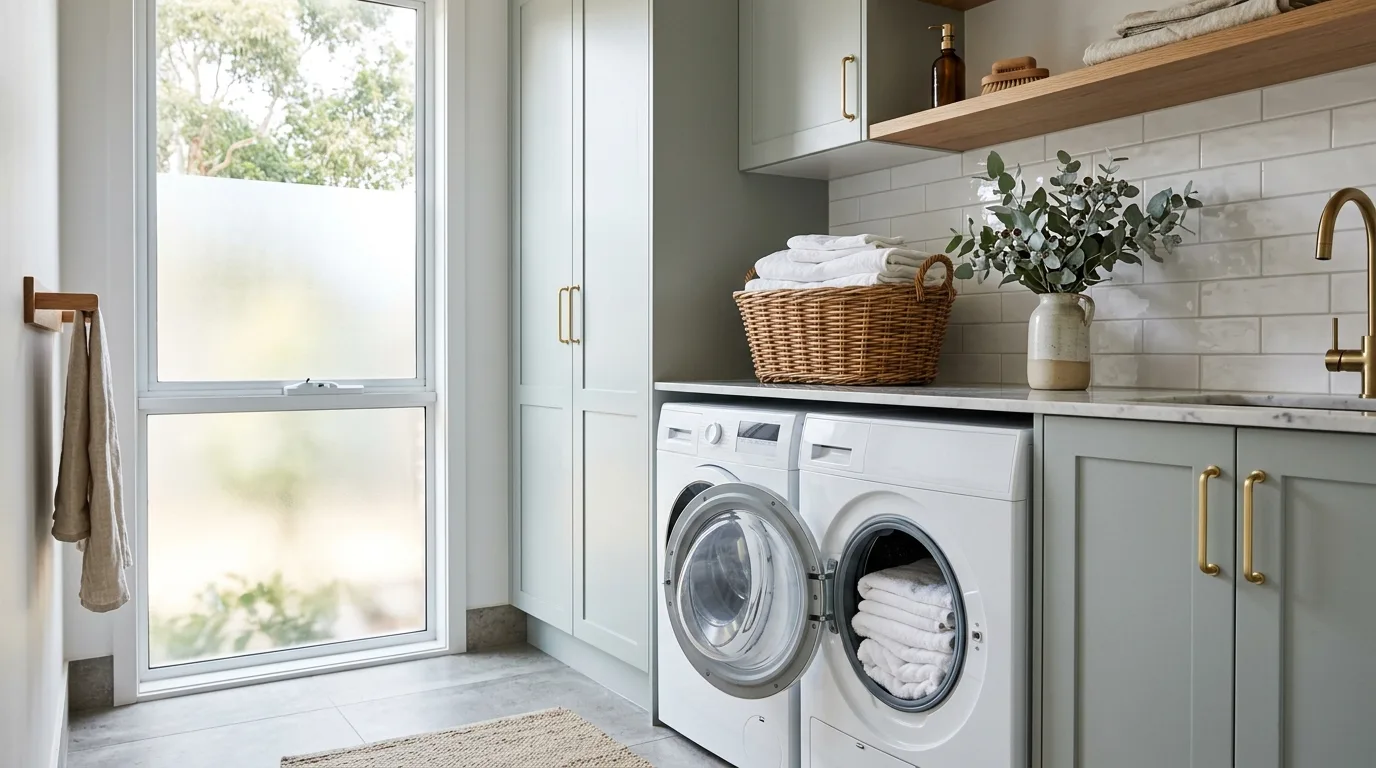
The biggest cheque the room will ever see. Samsung, LG and Bosch compared side by side. Front loaders win on water and energy use, top loaders on cycle speed and upfront price.

Vented, condenser or heat pump, with ten year running cost workings on every pick, from a basic vented model up to a 10 star heat pump.
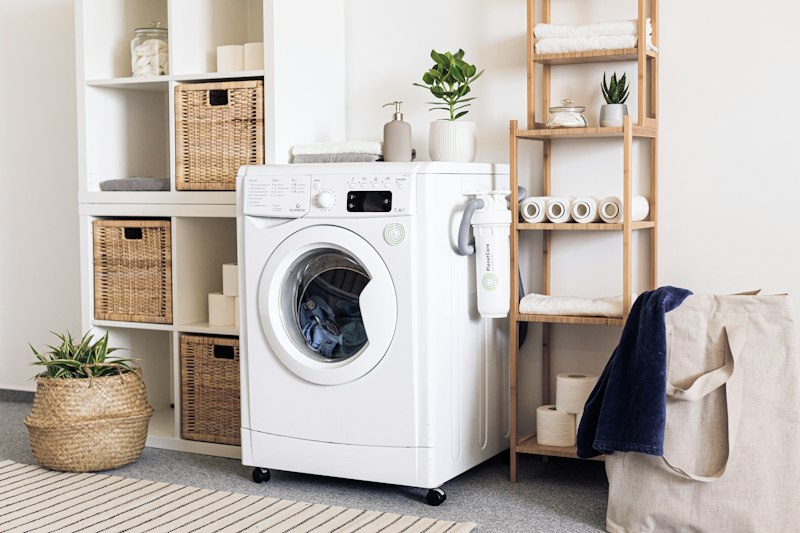
For anyone who just got the keys: how to set the room up properly from day one, including the foldable rack that might save you buying a dryer at all.
Plenty of Australian apartments call a cupboard with a tap a 'European laundry', and buying for that footprint is its own discipline. On energy use, the government's Energy Rating site says a drying rack in a warm, ventilated spot indoors is better than using a clothes dryer, and the Amazon Basics tabletop ironing board stows flat instead of colonising the hallway.
The bigger guides cover the day a real laundry arrives: washing machines, dryers, and where the heritage brands actually sell in Australia. Then comes the small stuff that keeps clothes alive: the Philips 3000 handheld steamer, a Brother sewing machine for the hem you keep promising to fix, and microfibre cloths that outclean anything in the supermarket aisle.
The big two
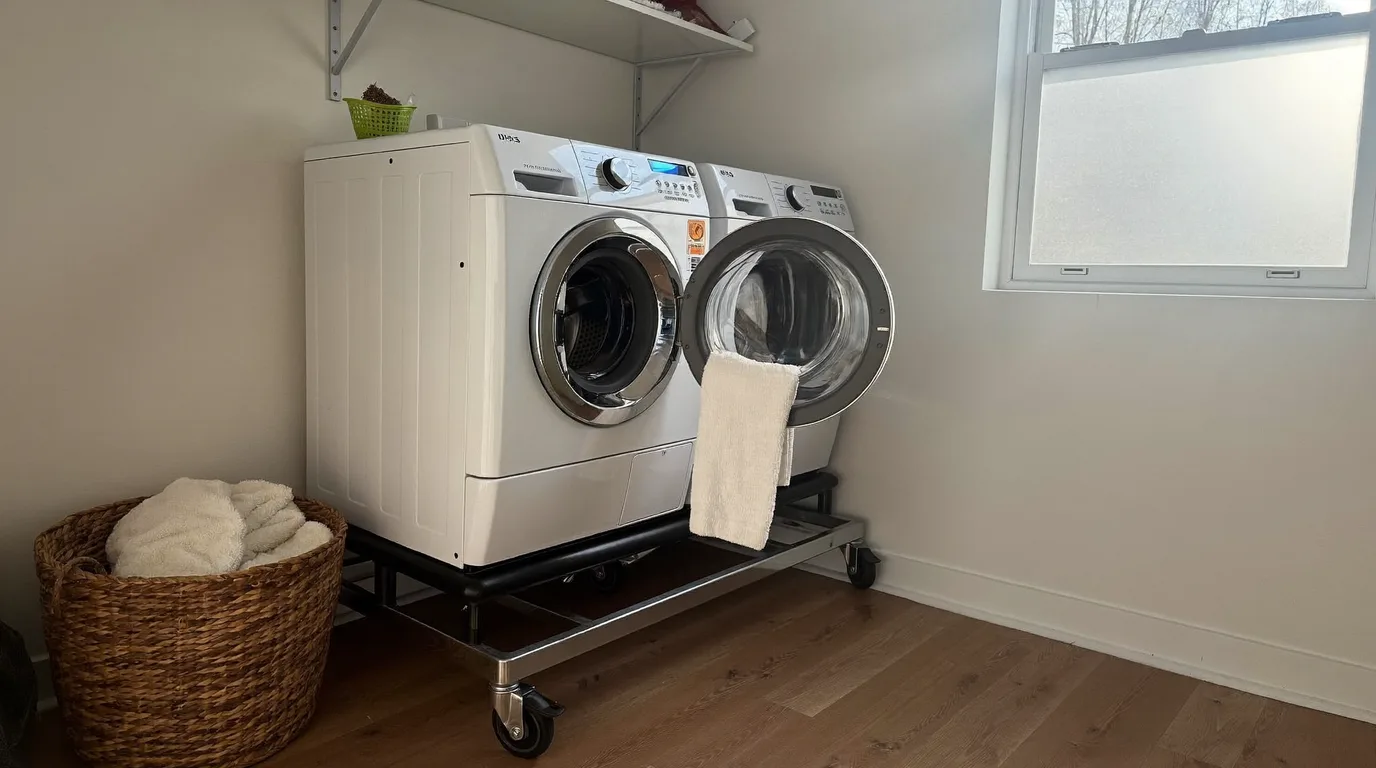
Washer and dryer: the two calls that outlast everything else in the house. Front loader or top loader, vented or heat pump, stacked or side by side, plus the catch that Australia's full-size whitegoods mostly sell through Appliances Online, The Good Guys and Harvey Norman, not Amazon.

 Laundry Detergent DispensersA refillable laundry detergent dispenser fixes the drips, unreadable labels and awkward lifts of a supermarket jug. We compare six Amazon Australia picks across liquid, powder and pods, and explain how to match one to your detergent and your laundry space.
 Washing Machine
 DryerFor frequent use, the Electrolux EDH912R9WC UltimateCare Plus 900 offers 9 kg capacity and a 10-star energy rating. Compare Australian heat pump, conventional condenser and vented models by capacity, features, installation needs and clearly labelled WA electricity estimates.
Day-one setup
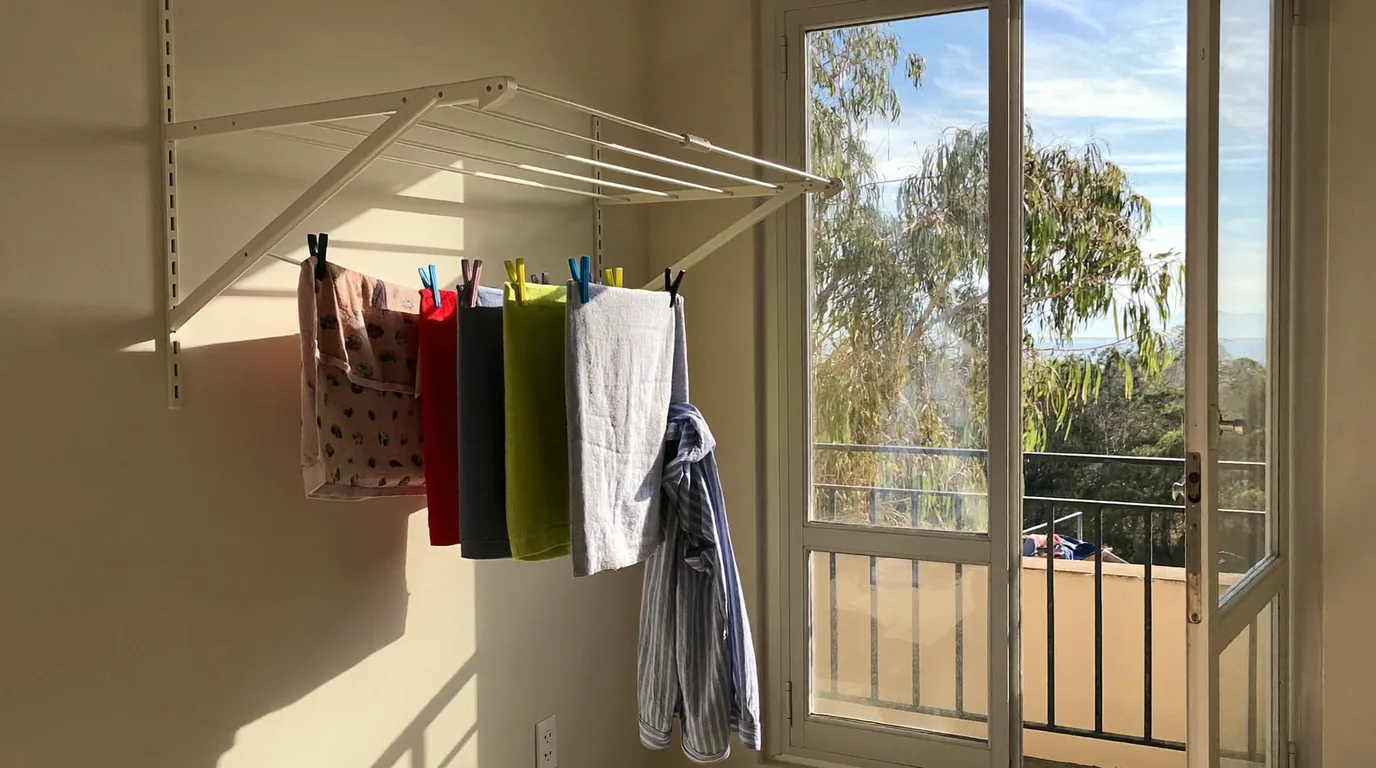
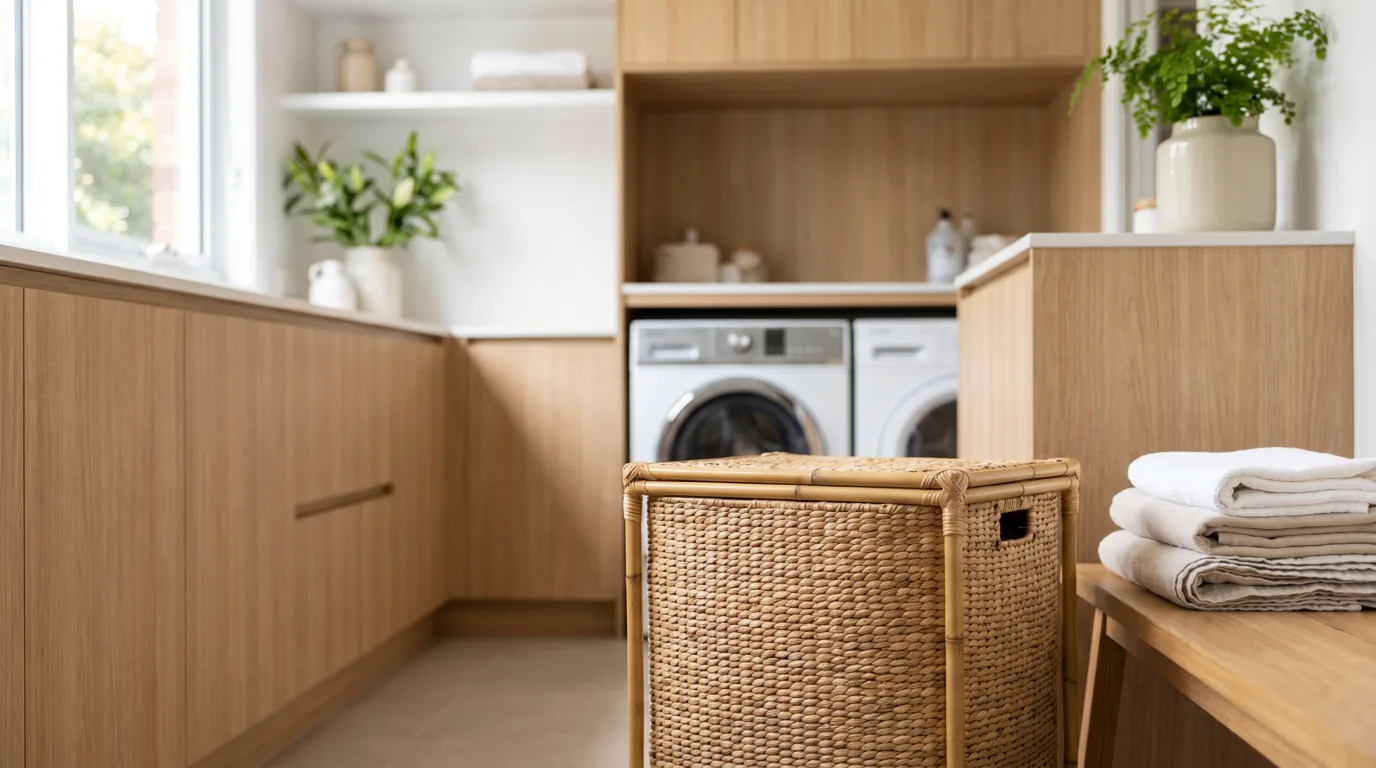
The workhorse kit that makes two square metres function: a sorter so the floor isn't one, a rack that folds flat against the wall, somewhere for detergent that isn't the top of the machine, plus the short cleaning-products list that skips the 30-bottle trap. Cheap decisions, daily payoff.
Drying and de-creasing
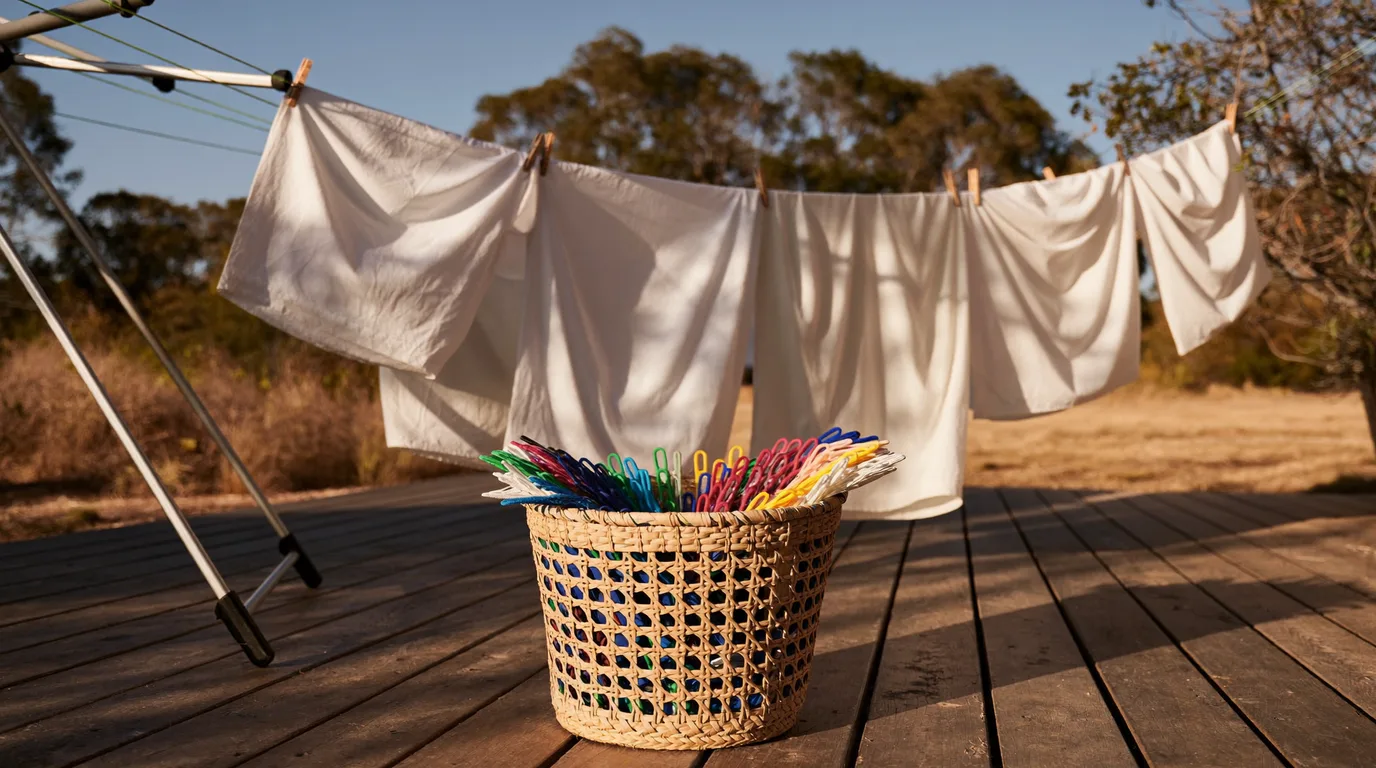
For the months the clothesline is decorative: heated airers and the safety checks to make before you buy one, steamers for people who own an iron out of guilt and use it twice a year, and a proper board for the shirts that genuinely need a crease.


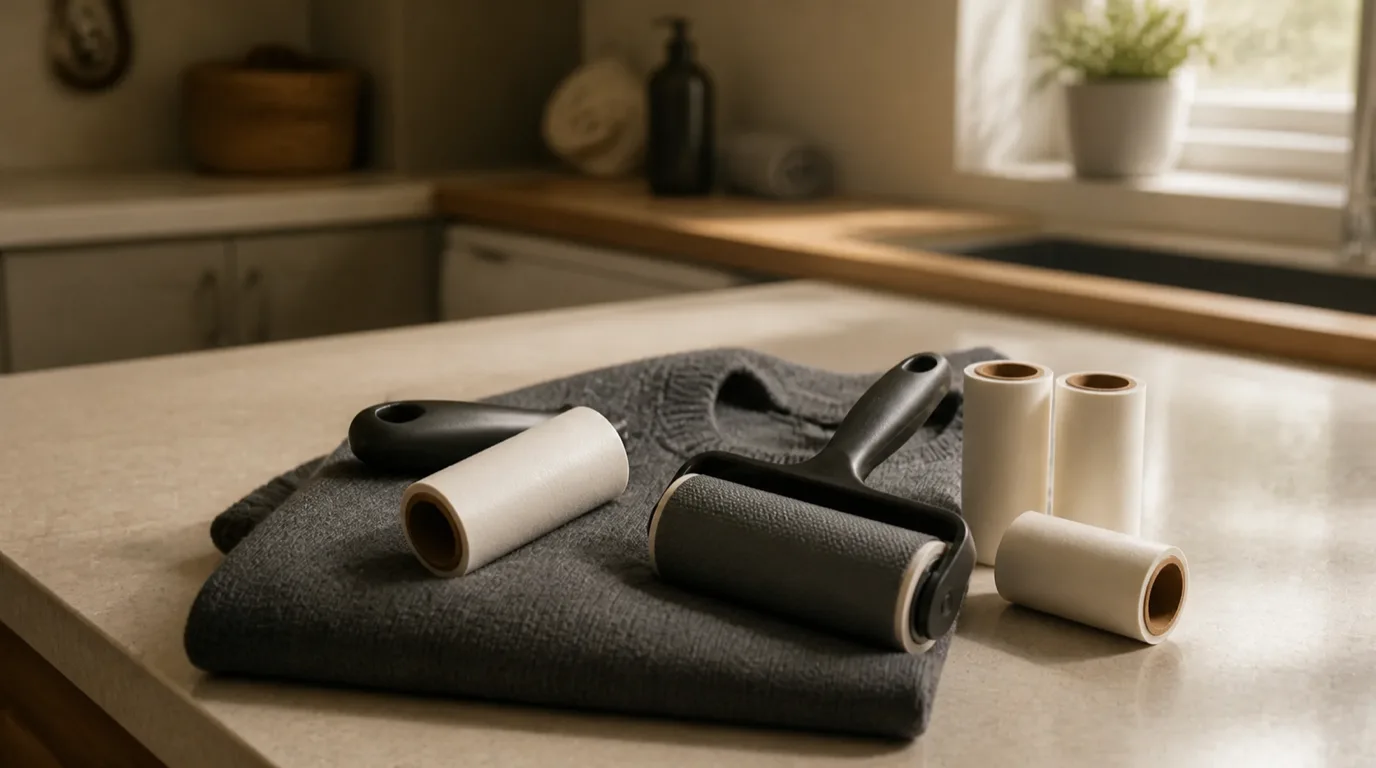
 Lint Remover and Fabric ShaverAfter studying every fabric shaver on Amazon Australia, the POPCHOSE 6-blade rechargeable is our top pick for reviving jumpers and couches. The Russell Hobbs Revive is the value buy, and the Philips GC026/80 is the cheapest way to get good results.
 Heated Clothes AirerA heated clothes airer uses heat to help dry washing indoors, and this guide focuses on models with heated rails. We have taken our product picks down while we rebuild this guide around models we can match to Australia's electrical safety register, so here is how they work and what to check before you buy one.
 Clothes and Garment SteamersA handheld garment steamer freshens hanging shirts, dresses and curtains without setting up an ironing board. Our pick for most people is the Philips 3000 Series, with continuous steam and a plate the maker says is safe against any ironable fabric. The five steamers here also cover quick touch ups, longer sessions, contact pressing and higher steam output.
 Ironing Board
 IronBest overall: Philips Azur 8000 Series DST8020/20. It is our pick for shirts and mixed fabrics because its Amazon AU listing specifies 55 g/min continuous steam, a 240 g boost and OptimalTEMP with one setting for ironable fabrics, checked 30 September 2026. Sunbeam Verve CeraFlow (SRC6000) is our budget pick.
The long game
Maintaining-stage thinking: hot water systems that trim the power bill, mending gear that keeps clothes out of landfill, and the microfibre cloths that do the actual cleaning.


 Sewing Machine
 Microfibre ClothsThe right microfibre cloth depends on the job, and the number that decides it is GSM: the weight of the fabric. A 250 to 320 GSM cloth is the cheap everyday all-rounder for wiping benches, glass and mirrors; a 500 GSM edgeless cloth is the paint-safe choice for buffing wax and polish on a car; and a plush 1100 to 1400 GSM towel is what dries a whole car in one pass. Higher GSM is plusher, more absorbent and gentler on paint, but costs more and takes longer to air-dry. We weighed GSM against the job, whether the edge is stitched or edgeless, and how honest each listing's reviews are. These six run from an 18 dollar MR.SIGA glass pack up to a 42 dollar Rag Company edgeless set.
Set up every room in the right order.
The room-by-room checklist we’d hand a mate on settlement day, with our pick for each job. One email, then we leave you alone.
Laundry questions, answered straight
Do I actually need a dryer, or will a heated airer do?
It depends on how much you dry and where. On energy use, the government's Energy Rating site says drying clothes outside is the best option, and that a drying rack in a warm, ventilated spot inside is better than using a clothes dryer. A heated airer adds heat but uses electricity, and drying indoors puts moisture into the room: the Australian Government's YourHome guide says it can increase humidity and add to condensation and mould problems. Our heated airer guide covers the running cost maths and the electrical safety checks, and the dryer guide covers heat pump models, which the YourHome guide says are much more energy efficient than conventional models.
Front loader or top loader for a small Australian laundry?
Front loader, almost every time, because you can stack a dryer on top and reclaim half the floor in a two-square-metre room. They're gentler on clothes and use far less water per cycle, which matters on a water bill in most Australian cities. The case for a top loader is real but narrow: faster cycles, no bending, and no mid-cycle lockout when a sock turns up late.
Is a clothes steamer worth it instead of an iron?
For anyone who irons one shirt a week, yes: a handheld steamer is quicker to grab, quicker to heat and skips the board entirely. Ironing still wins for sharp creases in business shirts and anything linen, and our steamer guide lists the handhelds worth buying.
CERTAIN CONTENT THAT APPEARS ON THIS SITE COMES FROM AMAZON. THIS CONTENT IS PROVIDED ‘AS IS’ AND IS SUBJECT TO CHANGE OR REMOVAL AT ANY TIME.