Garage & tools: what your first home actually needs
Buying guides covering drills, saws and the car kit a garage inevitably collects, from a small socket set to a detailing polisher.

Start here
The three that matter first
Nothing gets assembled, hung or fixed until you own a drill, and the Stanley FATMAX V20 kit's hammer action handles Australian brick as well as pine.

Hang the TV into a stud rather than into bare plasterboard; the Franklin ProSensor M70 lights up the full width of the stud with no calibration.
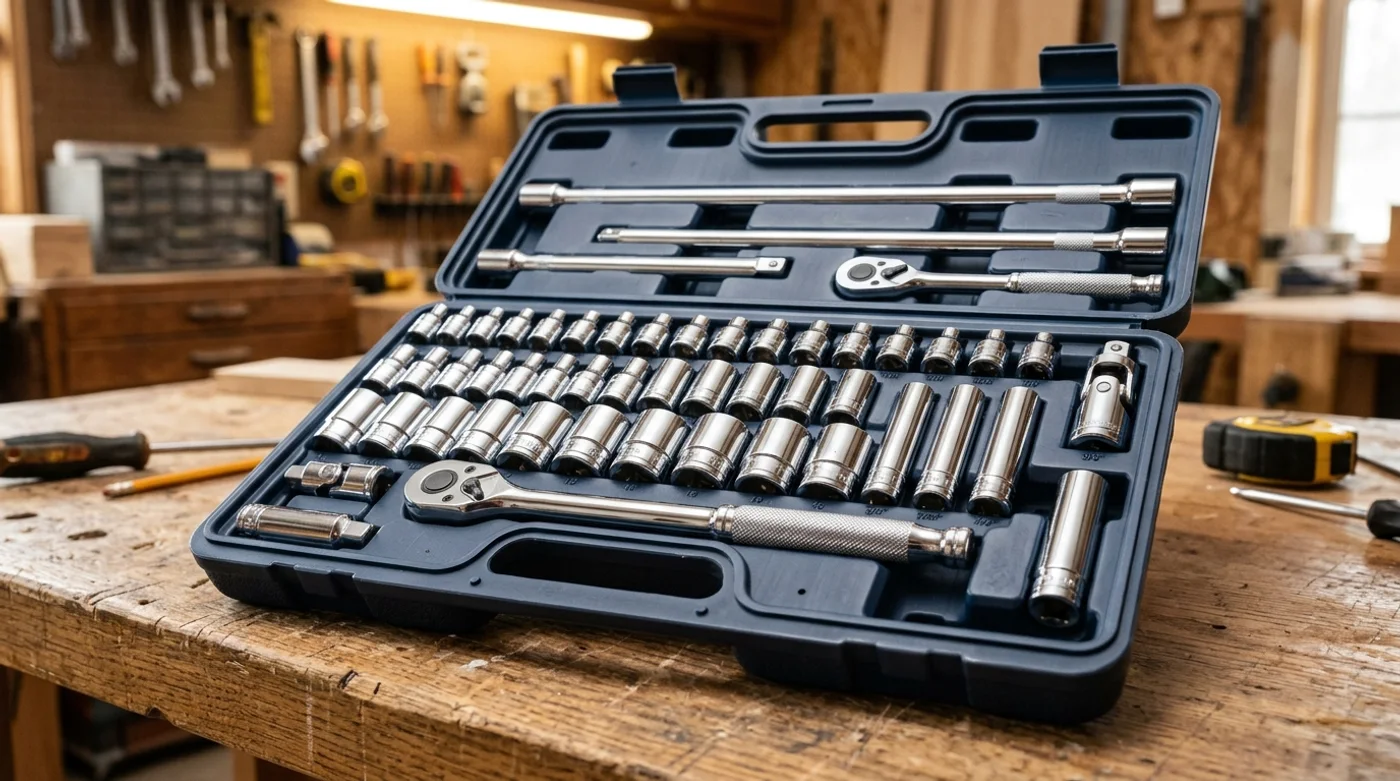
The SEDY 12 piece set gives you 10mm sockets in deep and shallow sizes, extension bars and a magnetic storage rail, in both quarter inch and three eighths drive.
Flat pack day exposes the truth of a first home: you own furniture in 2D and no tools to make it 3D. One decent kit fixes the afternoon, but the category really starts with a torque wrench, a KAIWEETS multimeter, and the AstroAI tyre inflator that lives in the boot.
From there it's the slow accumulation that makes a garage useful instead of merely full: ratchet straps for the trailer run, a COREBOX battery charger for the car that sat through your house hunting year, and a dual action polisher for when you care about the duco again. Where a tool's natural home is a trade supplier rather than Amazon, the guide says so.
Assembly and hanging
Day one tools for flat packs, shelves and wall mounts, from the SKIL 4V screwdriver to the Huepar cross line laser that squares up a gallery wall.


 Drill Bit SetsA large share of the highest rated drill bit sets sold in Australia are American designs in imperial fractions, which is why so many get used twice and forgotten. We ranked eight sets on Amazon Australia by whether their sizes match Australian jobs, plus shank type, coating and point angle.
 Door HandlesEight door handle sets compared for Australian homes, sorted by the job rather than the finish: a six-door matte black privacy kit for doing the whole house, single privacy and passage levers from Kwikset and Schlage, a solid brass Georgian pair for period interiors, and keyed entry options for sheds and garage doors. Prices, ratings and fit specs come from the Australian listings rather than a US parent listing.
 Staple GunsSeven staple guns for Australian homes, ranked by staple family first so you are not stuck ordering refills online for the life of the tool.
 Rivet GunsA first-home-buyer's guide to the best rivet guns in Australia for 2026, covering hand riveters, threaded rivnut tools and budget pop rivet kits with fresh prices, specs and use-case picks.
 Pocket Hole JigsA first-home-buyer guide to the best pocket hole jigs in Australia, comparing Kreg, Milescraft, Trend, wolfcraft and Massca on ratings, price and the projects each one suits.
 Tool BeltsA first-home-buyer guide to the best wearable tool belts and rigs on Amazon Australia for 2026, comparing fabric and leather options across seven picks by pockets, comfort, sizing and price.
 Hot Glue GunsA first-home-buyer guide to the best hot glue guns in Australia for 2026, covering corded workhorses, cordless craft guns and budget mini kits, with clear wattage and glue-stick advice.
 Storage Boxes
 The best car ramps
 Garage ShelvingThe garage shelving worth buying on Amazon Australia in 2026, with boltless steel, wire and wall-mounted formats compared on load rating, price and real owner reviews.
 Bench Grinders
 Grease GunsA first-home-buyer guide to the best grease guns you can actually buy on Amazon Australia in 2026, split into manual and cordless picks with real prices, star ratings and the local 450g cartridge trap explained.
 Drill Press
 Trolley JacksThe trolley jacks you can actually buy on Amazon Australia in 2026, ranked by the job they do, with the low-profile, all-rounder and budget trolley picks, emergency bottle jacks, and the jack-stand safety rules that matter most.
 Paint SprayersA practical guide to the best paint sprayers in Australia for first home buyers, split into HVLP handhelds for furniture and fences and airless rigs for whole-house jobs.
 Cordless Drills
 Tape MeasureA good tape measure is the first tool most new homeowners reach for. We rate the Bosch 5m auto lock as the best all rounder, the Stanley PowerLock 5m as the value buy with the most reviews, and the Crescent Lufkin Multi-Read 8m as the cheapest of our headline three.
 Chisel SetsDeWalt's 4-piece wood chisel set is our top pick for most first home buyers: hardened carbon steel, a strike cap for the mallet, and the highest star rating of our three headline picks. Irwin Marples is the value choice with the most reviews, and the Duramax 4-piece is the cheapest way to get sharp out of the box.
 Plier Set
 Pry Bars
 Caulking GunAfter researching the caulking guns Australians actually buy, the Tajima Convoy Super CNV-100SP is our top pick for its twin thrust system and clean auto stop. The wolfcraft MG 200 is the best value, and the Dripless ETS2000 is the budget choice that still stops the ooze.
 Sanding Blocks
 Paint RollersA microfibre roller with the right nap length is the single biggest factor in a smooth wall finish. Our top pick is the ROLLINGDOG 6-piece 18-inch kit for fast, even coverage on big walls and ceilings, with the Amazon Basics microfibre 6-pack as the value buy and a ROLLINGDOG 2-inch mini set for trims and corners.
 Wheel ChocksSolid rubber holds better than plastic on a slope, and the MaxxHaul 70472 is our top pick on grip and weight. The Aussie-made TRED GT is the cheapest pick, and the Camco rope chock is the easiest caravan choice for re hitching.
 Hand SawsA folding Bahco Laplander and a Japanese SUIZAN pull saw lead our 2026 hand saw guide, but the everyday winner for most Australian homeowners is the Fiskars Pro Power Tooth. We compare seven saws on tooth count, blade length, cut quality and price using live Amazon AU data.
 Allen Key Sets
 Clamps
 PegboardFor most Australian homes the Wall Control 30-P-3232 metal pegboard pack is the strongest, longest lasting pick. The HORUSDY 64 piece set is the best value because it bundles bins, and the VEVOR plastic kit is the budget pick. We compared eight boards on price, weight capacity and mounting.
 Work Gloves
 Bench ViceA heavy duty Stanley MaxSteel 150mm is our top all rounder, the WORKPRO 4.5 inch is the value pick, and the VEVOR 4.5 inch is the cheapest way to get a solid vice on your bench. We compared jaw width, clamping force, swivel base and real Amazon AU ratings.
 Utility Knives
 Spirit LevelsA magnetic 25cm Bosch Professional is the most versatile spirit level for a first home toolkit, the 60cm Bosch with marking sliders is the best value all rounder, and the Stanley Classic 800mm box level is the budget pick. We compared eight levels on Amazon Australia.
 Workbench for anFor most Australian garages the WORKPRO 48-inch adjustable rubberwood bench is the one to buy, with a 2000lb rated frame and 1,500-plus reviews. The Firstsky mobile pegboard bench is the value pick, and the SoonTools folding workstand is the cheapest way to get a stable surface.
 Hand Truck Trolley
 Wet Dry Vacuums
 Screwdriver SetsA screwdriver set is the first tool most new homeowners reach for, from assembling flat pack to swapping a power point cover. We ranked eight sets sold on Amazon Australia by real ratings, build quality and value. The Wera Kraftform 6-piece is our top pick, the Makita 6-piece is the value choice, and the Amazon Basics 42-piece impact bit set is the budget winner.
 Tool Bags
 Bike Racks for Cars
 WheelbarrowsA first home buyer's guide to the best wheelbarrows you can buy on Amazon Australia in 2026. We compare single wheel, dual wheel and four wheel dump carts across seven picks, with real ratings, weight capacities and the trade offs that actually matter for soil, mulch, pavers and reno rubble.
 Extension LeadsAfter studying Amazon AU listings, real owner ratings and Australian wiring standards, the Brennenstuhl 10m flat plug lead is our top all rounder, the QIUCABLE 5m AU 3 pin cord is the best value everyday lead, and the wininks 20cm short lead is the cheapest fix for a plug that will not reach. Eight picks cover household, caravan, heavy duty and safety switch needs.
 Car Covers
 Step Ladders
 Car Seat Organisers
 Electric ScrewdriversElectric screwdrivers split into two families: cordless DIY drivers for flat-pack furniture, hanging things and general jobs, and precision drivers for laptops, phones, glasses and small electronics, and the right one depends on what you are actually driving. We weighed voltage and torque, the bits and bit storage each one ships with, battery and charging, and how much control you get over speed. These six run from a 37 dollar Hi-Spec set up to the 167 dollar Fanttik E1 Max precision kit.
 Impact DriverAn impact driver drives long screws, bolts and fasteners fast by adding rotational hammer blows, and it takes bits in a 1/4in hex chuck, so it does a different job from a drill. The real decision is which battery platform you are on: Makita LXT, DeWalt 18V XR or Bosch Professional 12V. All three picks here are bare tools, sold as a skin only, so the battery and charger are sold separately.
 Stud Finder
 Laser Level
 Socket SetThe real choice here is drive size and whether the sockets are impact-rated or chrome hand tools. A 1/4 inch drive suits small, precise work, 3/8 inch is the all-rounder, and 1/2 inch handles heavy and impact jobs. These six run from a 20 dollar SEDY starter set to a 373 dollar DEWALT 168-piece mechanics kit, so you can match the set to the job rather than overspend.
 Tool Chest
Cutting, sanding and the messier jobs
Once the furniture's built you'll want to cut, smooth and strip things; the Bosch PST 650 jigsaw and the Dremel 3000 are the corded stalwarts here.

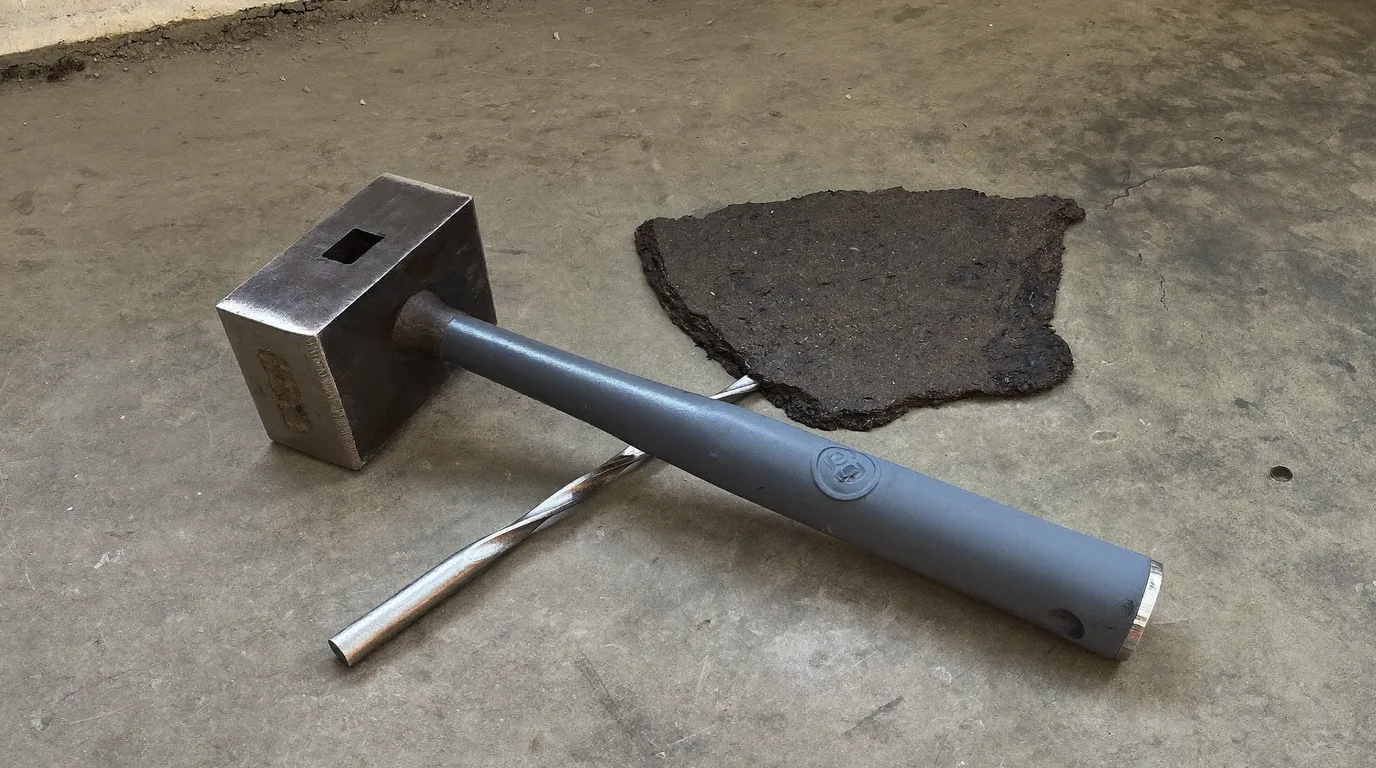

 Sawhorses
 Wood RoutersSeven woodworking routers for Australian home workshops, ranked around the two things overseas guides never check: which collet is actually in the box, and whether the plug will work here. Plunge, trim, dual base and router table options from Bosch, Ryobi, DEWALT and Trend.
 Welding HelmetsA first-home-buyer guide to seven welding helmets you can buy on Amazon Australia right now, from panoramic auto-darkening hoods to a cheap flip-front mask, with shade ranges, viewing area and honest flaws for each.
 Belt Sanders
 Table Saws
 Reciprocating SawThe reciprocating saw is the demolition and rough cut workhorse of a garage, and picking one comes down to corded versus cordless, brushless versus brushed, and bare tool versus kit. This guide compares three cordless options: the Makita DJR188Z for Makita LXT batteries and one handed saws from CRAFTSMAN and Milwaukee. All three are bare tools, so the battery and charger are sold separately.
 Safety GlassesEight safety glasses on Amazon Australia, with the compliance standard each listing actually states reported in full. Covers all round picks, spares, anti fog designs, over glasses shells for spectacle wearers, bifocal readers and polarised lenses for glare.
 Log SplitterA research backed guide to log splitters researched on Amazon Australia in 2026, leading with genuinely reviewed manual kindling splitters and being upfront about where to go for powered hydraulic units.
 Drop Saws
 ChainsawsThree cordless chainsaws compared for Australian homes: the Metabo MS 36-18 LTX BL 40 for firewood and storm cleanup, the Bosch EasyChain 18V-15-7 that comes with its battery and charger, and the TOPEX 20V TX221 kit.
 Circular Saw
 Jigsaw
 Orbital SanderThe honest split here is corded versus cordless. A corded random-orbital like the 76 dollar Black and Decker gives you unlimited runtime for next to nothing; a cordless skin only makes sense if you already own an 18V or 20V battery platform. Random-orbital is what most people want, because it sands swirl-free. These six run from that 76 dollar Black and Decker to the 241 dollar DeWalt.
 Angle GrinderThe real decision here is corded versus cordless, and if cordless, which 18V battery platform you already own. A corded Bosch Professional starts at 126 dollars with no battery to charge, while the cordless picks are mostly skins (tool only) that slot into the Ryobi ONE+, DeWalt XR, Makita LXT or Milwaukee M18 systems. These six run from a 126 dollar Bosch to a 338 dollar Makita LXT.
 Nail GunThe real choice here is gauge and power. The gauge decides the job. An 18 gauge brad nailer handles trim and light finishing, a 16 gauge finish nailer tackles skirting and architrave, and a framing nailer drives structural timber. Then you choose pneumatic, which needs a compressor, or cordless, which drops the hose. These five cover brad, finish and framing nailers in both pneumatic and cordless form.
 Rotary ToolsThe real choice here is a corded mains tool versus a cordless mini. Corded Dremels deliver the speed and stamina for grinding, cutting and sanding harder materials, while compact cordless minis like the Hardell are light, cable-free and ideal for engraving and craft work. These six run from a 44 dollar Hardell mini to a 189 dollar Dremel 4250.
 Heat Gun
The car bay
Half of an Australian garage is car space, and this is the kit that earns it; the ANCEL AD310 code reader tells you what the engine light means before you book the mechanic.


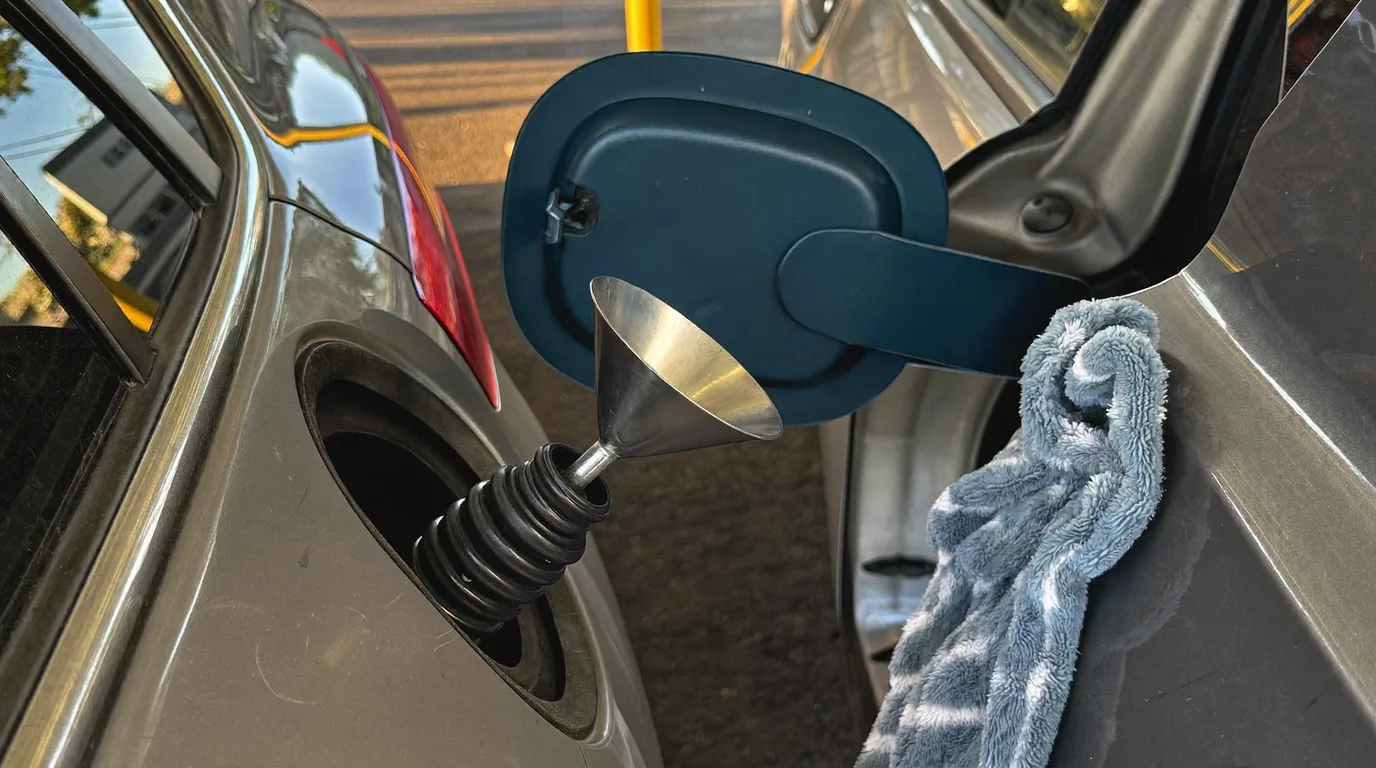
 Steering Wheel Locks
 Car Wax
 Car Air FreshenersA first-home-buyer's guide to the best car air fresheners in Australia, comparing vent clips, hanging diffusers and spill-proof tins on scent longevity, format and allergy honesty.
 Car Wash Kits
 The 6 Best Bike LocksAn honest, research-led guide to the best bike locks Australians can buy on Amazon Australia, covering D-locks, folding locks, chains and cables, with clear caveats on what cheap cables actually protect.
 LED Light Bars
 Electric Scooters
 Jump StarterThe real decision here is peak amps for your engine. A small four-cylinder petrol needs a fraction of what a big diesel ute does, so matching the boost pack to your car matters more than chasing the biggest number. These six run from a compact TREKURE that doubles as a power bank up to the NOCO GB70 flagship for large petrol and diesel engines.
 Car Battery ChargerThe real choice here is a low-amp smart maintainer that keeps a stored or seldom-driven battery topped up, versus a higher-amp charger that actually recharges a flat battery fast. NOCO and CTEK are the trusted names; cheaper chargers work fine but the premium brands add safety and recovery modes. These six run from a 39 dollar COREBOX 6A to the 189 dollar NOCO GENIUS10.
 Tyre Inflator
 Air CompressorA portable tyre inflator is the cheapest car gear that pays for itself in fuel and tyre life. We compare six picks for car, caravan, camping and 4WD use.
 OBD2 ScannerThe real choice here is a standalone code reader with its own screen versus a Bluetooth adapter that pairs with a phone app. Standalone readers like the Autel MS309 just plug in and show engine codes, with no phone and almost nothing to learn. Bluetooth adapters add live data and deeper systems through an app, if your car and app cooperate. These six run from the Autel up to the OBDLink MX+.
 Car VacuumA car vacuum lives or dies on suction and reach: whether it can lift embedded sand from the carpet and snake into the gap beside the seat. We compared six handheld and corded units sold on Amazon AU, weighing kPa figures, battery runtime, filter quality and the attachments that actually matter. The long-running ThisWorx corded unit anchors the budget end; cordless picks from Svoko, BISSELL, Xiaomi, Ofuzzi and Fanttik climb up from there.
 Car PolishersA car polisher drives a foam pad to cut swirls and bring gloss back to tired paint. The big decision is dual action versus rotary: a dual action oscillates as it spins, which makes it hard to burn the paint. Our pick is the SPTA 780W, a corded dual action with a long 15mm orbit, sold on Amazon Australia.
 Car Phone MountsA good car phone mount disappears into your dashboard until the moment you need directions, then holds your phone rock-steady at a glance. We compared six of the most-reviewed mounts in Australia (MagSafe magnetic, air-vent and suction-cup styles) on grip strength, one-handed mounting and whether they charge while you drive.
 Torque WrenchesA torque wrench is the difference between a wheel nut that stays put and one that strips its thread or works loose on the highway. The right one depends on the job: a 1/2in drive wrench is the car staple for wheel nuts and suspension, a 3/8in drive suits engine bays, spark plugs and motorbikes, a low range bike wrench handles delicate carbon parts, and a digital wrench gives you a precise readout with a buzzer. We weighed drive size, torque range, accuracy and whether it ships with a calibration certificate. These six run from everyday click wrenches to a Park Tool bicycle wrench, and the overall pick is the LEXIVON for its traceable cal cert and huge review base.
 Ratchet StrapsA good ratchet strap is the difference between a load that arrives in one piece and one that ends up on the freeway. The right set depends on what you are tying down and how heavy it is: a 25mm ratchet set handles furniture, kayaks and appliances, a wider 50mm set is for trailers and machinery, a cam buckle is gentler on fragile or light loads, soft loops protect a motorcycle, and a retractable set stows itself with no tangle. The one number that matters most is the working load limit (WLL), which is roughly a third of the headline break strength and the only figure you should secure a load to. We compared six sets on WLL, webbing width, hook type and pack size. They run from a 35 dollar HORUSDY 4-pack up to a 110 dollar Strapinno retractable set.
Testing gear and odd jobs
For dark roof cavities, suspect power points, soft bike tyres and whatever's buried under the lawn; the OTYTY work light and the AstroAI True RMS multimeter handle the first two.


 Laser MeasuresSeven laser distance measurers on sale in Australia right now, compared on range, accuracy, screen readability and battery, with a pick for every budget.
 Tap and Die SetsA first-home-buyer guide to the best tap and die sets on Amazon Australia, covering metric and imperial thread cutting and repair for the garage.
 Wire StrippersSeven wire strippers for Australian first-home owners, from a self-adjusting all-rounder to a budget automatic and a precision tool for fine wire, all researched on Amazon Australia.
 TorchesSix rechargeable LED torches for Australian homes, covering everyday carry, work and emergency use, with honest lumen figures and the flaws under each pick.
 Portable GeneratorsThe best petrol inverter generators on Amazon Australia for 2026, from an 8.5kg camping unit to 4.2kW home backup.
 Work Light
 Multimeter
 Bike PumpThe real choice is a floor pump for home, with a big gauge that hits high pressure fast, versus a mini pump for the saddlebag and roadside fixes, versus an electric pump for hands-free inflation. These six run from a 30 dollar Tiakia mini pump to the 125 dollar Bosch cordless EasyPump, and every one handles both Presta and Schrader valves.
 Metal DetectorsMetal detecting is one of the easiest outdoor hobbies to start. The real question is how serious you want to get. Beginner units like the Bounty Hunter TK4 are simple analog detectors that find coins and relics in the backyard, at the park or on the beach. Step up and you get target discrimination to ignore junk, IP68 waterproof coils for wet sand and a recognised name like Minelab. These six run from a simple analog Bounty Hunter up to a full RipTic kit.
Set up every room in the right order.
The room-by-room checklist we’d hand a mate on settlement day, with our pick for each job. One email, then we leave you alone.
Garage & Tools questions, answered straight
What tools should I buy first for a new house?
Three tools cover most of year one: a drill, a stud finder and a basic socket set. Start with the Stanley FATMAX V20 hammer drill kit, or the Bosch EasyDrill 18V-40 if you'll never drill into brick. Add a small socket set and the Franklin ProSensor M70 stud finder and the first year of jobs is mostly handled. Skip the big mechanics kits for now; the DEWALT 168 piece set earns its place once you're working on cars.
Do I really need a stud finder for plasterboard walls?
Yes. The knock test is unreliable. The Franklin Sensors ProSensor M70 lights up the full width of the stud with no calibration step. If you also want to know where the wiring runs before you drill near a power point, the Zircon MultiScanner i520 adds metal and live AC scanning.
What car gear should live in the garage?
A jump starter and a tyre inflator cover the two most common failures. The NOCO Boost GB40 is the safe default, with spark proof and reverse polarity protection built into the clamps, or the TREKURE 4500A does the job for less. Pair either with the AstroAI tyre inflator, which inflates to a preset pressure and shuts off by itself. If the car sits for weeks between drives, the NOCO GENIUS1 maintainer stops the battery going flat in the first place.
Keep the tyre inflator in the boot rather than on the garage shelf. The AstroAI tyre inflator stops automatically at the preset pressure.
Anish Puri, NestPath





CERTAIN CONTENT THAT APPEARS ON THIS SITE COMES FROM AMAZON. THIS CONTENT IS PROVIDED ‘AS IS’ AND IS SUBJECT TO CHANGE OR REMOVAL AT ANY TIME.