How to choose a cat litter mat in Australia
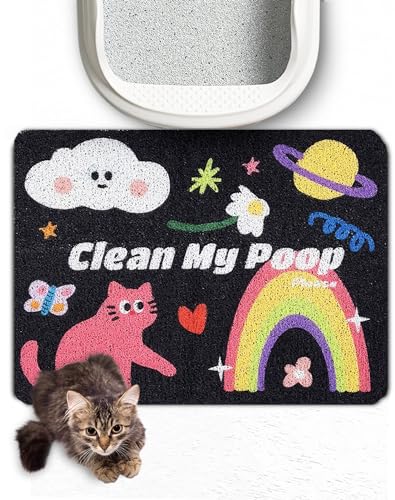
A litter mat is the cheapest, easiest fix for tracked litter all over the house - it sits under or in front of the box and catches the granules that stick to your cat's paws as it steps out. But mats are not all the same, and a few buying axes decide which one is right for you. The first and most important is the mechanism. A double-layer honeycomb mat is the genuine trapper: litter falls through the holes in the top layer into a sealed lower chamber that you tip straight back into the box, so it catches the fine stuff other mats miss. Single-layer foam, silicone and microfibre mats are surface catch-pads - they hold litter on top, which is easier to wipe or shake clean but traps less of the fine granules. After the mechanism, weigh softness versus trapping, the waterproof backing, how you clean it, and the size. This guide covers six mats from $13.18 to $52.61, each suited to a different priority.
The mechanism - honeycomb trapper versus surface catch-pad
Get the mechanism right and everything else is detail. A double-layer honeycomb mat (the Petinstinct and the ERHAOG here) is the only kind that genuinely traps litter rather than just holding it - the top layer has holes that capture the granules and let them fall through to a sealed lower layer you empty back into the box, so it grabs the fine stuff that otherwise tracks through the house. Single-layer foam (Fresh Kitty), silicone (Bartuke) and microfibre (CatGuru) mats are catch-pads: they hold litter on the surface, which is easier to wipe down but lets more fine granules escape. There is a softness trade-off too - soft EVA, silicone and microfibre are kinder on paws and many cats prefer them, whereas stiffer high-trapping textures some cats simply refuse to step on, and a mat your cat avoids does nothing. Choose honeycomb for maximum trapping, a softer pad for comfort and easy cleaning.
Softness - will your cat actually stand on it
The best-trapping mat in the world is useless if your cat will not put its paws on it, and cats can be genuinely fussy about texture underfoot. Soft EVA, silicone and microfibre mats are the safe bets here because they feel comfortable to stand on, which is why the softer picks in this guide tend to rate so well. Very stiff or spiky high-trapping textures are the ones cats most often refuse - so if your cat is at all sensitive, start with a soft mat rather than the firmest trapper you can find. The honeycomb mats here use a soft EVA that most cats accept, but it is firmer than a plush foam or silicone pad, so a particularly picky cat may still prefer the Fresh Kitty foam, the Bartuke silicone or the CatGuru microfibre. Comfort first, then trapping.
Waterproofing - keeping accidents off the floor
Most good litter mats are urine-proof, and it is a feature worth checking because a litter box is exactly where the occasional accident happens. A waterproof or urine-proof backing means a spill or a miss does not soak through to the floor or carpet underneath, which saves both the floor and a far worse clean-up. Every mat in this guide has a waterproof or leak-proof base: the Petinstinct has a fully enclosed urine-proof bottom, the ERHAOG and Lukamoo have urine-proof anti-slip bottom layers, the Bartuke is leak-proof silicone, and the CatGuru has a heavy-duty truly-waterproof backing. A non-slip element on that same base is a bonus, keeping the mat from sliding as your cat hops on and off. If you have hard floors or carpet near the box, treat a waterproof base as non-negotiable.
How you clean it - and what you can and cannot machine-wash
Different mats clean in different ways, and getting this wrong can wreck a mat. A double-layer honeycomb like the Petinstinct or ERHAOG you simply lift and pour the trapped litter back into the box, then rinse under a tap. A silicone mat like the Bartuke you sweep or rinse and wipe clean in seconds. A foam mat like the Fresh Kitty you shake out and wipe down. And only a microfibre mat like the CatGuru is genuinely machine washable - you fold it, shake the loose litter back first, then run it through the machine to disinfect and renew it. The critical warning: do not put a honeycomb or silicone mat through the washing machine, because it can damage or deform them. Check the material before you wash, and match the cleaning method to the mat.
Size - bigger is better for scatter control
A mat should be larger than the litter box footprint so your cat's paws land squarely on it as it steps out, and as a rule bigger is better for catching scatter. Automatic boxes fling litter further than a plain tray, so size up if you run a self-cleaning litter box. For one cat with a standard box, a 60cm mat like the Lukamoo is plenty. If litter spreads well past the box, or you have a large box or a multi-cat household, size up: the jumbo Fresh Kitty at 102cm and the extra-large Bartuke at 86cm cover a lot of floor, and both the Petinstinct and ERHAOG honeycomb mats are offered in larger sizes too. Measure the space around your box before you buy - width and depth - and size up rather than down, because a mat that is too small lets your cat step straight off onto the floor and defeats the point.
Hygiene and longevity
If you care about being able to deep-clean and sanitise the mat, the cleaning method matters as much as the trapping. Honeycomb, silicone and foam mats are wiped, rinsed or shaken clean, which handles day-to-day litter well but does not let you fully disinfect the surface the way a wash cycle would. The CatGuru is the exception here - being machine washable, it is the only mat you can run through a full cycle to disinfect and renew, which is the reason to pay its premium if a multi-cat home or a sensitive household makes hygiene the priority. For most single-cat homes, regular rinsing and the odd scrub keeps any of these mats fresh; for households that want to properly sanitise on a schedule, machine-washable is the feature to pay for.
Honeycomb double-layer versus foam, silicone and microfibre - which traps best
This is the single most useful thing to understand before buying. A double-layer honeycomb mat (the Petinstinct and the ERHAOG) is the genuine trapper, because litter falls through the holes in the top layer into a sealed lower layer that you empty back into the box - so it catches the fine stuff the other mats miss. Single-layer foam (the Fresh Kitty), silicone (the Bartuke) and microfibre (the CatGuru) mats are catch-pads: they hold litter on the surface, which makes them easier to wipe or shake clean but lets more fine granules track through onto your floor. How much there is to catch depends on the box as well: fine clay and crystal cat litters track far more than pellets or the larger tofu granules. Neither type is wrong - they just do different jobs. Choose a honeycomb mat for maximum trapping, especially if fine litter all over the house is your main complaint, and choose a softer foam, silicone or microfibre pad for comfort and the easiest cleaning if your cat is fussy about texture or you just want a quick wipe-down.
Will your cat actually use it - an honest note
It is worth saying plainly: the best-trapping mat is useless if your cat will not stand on it. Cats can be surprisingly particular about the texture under their paws, so the safe bets are the soft ones - EVA, silicone and microfibre mats feel comfortable underfoot and most cats accept them without a fuss. The textures cats most often refuse are the very stiff or spiky high-trapping ones, so if you go in chasing maximum trapping you can end up with a mat your cat walks around. If your cat is at all sensitive or fussy, start with a soft mat - the Fresh Kitty foam, the Bartuke silicone, the Lukamoo EVA or the CatGuru microfibre - and only push toward a firmer trapper once you know your cat is happy to use it.
How to clean a litter mat - and what you can and cannot machine-wash
The cleaning routine depends entirely on the mat, and using the wrong method can ruin it. Honeycomb mats like the Petinstinct and ERHAOG you lift and pour the trapped litter back into the box, then rinse under a tap. A silicone mat like the Bartuke you sweep or rinse and wipe. A foam mat like the Fresh Kitty you shake out and wipe down. And only a microfibre mat like the CatGuru is genuinely machine washable - fold it, shake the loose litter back into the box first, then run it through the machine to disinfect. The thing not to do is put a honeycomb or silicone mat through the washing machine, because it can wreck them - the layers and the moulded surfaces are not made for a wash cycle. Always check the material first, then clean it the way that material is designed for.
Getting the size right
A mat should always be larger than the litter box footprint, so your cat's paws land on it as it steps out rather than straight onto the floor - and for scatter control, bigger is genuinely better. The jumbo Fresh Kitty at 102cm and the extra-large Bartuke at 86cm suit large boxes and multi-cat homes where litter spreads a long way, while a standard 60cm mat like the Lukamoo is perfectly fine for one cat with a normal box. Measure the space around the box first and then size up rather than down, because the most common mistake is buying a mat that is too small - your cat clears it in one step and the litter ends up on the floor anyway. When in doubt, go a size larger.
A note on the Gorilla Grip mat
One honest note for anyone who has researched this category before. The most famous litter-mat brand is the Gorilla Grip Original Litter Trapper, which has tens of thousands of reviews and a strong reputation. The reason it is not a main pick here is purely availability: on Amazon AU it is often back-ordered or only listed in a small size, which makes it hard to recommend as a dependable buy. If you can get the size you actually want at a fair price, it is excellent. The six mats above are what we have built the picks around. If the Gorilla Grip is available in your size when you look, it is well worth considering alongside the Petinstinct as a honeycomb-style trapper.
Frequently Asked Questions
What type of litter mat traps the most litter?
A double-layer honeycomb mat traps the most. The top layer has holes that capture the granules off your cat's paws and let them fall through to a sealed lower layer, which you empty back into the box - so it catches the fine stuff that surface mats miss. The Petinstinct (around $13) and the ERHAOG (around $26) are the two genuine honeycomb trappers here. Single-layer foam, silicone and microfibre mats are catch-pads that hold litter on the surface - easier to wipe clean but they let more fine granules track through. If fine litter all over the house is your main complaint, buy honeycomb.
Will my cat actually use a litter mat, and is it soft on paws?
Most cats will, but the best-trapping mat is useless if yours will not stand on it, and cats can be fussy about texture. Soft EVA, silicone and microfibre mats are the safe bets because they feel comfortable underfoot - the Fresh Kitty foam, the Bartuke silicone, the Lukamoo EVA and the CatGuru microfibre all fit this. The textures cats most often refuse are the very stiff or spiky high-trapping ones. If your cat is at all sensitive, start with a soft mat and only move toward a firmer trapper once you know it is happy to use it.
How do I clean a litter mat, and can I machine-wash it?
It depends on the mat, and using the wrong method can ruin it. A honeycomb mat like the Petinstinct or ERHAOG you lift and pour the trapped litter back into the box, then rinse under a tap. A silicone mat like the Bartuke you sweep or rinse and wipe. A foam mat like the Fresh Kitty you shake out and wipe down. Only a microfibre mat like the CatGuru (around $53) is genuinely machine washable - fold it, shake the loose litter back first, then wash it to disinfect. Do not put a honeycomb or silicone mat through the washing machine, as it can wreck them - always check the material first.
What size litter mat do I need?
Pick a mat larger than the litter box footprint so your cat's paws land on it as it steps out, and bigger is better for scatter control. For one cat with a standard box, a 60cm mat like the Lukamoo (around $28) is plenty. If litter spreads well past the box, or you have a large box or a multi-cat household, size up - the jumbo Fresh Kitty at 102cm (around $24) and the extra-large Bartuke at 86cm (around $30) cover a lot of floor. Measure the space around your box first and size up rather than down, because a mat that is too small lets your cat step straight onto the floor.
Are litter mats waterproof for accidents?
Most good ones are, and it is worth checking because the litter box is exactly where the occasional accident happens. A waterproof or urine-proof backing stops a spill or a miss soaking through to the floor or carpet underneath. Every mat in this guide has a waterproof or leak-proof base - the Petinstinct (around $13) has a fully enclosed urine-proof bottom, the ERHAOG and Lukamoo have urine-proof anti-slip bottom layers, the Bartuke is leak-proof silicone, and the CatGuru (around $53) has a heavy-duty truly-waterproof backing. If you have hard floors or carpet near the box, treat a waterproof base as essential.
What is the difference between a honeycomb double-layer and a single-layer mat?
A double-layer honeycomb mat is a genuine trapper: litter falls through the holes in the top layer into a sealed lower layer that you tip back into the box, so it catches the fine granules other mats miss. A single-layer mat - foam, silicone or microfibre - is a surface catch-pad: it holds litter on top, which is easier to wipe or shake clean but lets more fine litter track through onto your floor. Neither is wrong, they just do different jobs. Choose honeycomb like the Petinstinct (around $13) or ERHAOG (around $26) for maximum trapping, and a softer single-layer pad for comfort and the easiest cleaning.
Which cat litter mat is best overall, for trapping and for multi-cat homes?
For most people the Petinstinct Double-Layer Honeycomb Mat (around $13) is the best overall - it is the cheapest here and the genuine trapper, catching the fine litter the catch-pad mats miss. For the most trapping with a bigger size option, the ERHAOG honeycomb (around $26) offers a size ladder up to jumbo. For multi-cat homes you want a large mat - the extra-large Bartuke silicone at 86cm (around $30) is the easiest to clean, the jumbo Fresh Kitty foam at 102cm (around $24) covers the most floor, and the machine-washable CatGuru (around $53) is the best for keeping a busy, multi-cat setup hygienic.