There is a particular kind of satisfaction in scooping ice cream you made yourself. You know exactly what went into it (real cream, real fruit, the sweetener you chose) and not a single ingredient you cannot pronounce. No gums, no emulsifiers you did not ask for, no air whipped in to pad out the tub. Just the flavours you wanted, made the way you wanted them.
That control is the whole appeal. A home ice cream maker lets you dial in the sugar and fat to taste, churn a dairy-free or vegan batch for someone in the house who needs it, and turn a tub of frozen mango or a scoop of protein powder into a genuinely good frozen dessert. Want gelato that is denser and less sweet? Done. A tart raspberry sorbet with nothing but fruit and a little sugar? Easy. A high-protein, lower-sugar pint that tastes like a treat instead of a punishment? That is exactly where these machines now shine.
It is cheaper per litre than premium tubs too, once you are past the cost of the machine, and for families, party hosts and anyone who eats dessert most nights, that adds up fast. The question is not really whether a home ice cream maker is worth it. It is which type suits how you actually live: are you a planner who is happy to freeze a bowl the night before, or do you want a scoop on demand the moment a craving hits? That single question decides almost everything, so we have built this guide around it.
At a glance: our top 3 ice cream makers
Three machines, three completely different technologies, priced from about $75 to $423. Each one represents a different answer to the pre-freeze question, and that, more than brand or wattage, is what you are really choosing between.
The big question: do you have to pre-freeze?
Almost every buying decision in this category comes down to one thing: whether the machine needs cold stored up in advance, or makes its own cold on the spot. There are three technologies on the market, and they fall cleanly on either side of that line.
1. Frozen-bowl machines (the Cuisinart Flavour)
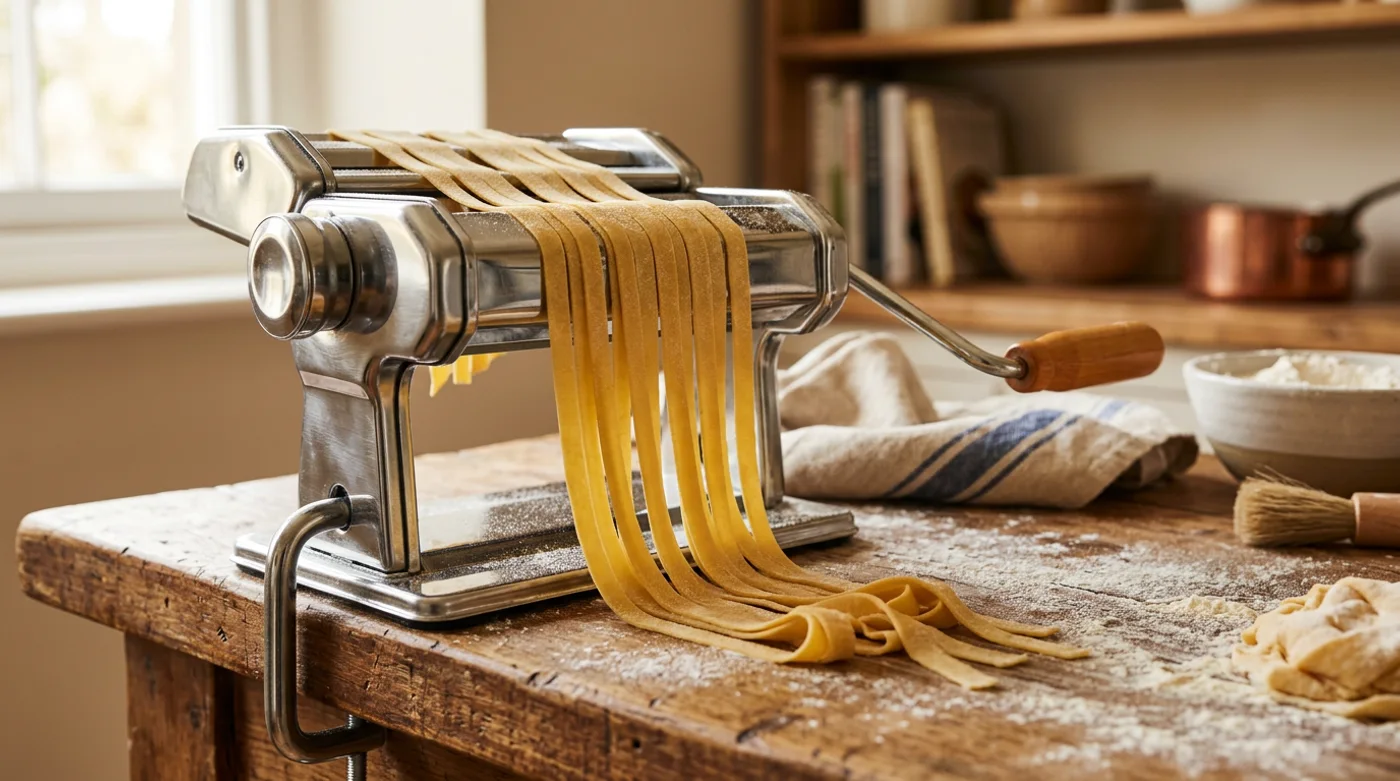
The classic, affordable approach. A double-insulated bowl sits in your freezer for 12 to 24 hours until the liquid sealed inside its walls is rock solid. You pour in your chilled base, the paddle churns it against the frozen wall, and in about 20 minutes you have soft-serve-style ice cream, gelato, sorbet or frozen yoghurt. The Cuisinart Flavour does exactly this with a 1.5L bowl and a clear lid with a mix-in spout. The catch is built into the method: you can only make one batch before the bowl needs re-freezing, so this is a machine for planned, occasional sessions rather than back-to-back batches.
2. Freeze-then-churn (the Ninja CREAMi)
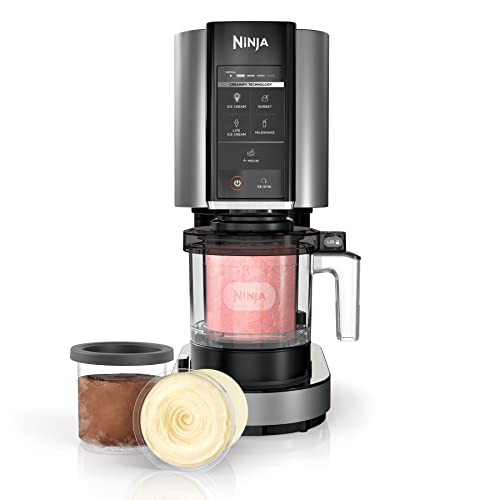
The technology that made this whole category go viral. Instead of freezing a bowl, you freeze your entire base solid in a tub (roughly 24 hours), then drop the frozen pint into the machine. The Ninja CREAMi uses Advanced Creamify Technology to shave the rock-hard block down and churn it into a smooth, scoopable dessert in a couple of minutes. Five one-touch programs (Ice Cream, Sorbet, Milkshake, Lite Ice Cream and Mix-in) plus a Re-Spin function for a softer result make it astonishingly versatile, and it ships with three 470mL tubs so you can batch a few flavours at once. It still needs that overnight freeze (the trade-off is the same as a frozen bowl), but the per-serve flexibility, especially for protein and single-serve healthy treats, is unmatched.
3. Self-refrigerating compressor machines (the Breville Smart Scoop)
The no-planning, no-compromise option. A compressor machine has its own built-in freezer (the same principle as your fridge), so there is nothing to pre-freeze. You pour in liquid base and it chills and churns on the spot, then runs batch after batch without waiting. The Breville the Smart Scoop adds a built-in compressor, a pre-cool function, 12 hardness settings spanning sorbet through to firm ice cream, automatic hardness sensing, and a keep-cool mode that holds your churned dessert chilled for up to three hours until serving. It is a genuine AU 220-240V unit at around 200W with a 1L bowl. The only real catch is the price.
So the honest summary: if you are spontaneous, or you entertain and want to run several batches in an afternoon, a compressor machine like the Breville is worth the premium. If you are happy to plan a day ahead, the Cuisinart and the Ninja CREAMi give you most of the joy for a fraction of the cost, and the CREAMi in particular does things neither of the others can.
How to choose the right ice cream maker
Once you have settled the pre-freeze question, a handful of practical factors will point you to the right machine.
The three methods, recapped
- Frozen-bowl: cheapest, but one batch per freeze and you must plan ahead.
- Freeze-then-churn (CREAMi): mid-priced, wildly versatile, brilliant for single serves and protein, but still needs an overnight base freeze.
- Compressor: most expensive, but instant and unlimited back-to-back batches with the most control.
Capacity and batch size
Think about who you are feeding. The Cuisinart bowl holds 1.5L, the Breville churns a 1L batch at a time, and the CREAMi works in 470mL pints, perfect for individual servings or a couple of flavours, less so for feeding a big crowd from a single run. For a family dessert, a 1 to 1.5L batch is the sweet spot. For meal-prepping single-serve protein pints through the week, the CREAMi tub size is a feature, not a limitation.
How often will you actually use it?
Be honest here. If ice cream night is a once-a-month event, the pre-freeze hassle of a frozen-bowl machine barely matters and the low price wins. If you want dessert on a whim several times a week, or you host often, the convenience of a compressor machine is what stops the appliance from gathering dust in a cupboard. Matching the machine to your real frequency is the single best way to avoid wasting money.
Protein, healthy and dairy-free needs
If your main reason for buying is high-protein or lower-sugar treats, the Ninja CREAMi is in a class of its own. For a quick drinkable single serve instead, you can compare cordless single serve blenders on the Amazon AU listings we read. Its Lite Ice Cream program and Re-Spin function are designed to rescue the lean, low-fat bases that protein and dairy-free recipes produce, exactly the mixtures that turn icy in other machines. You can read more in our coverage of high-protein and smoothie-style blends in the best blender guide, since a good blender and an ice cream maker work hand in hand for these recipes.
Noise, cleaning and storage
All churning machines make some noise; compressor units like the Breville add the hum of the built-in freezer, though it runs for the length of a batch rather than constantly. For cleaning, removable bowls, paddles and tubs that rinse easily are what you want: the Cuisinart is BPA-free and designed for easy clean-up, and the CREAMi tubs and paddle are simple to wash. On storage, be realistic about bench and cupboard space: a compressor machine is the heaviest and bulkiest of the three, while the CREAMi has a compact footprint and the Cuisinart bowl tucks back into the freezer between uses.
What you can actually make
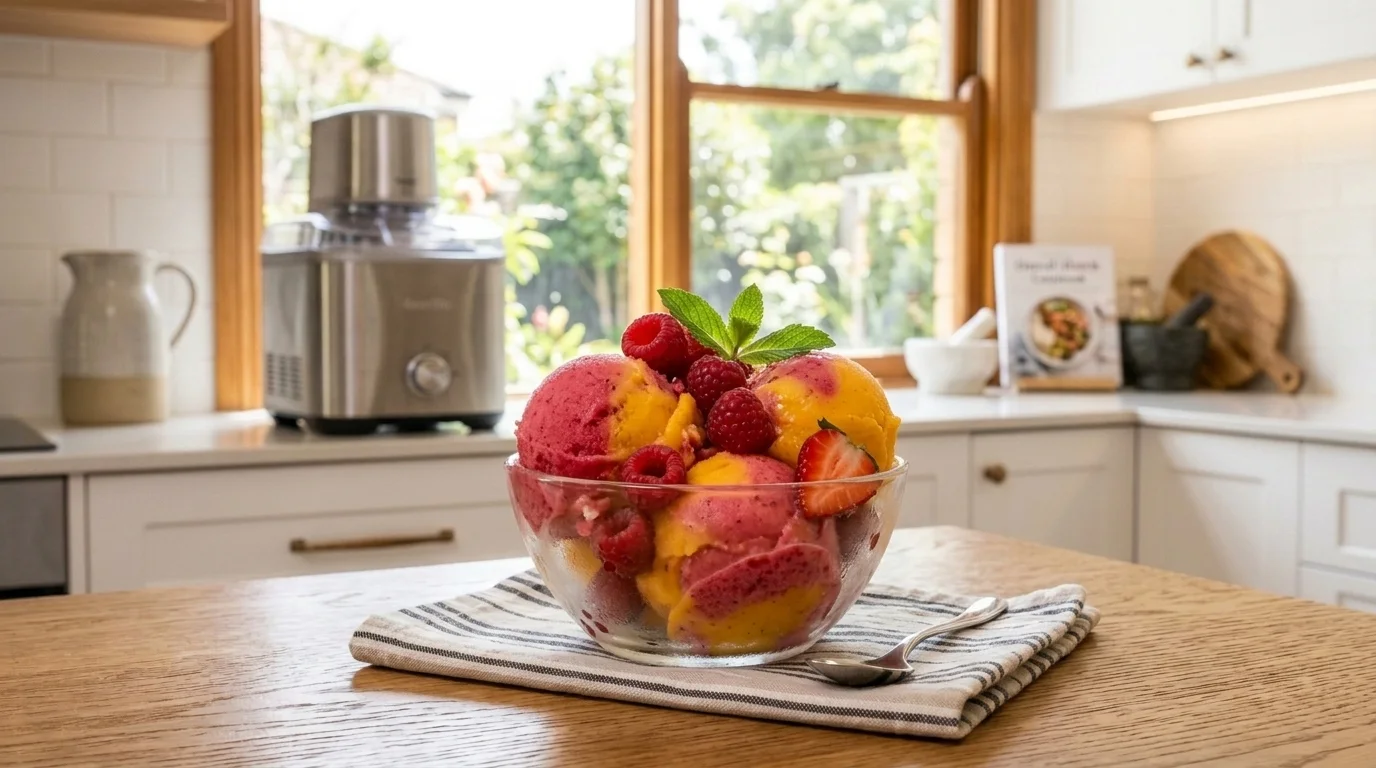
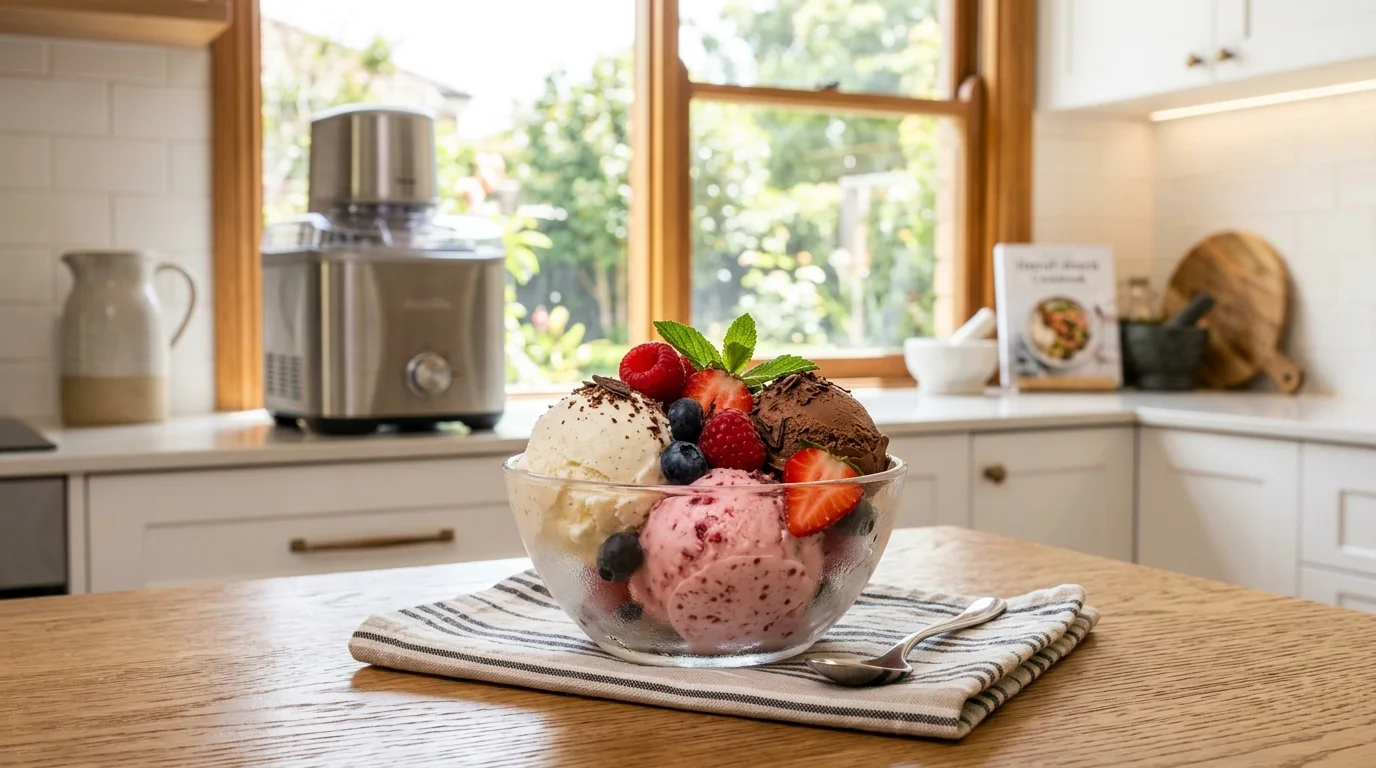
Modern ice cream makers are far more than vanilla machines. Across these three you can make:
- Classic ice cream: custard-based or simple cream-and-sugar, in any flavour you like.
- Gelato: denser, lower in fat, churned a little less to keep it silky.
- Sorbet: fruit, sugar and water, completely dairy-free and intensely flavoured.
- Frozen yoghurt: tangy, lighter, and quick to throw together.
- Protein ice cream: the CREAMi speciality (protein powder, milk and sweetener, frozen and creamified).
- Smoothie bowls and milkshakes: the CREAMi has dedicated programs for both.
- Dairy-free and vegan: coconut, oat or almond milk bases work across all three methods.
If you already make fruit purees and bases with a stick blender, you are halfway there, and our best stick blender guide covers the cheap tools that make sorbet bases effortless.
Tips for smooth, not icy, ice cream
The machine matters, but the base matters more. A few habits separate creamy homemade ice cream from a disappointing block of ice:
- Balance sugar and fat. Both lower the freezing point and interrupt large ice crystals. Strip them out too aggressively and you get ice; this is the most common reason low-fat bases turn out hard.
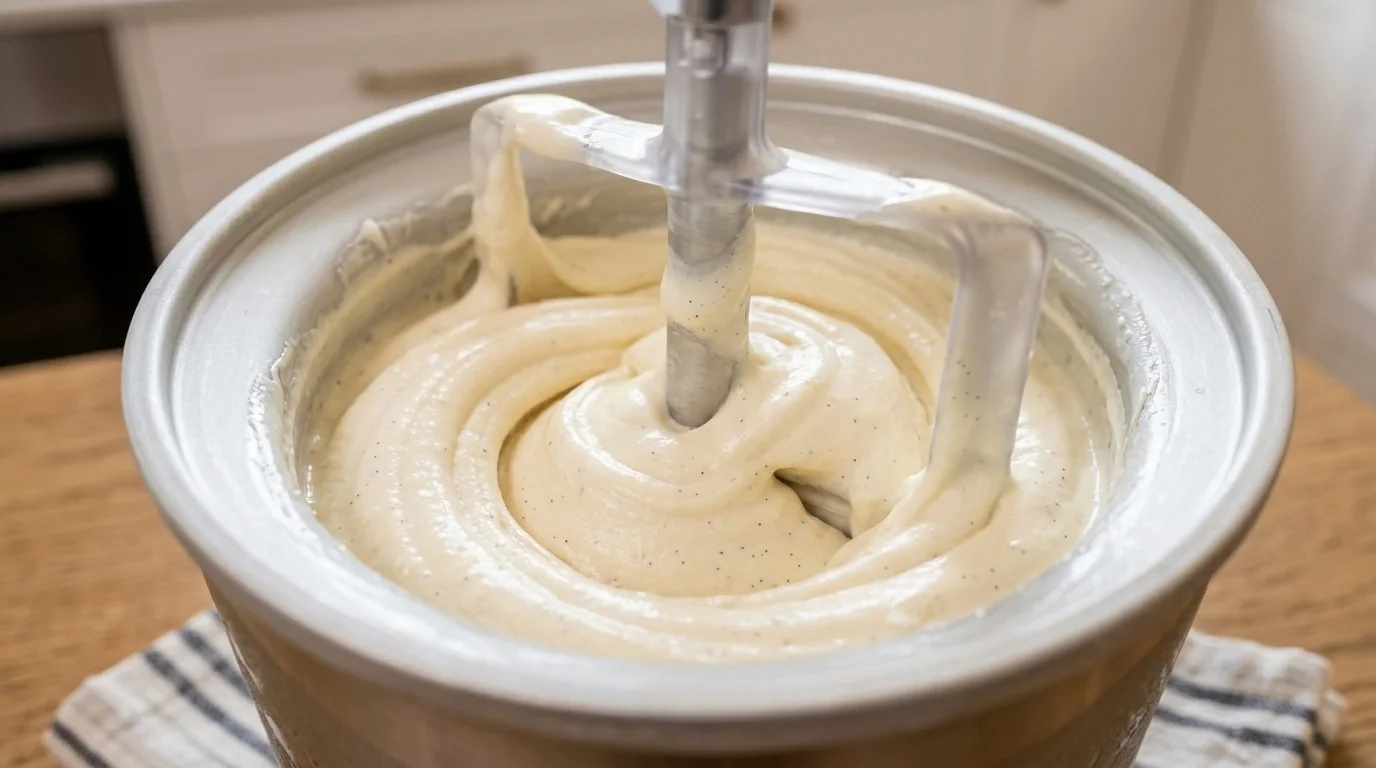
- Chill the base first. Refrigerate your mixture until cold before it goes near the machine: a warm base wastes the bowl or compressor capacity fighting to cool it down.
- Do not over-churn. Stop at soft-serve consistency; over-churning warms the mix and can make it grainy.
- Store it airtight. Press a layer of baking paper onto the surface and seal the container to keep ice crystals and freezer smells out.
- Eat it within a week or two. Homemade ice cream has no commercial stabilisers, so it firms up and crystallises faster than shop tubs. Fresher is always smoother.
Is it cheaper than buying tubs?
On ingredients alone, home-made almost always wins. Premium supermarket ice cream commonly runs $12 to $15 a litre. A home batch of cream, milk, sugar and a flavouring tends to land comfortably under that, and the gap widens for the trendy stuff: single-serve protein pints made in a CREAMi cost a fraction of bought protein desserts, and a fruit sorbet is little more than the cost of the fruit.
The machine itself is the upfront cost, so the maths is simple: the more often you make ice cream, the faster it pays for itself. A $75 Cuisinart used fortnightly through summer can close the gap on its price in a season. A $423 Breville is a bigger commitment, but for a household that makes dessert several times a week, or entertains regularly, the per-litre savings plus the convenience justify it. If you would only churn a couple of times a year, be honest with yourself and buy the cheapest machine that does the job.
How we picked
We did not lab-test these machines side by side, and we are not going to pretend we did. What we did do is map the category by its underlying technology (frozen-bowl, freeze-then-churn and self-refrigerating compressor) and choose the strongest, genuinely available representative of each, so that whichever way you lean on the pre-freeze question, there is a clear pick waiting.
Every product here was confirmed in stock on amazon.com.au at the time of writing, with genuine Australian-spec models (the Breville is a true 220-240V AU unit, not a parallel import). Prices are AUD and accurate at publication but do drift, so check the live listing before you buy. We have leaned on each machine's documented features and the well-established strengths and trade-offs of its technology (not invented testing claims) to match it to the kind of cook it suits best. For more kitchen-gear guidance, our kitchen essentials guide ties the whole benchtop together.
Frequently Asked Questions
What is the best ice cream maker in Australia in 2026?
For most people the Ninja CREAMi (about $249) is the best pick: its Creamify technology shaves and churns a frozen base into ice cream, gelato, sorbet, smoothie bowls and milkshakes, and it is outstanding for protein, lower-sugar and dairy-free single serves. The Cuisinart Flavour (about $75) is the cheapest way in with a pre-freeze bowl, and the Breville Smart Scoop (about $423) is the premium self-refrigerating pick that needs no planning.
Do you have to pre-freeze an ice cream maker?
It depends on the type. Frozen-bowl machines like the Cuisinart and freeze-then-churn machines like the Ninja CREAMi both need 12 to 24 hours of advance freezing: the Cuisinart freezes its bowl, the CREAMi freezes the base in a tub. Self-refrigerating compressor machines like the Breville Smart Scoop have a built-in freezer, so there is no pre-freezing and no planning at all.
What is the difference between a frozen-bowl, a CREAMi and a compressor ice cream maker?
A frozen-bowl machine freezes a double-insulated bowl overnight, then churns one batch before the bowl thaws. The Ninja CREAMi freezes your base solid in a tub, then shaves and re-churns it into a smooth pint. A compressor machine has its own built-in freezer, so it chills and churns on demand with no pre-freezing and can run batch after batch.
Can you make protein ice cream and dairy-free ice cream at home?
Yes, and it is one of the best reasons to own a machine. The Ninja CREAMi in particular is built for it: blend protein powder, milk or a plant-based milk and your sweetener, freeze the tub, then run the Lite Ice Cream program and a Re-Spin. You control the sugar, fat and protein, so vegan, lower-sugar and high-protein versions are easy without weird additives.
Why is my homemade ice cream icy instead of creamy?
Icy ice cream usually comes down to the base, not the machine. Too little sugar or fat means more free water that freezes into hard crystals, so do not strip the recipe back too far. Chill the base in the fridge before churning, do not over-churn, store it airtight, and eat it within a week or two. Homemade ice cream has no commercial stabilisers, so it firms up and crystallises faster than shop tubs.
Is making your own ice cream cheaper than buying tubs?
On ingredients alone, usually yes. A litre of premium ice cream often costs $12 to $15 in the shops, while a home batch of cream, milk, sugar and flavouring tends to land well under that, and single-serve protein pints made in a CREAMi are far cheaper than bought protein desserts. The machine is the upfront cost, so the more often you make ice cream, the faster it pays for itself.
How long does an ice cream maker take to make ice cream?
Once the bowl or base is frozen, the churn itself is quick: a frozen-bowl machine like the Cuisinart makes a soft batch in around 20 minutes, and the Ninja CREAMi creamifies a frozen pint in a couple of minutes. The catch is the freezing beforehand, which takes 12 to 24 hours. A compressor machine like the Breville skips that wait and churns on demand in roughly 30 to 60 minutes from liquid.