How to choose a posture corrector in Australia
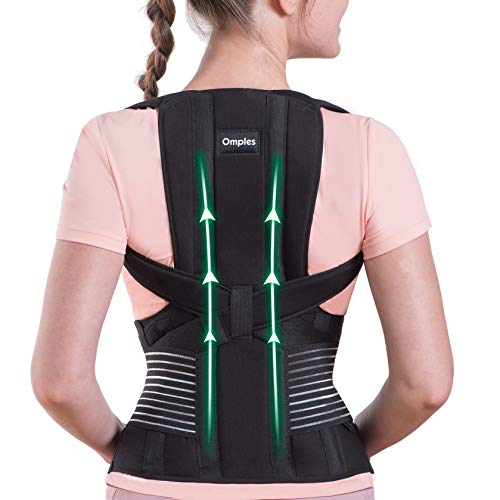
A posture corrector is a training aid, not a permanent fix - this is the single most important thing to understand before you buy one. It cues your shoulders back and reminds you to stop slouching while you build the habit and the muscle to hold yourself upright, but it does not rebuild your posture on its own, and no brace will. Within that honest framing, there are a few distinct types. Simple clavicle straps like the Maxzer are the cheap, discreet classic you wear under a shirt. Breathable fabric braces from real orthotics names like the TYNOR are the mainstream all-rounders. The FUTURO is a neoprene brace that 3M says was developed with a medical panel. Metal-stay braces like the Omples are the sturdiest, most structured support. And smart biofeedback trainers like the Kodgem buzz when you slouch and track the habit in an app rather than physically holding you. After settling the type, it comes down to comfort, fit, how much structure you want, and whether you want a passive strap or active feedback. This guide covers five correctors, each suited to a different person. A corrector works on the habit that causes the ache. If you also want something for the ache itself while you build that habit, a TENS machine blocks the pain signal instead.
Passive straps versus the biofeedback trainer
The biggest split in this guide is between passive braces and the one active trainer. Four of the five - the Maxzer, TYNOR, FUTURO and Omples - are passive: they physically pull or hold your shoulders into a better position while you wear them, and the moment you take them off, it is on you to keep the posture. The Kodgem is the odd one out and works the opposite way: it does not hold you at all, it senses when you slouch, buzzes to remind you, and tracks the habit in an app so you train yourself to self-correct. Neither approach is wrong, but they suit different people. If you want something cheap and physical to wear at a desk, a passive strap is the answer. If you want technology to build the habit and you do not mind paying for it, the biofeedback Kodgem is the one. Knowing which camp you are in narrows the whole decision quickly.
Comfort and fit - the thing that actually decides it
More than structure or brand, comfort and fit decide whether a corrector works, because the only corrector that helps is the one you actually keep wearing. This is why the most-reviewed braces still average around 3.7 to 4.1 stars - the lower reviews are almost always about a brace digging in, running hot or sizing wrong, not about it failing to do its job. Measure before you buy: the TYNOR fits a 28 to 42 inch chest, and the FUTURO is neoprene that slips on like a backpack. Ease in slowly - short sessions at first, not a tight strap all day from the start - so your back adjusts and you do not give up on day one. A corrector that fits and breathes gets worn; one that does not ends up in a drawer.
Brand matters - orthotics and medical names
This is a category full of generic, drop-shipped listings, so a real brand behind the brace is worth something. The TYNOR is made by a genuine orthotics company that produces orthopaedic supports for a living, which is why it is our overall pick and the most-reviewed corrector here at 4,845 ratings. The FUTURO is a 3M line, developed by a doctor and a medical panel rather than a marketplace seller, and it is latex-free for anyone with a sensitivity. These names do not guarantee the brace will suit your body - fit still rules - but they do mean the design came from people who understand supports, and that the product will likely be there for a return or a replacement. Against a sea of identical no-name straps, a TYNOR or a FUTURO is a more accountable place to put your money.
Structure - light cue or firm support
How much structure you want is a real fork in the road. A thin strap like the Maxzer gives a gentle cue - it nudges your shoulders back and reminds you to sit tall, and that is enough for a lot of people who just slouch at a desk. At the other end, the Omples uses two flexible metal stays for a firm, structured hold across the upper back, lower back and abdomen, which suits people who find a light strap does too little and want something that genuinely braces them. The trade-off is comfort: more structure means a firmer, warmer brace that takes more wearing-in. If a soft strap feels like it does nothing for you, step up to the metal-stay Omples; if a firm brace feels like overkill, a light cue is all you need.
Realistic expectations - what a corrector can and cannot do
Be honest with yourself about what you are buying. A posture corrector can remind you to stop slouching, make you aware of your posture, and support you while you build better habits and the muscle to hold yourself up - that is genuinely useful, and for a lot of desk-bound people it is exactly the nudge they need. What it cannot do is permanently fix your posture on its own, treat a back condition, or replace moving more and strengthening your back and core. Worn all day with no other change, any corrector can even let the supporting muscles do less, which is the opposite of the goal - so the right way to use one is in sessions, paired with getting up, moving and strengthening. If you have a diagnosed back problem, run a structured brace like the Omples past a physio first. Used as a training aid with realistic expectations, a corrector helps; expected to be a cure, it will disappoint.
The tech option and the Upright GO gap
If you want the smart route, there is one important thing to know about the Australian market. The best-known posture-training device, the Upright GO, is not sold on Amazon AU, so it is not an option here even though it dominates the conversation overseas. The Kodgem fills that slot as the genuine Upright-GO-style biofeedback trainer you can actually buy on Amazon AU - a discreet AI smart-necklace that buzzes when you slouch and tracks the habit in an app. The appeal of the tech approach is that it trains you to self-correct rather than holding you, which is closer to how lasting change works, and the app data lets you see progress over weeks. The catch is that the Kodgem is by far the most expensive pick, and the smaller review base of a newer device. If you specifically want feedback and tracking and the budget is there, this is the route; if you just want a cheap physical reminder, a passive strap does the job for a fraction of the cost.
Our verdict
For most people the TYNOR Posture Corrector is the smart buy, it is a real orthotics brand, a breathable fabric brace fitting a 28 to 42 inch chest, and the most reviewed corrector here by a wide margin, which makes it the safe mainstream all rounder and our pick. If you just want to test whether a corrector helps you at all, the Maxzer is a cheap, discreet clavicle strap that sits under your clothes. The FUTURO is a 3M medical panel developed neoprene brace that slips on like a backpack. For the firmest, most structured support the Omples uses two metal stays across the back and abdomen, and if you want the tech route, the Kodgem is the AI biofeedback necklace that fills the slot the Amazon-AU-absent Upright GO would. Whichever you pick, treat it as a training aid - the lasting change comes from the habit and the strength you build, not the brace.
Frequently Asked Questions
Do posture correctors actually work?
They work as a training aid, not a cure. A corrector reminds you to stop slouching and supports you while you build the habit and the muscle to hold yourself upright, which is genuinely useful for a lot of desk-bound people. What it cannot do is permanently fix your posture on its own, treat a back condition, or replace moving more and strengthening your back and core. Worn all day with no other change, a brace can even let your muscles do less, so the right way to use one is in sessions paired with movement and strengthening. Used that way, a corrector like the TYNOR helps; expected to be a cure, it will disappoint.
What is the difference between a strap brace and the Kodgem biofeedback trainer?
It is the difference between passive and active. Four of the five picks here - the Maxzer, TYNOR, FUTURO and Omples - are passive braces that physically pull or hold your shoulders into position while you wear them, and the moment you take them off it is up to you. The Kodgem works the opposite way: it does not hold you, it senses when you slouch, buzzes to remind you, and tracks the habit in an app so you train yourself to self correct. A passive strap is the cheap, physical route for a desk; the biofeedback Kodgem is the pricier route if you want technology to build the habit.
How do I pick the right size and make a corrector comfortable?
Comfort and fit decide whether a corrector works, because the only one that helps is the one you keep wearing. Measure before you buy, the TYNOR fits a 28 to 42 inch chest. Ease in slowly with short sessions at first rather than a tight strap all day, so your back adjusts and you do not give up on day one. Most of the lower-star reviews across the category come down to sizing and comfort, not the brace failing, so getting the fit right matters more than anything else.
Which posture corrector brands can I actually trust?
This category is full of generic, drop-shipped listings, so a real brand is worth something. The TYNOR is made by a genuine orthotics company that produces orthopaedic supports for a living, which is why it is our pick and the most reviewed corrector here. The FUTURO is a 3M line, developed by a doctor and a medical panel and made latex free. A brand does not guarantee the brace will suit your body - fit still rules - but it means the design came from people who understand supports and that the product will likely be there for a return or replacement.
Should I get a light strap or a structured metal-stay brace?
It depends on how much support you want. A thin strap like the Maxzer gives a gentle cue that nudges your shoulders back, which is enough for a lot of people who just slouch at a desk. At the other end, the Omples uses two flexible metal stays for a firm, structured hold across the upper back, lower back and abdomen, which suits people who find a light strap does too little. The trade-off is that more structure means a firmer, warmer brace that takes more wearing-in.
Can I buy the Upright GO in Australia?
Not on Amazon AU - the best-known posture-training device, the Upright GO, is not sold there, even though it dominates the conversation overseas. The Kodgem fills that slot as the genuine Upright-GO-style biofeedback trainer you can actually buy on Amazon AU: a discreet AI smart necklace that buzzes when you slouch and tracks the habit in an app. The appeal is that it trains you to self-correct rather than holding you, which is closer to how lasting change works. The catch is the price, by far the highest here, and a smaller review base as a newer device.
Is it safe to wear a posture corrector all day?
It is better to wear one in sessions than all day. Worn constantly, a brace can let the muscles that hold you upright do less work, which is the opposite of the goal of building strength and a lasting habit. Ease in slowly, wear it for stretches at a desk paired with getting up and moving, and treat it as a reminder rather than a crutch. If you have a diagnosed back condition, run a structured brace like the Omples past a physio before using it. Used as a training aid with movement and strengthening alongside it, a corrector supports better posture rather than weakening it.
Found this helpful?
Check out more guides for new homeowners.