The first decision is your phone, then the ratings
The best tablet in Australia starts with one question: do you carry an iPhone or an Android phone? In this guide a tablet means a touchscreen slate, and a laptop is a different product that we do not rank. Five of the seven tablets list Android as their operating system, the XIAOMI REDMI Pad 2 lists Xiaomi HyperOS 3, and the Apple iPad (A16) runs iPadOS.
If you carry an iPhone, the Apple iPad (A16) is the natural fit. Its listing describes iPadOS and says there are over a million more apps available on the App Store, and at 4.7 from 407 ratings it has the largest count of the seven.
If you carry an Android phone, lean Android. The Lenovo Idea Tab Plus 12.1 is the tablet we put first, the Samsung Galaxy Tab A11+ is rated 4.6 from 107 ratings, and the XIAOMI REDMI Pad 2 is rated 4.4 from 222 ratings. Each is described below with the figures its own listing gives.
Pick the side your phone is already on, then read the star score together with the number of ratings behind it. A 5.0 from 6 ratings tells you much less than a 4.7 from 407.
Best overall: Lenovo Idea Tab Plus 12.1
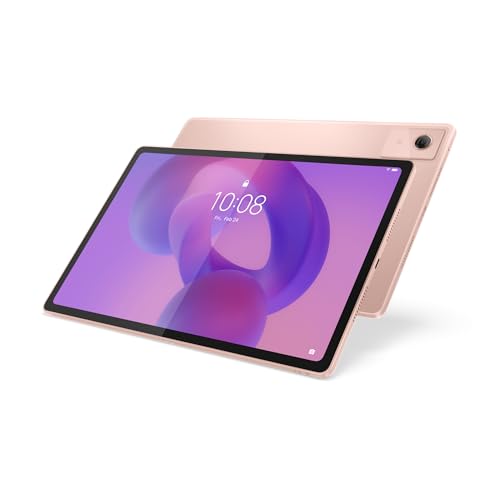
The Lenovo Idea Tab Plus 12.1 is the tablet we put first. Its listing shows a 12.1 inch 2.5K IPS 90Hz touch display, a MediaTek Dimensity 6400 processor and a pen bundled in the box. It is rated 5.0 from only 6 ratings and sold by Amazon AU, so treat the score as a thin count, not proof.
The bullets say 8GB RAM with 128GB storage, while the title also shows 12GB, so check the memory on the listing before you buy. The product information lists Android 15, Bluetooth and Wi-Fi, a USB Type C interface, a battery energy content of 10200 mAh and a one year limited warranty.
If you want a deeper record, the Apple iPad (A16), at 4.7 from 407 ratings, is the deeper count option, and the Samsung Galaxy Tab A11+ has 107 ratings at 4.6. The Lenovo Idea Tab Plus 12.1 listing shows Software Update Supported to Date as unknown.
How the seven tablets compare
This table puts the seven tablets side by side using each listing's own figures. Screen and operating system come from the title, bullet points or product information, and the rating and count are as shown on the Amazon AU listing.
| Tablet | Role | Screen | Operating system | Rating and count |
|---|
| Lenovo Idea Tab Plus 12.1 | Best overall | 12.1 inch 2.5K 90Hz | Android 15 | 5.0 from 6 ratings |
| XIAOMI REDMI Pad 2 | Budget pick | 9.7 inch 2K 120Hz | Xiaomi HyperOS 3 | 4.4 from 222 ratings |
| Samsung Galaxy Tab A11 | Also great | 8.7 inch | Android | 4.1 from 327 ratings |
| Lenovo IdeaTab 11 with Pen | Also great, our previous pick | 11 inch 2.5K | Android 15 | 4.3 from 59 ratings |
| Samsung Galaxy Tab A11+ | Also great | 11.0 inch 90Hz | Android 16 | 4.6 from 107 ratings |
| Lenovo IdeaTab Pro 12.7 | Also great | 12.7 inch 3K 144Hz | Android 14 or Later | 4.4 from 51 ratings |
| Apple iPad (A16) 128GB | Also great, the deeper count option | 11 inch Liquid Retina | iPadOS | 4.7 from 407 ratings |
The Lenovo Idea Tab Plus 12.1 has the highest rating in the table and the smallest count, so read its 5.0 with the 6 ratings in mind.
The screen sizes and refresh rates
The seven tablets run from the compact 8.7 inch Samsung Galaxy Tab A11 to the 12.7 inch Lenovo IdeaTab Pro 12.7. In between sit the 9.7 inch XIAOMI REDMI Pad 2, the 11 inch Lenovo IdeaTab 11 with Pen, the 11.0 inch Samsung Galaxy Tab A11+, the 11 inch Apple iPad (A16) and the 12.1 inch Lenovo Idea Tab Plus 12.1.
Resolution is sharpness and refresh rate is smoothness. The XIAOMI REDMI Pad 2 bullets give a 9.7 inch 2K display with a 120Hz refresh rate, the Lenovo IdeaTab Pro 12.7 bullets give a 12.7 inch 3K display with a 144Hz dynamic refresh rate, the Lenovo IdeaTab 11 with Pen bullets give a 2560*1600 display, and the Samsung Galaxy Tab A11+ and the Lenovo Idea Tab Plus 12.1 both list a 90Hz display. The Apple iPad (A16) lists an 11 inch Liquid Retina display with True Tone.
For reading, comics, photos and movies, a larger and sharper panel is worth having. For quick browsing and recipes, a smaller tablet such as the Samsung Galaxy Tab A11 is easier to carry and to hold, so match the size to where you will use it.
Processors, memory and the Lenovo or Samsung choice
The listings name these processors: the MediaTek Dimensity 6400 in the Lenovo Idea Tab Plus 12.1, the Qualcomm Snapdragon 6s 4G Gen 2 in the XIAOMI REDMI Pad 2, the MediaTek Dimensity 6300 in the Lenovo IdeaTab 11 with Pen, the MediaTek Dimension 8300, as the listing spells it, in the Lenovo IdeaTab Pro 12.7, and the A16 chip in the Apple iPad (A16). The Samsung bullets do not name a chip.
Memory differs too. The Lenovo IdeaTab Pro 12.7 lists 8GB RAM and 256GB storage, the Samsung Galaxy Tab A11+ title lists 6GB memory and 128GB storage, the Samsung Galaxy Tab A11 title lists 64GB and 4GB, and the Lenovo Idea Tab Plus 12.1 bullets list 8GB RAM with 128GB storage while its title also shows 12GB. We cannot rank these chips against each other from the listings, so read memory and storage first if you keep many apps open.
Lenovo or Samsung? Three Lenovo listings mention a pen: one is bundled in the box with the Lenovo Idea Tab Plus 12.1, the Lenovo IdeaTab 11 with Pen lists the Lenovo Tab Pen, and the Lenovo IdeaTab Pro 12.7 lists "Lenovo Tab Pen plus included". The Samsung Galaxy Tab A11+ bullets list Google Gemini, Circle to Search, Solve Math, DeX mode for a PC like experience, and Quick Share with compatible Galaxy devices. Choose Lenovo if a pen matters and the Samsung Galaxy Tab A11+ if DeX or Galaxy sync matters.
A pen turns a tablet into a notebook
Three listings include a pen. The Lenovo Idea Tab Plus 12.1 says "Pen bundled in box", the Lenovo IdeaTab 11 with Pen lists the Lenovo Tab Pen in its title and bullets, and the Lenovo IdeaTab Pro 12.7 lists "Lenovo Tab Pen plus included".
The Lenovo IdeaTab 11 with Pen bullets say "Whether you're taking notes, sketching ideas, or annotating PDFs, every stroke feels natural", and the Lenovo IdeaTab Pro 12.7 product information lists Business, Entertainment and Student as its specific uses. The Apple iPad (A16) bullets say you can use Apple Pencil to write in any text field with Scribble, so check what the iPad listing includes before you count on a pencil.
For students and note takers, a bundled pen means one less thing to buy, so the Lenovo Idea Tab Plus 12.1, the Lenovo IdeaTab 11 with Pen and the Lenovo IdeaTab Pro 12.7 are the three to look at first. The ratings section below shows how many ratings sit behind each of them.
Storage and microSD
The XIAOMI REDMI Pad 2 and Samsung Galaxy Tab A11 titles say 64GB. The Lenovo Idea Tab Plus 12.1, Samsung Galaxy Tab A11+ and Lenovo IdeaTab 11 with Pen list 128GB, the Lenovo IdeaTab Pro 12.7 lists 256GB, and the Apple iPad (A16) bullets say storage starts at 128GB and goes up to 512GB.
On expandable storage, the Samsung Galaxy Tab A11+ bullets give up to 2TB of expandable storage via MicroSD, the Samsung Galaxy Tab A11 product information lists microSD as its compatible flash memory type, and the Lenovo IdeaTab Pro 12.7 product information lists MicroSD as a hardware interface. The bullets and product information for the Lenovo Idea Tab Plus 12.1, XIAOMI REDMI Pad 2, Lenovo IdeaTab 11 with Pen and Apple iPad (A16) do not mention a microSD slot, so check the listing before you count on one. If you add a card, our microSD card guide compares options.
Storage that cannot be expanded means choosing the size you need up front. Downloaded shows, photos and games fill a tablet quickly, so leave some room.
Battery life and charging
Battery figures come in different forms, so they do not line up neatly. The XIAOMI REDMI Pad 2 lists a 7600mAh battery with 18W fast charging, the Lenovo IdeaTab 11 with Pen lists 7040 mAh with a 20W charger and says "up to 12 hours video streaming", and the Lenovo IdeaTab Pro 12.7 lists up to 11 hours of streaming with 45W rapid charging. The Apple iPad (A16) bullets say all day battery life, and the Lenovo Idea Tab Plus 12.1 product information lists a battery energy content of 10200 mAh.
For a flight, a road trip or a long day out, the listed hours and capacities are the best guide we have, and they are the makers' claims, not our tests. The Samsung Galaxy Tab A11 is the smallest of the seven at 8.7 inches, which helps when you are packing light.
Charging depends on the charger and cable as well as the tablet, so a cable that suits the charger can matter. Our guide to the USB-C cable covers the options.
How many ratings are behind each tablet
The star score only means something next to the count. On the Amazon AU listings the Lenovo Idea Tab Plus 12.1 shows 5.0 from 6 ratings, the Lenovo IdeaTab Pro 12.7 shows 4.4 from 51, the Lenovo IdeaTab 11 with Pen shows 4.3 from 59, the Samsung Galaxy Tab A11+ shows 4.6 from 107, the XIAOMI REDMI Pad 2 shows 4.4 from 222, the Samsung Galaxy Tab A11 shows 4.1 from 327 and the Apple iPad (A16) shows 4.7 from 407.
A rating from only 6 buyers is a thin count: a first impression, not proof. We put the Lenovo Idea Tab Plus 12.1 first because it has the highest rating of the seven and a pen in the box, and we name the Apple iPad (A16) as the deeper count option because 407 ratings sit behind its 4.7. Neither number tells you who the buyers are, and ratings can change.
Tablet or laptop: where the line sits
A tablet with a keyboard case is still a tablet, and a laptop is a different product that we do not rank. For light jobs such as email, video calls, documents and streaming, a tablet can stand in for a computer. For long typing days or heavy desktop software, a laptop is still the better tool.
The listings point to the tablets that lean furthest towards laptop jobs: the Apple iPad (A16) bullets say iPadOS lets you run multiple apps at once, the Samsung Galaxy Tab A11+ lists DeX mode for a PC like experience, and the Lenovo IdeaTab Pro 12.7 lists a 12.7 inch 3K display with 8GB RAM and 256GB storage. None of the seven listing titles or bullet points names Windows. If the tablet will sit at a desk, a laptop stand can lift it towards eye height.
Who each tablet suits
For study and note taking, start with the three tablets that include a pen: the Lenovo Idea Tab Plus 12.1, the Lenovo IdeaTab 11 with Pen and the Lenovo IdeaTab Pro 12.7, whose product information lists Business, Entertainment and Student uses. For entertainment, the XIAOMI REDMI Pad 2 and the Lenovo IdeaTab 11 with Pen both list Entertainment as their specific use, and both mention Dolby Atmos speakers.
For iPhone owners the Apple iPad (A16) is the natural match, and for Galaxy phone owners the Samsung Galaxy Tab A11+ lists Quick Share and sync with compatible Galaxy devices. For travel, the compact Samsung Galaxy Tab A11 is the smallest at 8.7 inches. For general home use, the Lenovo Idea Tab Plus 12.1 is the tablet we put first, with the Apple iPad (A16) as the deeper count option.
None of the seven listing titles or bullet points mentions kids, seniors or smart home use, and the Lenovo Idea Tab Plus 12.1, Lenovo IdeaTab Pro 12.7 and Samsung Galaxy Tab A11+ product information gives the age range as Adult. We therefore do not recommend any of them as a kids, senior or smart home tablet.
Tablet or eReader
If you mostly read books, a dedicated eReader may suit you better than a tablet. Our guide to the best eReader compares the options on their own listings.
A tablet earns its place when you also want video, web browsing, video calls or apps, which is what the seven tablets in this guide are built around.
The other six tablets we compared
The cards below follow the order of the table above, each with the rating and count taken from its Amazon AU listing.
XIAOMI REDMI Pad 2
The XIAOMI REDMI Pad 2 is a 64GB tablet with a 9.7 inch 2K display at 120Hz, a 7600mAh battery with 18W fast charging and a Qualcomm Snapdragon 6s 4G Gen 2 processor. Its product information lists a 2 Year Manufacturer warranty, Wi-Fi as the wireless technology and 4G as the cellular technology, so check the version on the listing. It is rated 4.4 from 222 ratings and sold by Amazon AU.
How we chose
We compared seven tablets using two sources: the Amazon AU listings, and the makers' own wording on those listings. Specs come from the maker's bullet points and the product information on each listing, ratings and counts are as shown on the Amazon AU listing, and where a listing gives two values for one spec we name both. A rating from only a handful of buyers is called out as a thin count. Prices change, so read the live price on each Amazon AU listing.
Last checked: 23 October 2026.
Frequently Asked Questions
Which tablet is best for home use?
For most homes we would start with the Lenovo Idea Tab Plus 12.1, a 12.1 inch 2.5K tablet with a 90Hz display and a pen bundled in the box. It has only 6 ratings, averaging 5.0, so the Apple iPad (A16), at 4.7 stars from 407 ratings, is the option with the deeper record.
What is the best Android tablet to buy right now?
The Lenovo Idea Tab Plus 12.1 is the Android tablet we put first. Its listing shows Android 15, a MediaTek Dimensity 6400 processor, 128GB storage, a 90Hz display and a pen bundled in the box. It has only 6 ratings, so the Samsung Galaxy Tab A11+, at 4.6 stars from 107 ratings, has the deeper record.
Is there any tablet that can run Windows?
None of the seven listing titles or bullet points names Windows. The Lenovo Idea Tab Plus 12.1 product table lists Android 15, the Samsung Galaxy Tab A11+ table lists Android 16 and the Apple iPad (A16) runs iPadOS, while the XIAOMI REDMI Pad 2 lists Xiaomi HyperOS 3. If you need Windows, this guide does not cover it.
Can tablets replace a computer?
For light daily jobs such as email, video calls, documents and streaming, a tablet can stand in for a computer, and a tablet with a keyboard is still a tablet. The Apple iPad (A16) listing says iPadOS lets you run multiple apps at once. For heavy desktop software or long typing days, a laptop is still the better tool.
Are tablets as good as a laptop?
It depends on the job. A tablet suits streaming, reading, notes and video calls, and three of the seven listings include a pen. A laptop suits long typing sessions and desktop software. Our picks are all tablets, and a laptop is a different product that this guide does not rank.
What's the best tablet to use as a laptop?
If you want a tablet that works like a laptop, look at screen size, memory and storage first. The Lenovo IdeaTab Pro 12.7 lists a 12.7 inch 3K display, 8GB RAM and 256GB storage, and the Samsung Galaxy Tab A11+ lists DeX mode for a PC like experience. Neither is a laptop.
What's the lifespan of a Samsung tablet?
The Samsung Galaxy Tab A11+ and Samsung Galaxy Tab A11 listings both show Software Update Supported to Date as unknown, so we cannot give you a lifespan figure for either. Samsung's own page is the place to check its update commitment before you buy.