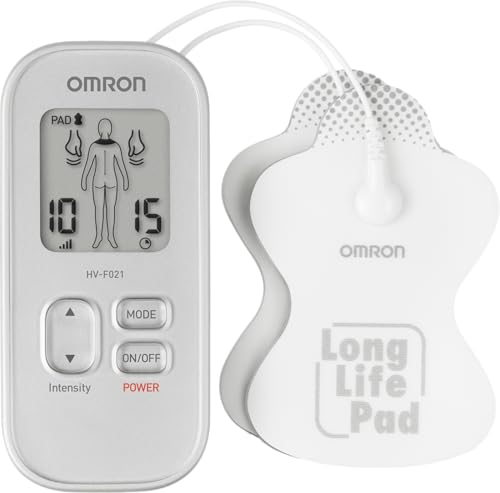
It is a rechargeable 5 in 1 unit covering TENS, EMS, microcurrent, massage and DIY programmes, with 120mA dual channel output and 65 customisable programmes. The listing also describes pelvic floor and period relief programmes and says many Australian private health funds may offer rebates, so check with your fund. It has far fewer ratings than the Beurer EM49, so it earns the top spot on register status and features, not on crowd volume. An ARTG entry does not make a TENS machine right for everyone: the safety section below still applies, so check with a health professional first if you are unsure.
How we picked
We compared the Amazon AU listing for every machine here: the seller in the buy box, whether it can be bought, the maker's stated specifications and the rating and review counts shown on the listing. For the best overall pick we also required an ARTG number that we could confirm on the Therapeutic Goods Administration's register, and at least 50 ratings on its listing. For safety guidance we used Healthdirect and the NHS. This is a desk review of listings, maker specifications and public health guidance, not a lab test of each machine.
Cards that sell through an overseas Amazon Global Store say so in their note, because Amazon warns that imports may differ from local products.
Last checked: 9 October 2026, covering the stock, seller and rating of every listing on Amazon Australia.
How to choose a TENS machine in Australia
The first thing to understand is what the machine actually does. A TENS machine (transcutaneous electrical nerve stimulation) sends gentle electrical pulses through sticky pads on your skin to interrupt the pain signals travelling to your brain, giving drug free, temporary pain relief. EMS, or electrical muscle stimulation, works differently: it contracts the muscle itself for recovery and strengthening rather than blocking pain. Many units now do both, which is why the labels can be confusing. After you have settled which job you need, it comes down to the number of programmes and channels a unit offers, whether the pads are wired or it is a wireless wearable, the pad type and how much replacements cost, and how well-reviewed it is. This guide covers seven machines, each suited to a different need. One thing to keep front of mind throughout: a TENS machine manages pain, it does not cure the underlying cause, and there are people who should not use one, which we cover in full further down.
TENS versus EMS: two different jobs
This is the single most important distinction to get right. A TENS machine is for pain: it floods the nerves with gentle pulses to drown out the pain signal, so it is what you reach for with a sore back, arthritis ache, period pain or general nagging discomfort. EMS is for muscles: it makes the muscle contract and relax, which is used for recovery after exercise, rehabilitation, and rebuilding strength in a muscle that has weakened. For plain muscle recovery after a hard session, though, a massage gun is the tool most people reach for before either of these. The Balego in this guide is a dedicated EMS unit, while the WiTouch Pro and Omron are TENS-led, and several units like the Tiptop Health and Beurer EM49 do both. Before you buy, decide which matters more to you: if it is pain relief, lead with a TENS machine; if it is muscle recovery and strengthening, an EMS unit is the right tool. A do-both unit covers you if you want flexibility. If the ache is postural rather than acute, a posture corrector treats the cause rather than the signal, and for neck and shoulder tension specifically a neck and shoulder massager is far easier to position than a set of pads.
Trusted brands and what the reviews tell you
Check the register as well as the brand. A TENS machine is a medical device, and the Australian Register of Therapeutic Goods (ARTG) is the Therapeutic Goods Administration's public list of therapeutic goods. We confirmed the Caremax 2.0 Pro's entry, number 323842, in the TGA search, and its listing states the same number. We did not confirm a register entry for the other machines here, so ask the seller for the ARTG number if it matters to you.
With something you place against your skin to deliver an electrical current, the maker and the review base matter more than usual. Beurer and Omron are both established health-device brands with long track records in home medical hardware, which is reassuring. The review numbers are just as telling: the Beurer EM49 has more than 29,400 ratings at 4.6 stars, a base no other unit here approaches, while newer or more niche units like the Tiptop Health (a handful of ratings) and the Omron HV-F021 (53 ratings) have far less history behind them, so you are leaning more on the brand and the specs than on a deep crowd verdict. Neither is wrong, and a well specified newer unit can be excellent, but where you want the most certainty, the units with both a trusted name and a large, strong review base are the safest bets.
Is a TENS machine safe for you?
This is general information, not medical advice, and it is the most important section to read before you buy. There are people who should not use a TENS machine at all. Do not use one if you have a pacemaker or any other implanted electronic or electrical device, a heart rhythm problem, or epilepsy, or if you are pregnant, the only exception being specific devices used during labour under professional guidance. Even if a TENS machine is suitable for you, where you place the pads matters a great deal. Never place the pads over the front or sides of your neck, directly over your heart, on broken or numb skin, or near your eyes. And remember that a TENS machine manages pain, it does not treat the cause, so for any new, severe or persistent pain, see a doctor or physiotherapist rather than treating yourself, because pain is a signal worth getting properly checked. Used within these limits, a TENS machine is a safe, drug-free way to ease many everyday aches, but the limits are there for good reason.
Our verdict
The best overall pick is the Caremax 2.0 Pro TENS Machine, a rechargeable 5 in 1 unit whose listing states ARTG 323842 and which is sold by CareMaxAU. The Beurer EM49 is the most reviewed machine here, and the other machines suit narrower jobs.
The Beurer EM49 PainFree Digital TENS and EMS Machine is the also great choice if you want the biggest review base: it is by far the most reviewed unit here at 4.6 stars from 29,400 plus ratings, comes from a trusted health device brand, and does everything with 70 programmes, 2 channels and 4 electrodes. If you want a simple way in, the Tiptop Health dual channel unit covers TENS and EMS with reusable pads. For period or endometriosis pain, the Beurer EM55 adds heat and wears under clothes. For muscle recovery and strengthening, the Balego EMS unit has a strong 100mA output. The Omron HV-F021 is the simple, reliable trusted brand option, and the WiTouch Pro is the wire free wearable for lower back relief. Whichever you choose, read the safety section above first: some people should not use a TENS machine at all.
Frequently asked questions
Who should not use a TENS machine?
This is general information, not medical advice. Do not use a TENS machine if you have a pacemaker or any other implanted electronic or electrical device, a heart rhythm problem, or epilepsy, or if you are pregnant, except for specific devices used under professional guidance. Never place the pads over the front or sides of your neck, directly over your heart, on broken or numb skin, or near your eyes. And because a TENS machine manages pain rather than curing its cause, see a doctor or physiotherapist for any new, severe or persistent pain instead of self-treating. If you are unsure whether a TENS machine is right for you, check with a health professional first.
What is the difference between TENS and EMS?
TENS, transcutaneous electrical nerve stimulation, sends gentle electrical pulses through sticky pads to interrupt pain signals, giving drug free, temporary pain relief. It is what you use for a sore back, arthritis or period pain. EMS, electrical muscle stimulation, instead makes the muscle contract, which is used for recovery, rehabilitation and strengthening rather than blocking pain. Many units do both: the Tiptop Health and Beurer EM49 combine TENS and EMS, while the Balego is a dedicated EMS unit. Decide whether you mainly want pain relief or muscle work, and pick accordingly.
Does a TENS machine actually relieve pain?
Yes, for many people, but it is temporary relief rather than a cure. A TENS machine works by flooding the nerves with gentle pulses that drown out the pain signal travelling to your brain, which can ease everyday aches like a sore back, arthritis, period pain or general muscle soreness while it is running. What it does not do is treat the underlying cause of the pain, so it manages symptoms rather than fixing the problem. For that reason, any new, severe or persistent pain is worth getting checked by a doctor or physiotherapist rather than only self-treating with a TENS machine.
How many programmes and channels do I need?
It depends on how varied your needs are. More programmes mean more preset patterns for different body areas: the Beurer EM49 has 70, while simpler units like the Omron HV-F021 offer a handful of massage modes, which is enough if you treat the same spot every time. Channels decide how many pads you can run at once: a 2 channel unit like the Tiptop Health runs 4 pads, so you can treat both knees or a wider area together. For one machine to handle many aches, go for more programmes and 2 channels; for a single recurring spot, a simpler unit is fine.
What is a wearable or wireless TENS unit?
A wearable TENS unit drops the control box and trailing leads of a traditional machine. The WiTouch Pro sticks straight onto your lower back, has no wires, and is controlled from your phone over Bluetooth, so you can move around freely and wear it under your clothes. The Beurer EM55 is a different wearable, slim enough to wear under clothes for period pain. The trade off is that wearables are usually shaped for one area, like the back or the abdomen, so they do that job well but are not general all rounders.
How often do TENS machine pads need replacing?
The pads are the consumable on any TENS or EMS machine: they are sticky electrodes that gradually lose their grip and need replacing, so the running cost matters alongside the purchase price. Some units, like the Tiptop Health, use long life reusable pads that keep the ongoing cost low. Wearables and many units use gel pads that wear out faster and are bought in packs; the WiTouch Pro comes bundled with gel pads to start. Before buying, check what replacement pads cost and how easy they are to get for that model, because cheap machines with pricey pads can cost more over a year.
Which TENS machine is best for period pain?
The Beurer EM55 Menstrual Relax+ is purpose built for it. It combines TENS pulses with warming heat for natural relief from menstrual and endometriosis pain, has a larger heating surface to cover more of the lower abdomen, and is slim and rechargeable so you can wear it discreetly under your clothes through the day. Its listing labels it a medical device. The do everything Beurer EM49 can help with period pain too, but the EM55 is the one designed specifically for it. As with any TENS use in pregnancy or for unexplained pain, check with a health professional first. For leaks rather than pain, our guide to period underwear that holds up overnight compares seven Amazon Australia listings.
What does a TENS machine do?
A TENS machine sends gentle electrical pulses through sticky pads on the skin. Those pulses crowd the nerve pathway that carries the pain signal to your brain, so less of the signal gets through, and they also prompt the body to release its own endorphins. The effect is drug-free and temporary: it works while the machine is running and for a while afterwards. It manages pain rather than treating what is causing it, so a new, severe or persistent pain still needs a doctor or physiotherapist.
How do you use a TENS machine?
Start with clean, dry, unbroken skin. Place the pads either side of the sore area rather than directly on the spine or on a bony point, at least 2cm apart, and press them down firmly all over. Turn the intensity up slowly until you feel a strong but comfortable tingle, never a sharp sting or a muscle twitch you cannot control. A session is typically 20 to 30 minutes, and you can repeat it through the day. Turn the unit off before you peel a pad away. Never place pads on the front or sides of the neck, over the heart, on numb skin or near the eyes.
Can you use a TENS machine in labour?
Only a machine made for labour, and only after your midwife or doctor has agreed. Ordinary TENS units, including every unit in this guide, are not labour devices, and Healthdirect says that if you are pregnant you should contact your physiotherapist, GP or midwife for advice before using TENS. Labour TENS units are a separate product category, usually used from about 37 weeks, with pads placed on the lower back either side of the spine and a boost button you press during a contraction. Elle TENS is the brand most Australian hospitals and hire services use. Ask your midwife before you buy or hire one.
Can you hire a TENS machine in Australia?
Yes, and for labour it is the normal thing to do rather than the exception. Australian maternity hire services rent labour TENS units by the block of weeks, usually delivering around 37 weeks and collecting after the birth, and many hospitals and midwifery practices keep a list of local suppliers. Hiring makes sense for a device you will use once. For everyday pain, arthritis, a bad back or period pain, buying is the sensible option, because you buy the machine once and can use it for years.
Where can you buy a TENS machine in Australia?
Chemist Warehouse and other pharmacies carry the mainstream health-brand units and are the easiest place to see one in person. The Good Guys and the electronics retailers stock the wearable and massage-branded units. Amazon AU has the deepest range and is where every pick in this guide sits, including the Beurer EM49 PainFree Digital TENS and EMS Machine. Specialist physiotherapy suppliers sell the clinical units and the replacement pads, which is worth knowing because pads are the real running cost. Buy from an Australian seller where you can, so the warranty and the plug are the Australian ones. Three picks here, the Beurer EM49, the Beurer EM55 and the Balego, were sold through overseas Amazon Global Stores at the 9 October 2026 check.
What's the best TENS unit on the market?
In this guide the best overall TENS unit is the Caremax 2.0 Pro TENS Machine, because its listing states ARTG 323842 and the TGA register lists that number for Le Reve HealthCare, also known as Caremax. It offers 120mA dual channel output and 65 customisable programmes. The Beurer EM49 is the most reviewed alternative.
Is a TENS machine safe to use?
A TENS machine can be safe when it suits you and you follow the instructions, but not everyone should use one. Healthdirect says TENS should not be used if you have a pacemaker or other implanted heart device, or have been diagnosed with epilepsy. The NHS advises checking with a GP or other healthcare professional first.
Can I use a TENS machine while pregnant?
Only with advice from your doctor or midwife. The NHS says not to use TENS if you are pregnant unless your doctor or midwife tells you to, and Healthdirect says to contact your physiotherapist, GP or midwife before using TENS. A machine made for labour is a separate product from the ones in this guide.
Why can't you use a TENS machine before 37 weeks?
The Epsom and St Helier NHS Trust says TENS is safe to use from 37 weeks of pregnancy onwards, so earlier use needs advice from your midwife or doctor. Healthdirect says to contact your physiotherapist, GP or midwife before using TENS if you are pregnant. Neither page explains the reason, so ask your midwife.
Where do you put a TENS unit for sciatica?
Place the pads on clean skin near the painful area with a gap between them, as the NHS advises, and ask a physiotherapist or GP to confirm the spots for sciatica. Do not use TENS on irritated, broken, infected or numb skin, or on your neck, mouth or eyes.