The best earbuds depend on you, not the number on the box
The best wireless earbuds for you depend on your phone, your ears and where you actually use them, not the biggest noise-cancelling number printed on the box. Two traps cost Australians money again and again: noise-cancelling claims that barely work on cheap buds, and battery hours that are quoted with the noise cancelling switched off. Get past those two and the choice becomes simple.
Our six picks run from a genuinely good budget pair to a flagship. Below we explain how to read the spec sheet honestly, where AirPods fit (and why Amazon is usually the wrong place to buy them), and how to pick for commuting, the gym, calls and everyday listening.
Noise cancelling - what is real and what is marketing
Real active noise cancelling (ANC) uses tiny microphones to listen to the world and play an opposite sound wave that cancels low rumble, the drone of a plane, a bus or a train. On good buds it genuinely works. On cheap buds the box quotes a big decibel number but the actual effect is weak, because the electronics and the tuning are not there. If quiet matters more to you than pocketability, over-ear noise cancelling headphones do the job better at any given price.
Here is the part nobody tells you: on most earbuds the seal from the right ear tips blocks more noise than the ANC electronics do. A poor seal lets sound leak straight in, and it also thins out the bass, so a bad fit ruins both your sound and your noise cancelling at the same time. Always run the app fit test if there is one and try every tip size in the box before you judge a pair.
For serious, plane-and-commute noise cancelling the premium pairs pull ahead. Bose has built its name on natural, adjustable ANC that is easy to live with, while Sony pushes the outright technical ceiling. Both are a real step up from budget buds, but you are paying for it.
The battery-hours trap
This is the second honesty angle, and it catches almost everyone. The headline hours you see on the listing, 45, 52, 48, are nearly always the total with the charging case included and with the noise cancelling turned off. That is the friendliest possible number, not the one you will live with.
What actually matters is bud-only life with ANC on, and that is usually somewhere between 6 and 11 hours. The case then tops the buds up a few more times before it needs a recharge itself. So treat the big number as the case total, not how long a single listen lasts. A pair quoting 6 hours bud-only with ANC on, like the Bose, will still comfortably cover a work commute and the flight home before the case is empty.
Fit and seal - the thing that matters most
If you remember one thing, make it this: fit is the single biggest factor in how earbuds sound and perform. The tips and the fit decide your sound, your bass, how well the noise cancelling works, and whether the buds stay in your ears at all. Spend two minutes swapping tip sizes and you will often fix a pair you thought was faulty.
For the gym and running you want ear hooks or wingtips and a real water rating, so the buds stay put when you sweat and move. For all-day comfort you want lightweight tips that disappear in your ears. Open-style buds, like the AirPods 4, sit in the ear rather than sealing it, which is comfy and lets you hear your surroundings, but they trade away most of the noise blocking. Try the sizes in the box before you decide anything.
iPhone vs Android - codecs and the AirPods question
A codec is just how your phone sends audio to the buds over Bluetooth, and it caps how good they can sound. AirPods are excellent on an iPhone, seamless pairing and great noise cancelling, but they are AAC-only. They cannot use the higher-quality LDAC or aptX codecs that Android phones support, which is exactly where value brands like EarFun, Soundcore and Nothing win, because they include those codecs for far less money.
One important buying note for Australians: on Amazon Australia, genuine AirPods are often sold by third-party resellers above Apple's own price. So if you do want AirPods, buy them directly from Apple or a major retailer like JB Hi-Fi, not an inflated marketplace listing. And if you are on Android, prioritise LDAC or aptX support, which the EarFun, Nothing and Sony picks all have.
What about water and sweat ratings?
The IP rating decodes more simply than it looks. The number after IPX is the water protection: IPX4 means sweat and splash resistant, which is fine for most people and most workouts; IPX5 adds resistance to stronger water jets. When you see two numbers, like IP54 or IP68, the first number is dust protection. IP68, on the Sport X20, is the top of the scale and fully waterproof, the right call for serious sweat, rain and the gym.
For working out, treat IPX4 as the practical minimum. Anything lower and you are gambling with sweat damage; anything at IP54 or above and you have some dust protection on top.
The no-name and fake-"Pro" trap
Search wireless earbuds on Amazon and you will be buried in generic buds with keyword-stuffed titles, the kind that read "Wireless Earbuds Bluetooth 5.4, 120H, IPX7, Pro" with a five-figure review count. Those review counts are usually pooled across global Amazon stores, not Australian buyers, and the headline specs are rarely verified.
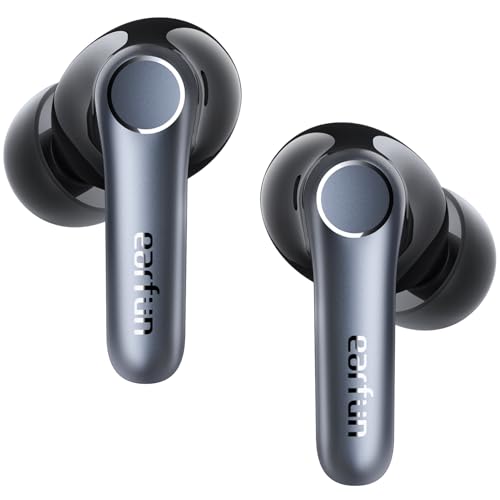
Stick to brands you recognise, Soundcore, EarFun, Nothing, Bose and Sony, and read the recent Australian reviews rather than the lifetime average. The word "Pro" in a product name means nothing on its own; plenty of no-name buds bolt it on precisely because it sounds reassuring. Real brands earn the trust; a marketing word does not.
Frequently Asked Questions
Do cheap earbuds have good noise cancelling?
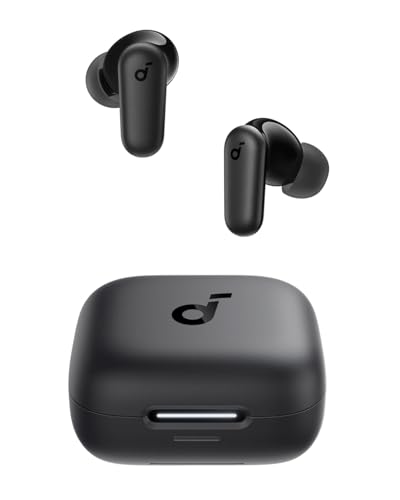
Usually not. Cheap buds often quote a big decibel number, but the actual cancelling is weak compared with premium pairs. On almost any earbuds the seal from the right ear tips blocks more noise than the electronics do, so a good fit matters more than the marketing figure. The budget Soundcore P30i has light, real ANC for under 50 dollars, which is genuinely useful, but it is not flagship-strong.
How long do wireless earbuds really last on a charge?
Bud-only life with noise cancelling on is usually 6 to 11 hours. The big number on the box, the 45 or 52 hours, is the total with the charging case and with noise cancelling switched off. Treat that headline as the case total across several top-ups, not how long a single listen lasts.
Should I buy AirPods on Amazon?
Usually not. On Amazon Australia genuine AirPods are often sold by resellers above Apple's own price, so you can end up paying more than you need to. Buy them directly from Apple or a major retailer like JB Hi-Fi instead. Remember too that AirPods are AAC-only, so on Android you miss the higher-quality LDAC and aptX codecs that cheaper buds offer.
What codec should I look for on Android?
Look for LDAC or aptX, which carry hi-res audio and are where Android phones pull ahead of iPhones. AAC is the default on iPhone and is perfectly fine, but it caps quality on Android. The EarFun, Nothing and Sony picks here all support LDAC or aptX, which is a real reason to choose them over AirPods if you are on Android.
What is the best earbud fit for the gym?
Ear hooks or wingtips plus a water rating of IPX4 or better. Hooks physically lock the buds in place so they do not fall out when you run or move, and the water rating protects against sweat. For serious sweat and rain, step up to a fully waterproof IP68 pair like the Soundcore Sport X20.
Are expensive earbuds worth it over budget ones?
Sometimes. Premium pairs give you stronger noise cancelling, better codecs and clearer call microphones, which matter on planes, in offices and on noisy commutes. But a good pair like the EarFun Air Pro 4 gets you most of the way there, with real ANC and every high quality codec. Pay up only if outright noise cancelling or sound quality is your priority.
What does IPX4 or IP68 mean on earbuds?
It is the water and dust rating. The number after IPX is water protection: IPX4 is sweat and splash resistant, IPX5 handles stronger jets. When there are two numbers, like IP54 or IP68, the first is dust protection and the second is water, so IP68 is fully waterproof and dustproof. For the gym, treat IPX4 as the minimum.