How to choose blackout curtains in Australia
Blackout curtains do three jobs at once: they block light for better sleep, which is a genuine upgrade for shift workers, nurseries and anyone woken by bright summer mornings; they insulate against summer heat and winter cold; and the heavier ones dampen a little outside noise. The best blackout curtains in Australia are the Yakamok 100% Blackout Thermal Insulated Soundproof panels at about $65 for a true blackout, with the BGment room-darkening panels at about $21 the cheapest that works and the Vision Home pinch-pleat at about $139 for a tailored finish. The first thing to settle is how dark you actually need the room, because there is a real difference between a true 100 percent blackout and a room-darkening panel. After that it comes down to size and how to measure, and most of these are sold in inches, so you will need to convert, then the header type that decides how it hangs, and whether you want thermal or soundproof lining. This guide covers six blackout curtains, each suited to a different window and budget.
How the six blackout curtains compare
| Curtain | Best for | Light blocking and header | Price band | Rating |
|---|
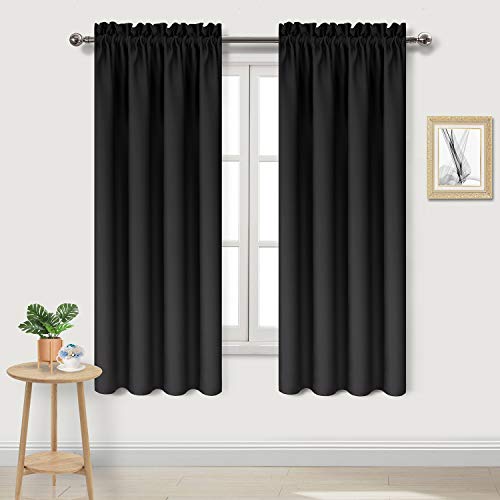
| BGment Short Blackout Curtains (Room Darkening, Rod Pocket) | Small and short windows, kids rooms, caravans | Room darkening, rod-pocket header, thermal | from $21 | 4.6 |
| JINCHAN 85% Faux Linen Blackout Curtains | The linen look | 85 percent blocking, grommet header | from $35 | 4.5 |
| DWCN Blackout Curtains (Thermal, Set of 2) | The simple value all-rounder | Room darkening, grommet header, thermal | from $38 | 4.5 |
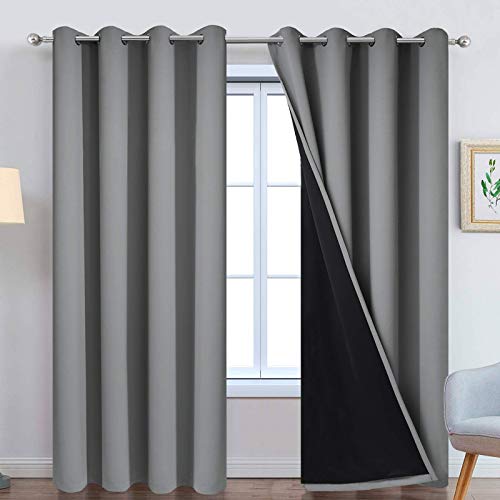
| Yakamok 100% Blackout Thermal Insulated Soundproof Curtains | Where most people should land | True 100 percent blackout, thermal and sound dampening | from $65 | 4.7 |
| Joydeco Blackout Curtains 84 Inch | A heavier, more premium drape | Blackout, grommet header, 84 inch drop, about 213cm | from $69 | 4.7 |
| Vision Home Pinch Pleated Full Blackout Curtains | A tailored finish on a feature window | True blackout, pinch-pleat header hung on hooks | from $139 | 4.6 |
True blackout versus room-darkening
This is the distinction that matters most, and the labels can be misleading. A true blackout, like the Yakamok or the Vision Home pinch-pleat, uses a tight triple-weave or a coated, lined fabric to block almost all the light - a bedroom goes genuinely dark even at midday. A room-darkening panel, like the BGment, DWCN or the JINCHAN at 85 percent, blocks most of the light but a little still glows through, especially in a lighter colour. Neither is wrong - room-darkening is plenty for a living room or a kids room and usually cheaper, while a true blackout is what you want for a shift worker's bedroom or a nursery where every bit of light counts. Decide how dark you genuinely need it before you look at anything else, because it splits the field straight away.
Size and how to measure
Most of these curtains are sized in inches, so the single most useful thing you can do is measure your window and convert. As a quick guide, 84 inches is about 213 cm of drop, 63 inches is about 160 cm, and a 52 inch wide panel is about 132 cm wide. Measure the width of your window and the drop from where the rod will sit to where you want the curtain to end - the floor, the sill or just below it - then match those to the panel sizes. The other half of getting it right is fullness: hang the rod wide and high, and use panels totalling roughly twice your window width so they gather into proper folds and there is no gap at the sides when they are closed. A panel that is exactly the window width will stretch flat and leak light. Always check the listed inch size against your own window before buying.
The header is the top of the curtain, and it decides both how the curtain hangs and how easy it is to put up. Grommet (or eyelet) panels, like the JINCHAN, DWCN and Joydeco, have metal rings punched into the top - they are the easiest to hang and slide open and shut, and they fall into even folds. Rod-pocket panels, like the BGment, have a sewn channel the rod threads through, which gathers softly and looks neat but is slower to open and close. Pinch-pleat panels, like the Vision Home, are the dressiest - the top is sewn into tailored folds and hung with hooks, the same way custom drapery is done, for a made-to-measure look. If you want the simplest install, go grommet; if you want the most refined finish, go pinch-pleat. Whichever header you choose, a lined blackout panel is heavy once it is up, so hang it from a rod that will not sag across the span rather than the thinnest one on the shelf.
Thermal insulation and noise
The lining inside a blackout curtain does more than block light. A thermal-insulated weave, which most panels here have, slows heat moving through the window, keeping a room cooler against the summer sun and warmer against winter cold, which can take the edge off your cooling and heating bills. The heavier and more tightly lined the panel, the better it does this, which is part of why the Yakamok and the heavier Joydeco are worth the step up. That same dense, lined construction also dampens a little outside noise, and the Yakamok is sold as soundproof for exactly this reason. Be realistic: a curtain will soften traffic and street noise, not silence a busy road, but combined with the darkness and the insulation, the noise reduction is a welcome bonus rather than the main event. If noise is the real problem rather than light, a white noise machine does more for a bedroom than any curtain.
Sealing the light leaks
Here is the honest truth no product page tells you: even a curtain labelled 100 percent blackout leaks a little light around the edges and over the top, because the fabric itself is opaque but the gaps around it are not. The fix is in how you hang it. Mount the rod wider and higher than the window, extending well past the frame on each side and sitting high above it, so the panels overlap the wall rather than ending at the glass. Overlap the two panels in the middle where they meet so there is no central seam of light. For the most complete seal, add a pelmet or a return that wraps the curtain back to the wall at the sides, closing the gap there. Do these three things and even a mid-priced panel like the Yakamok will black a room out properly. Skip them and the most expensive curtain will still glow at the edges. Seal a bedroom that thoroughly and morning sun stops waking you at all, which is why blackout owners often add a sunrise alarm clock to get a gradual dawn back on their own schedule. Plenty of Australian bedrooms also run sheer curtains on an inner track behind the blockout panel for daytime privacy, and a sleep mask covers the last few percent if you rent and cannot fit a pelmet.
How much should you spend
You can darken a room well at any price in this guide. The BGment short panels prove you do not need to spend much for a thermal, room darkening curtain, they are ideal for small or short windows, a kids room or a caravan. The JINCHAN and the DWCN are the value picks for style and simplicity respectively. The Yakamok is where most people should land, it is a true 100 percent blackout with thermal and sound benefits and the highest rating here. Stepping up, the Joydeco buys a heavier, more premium drape, and the Vision Home pinch pleat buys a tailored, designer look for a feature window. Decide how dark you need the room and what header suits, then pick the one that nails it - for most people that is the Yakamok.
Our verdict
For most people the Yakamok 100% Blackout Thermal Insulated Soundproof Curtains are the smart buy, they are a true 100 percent blackout with thermal insulation and some sound dampening, and at 4.7 stars from a large base they are the highest rated pick here, which is why they are our pick. If you want the cheapest way in, or you have a small or short window, the BGment short panels are thermal and room darkening. Want the linen look? The JINCHAN keeps the style while blocking most light, and the DWCN is the simple value all rounder. For a heavier, more premium drape, the Joydeco steps up the fabric, and for a tailored designer finish on a feature window, the Vision Home Pinch Pleated drape hangs in neat, custom looking folds.
Frequently asked questions
What is the difference between true blackout and room-darkening curtains?
A true blackout curtain, like the Yakamok, uses a tight triple weave or a coated, lined fabric to block almost all light, so a bedroom goes genuinely dark even at midday. A room darkening panel, like the BGment or the JINCHAN at 85 percent, blocks most of the light but a little still glows through, especially in a lighter colour. Room-darkening is plenty for a living room or kids room, while a true blackout is what you want for a shift worker's bedroom or a nursery where every bit of light counts.
How do I measure for blackout curtains and convert the inch sizes?
Most of these curtains are sized in inches, so measure your window and convert: 84 inches is about 213 cm of drop, 63 inches is about 160 cm, and a 52 inch wide panel is about 132 cm wide. Measure the width of your window and the drop from where the rod will sit to where you want the curtain to end, then match those to the panel sizes. For proper fullness, hang the rod wide and high and use panels totalling roughly twice your window width, so they gather into folds with no gap at the sides. Always check the listed inch size against your own window before buying.
Do blackout curtains block all the light?
Even a curtain labelled 100 percent blackout leaks a little light around the edges and over the top, because the fabric is opaque but the gaps around it are not. The fix is in how you hang it: mount the rod wider and higher than the window so the panels overlap the wall, overlap the two panels in the middle where they meet, and for the most complete seal add a pelmet or a return that wraps the curtain back to the wall at the sides. Do these three things and even a mid-priced panel like the Yakamok will black a room out properly.
Do blackout curtains help with heat and energy bills?
Yes. The thermal-insulated lining inside most blackout curtains slows heat moving through the window, keeping a room cooler against the summer sun and warmer against winter cold, which can take the edge off your cooling and heating bills. The heavier and more tightly lined the panel, the better it does this, which is part of why the Yakamok and the heavier Joydeco are worth the step up. Hanging the curtains wide and high so they cover more of the wall around the window improves the insulation further.
What header type should I choose: grommet, rod-pocket or pinch-pleat?
Grommet (or eyelet) panels, like the DWCN and Joydeco, have metal rings in the top and are the easiest to hang and slide open and shut. Rod pocket panels, like the BGment, have a sewn channel the rod threads through, which gathers softly but is slower to open. Pinch pleat panels, like the Vision Home, are the dressiest, sewn into tailored folds and hung with hooks for a custom, made to measure look. Go grommet for the simplest install, or pinch-pleat for the most refined finish.
Do blackout curtains reduce noise?
A little. The dense, lined construction that blocks light also dampens some outside noise, the Yakamok is sold as soundproof for exactly this reason. Be realistic: a curtain will soften traffic and street noise rather than silence a busy road, and the heavier, more tightly lined panels do more than thin ones. Combined with the darkness and the thermal insulation, the noise reduction is best thought of as a welcome bonus rather than the main reason to buy.
Which blackout curtains are best for a nursery or a shift worker?
For a nursery or a shift worker who sleeps during the day, you want a true 100 percent blackout so the room goes genuinely dark, not just dim. The Yakamok is the best pick, it blocks almost all light, adds thermal insulation and some sound dampening, and has the highest rating here at 4.7 stars from more than 15,600 ratings. Hang the rod wide and high and overlap the panels in the middle to seal the light leaks, and the room will stay dark through bright mornings and afternoon naps alike.
What are the downsides of blackout curtains?
Three, honestly. They are heavy, so a lined panel needs a rod that will not sag, and a thin rail will bow across a wide window. They hold moisture against the glass in winter, so a bedroom that already sweats on the window needs airing rather than sealing. And a room blacked out properly stays dark well past sunrise, which is the whole point for a shift worker and a nuisance if you rely on daylight to wake up.
How do you layer sheer and blockout curtains?
Use a double rod or a track with two channels: sheers on the inner run against the glass, blockouts on the outer run. Through the day the sheers give privacy and soft light, and at night the blockout panels close over the top. Hang both wide and high so the blockout still overlaps the wall, and cut the sheers to the same width so they gather into folds rather than stretching flat. It is the standard Australian window treatment for good reason.
How do you wash blackout curtains?
Read the label first, because a coated blackout lining is not the same thing as a tight triple weave. Most woven panels like the Yakamok wash cold on a gentle cycle with a mild detergent, then hang damp so the weight pulls them straight. Never tumble dry a coated panel and never use bleach, since heat and chlorine both ruin the lining that does the blocking. Between washes, vacuum with a brush head.
How do you get creases out of blackout curtains?
Hang them and give it a week. Most fold creases drop out under the panel weight, which is considerable on a lined blackout curtain. If they hang on, steam from the back at a distance rather than pressing the face, or run a short cool tumble with a damp cloth and hang the panel immediately afterwards. Do not put an iron directly on a coated lining, because the coating can melt onto the plate.
Is blockout the same as blackout, and what is an S-fold?
Blockout is the word most Australian retailers use and it means the same thing as blackout: a panel lined or woven to stop light. S-fold, also sold as wave or ripplefold, is the header Australian curtain shops fit as standard, where the fabric runs on a track in even S curves. None of the six picks here is an S-fold, because they are ready-made panels with grommet, rod-pocket or pinch-pleat headers. S-fold generally means going custom.