How to choose a cutting board in Australia
A cutting board does one job, but the material you pick changes everything about how it treats your knives, how hygienic it is and how much care it needs. The honest order of priority for most kitchens is wood first, then bamboo, plastic and rubber for specific needs. Wood - acacia or maple - is knife-friendly, naturally antimicrobial and warm to look at, but it needs hand-washing and regular oiling. Bamboo is the cheapest and most eco option and very hard, which makes it durable but tougher on edges, with glue seams that can splinter if you let it dry out. Plastic and poly boards are dishwasher-safe and the easiest to sanitise, which makes them the best choice for raw meat, but they score over time and should be replaced. Rubber - the Japanese pro material - is the gentlest synthetic on knives and tolerates bleach, but it can stain. This guide covers six boards, each suited to a different priority.
Wood, bamboo, plastic or rubber - picking the material
Material is the first and biggest decision. Wood like the Caperci acacia or the John Boos maple is the all-rounder: it is the gentlest on knife edges among the everyday options, which is exactly what you want under a good knife set, and the nicest to use and look at, with the catch that it must be hand-washed and oiled. Bamboo like the Hiware is the cheapest and most eco material and is very hard, so it lasts well, but that hardness is rougher on knives and the glued strips can splinter without re-oiling. Plastic like the Neoflam set is dishwasher-safe and the easiest to sanitise, which is exactly what you want for raw meat, though it scores and should be replaced over time. Rubber like the Asahi is the professional synthetic - soft on knives, bleach-tolerant and quick-drying - but it can stain from strong pigments. Match the material to what matters most to you.
Hygiene and cross-contamination - the raw-meat question
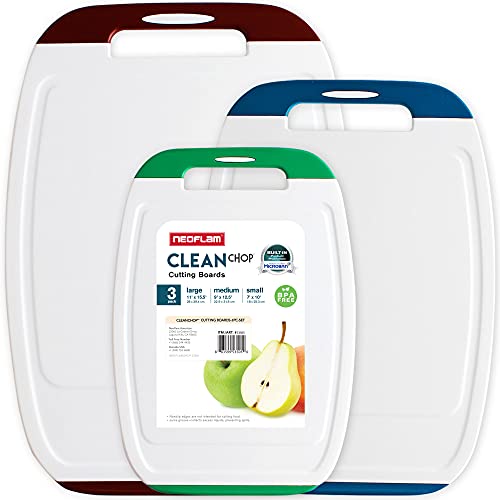
Keeping raw meat away from ready-to-eat food is the single most important hygiene rule, and your board choice is central to it. The simplest approach is to keep a separate board for raw meat and another for veg and bread, which is why the Neoflam plastic three-piece set is so practical - you get small, medium and large boards to split tasks, and because plastic is dishwasher-safe you can sanitise the meat board at high heat after every use. Plastic also carries built-in Microban here, which inhibits the stains and odours raw meat can leave, though it reduces them rather than sterilising the board. Wood is naturally antimicrobial and perfectly safe for raw meat too, but it must be hand-washed and dried thoroughly rather than run through a dishwasher. Whichever you choose, the rule is the same: never prep salad on the board you just cut raw chicken on without a proper wash in between.
Knife-friendliness - protecting your blades
If you have spent money on good knives, the board you cut on matters as much as how you sharpen them. The softer and more forgiving the surface, the longer your edge stays keen. Solid wood like the Caperci acacia is the everyday sweet spot - dense enough to last, soft enough to spare your blades - which is exactly why it is our overall pick. End-grain wood like the Davis & Waddell goes a step further: the fibres face upward so the knife slips between them, making it self-healing and the gentlest of all on edges. The Asahi rubber board is the best synthetic for this, with an elastic surface that gives just enough under the blade. At the other end, bamboo and glass are hard on knives, which is the price bamboo pays for being cheap and tough. If blade care is your priority, lead with wood or rubber, not bamboo.
Edge-grain versus end-grain - what the difference means
You will see boards described as edge-grain or end-grain, and it is worth understanding before you spend. Most boards, including the Caperci acacia and the John Boos maple, are edge-grain - the long sides of the wood face up. That makes them durable, knife-friendly and affordable, and for the vast majority of home cooks it is all you need. End-grain boards like the Davis & Waddell have the wood fibres standing on end, facing upward, so the blade pushes between the fibres rather than across them. That makes the board self-healing and the gentlest possible on knife edges, but it also makes it heavier, pricier and, in cheaper examples, prone to splitting at the glue joins over time if it is not oiled and dried flat. Edge-grain is the practical default; end-grain is the upgrade for someone who chops a lot and wants to baby their knives.
Care - washing, drying and oiling
How long a board lasts comes down almost entirely to how you look after it, and the routine depends on the material. Wood and bamboo - the Caperci, Davis & Waddell, John Boos and Hiware - should be hand-washed, dried flat and oiled roughly monthly with food-safe mineral oil or a board cream; never soak them or put them in the dishwasher, because that warps and cracks the wood and dries out bamboo until it splinters. Plastic like the Neoflam set is the low-maintenance option - it is dishwasher-safe, so you sanitise it easily, and you simply replace it when it is deeply scored. Rubber like the Asahi is hand-washed and bleach-tolerant, so it cleans up well without the oiling routine wood needs. The single biggest mistake is putting a wood or bamboo board in the dishwasher, so build the hand-wash-and-oil habit and a good wood board will outlast everything else in your kitchen.
Size, thickness and stability on the bench
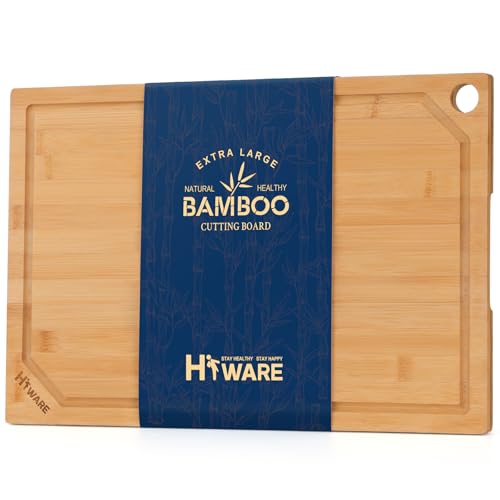
A board that slides around or is too small to work on makes prep harder and more dangerous, so size and stability matter more than people expect. A large board like the Hiware bamboo at 18x12in or the John Boos maple at 18x12x1.5in gives you room to spread out and pile trimmings to one side, while thickness adds weight that keeps the board planted while you chop - the thick, heavy Davis & Waddell end-grain at 50x35x4cm barely moves. Smaller boards like the ones in the Neoflam set are handy for quick jobs and for keeping raw-meat prep separate, and non-slip edges or a damp cloth underneath stop any board wandering. If you only buy one, go larger and heavier rather than smaller; you can always use a big board for a small job, but not the other way around.
Our verdict
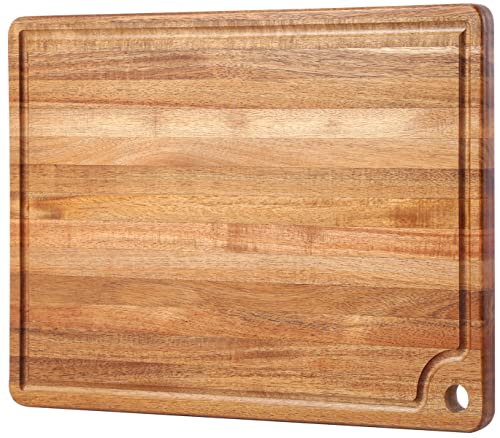
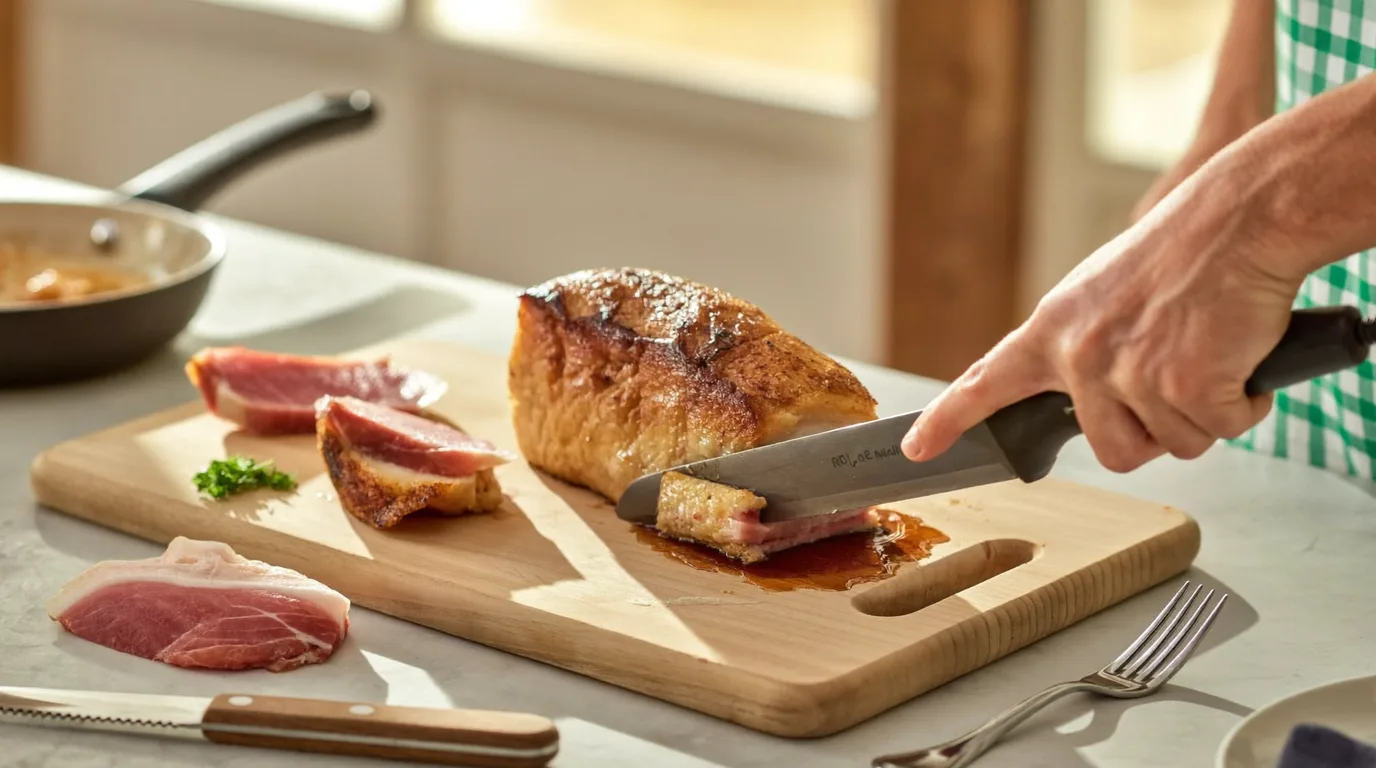
For most kitchens the Caperci Large Acacia Wood Cutting Board is the smart buy, it is knife friendly natural wood at a mainstream price, an edge grain acacia board with a deep juice groove that protects your blades and doubles as a serving board, which is why it is our overall pick. That groove earns its keep at Christmas, when a roast is resting on the board and an electric carving knife is doing the slicing. If you only want to spend a little, the Hiware Extra Large Bamboo Cutting Board is huge, eco and hugely reviewed. For raw meat and easy sanitising, the Neoflam Microban Plastic Board 3-Set is dishwasher safe with built in antimicrobial protection. For the gentlest treatment of your knives, the Davis & Waddell Acacia End-Grain Board is a self healing end grain board from an Australian homewares brand, and the Asahi Cookin Cut Rubber Board is the Japanese pro pick that is soft on edges. And if you cook constantly and want a board for life, the John Boos R-Board Reversible Maple Board is the commercial kitchen heirloom made in the USA since 1887.
Frequently Asked Questions
Wood vs plastic - which cutting board is better?
Both are good for different reasons, so the honest answer is have one of each. Wood like the Caperci acacia is gentler on knife edges, naturally antimicrobial and nicer to use and look at, but it must be hand washed and oiled and never goes in the dishwasher. Plastic like the Neoflam set is dishwasher safe and the easiest to sanitise, which makes it the better choice for raw meat, though it scores over time and should be replaced. Use wood as your main everyday board for veg, bread and serving, and keep a plastic board for raw meat so you can run it through the dishwasher.
What is the best cutting board?
For most people the Caperci Large Acacia Wood Cutting Board is the best all round choice, it is knife friendly edge grain acacia at a mainstream price, with a deep juice groove, and it doubles as a serving board. If you want the cheapest big board, the Hiware bamboo is huge and eco. For raw meat hygiene, the Neoflam plastic set is dishwasher safe. For the gentlest treatment of your knives, the Davis & Waddell end grain board, and the premium board for life is the John Boos maple. There is no single best for everyone - pick by the material that suits how you cook.
Edge-grain vs end-grain - what is the difference?
It is about which way the wood fibres face. Edge grain boards like the Caperci acacia and the John Boos maple have the long sides of the wood facing up, they are durable, knife friendly and affordable, and they are all most home cooks need. End grain boards like the Davis & Waddell have the fibres standing on end and facing up, so the knife pushes between them rather than across them. That makes an end-grain board self-healing and the gentlest of all on knife edges, but it is heavier, pricier and cheaper ones can split at the glue joins over time if you do not oil and dry them flat.
Do you need a separate cutting board for raw meat?
Yes - keeping a separate board for raw meat is the simplest way to avoid cross-contamination, which is the most important food-safety rule in any kitchen. A plastic set like the Neoflam three piece makes this easy, since you get small, medium and large boards to split tasks, and because plastic is dishwasher safe you can sanitise the meat board at high heat after every use. The Microban antimicrobial helps inhibit stains and odours but does not sterilise the board, so still wash it properly. If you use a wood board for raw meat instead, that is fine - it is naturally antimicrobial - but it must be hand-washed and dried thoroughly rather than run through a dishwasher.
How do you clean and oil a wooden cutting board?
Hand-wash it with warm soapy water straight after use, rinse and then dry it flat - never soak it or leave it standing in water, and never put it in the dishwasher, because that warps and cracks the wood. To keep it from drying out, rub in food-safe mineral oil or a board cream roughly once a month, letting it soak in before wiping off the excess. The same routine applies to bamboo boards like the Hiware, which splinter if they dry out, and to premium boards like the John Boos maple, which is sold with board cream in mind. A well-oiled wood board will outlast almost anything else in your kitchen.
Are bamboo boards bad for knives?
Bamboo is harder on knives than softer hardwoods, so it dulls edges faster, but it is not bad - it is a trade-off for being cheap, eco and very durable. The Hiware bamboo board is a good example: it is hard and hardwearing, which means it stands up to heavy chopping, but that same hardness is tougher on your blade than a wood board like the Caperci acacia or a rubber board like the Asahi. Bamboo also has glue seams where the strips are joined and can splinter if it dries out, so re-oil it. If blade care is your priority, choose wood or rubber; if value and durability matter most, bamboo is a fine choice.
Can wooden cutting boards go in the dishwasher?
No - never put a wood or bamboo board in the dishwasher. The combination of prolonged water, heat and harsh detergent warps and cracks wood and dries out bamboo until the glued strips splinter, which can ruin a good board in a single cycle. Boards like the Caperci acacia, the Davis & Waddell end grain and the John Boos maple are all hand wash only, dried flat and oiled periodically. If you want a board you can put in the dishwasher to sanitise it, choose a plastic one like the Neoflam set, which is designed for exactly that.