How to choose a shoe rack in Australia
A shoe rack does one simple job well - it tames the pile by the door, keeps shoes off the floor and helps them hold their shape - but the right one depends entirely on where it goes and how many pairs you own. There are a few distinct types. Free-standing tiered racks are the cheap, flexible classic - the Artiss, Tajsoon, Simple Houseware and VASAGLE all sit here. Over-the-door organizers like the Unjumbly hang on a door for big capacity with zero floor space. Expandable and stackable racks like the Tajsoon adjust to a closet width and grow over time. Tall vertical towers like the HOOBRO use a narrow footprint to fit a corner, and sturdier wood-and-steel racks like the VASAGLE are made for an entryway you can actually see. After settling the type, it comes down to capacity, footprint, material, and whether you want the shoes on display or hidden in a cabinet. This guide covers six shoe racks, each suited to a different situation.
Capacity - how many pairs and how many tiers
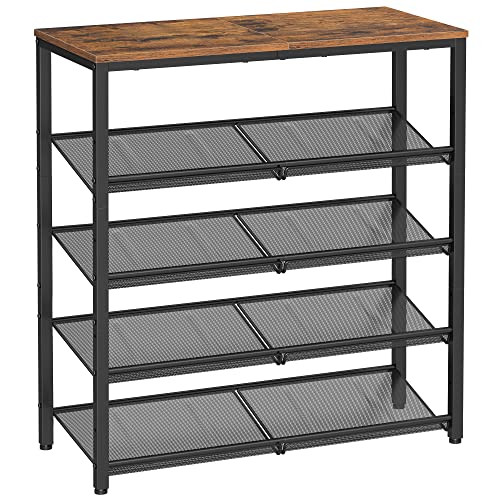
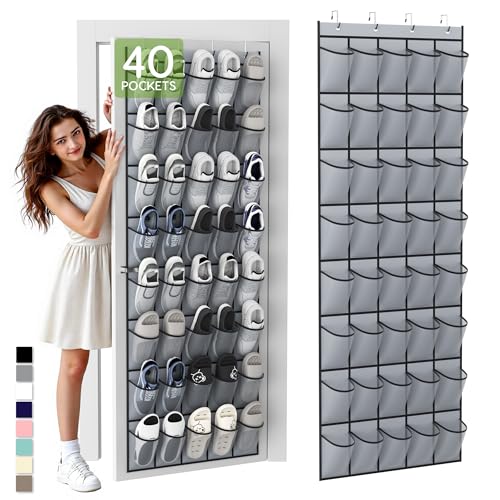
Start with how many pairs you actually need to store, because that decides the size and shape more than anything else. A compact free-standing rack like the Simple Houseware 4-tier holds roughly 15 to 20 pairs, which covers a typical household entry, while the Artiss cabinet takes around 18 and the VASAGLE 5-tier handles 16 to 20 across wider tiers. If you have a lot of shoes and no room to spread out, the Unjumbly over-the-door organizer goes the other way with 40 pockets stacked vertically on a door. More tiers and more pockets mean more pairs, but they also change the footprint and the height, so count your shoes first and then match the capacity rather than buying the biggest rack and hoping it fits. Count the casual pairs too, because thongs and men's slides take up as much tier as a good sneaker and they are the ones that end up scattered by the door.
Where the rack will live matters as much as what it holds. A wide free-standing rack like the Simple Houseware or the VASAGLE wants a clear stretch of wall and suits an entry or a wardrobe base. A tight space changes the answer - the HOOBRO 8-tier tower goes vertical with a narrow footprint that tucks into a corner where a wide rack would never fit, and the Tajsoon expands from about 71 to 104 cm to fill an awkward nook exactly. And if you have no floor to give up at all, the Unjumbly hangs over a door and uses none of it. Measure the spot before you buy - the width, the depth and, for a tower, the height - so the rack fits the space rather than the space having to accommodate the rack.
Where it goes - entry, wardrobe, behind a door or a corner
The location often picks the type for you. An open entryway you walk past every day suits a rack you do not mind seeing - the VASAGLE wood-and-steel piece is made to stand on display there. Inside a wardrobe, where looks matter less, a plain free-standing rack like the Simple Houseware or an expandable one like the Tajsoon does the job out of sight. Behind a door, the Unjumbly organizer turns dead space into storage. In a corner or a narrow gap, the HOOBRO tower goes up instead of out. Think about the exact spot and how visible it is, because a rack that is perfect in a hidden wardrobe can look out of place in a hallway, and a handsome feature piece is wasted behind a closed door.
What a rack is made of affects how it looks, how much it holds and how it wears. Metal racks like the Tajsoon and the wire-and-frame designs are functional, easy to wipe down and well suited to a garage, mudroom or wardrobe where practicality wins. Fabric and mesh organizers like the Unjumbly are light, cheap and breathable - the mesh lets shoes air out - and they are easy to take down when you move, which is ideal for a rental. Wood, or a wood-and-steel mix like the VASAGLE, looks the part in a room you can see and adds real stability, but it costs more. There is no single best material - match it to the spot, with hardwearing metal or mesh for utility areas and wood for an entryway on display.
Stacking, expanding and adjustable shelves
Some racks adapt to your space and collection instead of locking you to a fixed shape, and that flexibility is worth paying attention to. The Tajsoon expands in width from about 71 to 104 cm and stacks for more height, so it grows as your collection does and fills whatever gap you have. The Artiss cabinet has adjustable shelves, letting you raise a tier for taller boots or even out the spacing for flats and sneakers. A tower like the HOOBRO is a fixed shape but uses its height to pack eight tiers into a small base. If your needs are likely to change - more shoes over time, a move to a different spot, a mix of boots and sneakers - an expandable or adjustable rack saves you buying a second one later.
On display or hidden away
The last question is whether you want the shoes seen or out of sight, and it splits the field neatly. If the rack lives somewhere visible, you want a piece that looks intentional - the VASAGLE wood-and-steel rack is built to stand in an entryway and read as furniture rather than storage. If the shoes can be hidden, a closed cabinet like the Artiss keeps them contained behind shelves, or a plain rack tucked inside a wardrobe does the job without anyone seeing it. Open tiered racks like the Simple Houseware sit in between - they keep shoes visible and easy to grab, which is a feature by the door and a non-issue in a wardrobe. Decide how much the look matters in your spot, then pick a rack that suits being seen, or not.
Our verdict
For most people the Artiss Shoe Rack is the smart buy, it is an Australian brand rack and cabinet holding around 18 pairs, the adjustable shelves take everything from flats to boots, and it is the cheapest pick here, which is why it is our pick. If you would rather have plain open tiers than a cabinet, the Simple Houseware 4-Tier holds roughly 15 to 20 pairs in a sturdy free standing metal frame. Have no floor to spare, or rent? The Unjumbly Over the Door Organizer hangs on a door with 40 mesh pockets. For an odd width nook the Tajsoon Expandable Rack adjusts and stacks, and for a tight corner the HOOBRO 8-Tier Tower is the highest rated here with a narrow footprint. And if you want a piece on display, the VASAGLE 5-Tier Rack is the premium wood and steel entryway feature.
Frequently asked questions
How many pairs do I need a shoe rack to hold, and what size should I get?
Count your shoes first, then match the rack. A compact free standing rack like the Simple Houseware 4-tier holds roughly 15 to 20 pairs, which covers a typical household entry, and the Artiss cabinet takes about 18. If you own a lot of shoes but have no floor to spare, the Unjumbly over the door organizer stacks 40 pockets vertically on a door. Buy a bit more capacity than you need today so the rack does not overflow the moment you add a few pairs.
What type of shoe rack is best for a small space?
When floor area is tight, go up instead of out. A tall vertical tower like the HOOBRO 8-tier packs eight tiers into a narrow footprint that tucks into a corner where a wide rack would never fit. If you have no floor to give up at all, an over the door organizer like the Unjumbly uses none of it, and an expandable rack like the Tajsoon adjusts from about 71 to 104 cm to fill an awkward nook exactly. Measure the spot - width, depth and height - before you buy.
Are over-the-door shoe organizers good for renters?
Yes - they are one of the best options for a rental because they use zero floor space and need nothing mounted to a wall. The Unjumbly hangs over a door with 40 breathable mesh pockets and is light enough to take down and pack when you move. The things to check are door clearance, so it can hang and the door still swings freely, and the door itself - the hooks rest on the top edge, so on a hollow or flimsy door make sure it sits comfortably and does not strain the panel.
What should a shoe rack be made of?
Match the material to the spot. Metal racks like the Tajsoon are functional, easy to wipe down and well suited to a garage, mudroom or wardrobe. Fabric and mesh organizers like the Unjumbly are light, breathable and easy to take down when you move, which suits a rental. Wood, or a wood and steel mix like the VASAGLE, looks the part in a room you can see and adds stability but costs more. There is no single best material - hardwearing metal or mesh for utility areas, wood for an entryway on display.
Will a cheap shoe rack wobble or sag?
It can if you overload it. Cheap stackable metal racks are fine for everyday shoes but the shelves can sag or the frame can wobble if you pile them with heavy boots, so keep the heavier footwear low and central and the rack stays steady. A tall narrow tower like the HOOBRO is best placed against a wall and clear of a busy doorway so it cannot be knocked. If you want maximum sturdiness, a wood and steel rack like the VASAGLE is built to take a heavier, mixed load without flexing.
Should I get a shoe rack with adjustable or expandable shelves?
If your needs are likely to change, yes - it saves buying a second rack later. The Tajsoon expands in width from about 71 to 104 cm and stacks for more height, so it grows with your collection and fills whatever gap you have. The Artiss cabinet has adjustable shelves, so you can raise a tier for taller boots or even out the spacing for flats and sneakers. A fixed rack like the Simple Houseware is simpler and very sturdy, which is the better call if your space and shoe count are settled.
Where is the best place to put a shoe rack?
The location often picks the type. An open entryway you walk past daily suits a rack you do not mind seeing, like the VASAGLE wood and steel piece that is built to stand on display. Inside a wardrobe, where looks matter less, a plain free standing rack like the Simple Houseware does the job out of sight. Behind a door, the Unjumbly organizer turns dead space into storage, and in a corner or narrow gap the HOOBRO tower goes up instead of out. Pick the spot first, then the rack that suits how visible it is.
Found this helpful?
Check out more guides for new homeowners.