How to choose a vegetable chopper in Australia
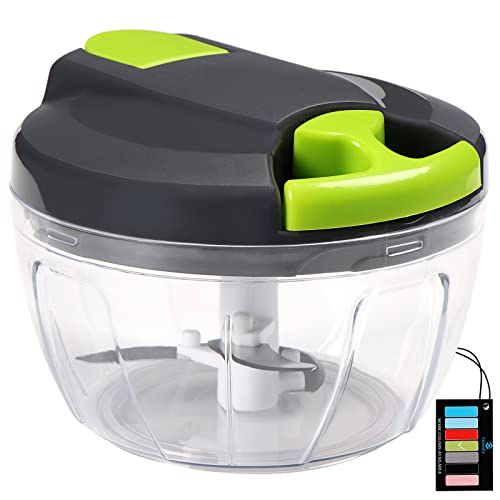
A manual vegetable chopper does one thing brilliantly - it turns the slowest part of cooking, dicing veg by hand, into a few seconds of work - but the right one depends entirely on how you cook and how much you chop at once. The big decision is the mechanism, and there are three. Pull-cord choppers like the Sinnsally and Geedel are the cheapest and smallest - you pull a string and the more you pull, the finer the result, which is perfect for garlic, onion and herbs. Press-dicers like the OXO, Brieftons and Fullstar push food through a fixed grid so you get fast, uniform cubes, and this is the style most people picture when they say vegetable chopper. A mandoline-combo like the Mueller does the most jobs - slice, julienne, grate and spiralize as well as dice - but has the most blades to handle. If thin, even slicing is the job you keep coming back to, our mandoline slicer guide covers the dedicated tools instead. One thing to be clear on: this guide covers hand-powered choppers only. Electric mini food choppers are a different product with a motor and a different buy, so we have kept them out. After the mechanism, it comes down to capacity, how well it copes with hard veg, and blade safety. This guide covers six choppers.
The three mechanisms - pull-cord, press-dicer and mandoline
Start with the mechanism, because it decides the size, the speed and the kind of jobs the chopper is good at. A pull-cord like the Sinnsally or Geedel is the cheapest and most compact - you drop in veg, pull the string, and control the fineness by how many times you pull, which makes it ideal for small jobs like mincing garlic, onion, herbs or baby food. A press-dicer like the OXO, Brieftons or Fullstar works the other way: you push the lid down to force food through a fixed grid, giving fast, uniform cubes with almost no effort, and this is the format most people mean by a vegetable chopper. A mandoline-combo like the Mueller is the most versatile of all - it slices, juliennes, grates and spiralizes on top of dicing - but it has the most blades to swap, store and clean, and the steepest safety learning curve. Pick the mechanism that matches the jobs you actually do most.
Capacity - one onion or a whole board of veg
How much you chop in one go matters as much as the mechanism. The pull-cord choppers are small by design - the Sinnsally is a 520ml bowl and the Geedel a 500ml one, which is about one onion at a time, so they suit garlic, herbs and quick single-serve prep rather than a big cook-up. The press-dicers hold far more, and the Brieftons QuickPush is the giant here at 8 cups (1.8L) - around 200 percent more than a typical chopper - so a batch meal-prepper can dice a full board before stopping to empty it. The Fullstar and OXO sit in between, big enough for a family dinner without being bulky to store. If you mostly chop a little at a time, a small pull-cord saves bench and cupboard space; if you batch-cook, the bigger the bowl the fewer times you stop.
Hard veg - carrot, beetroot and sweet potato
This is where honesty matters, because raw hard root veg is the real test of any manual chopper. Pull-cord models struggle with dense raw carrot, beetroot or sweet potato - they are built for softer veg, and forcing hard roots through is hard work. Press-dicers cope better because you can put your bodyweight behind the lid, but even they need firm force on raw roots, and the Brieftons states plainly that for hard veg like carrot or beetroot you should pre-boil or microwave them briefly to soften before chopping. The mandoline-style Mueller slices hard veg well but you are slicing, not dicing through a grid. The practical takeaway: if most of your chopping is hard raw root veg, lean towards a sturdy press-dicer and be ready to pre-soften, or do those jobs with a knife - no manual chopper makes raw beetroot effortless.
Blade safety - the number one real-world issue
The single most important thing to get right with any chopper is blade safety, because the 420 stainless blades these use are razor-sharp and the grids and mandolines are the easiest place in the kitchen to cut yourself. The rules are simple and worth saying plainly: never touch the blade or the grid with your bare hand, always use the food pusher or food holder that comes with the chopper to keep your fingers clear, and store the grid or blades covered rather than loose in a drawer where you will reach in and catch one. Mandolines like the Mueller deserve the most respect - the food holder is not optional, it is the thing standing between the blade and your fingertips. Press-dicers like the Fullstar and Brieftons are safer because the grid is enclosed, but the loose blades still bite when you clean them. Treat every blade as sharp, every time.
Cleaning and dishwasher safety
How easy a chopper is to clean decides whether you actually use it or leave it in the cupboard. Most of these are top-rack dishwasher safe - the Geedel, Fullstar and others state it - which makes day-to-day cleanup painless. That said, the blades are the part that wears, and hand-washing the blades rather than running them through the dishwasher every time keeps the edge sharper for longer, so a good habit is to put the bowls and lids in the machine and wash the blade by hand. Look for a removable cleaning grid like the OXO has, because a grid that lifts out rinses properly instead of trapping food, and the Mueller even includes a scrubbing fork for getting between its blades. Whatever you buy, the easier it is to take apart and rinse, the more often it will earn its place on the bench.
Versatility - chopper only, or slice and spiralize too
The last question is whether you want a chopper that only chops or a tool that does several jobs. A single-purpose pull-cord like the Sinnsally just minces, and that focus is a feature if mincing is all you need - it is cheap, small and simple. At the other end, the Fullstar is a 4-in-1 that chops, slices, dices and spiralizes, and the Mueller goes further again with 12 blades that slice, julienne, grate and spiralize as well as dice. More versatility means one tool replacing several, which is great if you use those functions - but every extra blade is another part to store, clean and keep track of, and a do-everything tool you only ever use to dice onions is overkill. Be honest about which jobs you will actually do, then buy the versatility you will use rather than the longest feature list.
Our verdict
For most people the Fullstar 4-in-1 Vegetable Chopper is the smart buy, with more than 85,000 ratings it is by far the most reviewed manual chopper on Amazon AU, the most de risked choice on the market, and it chops, slices, dices and spiralizes from one body, which is why it is our pick. If you only want to mince onions, garlic and herbs fast and cheap, the Sinnsally Manual Food Chopper is a pull cord at under 20 dollars. The Geedel Pull Chopper uses three staggered blades for a more even cut. The OXO Good Grips Vegetable Chopper is the trusted brand press dicer with an easy pour spout. For batch meal prep the Brieftons QuickPush has the biggest bowl here, and for a cook who wants one tool to slice, julienne, grate and spiralize as well as dice, the Mueller Pro-Series Mandoline is the premium do everything pick.
Frequently Asked Questions
Which vegetable chopper mechanism should I pick - pull-cord, press-dicer or mandoline?
Match the mechanism to the jobs you do most. A pull cord like the Sinnsally or Geedel is cheapest and smallest, and you control fineness by how many times you pull, ideal for garlic, onion, herbs and baby food. A press dicer like the OXO, Brieftons or Fullstar pushes food through a fixed grid for fast, uniform cubes, and is what most people mean by a vegetable chopper. A mandoline combo like the Mueller also slices, juliennes, grates and spiralizes, but has the most blades to handle and the steepest learning curve.
Is the Fullstar worth it over a cheaper chopper?
For most people, yes. The Fullstar is the most reviewed manual chopper on Amazon AU with more than 85,000 ratings, which makes it the most de risked choice you can buy, and the 4 in 1 design chops, slices, dices and spiralizes rather than just mincing. A cheaper pull cord like the Sinnsally is the right call if you only ever mince small amounts of garlic, onion and herbs and want to spend under 20 dollars. But if you want versatility and proven reliability and do not mind a mid-range price, the Fullstar is the safe default.
What is the difference between a pull-cord and a press chopper?
They work in opposite ways. A pull cord like the Geedel has blades on a spindle that you spin by pulling a string, the more pulls, the finer the result, so it is great for small, soft to medium jobs and is the most compact and affordable type. A press dicer like the Fullstar has a fixed grid of blades, and you push the lid down to force food through it in one motion, giving fast, uniform cubes with little effort. Press-dicers handle more volume and firmer veg, while pull-cords are smaller, cheaper and best for quick mincing.
Can a manual chopper dice hard veg like carrot or sweet potato?
It can, but with caveats. Pull-cord choppers struggle with dense raw carrot, beetroot or sweet potato because they are built for softer veg. Press dicers cope better since you can put your weight behind the lid, but they still need firm force on raw roots, the Brieftons states plainly that for hard veg like carrot or beetroot you should pre boil or microwave them briefly to soften them first. If most of your chopping is raw hard root veg, lean towards a sturdy press-dicer and be ready to pre-soften, because no manual chopper makes raw beetroot effortless.
Are vegetable choppers dishwasher safe?
Most are top rack dishwasher safe, the Geedel and Fullstar both state it, which makes everyday cleanup easy. The one habit worth keeping is to hand-wash the blades rather than running them through the dishwasher every time, because that keeps the edge sharper for longer. Put the bowls and lids in the machine and wash the blade by hand. A removable cleaning grid like the OXO helps too, because a grid that lifts out rinses properly instead of trapping food.
How do I clean a vegetable chopper safely without cutting myself?
Treat every blade as razor-sharp, because the 420 stainless blades and grids are the easiest place in the kitchen to cut yourself. Never run a finger across the grid or blade, use a brush or the scrubbing fork the Mueller includes, and rinse with the blade facing away from you. Take the chopper apart so each part rinses cleanly, and store the grid or blades covered rather than loose in a drawer where you will reach in and catch one. When chopping, always use the food pusher or food holder so your fingers never go near the blade.
What is the difference between a manual and an electric chopper?
They are different products for different buyers. A manual chopper, which is what this guide covers, is hand-powered - a pull-cord, a press-dicer or a mandoline - with no motor, no cord and nothing to charge, which makes it cheap, quiet, portable and easy to store. An electric mini food chopper has a motor and a power lead, does the work for you at the push of a button and handles bigger or tougher loads, but costs more, takes up more space and needs power. If you want simple, cheap and portable, buy manual; if you chop large volumes often and want a motor to do the work, an electric mini chopper is a separate buy.