Best Bidet Australia 2026: Sprayer, Attachment or Electric Seat
By Anish Puri·8 June 2026·Last updated 18 October 2026·12 min read
The best bidet in Australia for most bathrooms is a non electric handheld sprayer, and the Ella & Emma Handheld Bidet Sprayer (5.0 from 2 ratings) is our crown: it mounts to the wall or toilet tank on a 1.5m stainless steel hose. With so few ratings, we also compare Luxe attachments and an electric seat.
Prices checked 26 October 2026 on Amazon AU and subject to change.
Sprayer, attachment or electric seat? Start here
The best bidet in Australia for most bathrooms is a non electric handheld sprayer, and we rate the Ella & Emma Handheld Bidet Sprayer first (5.0 from 2 ratings, a very small sample). Its listing describes a 1.5m stainless steel hose, a T valve and wall or tank mounting, and says no plumbers are required.
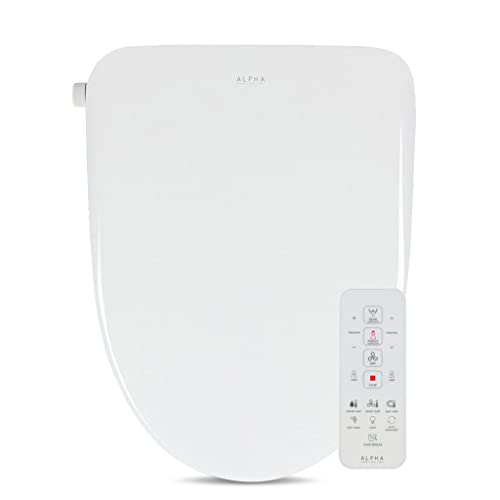
This guide covers three types of bidet, and the type matters more than the brand. A handheld bidet sprayer, which some listings call a bidet shower, is a spray head on a hose that you hold and aim. The Ella & Emma listing shows a T valve fitted at the toilet fill valve, with the sprayer mounted on the wall or the toilet tank. A bidet attachment is a non electric unit made for a toilet seat, and the Luxe Bidet NEO 185 listing says it attaches to any standard two piece toilet. An electric bidet seat is a toilet seat with the bidet built in, and the Alpha UX Pearl listing describes a ceramic core tankless water heater and a warm air dryer.
Product
Type
Power
Ratings
Heater listed
Seller line
Ella & Emma Handheld Bidet Sprayer, best overall
Handheld sprayer
Non electric
5.0 from 2 ratings
No heater listed
Ships from Amazon, sold by EMMADECOR-US
Fekivasy Handheld Bidet Sprayer
Handheld sprayer
Not stated in the listing
4.5 from 4,246 ratings
No heater listed
Amazon US
Luxe Bidet NEO 185
Attachment
Non electric
4.6 from 50,888 ratings
No heater listed
Amazon US
Luxe Bidet NEO 120
Attachment
Non electric
4.6 from 1,414 ratings
No heater listed
Amazon AU
Alpha UX Pearl Bidet Seat
Bidet toilet seat
Plug type and voltage not stated
4.5 from 619 ratings
Heater listed
OmikujiJP
The table shows type, power, ratings, whether a heater is listed and the seller line from the listing of each product in it. Two more cards, the Clear Rear and the PurrfectZone, sit near the end under their own headings.
Pick the type that fits your bathroom. If there is no power point beside the toilet, the Alpha UX Pearl listing gives no plug type or voltage, so a sprayer or an attachment is the simpler route. If you want a frontal wash as well as a rear wash, the NEO 185 listing describes dual nozzles for both. Plumbing rules can differ by state and territory, so ask a licensed plumber if you are unsure about connecting to your mains water supply.
Renting or short on space? The Ella & Emma listing says its sprayer has two ways of installation, can be mounted on the wall or toilet tank, and that no plumbers are required. It also lists a non electric wall mount design with an included holder, so it needs no power point. The Fekivasy listing likewise lists wall mounting and toilet tank mounting. Both connect through a T valve at the toilet, so check with your landlord before you fit anything, and ask a licensed plumber if you are unsure about the water connection.
Best overall: Ella & Emma Handheld Bidet Sprayer
The Ella & Emma Handheld Bidet Sprayer is the best overall choice in this guide, rated 5.0 from 2 ratings on Amazon AU. The listing describes a stainless steel finish, a 1.5m stainless steel hose, a 1/2 inch T valve and hook holder, wall or toilet tank mounting and a push button handle, and says no plumbers are required.
Why it leads, and the catch. Its 5.0 is the highest star rating among the products shown in stock in this guide, but it rests on only 2 ratings, which is a very small sample, so treat it as an early signal and not proof. If you want a large review base, the Luxe Bidet NEO 185 below shows 4.6 from 50,888 ratings. The listing calls the sprayer non electric and mentions no water heater.
Top pick
Ella & Emma
Ella & Emma Handheld Bidet Sprayer
5.0(2)
This is a handheld sprayer you hold and aim, not a seat. Its 5.0 is the highest star rating of the products shown in stock in this guide, but it rests on only 2 ratings on Amazon AU, so treat it as a very small sample. The listing describes a stainless steel finish, a 1.5m stainless steel hose, a 1/2 inch T valve and hook holder, wall or toilet tank mounting and a push button handle. It calls the sprayer non electric and says no plumbers are required. It asks you to check your toilet connection size before you buy. The listing says Ships from Amazon, Sold by EMMADECOR-US, and mentions no water heater.
$29.99
Amazon.com.au price as of 05:00 pm AEDT, subject to change
As an Amazon Associate, NestPath earns from qualifying purchases.
The listing's own installation steps are short. Turn off the water at the shut off valve, flush and hold the handle down to drain the tank, fit the T valve to the toilet fill valve where the original water supply hose was removed, connect the toilet water supply hose to the bottom of the T valve, then attach the bidet hose to the side outlet and the sprayer head to the other end. It adds that you should always close the T valve after each use, because leaving it open for long periods may put pressure on the internal parts and could increase the risk of leakage, flooding or water damage over time.
The listing suggests toilet cleaning, pet washing, cloth diaper rinsing and general bathroom rinse tasks, so the same handheld bidet sprayer can do more than personal washing. The kit includes a T valve, a stainless steel hose, mounting parts for the wall, Teflon tape and an installation instruction. The listing asks you to check your toilet connection size and installation requirements before you buy, and it shows Ships from Amazon, Sold by EMMADECOR-US.
How we pick bidets
We read the Amazon AU listing for each product, including the title, bullet points, product information table and description. Specs come from the maker's bullet points and the product information on each listing, and we also use the maker's own text that a listing prints, such as the installation steps in the Ella & Emma listing and the product description in the Luxe NEO 120 listing. We record the star rating, rating count, seller and stock, and we keep a claim only if a listing states it. We did not test any bidet.
Portable and travel bidet bottles are left out, because this guide covers fittings for an existing toilet. Where a rating rests on very few ratings, as with the Ella & Emma sprayer's 2, we say so.
Last checked: 18 October 2026
Fekivasy Handheld Bidet Sprayer
The Fekivasy Handheld Bidet Sprayer is a handheld sprayer, so you hold it and aim it rather than sitting on it. Its listing says it can be installed in less than 10 minutes without professional help, and it asks you to make sure the water inlet diameter of your toilet tank is 7/8 inch. Both wall mounting and toilet tank mounting are listed.
The listing describes a premium quality T valve that it calls leak proof and an upgraded explosion proof hose in 304 stainless steel. The pressure can be changed from jet spray to soft spray, and the listing suggests uses including cleaning pets, floors and baby nappies as well as personal hygiene. It shows 4.5 from 4,246 ratings. On 18 October 2026 the listing showed Amazon US as the seller and carried the Global Store notice: US imports may differ from local products. Additional terms apply.
Budget pick
Fekivasy
Fekivasy Handheld Bidet Sprayer
4.5(4,246)
A handheld sprayer you hold and aim, not a seat. The listing says it can be installed in less than 10 minutes without professional help and asks you to make sure the water inlet diameter of your toilet tank is 7/8 inch. It describes a premium quality T valve that it calls leak proof and an upgraded explosion proof hose in 304 stainless steel, with pressure that adjusts from jet spray to soft spray. Both wall mounting and toilet tank mounting are listed, and the listing suggests uses including cleaning pets, floors and baby nappies. It shows 4.5 from 4,246 ratings.
$62.58
Amazon.com.au price as of 11:00 am AEDT, subject to change
As an Amazon Associate, NestPath earns from qualifying purchases.
Clear Rear Bidet Attachment
Could not be bought on 18 October 2026: Amazon AU showed the Clear Rear Bidet Attachment as currently unavailable, so we are not recommending it. Its product title on our card describes a non electric attachment for a toilet seat with self cleaning dual nozzles, leak proof connectors, an adjustable water spray and a rear and feminine wash.
We show no rating or review count for this product, because the listing we captured for it opened a different product. If it returns, the card below will show its own listing again.
CLEAR REAR
Clear Rear Bidet Attachment
Could not be bought on 18 October 2026: Amazon AU showed this product as currently unavailable. We have removed its ratings until it is back.
As an Amazon Associate, NestPath earns from qualifying purchases.
PurrfectZone Bidet Sprayer
Could not be bought on 18 October 2026: Amazon AU showed the PurrfectZone Bidet Sprayer as currently unavailable, so we are not recommending it. Its product title on our card describes a bidet sprayer for a toilet in premium stainless steel, wall mounted or toilet tank mounted.
We show no rating or review count for this product, because the listing we captured for it opened a different product. If it returns, the card below will show its own listing again.
PurrfectZone
PurrfectZone Bidet Sprayer
Could not be bought on 18 October 2026: Amazon AU showed this product as currently unavailable. We have removed its ratings until it is back.
As an Amazon Associate, NestPath earns from qualifying purchases.
Luxe Bidet NEO 120
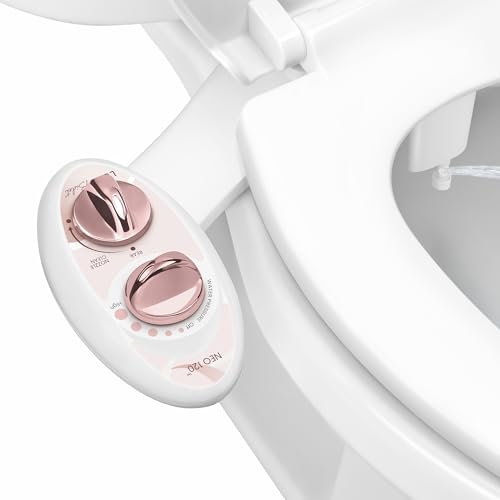
The Luxe Bidet NEO 120 is a non electric bidet attachment for a toilet seat with a single wash nozzle. Its description calls it a fresh water mechanical bidet attachment with dual control knobs that are simple to operate, and the title says rear wash.
The description says the nozzle drops below the guard gate during use and retracts when not in use, and that a self cleaning sanitary nozzle rinses itself with fresh water. If you want a frontal wash as well, the dual nozzle Luxe Bidet NEO 185 is the model to look at. The NEO 120 shows 4.6 from 1,414 ratings, and the listing shows Amazon AU as the shipper and seller.
Also great
LUXE Bidet
Luxe Bidet NEO 120
4.6(1,414)
The single nozzle Luxe attachment. The listing calls it a fresh water mechanical bidet attachment with one wash nozzle and dual control knobs; the nozzle drops below the guard gate and retracts when not in use, and a self cleaning sanitary nozzle rinses itself with fresh water. The title says rear wash and non electric. If you want a frontal wash too, look at the dual nozzle NEO 185. It shows 4.6 from 1,414 ratings and the listing shows Amazon AU as the shipper and seller.
$92.96
Amazon.com.au price as of 05:01 am AEDT, subject to change
As an Amazon Associate, NestPath earns from qualifying purchases.
Luxe Bidet NEO 185: the dual nozzle attachment
The Luxe Bidet NEO 185 is a non electric bidet attachment for a toilet seat with dual nozzles for rear and frontal wash. Its listing describes a gentler, forward facing second nozzle that it says is great for feminine use, keeps you clean during monthly cycles and comes in handy for new or expecting mothers. It shows 4.6 from 50,888 ratings, the most ratings of any product in this guide.
The nozzle automatically retracts behind the guard gate after each wash, the listing says it is constructed with high pressure valves with metal/ceramic cores and steel hoses instead of plastic, and it attaches to and detaches from any standard two piece toilet. The listing shows an 18 month warranty for the bidet and its accessories and says the kit includes Teflon tape. On 18 October 2026 the listing showed Amazon US as the seller and the Global Store notice: US imports may differ from local products. Additional terms apply.
Also great
LUXE Bidet
Luxe Bidet NEO 185
4.6(50,888)
The dual nozzle Luxe attachment. The listing describes rear and frontal wash, with a gentler forward facing second nozzle that it says keeps you clean during monthly cycles and comes in handy for new or expecting mothers. The nozzle automatically retracts behind the guard gate after each wash, the valves have metal/ceramic cores with steel hoses instead of plastic, and it attaches to any standard two piece toilet, with an 18 month warranty for the bidet and its accessories. The kit includes Teflon tape for installation. It has the most ratings of any product here: 4.6 from 50,888.
$105.51
Amazon.com.au price as of 11:01 pm AEDT, subject to change
As an Amazon Associate, NestPath earns from qualifying purchases.
Alpha UX Pearl Bidet Seat
The Alpha UX Pearl Bidet Seat is the only bidet toilet seat in this guide, so it is a different kind of purchase from a sprayer or an attachment. Its listing describes an energy efficient, ceramic core tankless water heater that provides unlimited warm water with minimal lag or temperature variations, plus a warm air dryer, a photocatalyst deodorizer and an LED nightlight with an ambient light sensor.
It also lists an arc shaped stainless steel nozzle that minimizes splashback, an ultra low profile just 4.5 inches tall in the rear, 2 programmable user presets and 2 shortcut functions, and a 3 year warranty in the title. It shows 4.5 from 619 ratings, and the seller line reads OmikujiJP. The listing does not state a plug type or voltage, so confirm that before you buy, and ask a licensed electrician if there is no power point beside the toilet.
ALPHA BIDET
Alpha UX Pearl Bidet Seat
4.5(619)
The only bidet toilet seat in this guide, so it is a different kind of purchase from a sprayer or an attachment. The listing describes a ceramic core tankless water heater with unlimited warm water, a warm air dryer, a photocatalyst deodorizer, an LED nightlight with ambient light sensor, an arc shaped stainless steel nozzle that minimizes splashback, an ultra low profile just 4.5 inches tall in the rear, and 2 programmable user presets, with a 3 year warranty in the title. It shows 4.5 from 619 ratings and the seller line reads OmikujiJP. The listing does not state a plug type or voltage, so confirm that before you buy and ask a licensed electrician if there is no power point beside the toilet.
As an Amazon Associate, NestPath earns from qualifying purchases.
How to choose the right bidet for your bathroom
The biggest mistake is buying for the bathroom you wish you had rather than the one you have. Start with power: the Ella & Emma, Luxe Bidet NEO 185 and Luxe Bidet NEO 120 listings all say non electric, while the Alpha UX Pearl listing describes a heater and a dryer but gives no plug type or voltage. If there is no spare power point beside your toilet, ask a licensed electrician before you consider a seat, or choose a sprayer or an attachment.
Then weigh format and water. A sprayer you hold and aim yourself, an attachment is made for a toilet seat, and a bidet seat adds a heater and a dryer. If you want a frontal wash, the NEO 185 listing describes dual nozzles for rear and frontal wash, while the NEO 120 has a single wash nozzle. Only the Alpha lists a heater, so match power, format, nozzle count and water heating to your real bathroom, and ask a licensed plumber if you are unsure about connecting to your mains water supply.
How to check a bidet fits your toilet
Check your toilet's water inlet size and whether you have a standard two piece toilet before you order. The Fekivasy listing asks for a 7/8 inch tank water inlet, the Luxe NEO 185 listing says it attaches to any standard two piece toilet, and the Ella & Emma listing asks you to check your toilet connection size.
If the seat is the problem, our toilet seat guide covers toilet seats, and the Alpha UX Pearl listing names an elongated white seat in its title. While you are at the toilet, our guides to the toilet brush, the toilet paper holder and the bathroom bin cover the rest of the corner.
What the key specs mean
A few details do most of the work when you compare bidets. Type is the first one: sprayer, attachment or bidet seat tells you how you use it. Power tells you what your bathroom needs, and only the listings that say non electric tell you that plainly. Nozzle count and wash type decide who it suits, since the NEO 120 lists a single wash nozzle while the NEO 185 lists dual nozzles for rear and frontal wash. A T valve is the fitting that connects the toilet water supply hose to the bidet hose, as the Ella & Emma installation steps show.
Water heating is the comfort line that splits this guide: the Alpha UX Pearl lists a tankless water heater, while the sprayers and attachments we checked list none. Self cleaning nozzles and a guard gate, described in the Luxe listings, keep the nozzle protected between uses. If you are shopping because of your period, our period underwear guide is a useful companion. Read type, power, nozzle count and water heating together and any bidet listing starts to make sense.
Frequently Asked Questions
What is the best bidet in Australia?
For most Australian bathrooms the best bidet is a non electric handheld sprayer, and we rate the Ella & Emma Handheld Bidet Sprayer first at 5.0 from 2 ratings. Its listing describes a 1.5m stainless steel hose, a T valve and wall or tank mounting, and says no plumbers are required. With only 2 ratings, read the other cards.
Bidet sprayer vs attachment vs electric seat: which should I buy?
Choose by power point and wash style. A handheld sprayer is held and aimed by hand. A non electric attachment such as the Luxe Bidet NEO 185 fits a toilet seat and lists dual nozzles for rear and frontal wash. An electric seat such as the Alpha UX Pearl lists a water heater and a dryer.
Do I need a plumber or a power point for a bidet?
The Ella & Emma, Luxe NEO 185 and Luxe NEO 120 listings all say non electric, and the Ella & Emma listing says no plumbers are required. Plumbing rules can differ by state, so ask a licensed plumber if unsure. The Alpha UX Pearl listing does not state a plug type or voltage.
Are bidets legal in Australia?
We cannot give a yes or no, because we have not found a legal source we can cite. Plumbing rules differ by state and territory, and none of the listings we checked mentions WaterMark certification. Ask a licensed plumber before you connect any bidet to your mains water supply.
Do bidets use cold or warm water?
Only the Alpha UX Pearl here lists a heater: its listing describes a ceramic core tankless water heater that provides unlimited warm water. The sprayers and attachments we checked list no heater. The Luxe NEO 120 listing describes a fresh water mechanical bidet attachment, so check each listing before you buy.
Will a bidet fit my toilet?
Check your toilet's water inlet size and whether you have a standard two piece toilet before you order. The Fekivasy listing asks for a 7/8 inch tank water inlet, the Luxe NEO 185 listing says it attaches to any standard two piece toilet, and the Ella & Emma listing asks you to check your toilet connection size.
Is installing a bidet hard?
The Ella & Emma listing says no plumbers are required and gives steps: turn off the water, drain the tank, fit the T valve to the toilet fill valve, connect the hoses and sprayer, then close the T valve after each use. The Fekivasy listing says installation takes less than 10 minutes without professional help.
What is the difference between the Luxe NEO 120 and NEO 185?
Both are Luxe non electric attachments for a toilet seat. The NEO 120 listing describes a single wash nozzle, while the NEO 185 lists dual nozzles for rear and frontal wash, with a gentler forward facing second nozzle for feminine use. The NEO 185 shows 4.6 from 50,888 ratings and the NEO 120 shows 4.6 from 1,414.
What is the downside of a bidet?
From the listings we checked, the trade offs are fit and setup. You need to match your toilet's water inlet or seat, a sprayer is held and aimed by hand, and among our cards warm water or a dryer means a seat that lists a heater, like the Alpha UX Pearl. Check the seller line on each listing.
Which bidet brand is the best?
We do not rank brands. Luxe has the largest rating count we recorded, 50,888 on the NEO 185, and the NEO 120 shows 1,414. The Ella & Emma Handheld Bidet Sprayer is our best overall choice at 5.0 from only 2 ratings, so check each listing's ratings and seller.
Why is a sprayer with only 2 ratings the best overall choice?
The Ella & Emma Handheld Bidet Sprayer shows 5.0 from 2 ratings on Amazon AU, a very small sample, and that is the highest star rating among the products shown in stock here. Its listing says it is non electric and no plumbers are required. If you want a bigger review base, the Luxe Bidet NEO 185 shows 50,888 ratings.
DETAILED REVIEWS
Top pick
Ella & Emma
Ella & Emma Handheld Bidet Sprayer
5.0(2)
This is a handheld sprayer you hold and aim, not a seat. Its 5.0 is the highest star rating of the products shown in stock in this guide, but it rests on only 2 ratings on Amazon AU, so treat it as a very small sample. The listing describes a stainless steel finish, a 1.5m stainless steel hose, a 1/2 inch T valve and hook holder, wall or toilet tank mounting and a push button handle. It calls the sprayer non electric and says no plumbers are required. It asks you to check your toilet connection size before you buy. The listing says Ships from Amazon, Sold by EMMADECOR-US, and mentions no water heater.
$29.99
Amazon.com.au price as of 05:00 pm AEDT, subject to change
As an Amazon Associate, NestPath earns from qualifying purchases.
Budget pick
Fekivasy
Fekivasy Handheld Bidet Sprayer
4.5(4,246)
A handheld sprayer you hold and aim, not a seat. The listing says it can be installed in less than 10 minutes without professional help and asks you to make sure the water inlet diameter of your toilet tank is 7/8 inch. It describes a premium quality T valve that it calls leak proof and an upgraded explosion proof hose in 304 stainless steel, with pressure that adjusts from jet spray to soft spray. Both wall mounting and toilet tank mounting are listed, and the listing suggests uses including cleaning pets, floors and baby nappies. It shows 4.5 from 4,246 ratings.
$62.58
Amazon.com.au price as of 11:00 am AEDT, subject to change
As an Amazon Associate, NestPath earns from qualifying purchases.
Also great
LUXE Bidet
Luxe Bidet NEO 120
4.6(1,414)
The single nozzle Luxe attachment. The listing calls it a fresh water mechanical bidet attachment with one wash nozzle and dual control knobs; the nozzle drops below the guard gate and retracts when not in use, and a self cleaning sanitary nozzle rinses itself with fresh water. The title says rear wash and non electric. If you want a frontal wash too, look at the dual nozzle NEO 185. It shows 4.6 from 1,414 ratings and the listing shows Amazon AU as the shipper and seller.
$92.96
Amazon.com.au price as of 05:01 am AEDT, subject to change
As an Amazon Associate, NestPath earns from qualifying purchases.
Also great
LUXE Bidet
Luxe Bidet NEO 185
4.6(50,888)
The dual nozzle Luxe attachment. The listing describes rear and frontal wash, with a gentler forward facing second nozzle that it says keeps you clean during monthly cycles and comes in handy for new or expecting mothers. The nozzle automatically retracts behind the guard gate after each wash, the valves have metal/ceramic cores with steel hoses instead of plastic, and it attaches to any standard two piece toilet, with an 18 month warranty for the bidet and its accessories. The kit includes Teflon tape for installation. It has the most ratings of any product here: 4.6 from 50,888.
$105.51
Amazon.com.au price as of 11:01 pm AEDT, subject to change
As an Amazon Associate, NestPath earns from qualifying purchases.
ALPHA BIDET
Alpha UX Pearl Bidet Seat
4.5(619)
The only bidet toilet seat in this guide, so it is a different kind of purchase from a sprayer or an attachment. The listing describes a ceramic core tankless water heater with unlimited warm water, a warm air dryer, a photocatalyst deodorizer, an LED nightlight with ambient light sensor, an arc shaped stainless steel nozzle that minimizes splashback, an ultra low profile just 4.5 inches tall in the rear, and 2 programmable user presets, with a 3 year warranty in the title. It shows 4.5 from 619 ratings and the seller line reads OmikujiJP. The listing does not state a plug type or voltage, so confirm that before you buy and ask a licensed electrician if there is no power point beside the toilet.
Affiliate Disclosure: As an Amazon Associate, NestPath earns from qualifying purchases. This means if you click a product link and buy something, we may receive a small commission at no extra cost to you. We only recommend products we genuinely believe will help new homeowners. This does not influence our recommendations.
CERTAIN CONTENT THAT APPEARS ON THIS SITE COMES FROM AMAZON. THIS CONTENT IS PROVIDED ‘AS IS’ AND IS SUBJECT TO CHANGE OR REMOVAL AT ANY TIME.