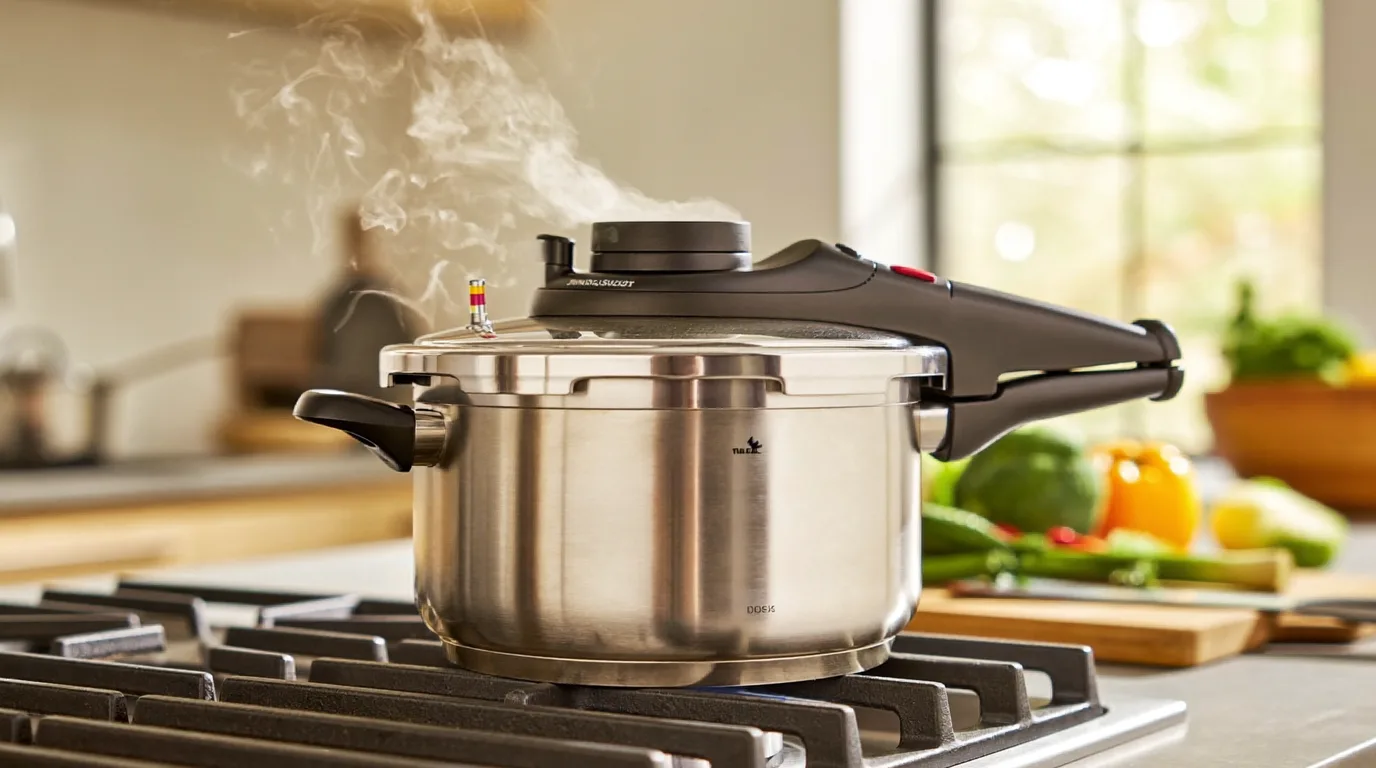
How to choose a moka pot in Australia
A moka pot is one of the cheapest ways to make rich, espresso-style coffee at home - it sits on the stovetop, pushes hot water up through ground coffee under steam pressure, and delivers a strong, concentrated brew with no pods, no capsules and no expensive machine. But the right one for you comes down mostly to two questions: what kind of hob you have, and how many cups you want at a time. The single biggest dividing line is material. Classic aluminium pots like the Primula, the Imusa and the iconic Bialetti Moka Express are cheaper, brew beautifully, and develop a patina over years of use - but they only work on gas or electric and will not heat on an induction cooktop without a separate adapter plate. Stainless-steel pots like the Bialetti Venus, the Easyworkz Diego and the bi-material Bialetti Moka Induction cost more but are induction-compatible and dishwasher safe. This guide covers six moka pots, each suited to a different hob and household.
Aluminium or stainless steel - the big decision
This is the choice that matters most, and it hinges on your cooktop. Aluminium is the traditional moka material - it is what Bialetti used in 1933 and it is cheaper, lighter and brews a classic cup. The Primula, the Imusa and the Bialetti Moka Express are all aluminium, and all three work on gas or electric only. Aluminium also develops a patina with use, which is normal and part of how a moka pot seasons. Stainless steel costs more but solves the induction problem: the Easyworkz Diego, the Bialetti Venus and the bi material Bialetti Moka Induction all work on an induction hob, and stainless is dishwasher safe and keeps its shine. If you have a gas or electric hob, aluminium is the cheaper, classic choice. If you have induction, you need stainless - or the bi-material Moka Induction.
Will it work on induction?
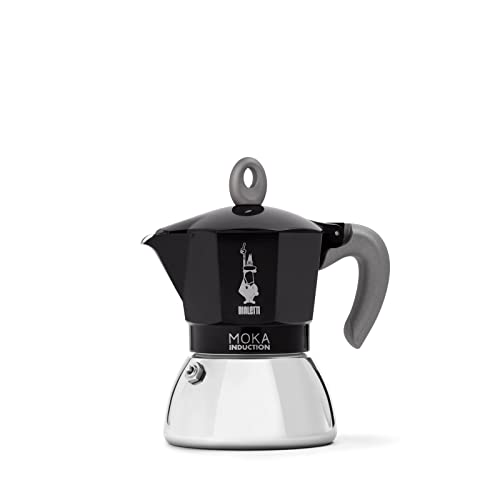
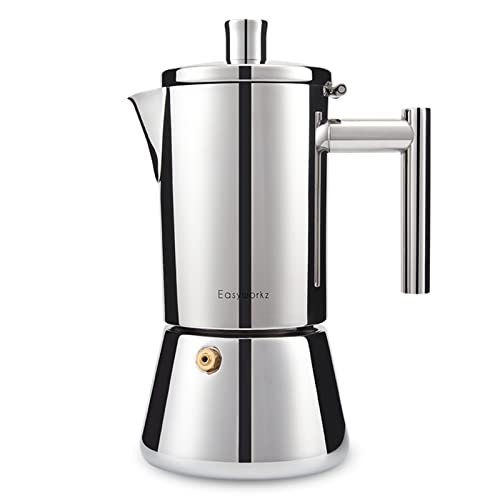
This trips a lot of people up, so it is worth being blunt about. An induction cooktop only heats magnetic metal, and aluminium is not magnetic - so the Primula, the Imusa and the classic Bialetti Moka Express will not heat on induction at all without a separate steel adapter plate sitting between the pot and the hob. If your kitchen is induction and you want it to just work, buy a pot with a stainless-steel base. The Easyworkz Diego is fully 18/8 stainless and the best value induction option here. The Bialetti Venus is 18/10 stainless and induction ready. The Bialetti Moka Induction uses a stainless base under an aluminium top so it works on every hob there is. Check your hob before you buy, because the right material is not optional - it is the difference between a working pot and a paperweight.
What size - and why a 6-cup is not six mugs
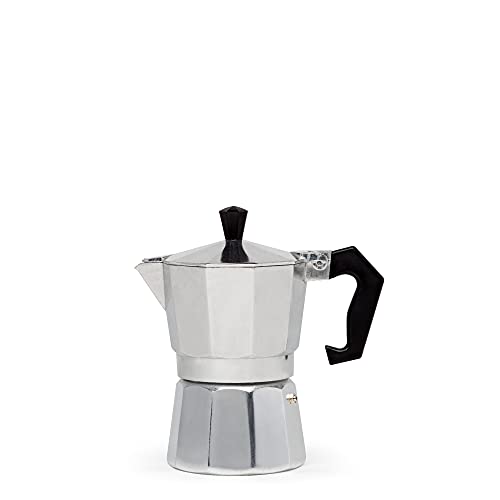
Moka pot sizes are quoted in cups, but a moka cup is an espresso shot, not a full mug, so the numbers run smaller than they look. A 3-cup pot like the Primula makes roughly one decent mug or two short blacks. A 4-cup like the Easyworkz Diego or the Moka Induction makes a little over one mug. A 6-cup like the Imusa, the Bialetti Moka Express or the Venus makes around two mugs. Pick the size to match how much you actually drink in one brew, and note that you should fill the basket and water chamber to the pot's rated level for the best extraction - a moka pot works best brewed to its size rather than half-filled. If you regularly make coffee for two, a 6-cup is the sensible default; for one, a 3 or 4-cup is plenty.
The Bialetti range explained
Three of the six pots here are Bialetti, the Italian company that invented the moka pot in 1933, and it helps to know how they differ because they cover different hobs. The Bialetti Moka Express is the original, the octagonal aluminium icon with the little man with the moustache, and it works on gas or electric only. The Bialetti Venus is a pure 18/10 stainless steel pot, sleek and induction ready, built to last. The Bialetti Moka Induction is the bi material option, pairing a stainless base with the classic aluminium top so it brews like the original but works on induction too. So the choice within Bialetti is really about your hob and whether you want aluminium character or stainless durability: Moka Express for gas or electric on a budget, Venus for all-stainless longevity on any hob, Moka Induction for the aluminium brew on an induction kitchen.
How to brew great moka coffee
A good moka pot rewards a little technique, and a few habits make a real difference. Start by filling the bottom chamber with pre-boiled water rather than cold from the tap - it shortens the time on the heat and stops the coffee stewing and turning bitter. Fill the funnel basket with ground coffee and level it off, but do not tamp it down the way you would for a real espresso machine - moka pots work by gentle steam pressure, and a tamped puck chokes the flow. Use low to medium heat, never full blast, so the water rises slowly and extracts evenly. And the key moment: pull the pot off the heat the instant it starts to gurgle and sputter, because that sound means the water is spent and anything after it just scorches the coffee. Pour straight away and you get a smooth, rich shot rather than a burnt one.
Brands you may have seen that are not on Amazon AU
If you have read other best-moka-pot lists, you will have seen a few premium names that are worth a brief honest note, because they are not reliably available on Amazon Australia. Grosche, the Canadian brand often praised for its stainless Milano range, Cuisinox, known for the high-end induction-ready Roma, and Alessi, the Italian design house behind collectable moka pots like the Pulcina and the 9090, all show up in international guides but do not have a steady Amazon AU buy-box. We have not included them here because we only recommend pots you can actually buy on Amazon AU today. If you specifically want one of those, you will generally need to look at specialist coffee retailers or design stores rather than Amazon. For the vast majority of buyers, the six pots in this guide - led by Bialetti, which invented the category - cover every hob and budget that matters.
Our verdict
For most people the Bialetti Moka Express is the smart buy: it is the original 1933 octagonal icon, the most reviewed moka pot here by far with more than 103,000 ratings, and it brews authentic espresso style coffee the way it has for decades, which is why it is our pick. If you only want to spend a little, the Primula is a cast aluminium 3 cup and the budget champion with over 32,000 ratings, and the Imusa 6-cup adds a cool touch handle for sharing. All three of those are aluminium and work on gas or electric only. If your hob is induction, the Easyworkz Diego is the best value stainless option and dishwasher safe, the Bialetti Venus is the premium all stainless choice built to last, and the Bialetti Moka Induction works on every hob there is. Match the material to your cooktop first, then the size to how much you drink.
Frequently Asked Questions
Can you use a moka pot on an induction cooktop?
Only if it has a stainless-steel base. An induction hob heats magnetic metal, and aluminium is not magnetic, so the classic aluminium pots here, the Primula, the Imusa and the Bialetti Moka Express, will not heat on induction without a separate steel adapter plate. For induction, buy a stainless pot: the Easyworkz Diego is fully 18/8 stainless and the best value, the Bialetti Venus is 18/10 stainless, and the Bialetti Moka Induction uses a stainless base so it works on every hob.
What is the difference between an aluminium and a stainless-steel moka pot?
Aluminium pots like the Bialetti Moka Express are cheaper, lighter and brew a classic cup, but they work on gas or electric only and develop a patina over time, which is normal seasoning. Stainless steel pots like the Bialetti Venus and the Easyworkz Diego cost more but work on every hob including induction, are dishwasher safe, and keep their shine. If you have a gas or electric hob, aluminium is the cheaper classic choice; if you have induction, you need stainless or the bi-material Bialetti Moka Induction.
How many cups does a moka pot actually make?
Fewer mugs than the number suggests, because a moka cup is an espresso shot, not a full mug. A 3-cup pot like the Primula makes roughly one decent mug or two short blacks. A 4 cup like the Easyworkz Diego makes a little over one mug. A 6-cup like the Imusa, the Bialetti Moka Express or the Venus makes around two mugs. Pick the size to match how much you drink in one brew, and fill it to its rated level for the best extraction.
Which moka pot is best for beginners?
The Bialetti Moka Express is the safest first pot: it is the original 1933 design with more than 103,000 ratings, so there is endless guidance on using it, and it is genuinely simple. If you want to spend less to start, the Primula is a cast aluminium 3 cup with over 32,000 ratings that does the same job for a quarter of the price. Both are aluminium, so they suit gas or electric hobs; if your kitchen is induction, start with the Easyworkz Diego stainless pot instead so it actually heats.
How do you make good coffee in a moka pot?
A few habits make the difference. Fill the bottom chamber with pre-boiled water rather than cold, which shortens the time on the heat and stops the coffee turning bitter. Fill the funnel basket and level it off, but do not tamp the grounds down - moka pots work on gentle steam pressure and a tamped puck chokes the flow. Use low to medium heat, never full blast. And pull the pot off the heat the moment it starts to gurgle and sputter, because that sound means the water is spent and anything after it scorches the coffee. Pour straight away for a smooth, rich shot.
Is Bialetti worth the extra money over the budget pots?
It depends on what you value. The budget Primula and Imusa brew genuinely good moka coffee for a quarter to a half of the Bialetti's price, so for pure function you do not have to pay more. What the Bialetti Moka Express adds is the original 1933 design, the brand that invented the category, and the largest base of proven reviews here at over 103,000. If you want the icon and the heritage, it is worth it; if you only want the coffee, the budget aluminium pots deliver it for less, just check your hob is gas or electric first.
Are premium brands like Grosche, Cuisinox and Alessi available in Australia?
Not reliably on Amazon Australia. Grosche (known for its stainless Milano range), Cuisinox (the high-end induction-ready Roma) and Alessi (the Italian design house behind collectable pots like the Pulcina and 9090) appear in international guides but do not hold a steady Amazon AU buy-box, so we have not included them here - we only recommend pots you can actually buy on Amazon AU today. If you specifically want one, you will generally need a specialist coffee retailer or design store. For most buyers, the six pots in this guide cover every hob and budget that matters.
Found this helpful?
Check out more guides for new homeowners.