How to choose a sous vide machine in Australia
Sous vide cooks vacuum-sealed food in a precisely heated water bath, which is what gives you edge-to-edge perfect doneness on a steak, a salmon fillet, a chicken breast or a batch of eggs - no grey overcooked band around a pink centre, just the exact temperature you set, all the way through. The machine itself is an immersion circulator that clamps to the side of a pot, heats the water and keeps it moving so the temperature stays even. For most Australian home cooks the Wancle Sous Vide Cooker at about $110 is the smart buy, the Fityou 1100W at about $83 is the cheapest way in, and the Anova Culinary Precision Cooker 3.0 WiFi at about $349 is the one to get if you want the original brand and its recipe app. When you are choosing one, the things that matter are temperature accuracy and wattage, whether you want app and WiFi control with built-in recipes or a simple dial, the size of pot and the maximum water volume it can handle, how much noise it makes, and the clamp or mount. There is also an Australia-specific check worth making on the plug, which we cover below. This guide compares six sous vide machines.
How the sous vide machines compare
Here is the quick side by side. Prices move daily, so treat the product cards below as the source of truth and this table as the shortlist.
What is sous vide cooking?
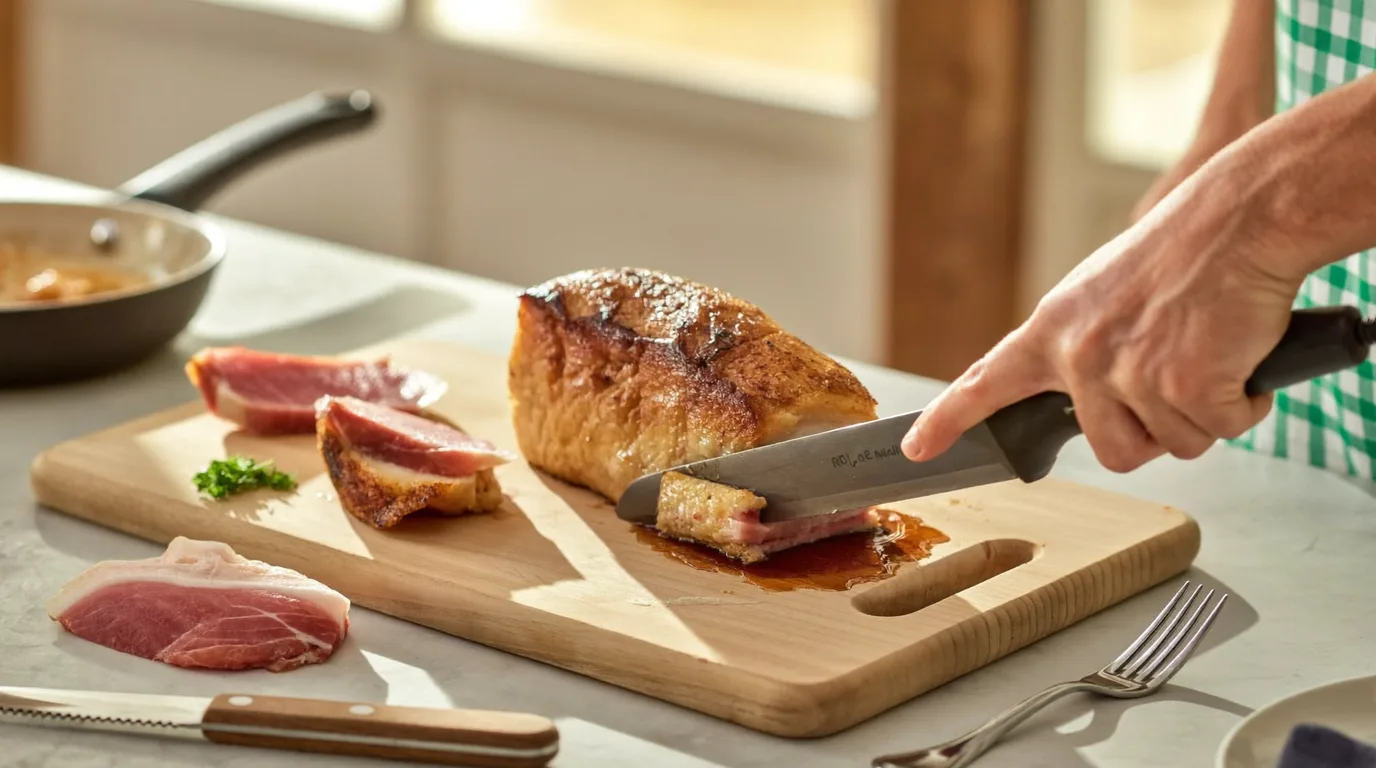
Sous vide is French for under vacuum, and it means cooking food sealed in a bag in a water bath held at the exact temperature you want the food to finish at. Because the water can never get hotter than the number you set, a steak set to 55C comes out at 55C from edge to edge no matter how long it sits there, which is why the method is almost impossible to overcook with. The trade is that it takes hours rather than minutes and adds no colour, so meat goes into a hot pan for a minute at the end to brown the outside.
Temperature accuracy and wattage
The whole point of sous-vide is precision, so temperature accuracy is the first thing to get right - the machine needs to hold the bath at the temperature you set, steadily, for hours, because half a degree is the difference between a perfectly set egg and a runny one. Every machine here is built for that, and the simple dial-controlled units like the Fityou and the Wancle are just as accurate as the app-driven ones - precision is not something you only get by paying for WiFi. Wattage is the other number to watch, because a higher-wattage element heats the bath faster and recovers temperature more quickly when you drop cold food in. The Fityou, Healthy Choice, KitchenBoss and Anova all run 1100W and the Inkbird 1000W, so heat-up times are quick across the board. For a big pot of water you will appreciate the extra wattage; for a small batch it matters less. If you want to confirm the bath is holding the number on the display, a probe thermometer in the water is the check.
App and WiFi versus a simple dial
This is the biggest split in the category. App and WiFi machines like the Healthy Choice, Inkbird and Anova let you set and monitor a cook from your phone, push notifications when it is done, and cook straight from a built-in recipe library - genuinely useful for the multi-hour cooks where you do not want to babysit the pot. Simple dial machines like the Fityou and the Wancle skip all that: you set the temperature and time on the unit and walk away. Neither is more accurate than the other, so this comes down to preference. A lot of people find the dial less hassle - no app to pair, no WiFi to drop out - while others love being able to check a brisket from the couch. If you are unsure, the dial-controlled Wancle is the safe, proven middle ground, and you can always step up to WiFi later.
Pot size and water volume
A sous-vide circulator does not come with its own pot - it clamps to one you provide - so the container range it supports decides how much you can cook at once. For a couple of steaks, any stockpot you already own is fine. For a big batch, a dinner party or a long cook of something bulky like a brisket, you want a machine that handles a larger volume of water and a deeper container. Sous vide gets a brisket perfectly tender but leaves the smoke behind, which is why plenty of cooks finish one on a smoker for the bark and the flavour a water bath cannot produce. The Healthy Choice is the standout here, rated for a wide 4 to 15 litre range, so it scales from a single portion in a small pot up to a big-batch cook without struggling to heat the volume. Check the minimum and maximum water depth too, because the circulator needs enough water to sit in but not so much that it is straining, and the clamp needs to reach the rim of whatever pot or food-safe container you plan to use.
Check the plug and voltage: the Australian catch
This is the one thing that catches Australian buyers out, so it is worth slowing down on. Australia runs 230V on a Type I plug, and some imported sous-vide units are sold without a proper AU plug, or worse, are built for 120V only and will not work safely here at all. Before you buy, check the listing for a genuine Australian plug and 230V compatibility rather than assuming it. The Inkbird ISV-100W in this guide specifically ships with a genuine AU plug, which is exactly why it earns the smart-with-an-AU-plug spot - you plug it straight into the wall with no adapter and no doubt about the voltage. The Healthy Choice is an Australian brand, which is a good sign on this front too. If a machine you like elsewhere does not clearly state an AU plug and 230V support, treat that as a real strike against it, not a detail to sort out later.
Noise, screen and waterproofing
The practical details decide how pleasant a machine is to live with. Noise matters because sous-vide cooks run for hours, sometimes all afternoon, and a circulator that hums loudly on the bench gets old fast - the Fityou, Wancle and KitchenBoss all run quietly, which is what you want. The display matters for how easily you set and read a cook: the KitchenBoss has a large TFT touch screen that is genuinely easy to read at a glance, while dial units keep it simple with a basic readout. Waterproofing is the underrated one - the circulator lives in a pot of water, so a sealed body shrugs off splashes and the occasional dunk. The KitchenBoss is rated IPX7, meaning it can handle full immersion, which is reassuring for an appliance that spends its life half-submerged. None of these are dealbreakers on their own, but together they separate a machine you enjoy using from one you tolerate.
The downsides of sous vide
It is slow. A steak that takes eight minutes in a pan takes an hour or more in a water bath, so this is a method you plan around rather than reach for at six o clock. It also produces no colour on its own, which means a searing step in a hot pan, on the barbecue or in an air fryer at the end, and that is one more thing to wash. You need bags and either a vacuum sealer or the water displacement trick with a zip-lock, and a pot big enough for the circulator to clamp to. The bath is uncovered for hours, so water evaporates and a lid or a sheet of foil helps on long cooks. If you cook this way once a month rather than weekly, several multi-cookers now include a sous vide mode and that is probably enough.
How much should you spend
You can cook excellent sous-vide at any price in this guide. The Fityou proves you do not need to spend much for an accurate, well reviewed circulator with an adjustable clamp and a digital timer. The Wancle is where most people should land, it is the proven, no fuss value workhorse and the most reviewed machine here. From there you are paying for features: the Healthy Choice and the Inkbird add WiFi, recipes and, in the Inkbird's case, a genuine AU plug. The KitchenBoss buys a big TFT screen and an IPX7 body, and the Anova Precision Cooker 3.0 buys the original brand and the most mature app ecosystem. Decide whether you want WiFi or a dial first, then pick the cheapest model that nails it - for most kitchens that is the Wancle.
Sous vide times and temperatures
These are the starting points most home cooks use. The temperature sets the doneness and never changes with thickness; the time is what changes, because a thicker piece takes longer to reach the middle. Anything at the lower end of a range is a minimum, not a deadline, and an extra hour rarely hurts.
For the chicken and fish temperature figures, see the NSW Food Authority cooking temperature guidance, which lists internal food temperatures of 74C for chicken and 63C for fish.
| Food | Water bath | Time | Result |
|---|
| Steak, rare | 52C | 1 to 3 hours | Soft, deep red centre |
| Steak, medium rare | 55C | 1 to 3 hours | The default for scotch fillet and rump |
| Steak, medium | 58C | 1 to 3 hours | Firmer, still pink |
| Chicken thigh | 74C | 1 to 4 hours | Falls apart, better for thigh meat |
| Salmon fillet | 63C | 30 to 45 minutes | Just set, the NSW Food Authority figure for fish |
| Carrots and root vegetables | 84C | About 1 hour | Tender without going to mush |
Sear steak in a very hot dry pan for about 1 minute a side afterwards, straight out of the bag and patted dry, or the surface steams instead of browning.
Always follow the manufacturer's manual and the requirements of your state or territory regulator.
Our verdict
For most home cooks the Wancle Sous Vide Cooker is the smart buy, it is by far the most reviewed machine here at 4.5 stars from more than 2,200 ratings, holds an accurate water bath temperature with simple dial controls and no app to fuss with, and runs quietly, which is why it is our pick. If you only want to spend a little, the Fityou 1100W circulator is a well reviewed entry point. Want WiFi from an Australian brand? The Healthy Choice Precision Cooker adds Tuya app control and a wide container range. The Inkbird ISV-100W is the best smart pick that ships with a genuine AU plug, the KitchenBoss is the big screen, fully featured option, and the Anova Precision Cooker 3.0 is the premium pick from the brand that started home sous vide.
Frequently asked questions
What does a sous vide machine actually do?
A sous vide machine is an immersion circulator that clamps to a pot, heats the water and keeps it moving so the temperature stays exactly where you set it. You seal food in a bag, drop it in the bath, and it cooks gently to the precise temperature you chose - which gives edge-to-edge perfect doneness on steak, salmon, chicken and eggs, with no overcooked grey band. Because the water never goes above your set temperature, the food cannot overcook, so timing is forgiving. The Wancle is the most proven machine here for exactly this.
Do I need WiFi and an app, or is a dial enough?
A dial is plenty for great results, precision is not something you only get by paying for WiFi, and the dial controlled Fityou and Wancle hold temperature just as accurately as the app driven units. WiFi and an app, as on the Inkbird and Anova, let you set and monitor a cook from your phone and cook from a recipe library, which is handy for long multi hour cooks. It comes down to preference - a lot of people find the dial less hassle with no app to pair, while others like checking on a cook from the couch.
How much wattage do I need in a sous vide machine?
Higher wattage heats the water bath faster and recovers temperature more quickly when you add cold food, which matters most for a big pot of water. The Fityou, Healthy Choice, KitchenBoss and Anova all run 1100W and the Inkbird 1000W, so heat-up times are quick across this guide. For a small batch the difference is minor, but if you regularly cook large volumes or a deep container, the extra wattage means less waiting for the bath to come back up to temperature after you drop the food in.
Will an imported sous vide machine work in Australia?
Not always, so check before you buy. Australia runs 230V on a Type I plug, and some imported sous-vide units are sold without a proper AU plug or are built for 120V only and will not work safely here. Look for a listing that clearly states a genuine Australian plug and 230V compatibility rather than assuming it. The Inkbird ISV-100W specifically ships with a genuine AU plug, so it goes straight into the wall, and the Healthy Choice is an Australian brand. If a machine does not clearly state AU-plug and 230V support, treat that as a real strike against it.
What size pot do I need for a sous vide cooker?
A circulator clamps to a pot you provide, so the container range it supports decides how much you can cook at once. Any stockpot you already own is fine for a couple of steaks, but for a big batch or a long cook of something bulky you want a machine rated for a larger water volume and a deeper container. The Healthy Choice handles a wide 4 to 15 litre range, scaling from a single portion up to a big batch. Check the minimum and maximum water depth too, and that the clamp reaches the rim of your pot or food-safe container.
Which sous vide machine is best for beginners?
The Wancle Sous Vide Cooker is the best pick for beginners, it has simple dial controls with no app to pair, holds an accurate temperature, runs quietly, and is by far the most reviewed machine here at 4.5 stars from more than 2,200 ratings, so you are buying a proven design. You set the temperature and time on the unit and walk away, which removes the WiFi-pairing step that can frustrate newcomers. The Fityou is a strong cheaper alternative if you want to spend as little as possible to start.
Is a sous vide machine worth it?
For anyone who wants restaurant-level consistency on steak, fish, chicken or eggs, yes. A sous vide machine cooks to an exact temperature all the way through, so it is almost impossible to overcook, and it makes tough cuts tender over a long, low cook with no babysitting. The cheapest options like the Fityou cost little enough that the consistency you gain makes them easy to justify, and the proven Wancle steps you up to the most reviewed machine here for not much more. If you cook protein often and care about getting it right, it earns its place on the bench.
How long do you sous vide a steak?
One to three hours for a steak of normal thickness, at the temperature that sets the doneness you want: about 52C for rare, 55C for medium rare and 58C for medium. A steak thicker than about 4 cm needs the longer end of that range to reach the centre. Past three hours the texture starts to soften more than most people want. Pat it dry and sear it for about a minute a side in a very hot pan afterwards.
How long do you sous vide a chicken breast?
One to two hours at about 63C for a breast off a standard supermarket chicken. That is hot enough to be fully cooked and low enough that the meat stays juicy instead of drying out the way it does in a pan or an oven. Thighs are better at about 74C for one to four hours, because thigh meat needs the extra heat to break down. Chill or sear straight after the bath rather than leaving it sitting in warm water.
Do you have to sear food after sous vide?
For meat, yes in practice. The water bath cooks the inside perfectly but adds no colour and no roasted flavour, so a steak out of the bag looks grey. Dry the surface with paper towel, then give it about a minute a side in a very hot dry pan, on the barbecue or under a grill. Fish and eggs need no sear at all, and vegetables only if you want the caramelised edge.