How to choose an electric screwdriver in Australia
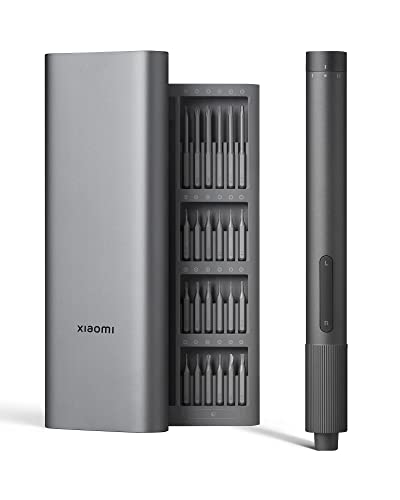
The best electric screwdriver in Australia is the Xiaomi 4019 Cordless Screwdriver, a USB-C driver with a 2,000 mAh battery that its listing says handles up to 180 screws on one full charge. Pick it for flat pack furniture, light fixtures and electronics, then choose a precision kit or a premium driver if your jobs are narrower.
The first thing to settle is what you are actually driving, because electric screwdrivers come in two distinct families and the right one depends entirely on the job. Cordless DIY screwdrivers are built for flat pack furniture, hanging things, fixing cabinet handles and general jobs around the house, and the Hi-Spec, SKIL, Bosch IXO, DEWALT, BLACK+DECKER and Vessel Electric Ball Grip all sit here. Precision or electronics screwdrivers are a different tool, built for the tiny screws in laptops, phones, glasses, toys and RC cars, which is the Xiaomi Electric Precision Screwdriver, the Fanttik, the SHARDEN and the STREBITO, plus the mini in the Hi-Spec set. The Xiaomi 4019 sits between the two, a cordless driver that suits light fixtures and electronics alike. After deciding which family you need, it comes down to voltage and torque, the bits and bit storage each one ships with, battery and charging, and how much control you get over speed. This guide covers eleven electric screwdrivers, each suited to a different kind of job. For most Australian households the best electric screwdriver is the Xiaomi 4019 Cordless Screwdriver, with the SKIL Rechargeable 4V the all round alternative for everyday home jobs, and the Xiaomi Electric Precision Screwdriver the one for electronics at 170 RPM with 24 S2 steel bits. The Bosch Home and Garden IXO could not be bought on Amazon Australia on 13 October 2026.
| Screwdriver | Family | Key spec | Screws per charge | Rating |
|---|
| Hi-Spec 3.6V Cordless Set | DIY, mini | 3.6V with a large general bit set | Not stated | 4.4 |
| SKIL Rechargeable 4V SD561801 | DIY | 4V, 9 bits and a holder, USB | Not stated | 4.6 |
| Bosch Home and Garden IXO 7th Generation | DIY | 5.5Nm torque, Micro-USB | About 190 | 4.6 |
| Xiaomi Electric Precision Screwdriver | Precision | 170 RPM, 24 S2-steel bits | 400 plus small screws | 4.5 |
| DEWALT DWHT66719 | DIY, premium | FLEXDRIVE collar, 6 stage torque adjustment | Not stated | 4.4 |
| Fanttik E1 Max 3.7V | Precision, premium | 3.7V, 50 magnetic bits | Not stated | 4.5 |
| Xiaomi 4019 Cordless Screwdriver | DIY and electronics | 2,000 mAh battery, three shift dial, USB-C | Up to 180 | 4.8 |
| Vessel Electric Ball Grip Screwdriver Plus | DIY, small jobs | Three modes from 1.2 Nm to 2.0 Nm, USB-C | Not stated | 4.3 |
| SHARDEN Mini Electric Screwdriver 29 in 1 | Precision | 0.15 Nm to 0.35 Nm electric torque, 24 bits, USB-C | Up to 500 | 4.3 |
| STREBITO Mini Electric Screwdriver Set 70 in 1 | Precision | 0.3 Nm to 0.5 Nm automatic torque, 64 bits, USB-C | Over 600 | 4.4 |
| BLACK+DECKER BCF601AA | DIY | 220 RPM, extension shaft, LED light, alkaline battery | Not stated | 4.2 |
Best overall: Xiaomi 4019 Cordless Screwdriver
The Xiaomi 4019 Cordless Screwdriver is the electric screwdriver we would buy for most homes. Its listing gives a 2,000 mAh battery that handles up to 180 screws on one full charge, a USB-C charging port and a three shift dial that suits one hand use. A one hand direction toggle and three LEDs with automatic lighting help in cupboards and behind panels, and the listing names light fixtures, home furnishings and electronics as jobs it handles, so it covers both families in this guide. Among the picks sold from Australian stock, it has the highest star rating on Amazon AU.
The listing is sold by Wanwu Elec and shipped from Amazon.
Flaws but not dealbreakers
The listing does not state a torque figure or a voltage, so check it against the screws you drive before you buy, and use a drill or impact driver for long screws into hardwood. Reviewer comments on the listing describe it as enough for basic work rather than powerful, and the listing gives conflicting contents: the Included Components row names only the screwdriver, while the description lists 12 bits, an extension rod and a charging cable, so check what arrives and buy bits to suit your screws if needed.
These two families are not really competing: they do different work. A cordless DIY driver like the SKIL or the Bosch IXO has the torque to drive furniture and cabinet screws and is sized for your whole hand. A precision driver like the Xiaomi or the Fanttik is a slim, low-torque tool built for the tiny fasteners inside electronics, where too much force strips a thread or cracks a case. The Hi-Spec set bridges the two with a mini driver and a broad bit set for light jobs of both kinds. Before anything else, picture the screws you most often need to turn: if they are in flat pack furniture and around the home, you want a DIY driver; if they are in a laptop or a pair of glasses, you want precision. That single decision narrows the field straight away.
Battery and charging
Almost every electric screwdriver now charges over USB, which is the convenience that makes them worth owning: no proprietary charger to lose and no disposable batteries. The Hi-Spec and the SKIL both top up from a USB cable, the Bosch IXO uses Micro-USB, and the precision drivers are rechargeable too. The figure to watch is screws per charge: the Bosch IXO drives up to around 190 screws on a charge, which sees you through a full assembly session, while the Xiaomi manages 400 plus small screws, more than enough for a long electronics repair. For occasional use, any of these will hold a charge between jobs, but if you assemble a lot in one sitting, the higher screws-per-charge figures mean fewer interruptions. Check whether a model uses USB-C or Micro-USB so it matches the cables you already have around the house. The Xiaomi 4019, STREBITO, SHARDEN and Vessel listings name USB-C charging, while the BLACK+DECKER BCF601AA is listed as an alkaline battery model.
Our verdict
The Xiaomi 4019 Cordless Screwdriver is our best overall pick, and the Best overall section above explains why. The rest of this verdict sorts the other picks by job.
For everyday home jobs the SKIL Rechargeable 4V Cordless Screwdriver is the all round alternative: it is the highest rated high volume cordless driver here, ships with 9 bits and a holder, charges over USB and handles everyday home jobs. If you only want to spend a little, the Hi-Spec 3.6V set bundles a mini driver with a large bit set for light DIY. The Bosch IXO 7th Generation could not be bought on Amazon Australia on 13 October 2026. For electronics, the Xiaomi is the best value precision pick, while the Fanttik E1 Max is the premium precision kit with 50 magnetic bits. And if you do enough DIY to value fine control and durability, the DEWALT with its FLEXDRIVE collar and 6 stage torque adjustment is the premium pick.
Who makes the best electric screwdriver?
There is no single winner, but the field sorts cleanly. Bosch is the household name here and the IXO is the compact driver most Australians picture, with an attachment ecosystem nothing else matches at the price. SKIL is the value alternative to Bosch, built around the 4V SD561801. DEWALT and Makita are the trade brands: heavier, dearer, built to be dropped, and worth the money only if you are on the tools regularly. Milwaukee and Hikoki sit in the same tier and sell through the trade counters rather than the supermarket aisle. On the precision side, Xiaomi and Fanttik have taken the category over from the old jeweller's sets. And Vessel, the Japanese brand Australian sparkies name most often in forums, makes the manual and impact drivers a lot of trades swear by, and sells most of its range through tool specialists. Its Electric Ball Grip is the one Vessel model we could add from Amazon, and its card says how it is sold.
Where to buy an electric screwdriver in Australia
Four channels, and they price differently. Bunnings carries the mainstream cordless drivers and is where most households start. Total Tools and Sydney Tools are the trade counters, and that is where the Makita, Milwaukee, Hikoki and Vessel gear lives. Amazon Australia is where the precision kits and the value drivers are cheapest, which is why every pick above comes from there. And the electronics retailers carry the precision kits at their own prices. We link only to Amazon Australia because that is where we can read a price, a real star rating and a review count you can check, and we will not print a shelf price we cannot verify. If you buy in a shop, take the four numbers off this page: voltage, torque in Nm, bits included and screws per charge.
How we picked
We compared electric screwdrivers on the things that decide whether one suits a job: voltage and torque, the bits and bit storage in the box, battery and charging, and how much control you get over speed. Our sources are the Amazon Australia listings for every pick, including the seller, the stock position and the specifications each maker supplies, plus Bosch's published IXO 7 technical data and RS Components' cordless screwdriver guide for the voltage and torque benchmarks. Star ratings and review counts come from those listings.
We did not bench test these tools, so we do not claim torque or battery results beyond what a maker or listing states. Where a listing is sold through an Amazon Global Store, its card says so.
Last checked: 13 October 2026, covering the stock, seller and rating of every listing on Amazon Australia.
How do you use an electric screwdriver?
Four habits cover almost everything. 1. Match the bit to the screw head exactly, because a bit one size down is what strips a head, and a stripped screw in a flat-pack panel is a bad afternoon. 2. Set the torque or speed low and work up. On a driver with settings, like the Xiaomi's two speed control or the DEWALT's 6 stage torque adjustment, start gentle and only add force once the screw is biting. 3. Keep the driver square to the screw and push straight along its axis, not at an angle. Most cam-out happens because the tool is leaning. 4. Drill a pilot hole in hardwood or anywhere near an edge, because these tools have the torque to split timber long before they have the torque to drive through it.
Using one on flat-pack furniture
Flat pack is where most of these tools earn their keep, and there are two rules. Drive the screws in by hand for the last quarter turn rather than letting the motor set them, because chipboard threads strip easily and a cam-locked panel that has been overdriven never sits flush again. And assemble in the order the instructions give even when it looks wrong, because the panels brace each other and a half-built carcass twists. The SKIL is the pick for this job: enough power for the screws in most kits, 9 bits to cover the common heads, and light enough to hold overhead while you line a panel up.
Frequently asked questions
What is the difference between a DIY and a precision electric screwdriver?
A DIY electric screwdriver has the torque to drive furniture, cabinet and general household screws and is sized for your whole hand: the SKIL and Bosch IXO are examples. A precision screwdriver is a slim, low torque tool built for the tiny screws inside laptops, phones, glasses and toys, where too much force strips a thread or cracks a case: the Xiaomi and Fanttik E1 Max are built for that work. Pick the family that matches the screws you most often need to turn.
Can an electric screwdriver replace a drill?
Not for everything. An electric screwdriver is built for assembly and finishing work, driving the screws in flat pack furniture, fixing handles and hanging light things, and it is lighter and easier to control than a drill for those jobs. But the drivers in this guide do not have the torque to bore holes or drive long screws into hardwood, which is where a drill or impact driver is the right tool. For everyday screwing around the house, a driver like the SKIL is more convenient than a full size drill.
How much torque do I need in an electric screwdriver?
For everyday home jobs, modest torque is plenty: the Bosch IXO delivers 5.5Nm, which handles the screws in most flat pack furniture and cabinetry. A 3.6V mini like the Hi-Spec has less and suits light assembly. For electronics the opposite is true: you want low, controllable torque so you do not strip tiny screws, which is why precision drivers like the Xiaomi use a gentle motor and torque settings. Match the torque to the job rather than chasing the highest number.
What kind of bits do precision screwdrivers use?
Precision drivers use small bits made from hardened steel, often S2 steel, which bites into tiny fasteners without rounding off the head. The Xiaomi ships with 24 S2 steel bits and the Fanttik E1 Max with 50 magnetic bits, covering the Phillips, Torx, pentalobe and tri point heads you find inside phones, laptops and cameras. Because the bits are tiny and easy to lose, both tools include organised storage: an aluminium case on the Xiaomi and magnetic storage on the Fanttik.
How are electric screwdrivers charged?
Almost all of them charge over USB, which is a big part of their convenience: there is no proprietary charger to lose and no disposable batteries. The Hi-Spec and SKIL top up from a USB cable, and the Bosch IXO uses Micro-USB. Charge time and how many screws you get per charge vary: the Bosch IXO drives up to around 190 screws on a charge and the Xiaomi manages 400 plus small screws. Check whether a model uses USB-C or Micro-USB so it matches the cables you already have.
Which electric screwdriver is best for flat-pack furniture?
The SKIL Rechargeable 4V Cordless Screwdriver is the best pick for flat pack furniture: it has enough power for the screws in most kits, ships with 9 bits and a holder to cover common heads, and charges over USB. It holds a 4.6 star average on Amazon Australia. The Bosch IXO could not be bought on Amazon Australia on 13 October 2026.
Are electric screwdrivers worth it over a manual one?
For anything beyond the occasional single screw, yes. An electric screwdriver drives screws far faster and saves your wrist on repetitive jobs like assembling furniture or installing a row of cabinet handles, and the cordless USB-charged models are no hassle to keep ready. For electronics, a precision driver like the Xiaomi also gives more consistent, controlled turns than a manual jeweller's screwdriver. Even a budget option like the Hi-Spec makes the time and effort saved easy to justify.
How does an electric screwdriver work?
A small electric motor turns a geared output shaft, and that shaft holds a hex bit rather than a drill chuck. A battery, almost always USB rechargeable now, drives the motor, and a switch or trigger controls direction and often speed. The gearing is what separates it from a drill: an electric screwdriver trades speed for controlled turning force at low revolutions, which is why the Xiaomi precision driver spins at just 170 RPM and the Bosch IXO delivers 5.5Nm of torque. Cheaper models are on or off, while better ones vary the speed with how hard you squeeze.
How do you change the head on an electric screwdriver?
Pull, swap, push. Nearly every driver in this class takes a standard hex bit held by a magnet or a spring collar, so you stop the tool, pull the old bit straight out, and press the new one in until it seats. On models with a collar you slide the sleeve forward first, then release it to lock. Precision drivers work the same way at a smaller scale: the Xiaomi ships 24 S2-steel bits in an aluminium case and the Fanttik E1 Max carries 50 in magnetic storage. Never change a bit while the motor can still turn.
What is the best electric screwdriver?
The Xiaomi 4019 Cordless Screwdriver is our best overall pick. Its listing gives a 2,000 mAh battery that handles up to 180 screws on one full charge, USB-C charging and a three shift dial, so it suits flat pack furniture, light fixtures and electronics. For tiny screws in phones and laptops, choose a precision kit instead.
What is a power screwdriver?
A power screwdriver is a handheld tool with a small motor that turns the bit for you, so you press a switch instead of twisting your wrist. It is also called an electric, cordless, battery or motorised screwdriver. Most rechargeable models, such as the Xiaomi 4019 with its USB-C port, suit flat pack furniture, cabinet handles and electronics.
Can you unscrew with an electric screwdriver?
Yes. Electric screwdrivers have a direction control that reverses the motor, so the same tool removes screws as well as driving them. The Xiaomi 4019 Cordless Screwdriver listing names a one hand direction toggle, and the SHARDEN kit has a front fastening button and a rear unfastening button.