How serious do you want to get? That decides everything
The best metal detector in Australia for most beginners is the SUNPOW Metal Detector. It pairs an LCD screen and 4 modes with an IP68 waterproof coil, and holds 4.4 stars from more than 5,200 ratings on its Amazon AU listing. It is a coin, relic and beach detector, not a goldfields gold machine.
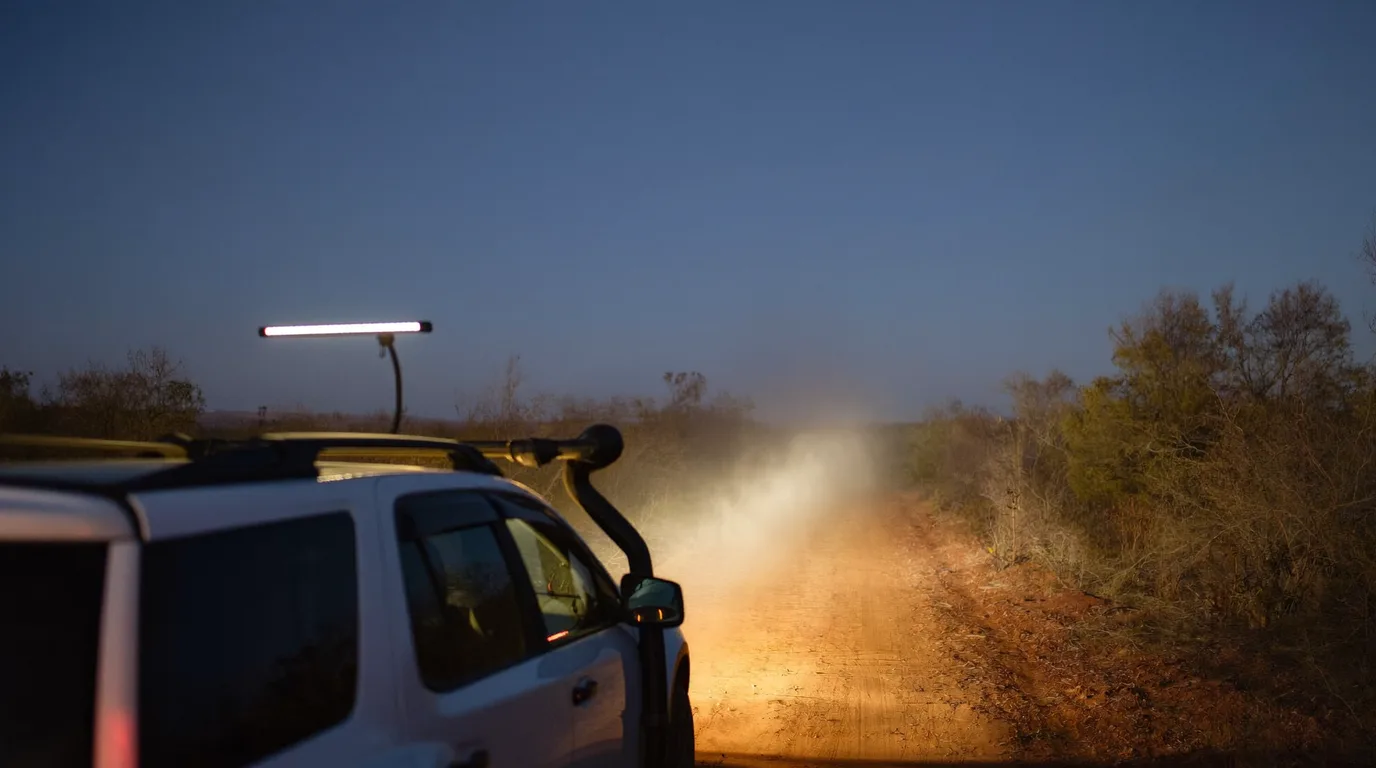
Here is how the choice breaks down. Be clear about one thing before you spend, though: an entry level detector will not reliably find gold in mineralised Australian ground. Metal detecting is one of the easiest outdoor hobbies to start, so before you compare a single number, answer this: are you after weekend fun in the backyard and on the beach, or do you want to chase coins and relics seriously? A simple analog unit like the Bounty Hunter TK4 will find coins and relics with almost no learning curve, and a lightweight kit like the National Geographic is built for kids and families. Step up and you get the things that matter for serious hunting: target discrimination to ignore junk and iron, a digital screen with target IDs, a bigger waterproof coil for more depth and a recognised name like Minelab. Get that one decision right and the rest of the choice falls into place. Two things matter more than the machine on a long day out: beach detecting after dark needs a headlamp more than it needs a better coil, and a camping chair in the boot makes the hours between finds a great deal more pleasant.
The picks below run from a simple analog Bounty Hunter up to a full RipTic kit, and they map onto that split: the first two are beginner and family detectors for fun and shallow finds, and the rest add screens, more modes, bigger coils and brand pedigree for people who want to dig deeper. One honest framing note before you read on: this is a modestly rated category overall, and the beginner units especially are simple tools, so it pays to keep expectations realistic on depth and discrimination. Match the detector to how you will actually use it and you will not overspend. At the 14 October 2026 check the Bounty Hunter TK4, the National Geographic kit and the Minelab Vanquish 340 were sold through the Amazon US Global Store, the DR.OTEK through the Amazon Germany Global Store and the Gbnryg through the Amazon UK Global Store, so delivery takes longer on those five. The Minelab X-Terra Intrepid could not be bought on 14 October 2026.
| Pick | Best for | Key spec |
|---|
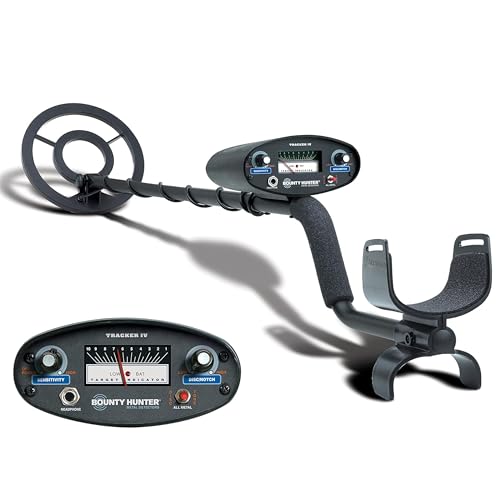
| Bounty Hunter TK4 Tracker IV | A first detector with no fuss | Analog controls, 3 modes, waterproof 8 inch coil, Amazon US Global Store at the 14 October 2026 check |
| National Geographic Starter Kit | Kids and families | 544 grams, waterproof dual coil, detects to about 10cm, trowel and guide included, Amazon US Global Store at the 14 October 2026 check |
| SUNPOW Metal Detector | Best overall: the first step into a digital screen | LCD display, 4 modes, IP68 coil, shovel, headphones and batteries included |
| DR.OTEK Metal Detector Set | More depth than a starter unit | 9.8 inch IP68 coil rated to about 25cm on a coin, 5 modes, 108 to 135cm handle, Amazon Germany Global Store at the 14 October 2026 check |
| Minelab X-Terra Intrepid | Could not be bought on 14 October 2026 | No specifications shown, the link opened a different product on 14 October 2026 |
| RipTic Metal Detector Kit | One box with everything in it | 5 modes, DSP filtering, 10 inch IP68 coil, separate pinpointer, headphones, backpack |
| VEVOR Metal Detector | A bundle with seven modes | 7 modes, backlit LCD, IP68 coil, 10 inch search coil, six batteries, shovel and earphone |
| BOXTREN Metal Detector | A 12.8 inch coil | 12.8 inch IP68 coil, 5 modes, backlit LCD, headphones, shovel and bag |
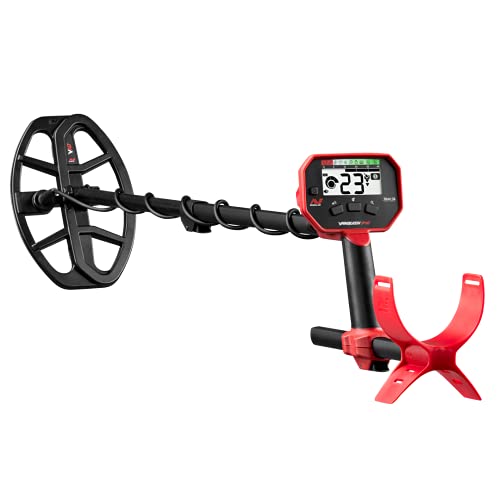
| Minelab Vanquish 340 | A simple Minelab with automatic settings | Five frequencies at once, Park, Field and Beach modes, packs down to 76 cm, Amazon US Global Store at the 14 October 2026 check |
| Gbnryg Professional Metal Detector | A boxed kit with a backpack | 5 modes, IP68 coil, collapsible shaft, headphones, digger and backpack, Amazon UK Global Store at the 14 October 2026 check |
Bounty Hunter TK4 Tracker IV
If you just want to start detecting without any fuss, the Bounty Hunter TK4 is a natural first detector for adults and the pick with the largest review base here, at more than 14,000 ratings. It keeps things refreshingly simple: intuitive analog controls, adjustable sensitivity and 3 modes, namely all metal, tone and discrimination, so you can start filtering junk and iron from the first sweep.
The 8 inch coil is waterproof, which means the beach, wet sand, damp soil and shallow water are all fair game alongside the backyard and the local park. The honest compromise is that it is a basic analog unit rather than a digital one, so expect analog controls rather than a screen or a target ID readout; you learn to read it by the tone. Sold through the Amazon US Global Store at the 14 October 2026 check, so delivery takes longer. For a low risk first detector that genuinely finds coins and relics, it is hard to beat.
Detecting for gold: what you actually need
This guide covers hobby machines for coins, relics and beach finds, even where a listing title says gold, and it is worth being blunt that goldfields gold is a different job. Australian goldfields ground is heavily mineralised, which is the exact condition that swamps a simple detector with false signals, and the machines that cope with it use ground balancing and much higher operating frequencies.
The two names Google's results point at are the Minelab Equinox 900 and the Minelab Manticore, which the results describe as leading the market for professional and multi terrain use. We do not feature them in this guide, and we would rather say so than sell you a cheap machine for a job it cannot do. If gold is the goal, buy one of those, or buy a cheap detector first purely to learn coil control on the local oval and treat it as a training cost.
Detectors use two main technologies, VLF and pulse induction (PI). Minelab describes its Multi Au Technology as combining the sensitivity of VLF with the ground versatility of PI, which shows how much mineralised ground shapes the choice of machine.
Outback Safe Track's beginner guide sets out the trade. A VLF (very low frequency) detector is sensitive to small gold, gives you a rough idea of what is under the coil and is easier on the wallet, which makes it the usual beginner choice. A PI detector punches deep and shrugs off heavy mineralisation, but costs more and is not as clever at telling gold from junk. For a first machine, the guide recommends a VLF with automatic ground balance.
If your plans turn to prospecting for gold rather than coin and beach hunting, sort the permit before you swing. The same guide names the Miner's Right permit in Victoria and in Western Australia and says rules vary by state, so check your own state's rules before you head bush.
The Minelab X-Terra Intrepid above could not be bought on 14 October 2026. Garrett is the other brand people ask about, and this guide carries no Garrett model.
The single biggest mistake is buying for the hunter you imagine rather than the one you will actually be. If the honest answer is that you want weekend fun in the backyard, the park and the beach, a simple analog unit or a light family kit is the smart buy, and a pricier detector would mostly add features you never touch. If you specifically want to chase coins, jewellery and relics seriously, the things to look for are real target discrimination to ignore junk and iron, a digital screen with target IDs, a bigger waterproof coil for depth and adjustable ground balance or sensitivity.
A few practical axes decide it from there. A waterproof or IP68 coil matters the moment you want to sweep wet sand or shallow water, which is most of the appeal of beach detecting in Australia. Weight and an adjustable shaft matter enormously if kids will use it, which is why the 544-gram National Geographic suits families. An included pinpointer, like the one bundled with the RipTic, saves a lot of digging by locating the exact spot of a target. Be realistic about how often you will actually go out, because the best detector is the one that gets used rather than left in the shed.
Search technique and terrain
Kentfaith's treasure hunting guide says the machine is only half of it. When you are learning, dig all your targets at first so you come to know the sound of trash against treasure, and wear headphones to hear faint signals. Make each swing take about 2 seconds and overlap your swings so the coil covers all of the ground. Keep the coil parallel to and close to the ground, and rotate your hips and spine rather than your wrist, because the coil has to be moving to get a response from the metal.
On terrain, the same guide says to make sure your detector can operate in saltwater before you detect a public beach, and to use slow, steady sweeps over the sand. Beaches are best explored at low tide, and after a storm shifted sand brings hidden items closer to the surface. In parks with a lot of trash, use discrimination, or a coin or park mode if the detector has one, to downplay junk such as pull tabs. Expect most of your digs to turn up trash.
What the key specs mean
The induction principle behind all of this is the same one a stud finder uses to spot a nail plate inside a wall, just tuned for depth in soil rather than centimetres of plasterboard.
A handful of details do most of the work when you compare these detectors. Discrimination and modes tell you how well the detector ignores junk: an all metal mode finds everything, while discrimination, notch and memory modes let you filter out iron, bottle caps and foil so you dig fewer worthless targets. Target ID, where a detector offers it, goes a step further by showing a number that hints at what is buried before you dig. Coil size and waterproofing govern reach and where you can hunt: a bigger coil generally reaches deeper, as a 9.8 inch coil does against an 8 inch one, and an IP68 rating means the coil can go into wet sand and shallow water.
A 3M technical bulletin on the IEC 60529 IP code describes the 8 in IP68 as suitable for continuous immersion in water under conditions which are specified by the manufacturer, so an IP68 coil rating does not promise a fixed depth or time underwater.
Sensitivity and ground balance let you tune the detector to local soil so you cut interference and find targets faster, which is why the adjustable units cope better with mineralised or beach ground. Weight and shaft adjustment decide comfort and whether kids can use it, and the accessory kit (pinpointer, headphones, digger and case) decides how much you need to buy separately. Read discrimination, coil size and waterproofing, sensitivity and the included kit together and any product page starts to make sense. One honest reminder: every depth figure quoted is a best case for a large target in ideal soil, so treat the headline numbers as a guide rather than a promise.
How we picked
We read the Amazon AU listing for every detector here: the title, the seller, the stock status and the star rating with its review count. Specifications come from the maker specifications each listing states, such as coil size, modes, weight and kit contents, and we did not test the detectors in the field, so every depth figure is the maker's own rating. We kept to hobby machines for coins, relics and beaches, and we say plainly where a listing is sold through an overseas Amazon store.
Last checked: 14 October 2026, covering the stock, seller and rating of every listing on Amazon Australia.
Frequently Asked Questions
What is the difference between a beginner and a serious metal detector?
It mostly comes down to discrimination, depth and a screen. A beginner detector like the Bounty Hunter TK4 is a simple analog unit with a few modes and a smaller coil. It finds coins and relics with almost no learning curve, but you read it by tone. A more serious detector adds a digital screen with target ID numbers, more discrimination modes to ignore junk and iron, a bigger waterproof coil for depth and adjustable sensitivity to tune to the soil. If you just want weekend fun, start budget; if you want to chase coins and relics in earnest, the extra modes and the screen earn their keep.
Can you use these metal detectors on the beach and in water?
Yes, as long as the coil is waterproof. The SUNPOW, DR.OTEK and RipTic list IP68 coils, the National Geographic coil is waterproof only up to 10.2 cm, and the Minelab Vanquish 340 listing does not state a waterproof coil. A waterproof or IP68-rated search coil, like those on the SUNPOW, DR.OTEK and RipTic, lets you sweep wet sand, damp soil and shallow water where a lot of jewellery and coins end up. The important caveat is that a waterproof coil is not the same as a fully submersible detector: the coil can get wet, but the control box and electronics on these units cannot be dunked. So you can work the water line and shallows confidently, but do not wade in deep or submerge the whole machine.
What is target discrimination and why does it matter?
Discrimination is the detector ignoring metals you do not want, so you dig fewer worthless targets. In all-metal mode a detector beeps on everything, including bottle caps, foil and nails. Discrimination, notch and memory modes let you tell the detector to ignore certain conductivity ranges, typically iron and junk, so it stays quiet on the rubbish and sings out on coins and jewellery. The analog Bounty Hunter offers basic discrimination, while the digital units like the SUNPOW and DR.OTEK add a screen and a memory mode. Good discrimination is what turns hours of digging trash into far fewer, more rewarding holes.
Am I allowed to use a metal detector at Australian beaches and parks?
In many public spots, yes, but the rules vary a lot, so always check locally first. Detecting is generally tolerated on many public beaches and in some parks, but national parks, heritage and Aboriginal sites, and certain council reserves are off-limits or require a permit, and rules differ by state, council and individual reserve. Before you go, check the relevant council or land manager and look up your state heritage rules, because disturbing a protected or heritage site can carry serious penalties. The safe approach is to confirm the specific location is allowed, get a permit where one is needed, and always fill in your holes and pack out any rubbish.
How deep can a metal detector actually find things?
Less deep than the headline numbers suggest, for most realistic targets. Manufacturers quote a best case depth, for example the DR.OTEK is rated to about 25 cm for a coin, but that figure assumes a large target in clean, easy soil. In practice a small coin sits shallower than a big relic, and mineralised, wet or trashy ground reduces depth further. The family-oriented National Geographic detects to roughly 10 cm, which is fine for surface finds, while a bigger coil reaches deeper. Treat the quoted depth as an optimistic ceiling rather than what you will hit on an average day in typical Australian soil.
What can you realistically expect to find?
Mostly modern coins, lost jewellery, bottle caps and the odd relic. Around beaches, parks and picnic spots the common finds are dropped coins, rings, earrings and other lost jewellery, along with a fair amount of junk like bottle caps, foil and ring-pulls that you learn to discriminate out. Older sites can turn up buttons, badges, old coins and relics, and that is where the hobby gets genuinely exciting. The honest expectation, though, is that most outings yield a handful of coins and trash rather than buried treasure. The fun is in the hunt and the occasional surprise, not a guaranteed payday.
Do metal detectors come with everything you need to start?
Some do, some do not, so check the kit. The Bounty Hunter is essentially just the detector, so you would add a digger and headphones separately. Several of the other picks bundle far more: the SUNPOW includes a shovel, headphones and batteries, the DR.OTEK a shovel, headphones and a carry case, and the RipTic adds a separate pinpointer to headphones, a digger, a backpack and batteries. A pinpointer in particular is worth having because it locates the exact spot of a target and saves a lot of digging. If you want to start the day you unbox, choose one of the all-in kits; if you already own accessories, a bare detector can be the better value.
Can a metal detector detect gold?
Any detector will beep on a large gold object sitting in clean soil. Finding natural gold in Australian goldfields is a different problem, because the ground is mineralised and small nuggets need both ground balancing and a high operating frequency to show up at all. These hobby picks are not aimed at that job. The machines this guide names for it are the Minelab Equinox 900 and the Minelab Manticore.
How much does a metal detector cost in Australia?
Three bands. The entry band buys a hobby machine for the backyard, the park and the beach, which is the job the picks in this guide are built for. The middle band buys a serious coin and relic detector with proper ground balancing. The top band is the gold prospecting band, where the Minelab Equinox 900 and Manticore live. Buy for the band, not the brand.
Which is better, Garrett or Minelab?
Minelab, if gold is anywhere in your thinking. It has more than 35 years of expertise in metal detection technology, and its Equinox and Manticore are the models Google's results name for professional use. This guide carries no Garrett model, so compare a Garrett listing's coil size, waterproof rating and modes before buying for coins and relics. For the picks in this guide, the Minelab X-Terra Intrepid could not be bought on 14 October 2026, so the SUNPOW Metal Detector is the best overall pick here.
How deep will a metal detector find a coin?
Coil size sets the ceiling. The 8 inch coil on the Bounty Hunter TK4 is smaller than the 9.8 inch coil on the DR.OTEK. The 9.8 inch coil on the DR.OTEK is rated to about 25cm on a coin, and the RipTic listing gives a max detection depth of 10 inches. The trade is real: a bigger coil reaches further but sweeps over small targets and struggles to separate two finds sitting close together.
What is the best metal detector in Australia?
The SUNPOW Metal Detector is the best overall pick in this guide, with an LCD screen, 4 modes, an IP68 waterproof coil and 4.4 stars from more than 5,200 ratings. For the simplest analog start choose the Bounty Hunter TK4, and for kids the National Geographic kit. Goldfields gold needs a different class of machine.
How do metal detectors work?
A metal detector sends a changing magnetic field from its search coil into the ground, and any metal there answers with a field of its own that the coil picks up and turns into a tone or screen reading. A stud finder uses the same induction principle to spot a nail plate behind plasterboard.
What is a good and affordable gold detector?
For natural gold in Australian goldfields, a budget detector is not a good choice, because mineralised ground needs ground balancing and a high operating frequency. This guide names the Minelab Equinox 900 and Manticore for gold. To learn coil control first, the SUNPOW Metal Detector is the best overall pick here.
Which is better, Minelab or Nokta?
Minelab is the brand this guide points to for gold, because it has more than 35 years of expertise in metal detection technology and makes the Equinox and Manticore. Nokta is a rival maker and this guide carries no Nokta model, so compare a Nokta listing's coil size, waterproof rating and modes before buying for coins and relics.
What's the best metal detector to have?
It depends on the ground you will hunt. For coins, relics and beach finds, the SUNPOW Metal Detector is the best overall pick here, with a digital screen, 4 modes and an IP68 waterproof coil. Outback Safe Track's beginner guide advises a VLF detector with automatic ground balance as a first machine. For goldfields gold, the Minelab Equinox and Manticore are the machines this guide names.
What is the best metal detector?
For most beginners the SUNPOW Metal Detector is the best overall pick in this guide, with an LCD screen, 4 modes, an IP68 waterproof coil and 5,278 ratings on its Amazon AU listing. The Bounty Hunter TK4 is the simplest analog start and the National Geographic kit suits kids. Goldfields gold needs a different class of machine.