What a vibration plate actually does, and does not do
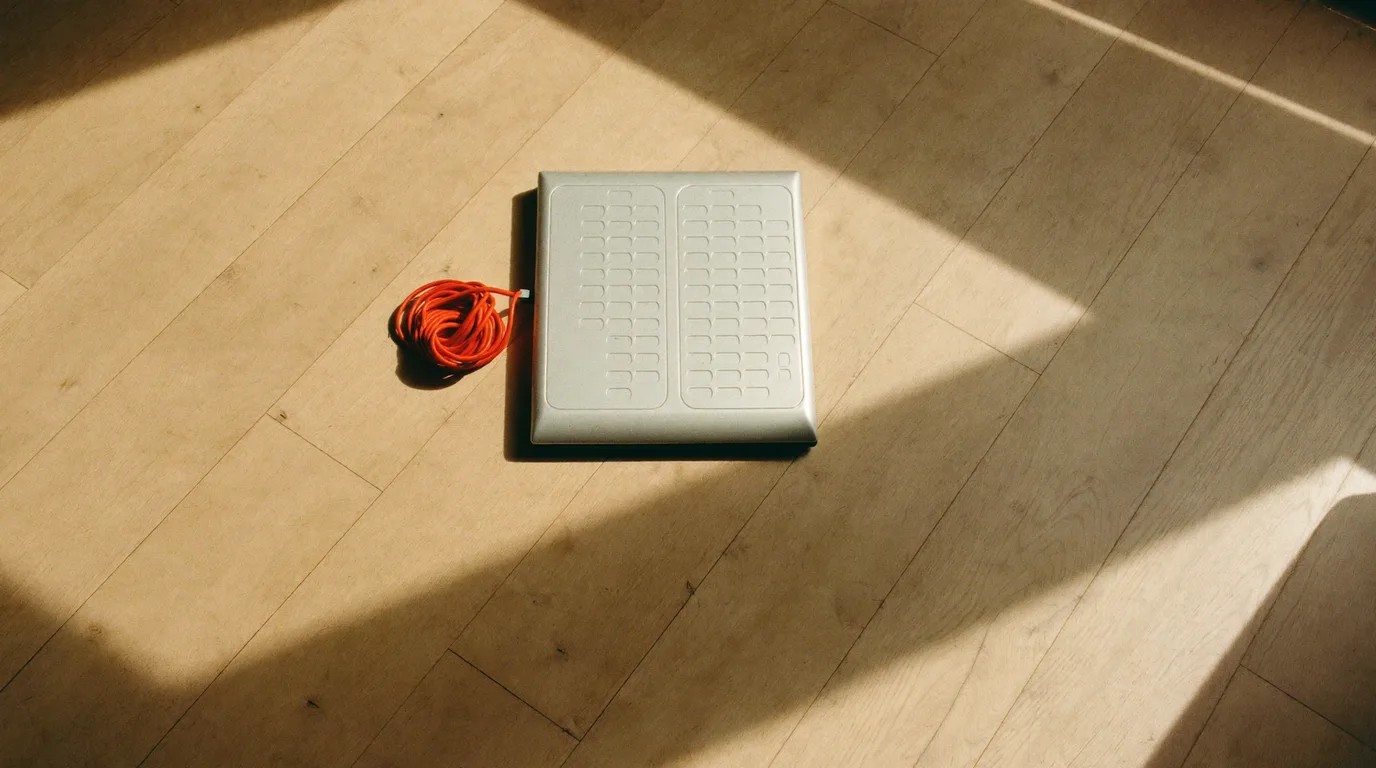
The best vibration plate in Australia for most homes is the Everfit 99 speed vibration plate, a model its maker lists at 220 to 240V with an SAA approved plug, with 99 speed levels, 10 automatic programmes and a 180kg user rating. Before you compare a single spec, though, it helps to be honest about what these machines, sometimes sold as vibration machines, are for. A vibration plate sends rapid vibrations up through your body while you stand, hold a position or do light exercises on it, which makes your muscles contract more often than they would standing still. That can add gentle, low-impact movement, support circulation and help with recovery and balance, genuinely useful as a complement to regular exercise. What it is not is a machine that loses weight for you while you stand on it; the marketing leans hard on fat-burning, but the real value is easy, joint-friendly movement you will actually keep up. If recovery rather than movement is the main thing you are shopping for, our portable ice bath guide covers the insulated cold plunge tubs sold in Australia. For indoor walking, our walking pad guide compares the TOPUTURE TP7 and YPOO M5038.
The picks below separate on a few axes: the controls and programmes, the extras like resistance bands, a remote or Bluetooth music, and, just as important, whether the listing shows the machine is built for Australian mains power. If the goal is simply more movement rather than vibration, a walking pad does more for the same money, and an exercise mat under the plate cuts the noise through the floor, which matters in an apartment.
| Pick | Best for | Key spec | Price band | Rating |
|---|
| Everfit 99 Speed Vibration Machine Plate | Most homes | 99 speed levels, 10 automatic programmes, 180kg capacity, 220 to 240V with an SAA approved plug per Everfit | Check listing | 4.5 stars |
| MERACH V33 Pro Vibration Plate with LED Touch Screen | A touchscreen and music on the plate | 99 speed levels, 5 automatic programs, LED touchscreen, Bluetooth music, 100 to 240V, 50/60Hz per Merach's manual; confirm an Australian plug with the seller before ordering | Check listing | 4.5 stars |
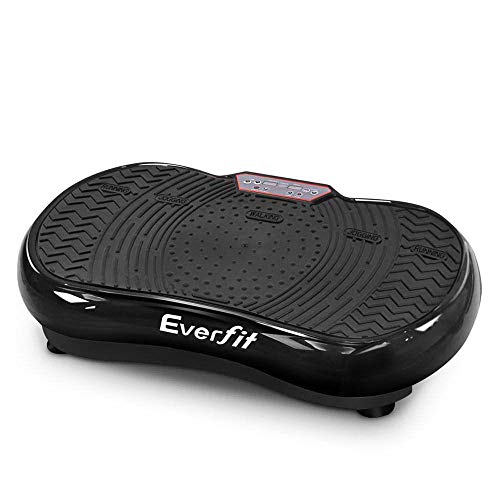
Best overall: Everfit 99 Speed Vibration Machine Plate
This is the plate we would buy first. Everfit's own page for this exact model (SKU FIT-H-VP-ROUND-BK) lists 220 to 240V and an SAA approved plug, and the Amazon AU offer is sold by Artiss Furnishings and ships from Amazon AU. It uses an up and down vibration from 7 to 15Hz, with 99 speed levels and 10 automatic programmes, so you can start gently and build up.
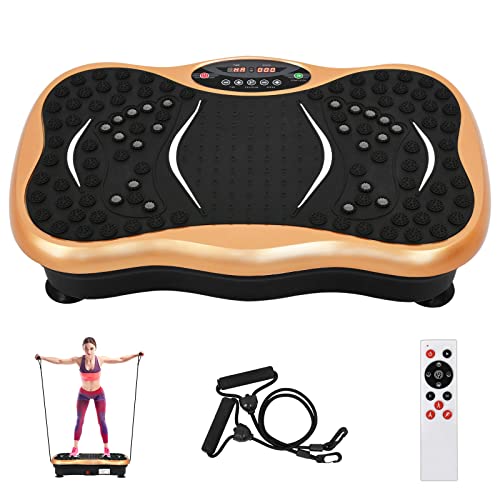
The machine measures 70 by 39 by 13cm, weighs about 14kg, and it is rated for users up to 180kg. Resistance bands and a remote come in the box, so you can work your arms as well and change speed without bending down, and our best resistance bands in Australia guide covers sets built for more arm work. The honest notes: Everfit's own page gives a 1 year warranty, and there is no Bluetooth music listed. Treat it as a low impact movement aid alongside your regular exercise, not a machine that does the work for you.
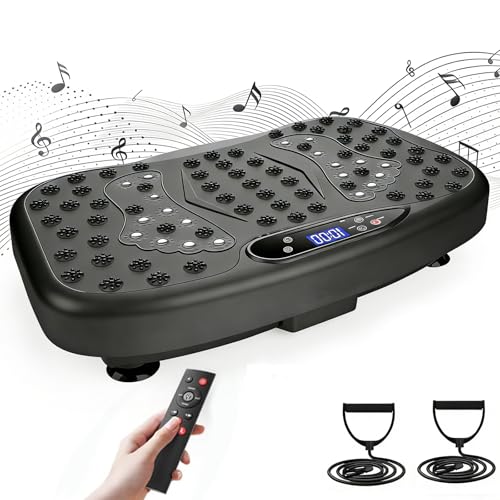
MERACH V33 Pro Vibration Plate with LED Touch Screen
The Merach is the second option, for people who want a touchscreen and music on the plate. It has an LED touch control panel, and you get 99 speed levels, 5 automatic programs and a manual mode, plus a pull cord and Bluetooth music. Merach's manual gives its size as 56 by 34.1cm, and it is sold by Merach Fitness and ships from Amazon AU.
The honest note on power: Merach's UK/EU manual for this model (MR-2533) lists a 100 to 240V, 50/60Hz supply. This listing does not state the plug type, so confirm an Australian plug with the seller before ordering. Like every plate here, it is a low impact movement aid that complements exercise rather than replacing it.
Why four plates were removed from this guide
We removed four plates this guide used to list, because their Amazon AU offers did not show that they are built for Australian mains power. These are the facts from each listing on 23 September 2026:
- AXV Vibration Plate Fitness Platform: ships from and sold by Amazon US, and the listing gives the power source as 110V. Amazon's notice on the listing says you may need an adapter and the manufacturer warranty may not apply.
- TISSCARE Vibration Plate: sold by Amazon UK, with the same Amazon notice about adapters and the manufacturer warranty.
- GLYLF 130 level Vibration Plate: ships from and sold by Amazon US, and the listing does not state a voltage.
- LifePro Waver: sold by a third party seller with a dispatch time of several days, and the listing does not state a voltage.
None of this means those machines are faulty. It means we could not confirm they suit Australian power, so we are not recommending them.
How we picked these vibration plates
We did not test these plates by hand. We compared the makers' own documents with the Amazon AU listings, and each pick names the source of its power claims.
- Maker pages and manuals. Everfit's own page for this exact model (SKU FIT-H-VP-ROUND-BK) for its 220 to 240V rating, SAA approved plug and 1 year warranty, and Merach's UK/EU manual for the V33 Pro (MR-2533) for its 100 to 240V, 50/60Hz supply and platform size.
- Amazon AU listings. The seller, who ships the order, speed levels, programmes, user weight rating, what comes in the box, star ratings and review counts.
- Australian mains power. We kept plates whose maker documents give a voltage that suits Australian mains, and removed four whose Amazon AU offers did not show they are built for it. Where a plug type is not stated, the pick tells you to confirm it with the seller.
- Fit for your home. Maximum user weight, platform size, controls and the extras that change how you use a plate, such as resistance bands, a remote or a pull cord.
Last checked: 9 October 2026, for the stock of the Amazon AU cards on this page.
How to choose a vibration plate
The biggest mistake is buying for the marketing rather than how you will actually use the plate. Start with power: a plate for an Australian home should be rated for 230 to 240V mains and come with an Australian plug, and the maker or seller should be able to confirm both. Then check the platform size against your space, the maximum user weight against your own with a margin to spare, and how many speed levels and programmes you get, so you can start gently and build up.
After that it comes down to extras. Resistance bands or pull ropes let you involve your arms and upper body instead of just standing, a remote saves bending over during a session, and Bluetooth music makes the time pass more easily. None of those change whether the plate works, so match the plate to your space, body and routine and you will not overspend.
What the key specs mean
A few details do most of the work when you compare these machines. Voltage tells you whether the plate is built for Australian mains: look for 220 to 240V or 230V at 50Hz on the listing or the maker's page. Speed levels and programmes describe how many settings you can choose from, which helps you start low and build up. Weight capacity is the maximum user weight the base and motor are rated for, and it is the first number to check if you are at the upper end.
Platform size and the included accessories matter just as much in practice. A larger platform gives you more room for your stance, while resistance bands and pull ropes turn standing into a more complete movement session. A remote and a clear display make it easy to manage time and speed without crouching down. None of these specs change the basic truth that a plate is a low impact aid, but together they decide how comfortable and easy to live with each machine really is.
Frequently Asked Questions
Do vibration plates actually work, and will one help me lose weight?
Vibration plates do something real, but not the dramatic thing the marketing implies. The vibrations make your muscles contract more often, which adds gentle low impact movement, can support circulation, balance and recovery, and gets you off the couch, all worthwhile. What the evidence does not support is the idea that standing on a plate melts fat on its own. Any weight change comes from the usual combination of diet and overall activity, with the plate as one low-effort part of that. Think of it as a helpful complement to exercise rather than a replacement for it.
What is the difference between oscillating and lineal vibration plates?
It comes down to the direction of the movement. Oscillating or pivotal plates tilt like a see-saw around a central axis, so one foot rises as the other drops, which feels gentler and is often used for balance and low-impact movement. Lineal plates move straight up and down, delivering a more uniform vibration through both feet at once. Many compact home plates blend these sensations, and for most people choosing a plate for circulation and recovery the exact mechanism matters less than the speed range, platform size and how comfortable it feels to stand on.
How long should I use a vibration plate each day?
Short sessions are the norm: many manufacturers suggest around 10 to 20 minutes a day, and starting at the lower end is sensible. Because it is low-impact you can use one most days, but there is no need to overdo it, and longer is not automatically better. The smarter approach is to begin with a few minutes at a gentle speed, see how your body responds, and build up gradually using the lower speed levels. As with any new exercise, ease in rather than jumping straight to long sessions at high intensity.
What weight capacity do I need?
Check the maximum user weight on the listing and choose a plate with capacity to spare. Our Everfit pick is rated for users up to 180kg. Staying well within the rated limit is safer for you and keeps the motor and base stable through a session. If you are towards the upper end, confirm the rating with the seller before you buy.
Are vibration plates safe for older adults or people with health conditions?
They can be a gentle, low-impact option, but this is exactly where caution matters most. Several manufacturers specifically suggest a gentle mode for older users and note that anyone with a medical condition should speak to their doctor first. Conditions such as pregnancy, cardiovascular disease, heart problems or osteoporosis are all reasons to seek medical advice before starting. This guide cannot give medical advice, so the honest recommendation is simple: if you have any health concern, check with a qualified professional before using a vibration plate, and start gently.
Do I need the resistance bands, remote and Bluetooth speaker?
They are nice to have rather than essential, but they do change how you use the plate. Resistance bands and pull ropes let you involve your arms and upper body instead of only standing, which makes a session feel more complete. A remote saves you bending down to change speed mid-workout, and a Bluetooth speaker simply makes the time pass more pleasantly. None of these affect whether the plate works, so if you are on a tight budget the core machine is what matters. The picks here all include resistance bands or a pull cord, so it is worth checking what is in the box when comparing value.
Can I use a US vibration plate in Australia?
Australian mains power is 230V. A plate built for 110V would need a step down transformer rated for its load, because a plug adapter does not change the voltage. Amazon's own notice on imported listings says you may need an adapter and the manufacturer warranty may not apply. Our Everfit pick is rated by its maker for 220 to 240V with an SAA approved plug.
What is 10 minutes on a vibration plate equal to?
Not an hour in the gym, whatever the marketing says. There is no accepted conversion between time on a plate and time doing conventional exercise, and any page that gives you one is guessing. Treat 10 minutes as a short bout of light, low-impact activity that adds movement to a day rather than replacing a walk or a session of resistance work. That is still worth having, especially if joints make other exercise hard, but it is not a substitute.
Do vibration plates help with lymphatic drainage?
This is the claim you will see most often and the evidence behind it is thin. Whole-body vibration does make muscles contract, and muscle movement is one of the things that moves lymph around the body, so the mechanism is not invented. What has not been shown is that a home plate produces a clinically meaningful effect. Several listings put lymphatic drainage in the product title. Read that as a manufacturer claim, not a proven outcome.
Can you use a vibration plate while pregnant?
Ask your GP or midwife before you use one. Manufacturers of these machines generally list pregnancy in their own contraindications, alongside recent surgery, a pacemaker, deep vein thrombosis, acute joint injury and severe osteoporosis. This guide is general information about buying a machine, not medical advice, and the honest answer to a health question about your own body is that your doctor gets to make the call, not a product page.
How do you use a vibration plate?
Start with bare feet or thin soles, stand with knees slightly bent rather than locked, and run the machine at a low speed for 5 to 10 minutes. Locked knees send the vibration straight up through the spine and jaw, which is what makes people say a plate gave them a headache. Once standing is comfortable, add squats, calf raises or the supplied resistance bands. Put it on a mat if you live above someone, and build up gradually.
Is there a remote control app for the MERACH vibration plate?
This guide's sources for the MERACH V33 Pro list no remote control or control app. It runs from an LED touch control panel with 99 speed levels, 5 automatic programs and a manual mode, and its Bluetooth is listed for music. If a remote matters to you, the Everfit 99 speed plate comes with one in the box.
Is the Everfit vibration machine any good?
The Everfit 99 speed plate is our pick for most homes. Everfit lists this model at 220 to 240V with an SAA approved plug, and it has 99 speed levels, 10 automatic programmes, a 180kg user rating, resistance bands and a remote. It is rated 4.5 stars across 359 Amazon AU reviews. The limits are a 1 year warranty and no Bluetooth music.
Which vibration plate is best for weight loss?
No plate in this guide is a weight loss machine. The evidence does not support the idea that standing on a plate melts fat on its own, and any weight change comes from diet and overall activity. For gentle, low impact movement alongside exercise, our pick is the Everfit 99 speed plate, and the product cards show the live price of each plate.
What is the best vibration plate for lymphatic drainage in Australia?
The Everfit 99 Speed Vibration Machine Plate is our best overall plate, with 99 speed levels, 10 automatic programmes and 4.5 stars from 359 Amazon AU reviews, but no plate is proven for lymphatic drainage. Vibration makes muscles contract, which helps move lymph, yet a home plate has not been shown to produce a clinically meaningful effect. Treat lymphatic drainage in a listing title, such as the MERACH V33 Pro's, as a manufacturer claim.