There's a moment every new homeowner experiences: you look at your driveway six months after moving in and realise it's covered in tyre marks, oil stains, dirt, and green algae. The fence has gone grey. The deck is slippery with grime. The car hasn't been properly washed in weeks because the nearest car wash charges $25 a pop.
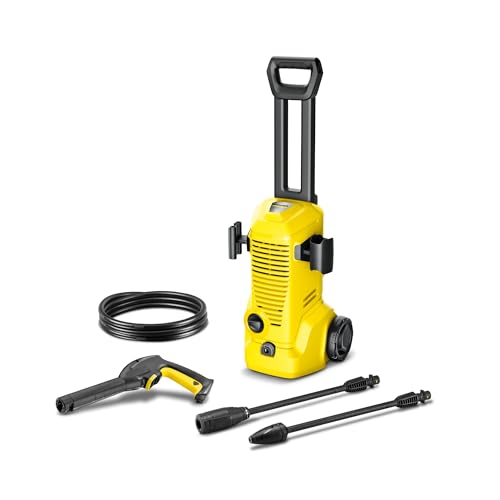
A pressure washer fixes all of this in an afternoon. The best pressure washer for most Australian homes is the Kärcher K4 Power Control at about $349, rated 1,900 PSI with a 7.5 L/min flow, and the cheapest unit worth buying is the Kärcher K2 Universal at about $149. It's one of the most satisfying purchases you'll make as a homeowner, watching years of grime blast away to reveal clean concrete underneath is genuinely therapeutic. More practically, a $200 pressure washer replaces $500+ per year in professional driveway cleaning, deck washing, and car washing. For the gutter side of exterior maintenance, compare gutter guard options too.
We've researched the best pressure washers available in Australia for 2026, from entry-level units for occasional car washing to serious machines that strip paint and clean commercial-grade concrete. If your list is really just watering the garden and rinsing the car down, a good hose nozzle does that for about thirty dollars and you can skip this category entirely. A wall-mounted hose reel keeps that hose off the ground and out of the sun between jobs. Here's our honest guide. If the hose itself is the weak link, our garden hose guide compares standard, 30m and retractable options.
Best pressure cleaners in Australia 2026: the short list
Pressure cleaner is the Australian retail word for the same machine, so if you have been searching for the best pressure cleaners in Australia you are in the right place. Flow rate matters as much as PSI: pressure lifts the dirt, litres per minute carries it away, which is why a 1,900 PSI machine with 7.5 L/min cleans a driveway faster than a 2,200 PSI machine with 5 L/min.
| Pick | Best for | Key spec | Price band | Rating |
|---|
| Kärcher K2 Universal | Best budget, cars and light decking | 1,600 PSI, 5.5 L/min flow | From $149 | 4.3 |
| Kärcher K4 Power Control | Best for most homes, driveways and fences | 1,900 PSI, 7.5 L/min flow | From $349 | 4.6 |
| Kärcher K5 Premium | Premium, large areas and heavy grime | 2,000 PSI, 8.3 L/min flow | From $599 | 4.7 |
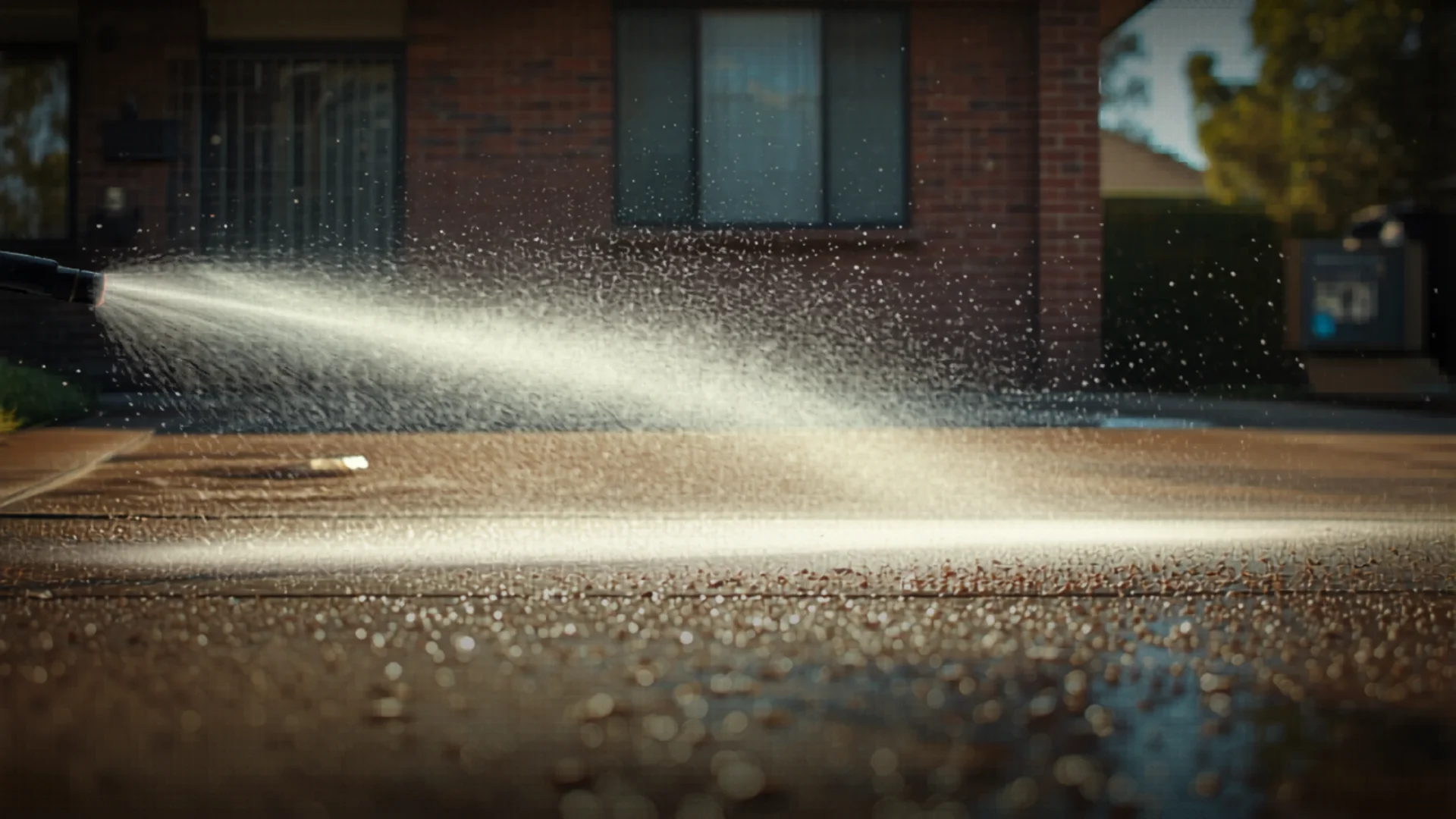
Why Every Homeowner Needs a Pressure Washer
A pressure washer isn't a luxury item. It's a maintenance tool that protects your home's value and appearance. Here's what it handles:
- Driveways and paths: Concrete and pavers accumulate dirt, oil, tyre marks, and algae. A pressure washer with a surface cleaner attachment can clean a double driveway in 30 to 45 minutes. Professional driveway cleaning costs $200 to $400 per visit. Clear the leaves and loose grit off first with a leaf blower, because wet leaves under a surface cleaner just smear.
- Decks and patios: Timber decks need annual cleaning to prevent mould, algae, and premature weathering. A pressure washer at the right PSI (not too high: you can damage softwood) is faster and more effective than scrubbing by hand. Composite decking also benefits from annual pressure washing.
- Fences: Timber and Colorbond fences collect dirt, mould, and cobwebs. A quick blast once or twice a year keeps them looking new. For a dry clean on a driveway covered in leaves rather than grime, a leaf blower is the faster tool.
- Cars: Home car washing with a pressure washer and foam cannon takes 15 minutes and costs virtually nothing. A car wash costs $15 to $25 per visit. Washing your car fortnightly at home saves $400 to $600 per year. Finish the job with a coat of car wax or sealant and the paint holds its gloss between washes.
- House exterior: Render, brick, and cladding all attract dust, cobwebs, and green mould, especially on the south-facing side. An annual wash with an extension wand keeps your home looking sharp.
- Outdoor furniture: Plastic, timber, and metal outdoor furniture gets grimy fast. A quick pressure wash at low PSI restores it in minutes.
- Bins and wheelie bins: Nobody likes cleaning bins, but a pressure washer makes it a 30-second job instead of a gagging ordeal with a scrub brush.
PSI Guide: How Much Pressure Do You Need?
PSI (pounds per square inch) measures the water pressure your machine delivers. More PSI means more cleaning power, but also more potential to damage surfaces. Matching PSI to the task is crucial:
- 1,000 to 1,500 PSI (light duty): Cars, outdoor furniture, bicycles, windows, and light cleaning. Safe for painted surfaces and softwood. Most budget electric pressure washers sit in this range. Enough for 80% of regular homeowner tasks.
- 1,500 to 2,000 PSI (medium duty): Decks, fences, pavers, patios, and moderate staining on concrete. This is the sweet spot for most homeowners. Handles everything around the house without being so powerful that you risk damage.
- 2,000 to 3,000 PSI (heavy duty): Concrete driveways with heavy staining, paint stripping, brick cleaning, and removing oil stains. You need to be careful at this pressure. It can gouge softwood, strip paint you didn't intend to remove, and damage mortar between bricks.
- 3,000+ PSI (commercial/industrial): Overkill for residential use. These are for commercial cleaning, industrial equipment, and stripping heavy coatings. Unless you have a massive property or a specific need, you don't need this much power.
Our recommendation for most homeowners: 1,500 to 2,000 PSI. This range handles driveways, decks, fences, cars, and house exteriors without being dangerously overpowered. The Kärcher K4 at 1,900 PSI is the quintessential homeowner pressure washer.
Electric vs Petrol Pressure Washers
This is the biggest decision, and for 90% of homeowners, the answer is straightforward:
Electric pressure washers
- PSI range: 1,000 to 2,200 PSI (consumer models)
- Pros: Lighter (5 to 15kg vs 25 to 35kg for petrol), significantly quieter, no fuel to store or mix, zero exhaust emissions, lower maintenance (no oil changes, spark plugs, or fuel filters), cheaper to buy ($100 to $600)
- Cons: Need a power outlet nearby (extension cords reduce performance), lower maximum PSI than petrol, not as durable for heavy daily use
- Best for: Standard residential homes with a power outlet accessible from outside
Petrol pressure washers
- PSI range: 2,500 to 4,000 PSI (consumer models)
- Pros: More powerful, fully portable (no power cord), better for large properties and heavy-duty cleaning
- Cons: Heavier, louder (annoying for neighbours), require fuel and engine maintenance, more expensive ($400 to $1,500), exhaust emissions
- Best for: Large properties, rural homes without convenient outdoor power, commercial-level cleaning needs
Bottom line: Unless you have a large rural property or need 2,500+ PSI regularly, get an electric pressure washer. They're lighter, quieter, cheaper, and perfectly powerful enough for every standard homeowner task. The Kärcher K2 through K5 range covers virtually everything a residential property needs.
Best Budget Pressure Washers Under $200
Budget pressure washers handle car washing, outdoor furniture, light deck cleaning, and general maintenance. They're not powerful enough for heavy driveway stains, but they'll cover 70% of what most homeowners need.
Kärcher K2 Universal: about $149
Kärcher is the world's leading pressure washer brand, and the K2 is their entry-level model for homeowners. At 1,400 PSI, it handles car washing beautifully, cleans outdoor furniture and light deck grime, and blasts cobwebs off fences and house walls. It comes with two nozzles: a vario nozzle for adjustable pressure and a dirt blaster (turbo) nozzle for stubborn spots.
- Pros: Kärcher reliability, compact and lightweight (4kg), includes vario + dirt blaster nozzles, onboard storage for accessories, adequate for car washing and light cleaning
- Cons: 1,400 PSI isn't enough for heavy driveway stains or thick algae, short 6m hose (buy an extension), plastic fittings (not as durable as metal), no detergent tank
- Best for: Apartment dwellers with a small courtyard, or homeowners who mainly want to wash cars and outdoor furniture
Check price on Amazon AU →
Ryobi 1800W Pressure Washer: about $179
Ryobi is a trusted Australian hardware brand, and their 1800W pressure washer offers 1,800 PSI, more power than the Kärcher K2 at a similar price. It includes a turbo nozzle, adjustable spray nozzle, and a foam cannon for car washing. The 8m hose gives you better reach than the Kärcher K2's 6m hose.
- Pros: 1,800 PSI (more powerful than K2), includes foam cannon, 8m hose, Ryobi brand with good Australian warranty and parts availability at Bunnings
- Cons: Heavier than the K2, louder, no onboard accessory storage, build quality doesn't match Kärcher
- Best for: Bunnings shoppers who want more PSI on a budget and value easy local warranty
Check price on Amazon AU →
Best Mid-Range Pressure Washers ($200 to $400)
This is the sweet spot for homeowners. Mid-range pressure washers deliver enough PSI for driveways, decks, and fences while remaining light enough to carry and quiet enough to use on weekends without annoying the neighbours.
Kärcher K4 Power Control: about $349
The Kärcher K4 is the quintessential homeowner pressure washer. At 1,900 PSI with a water-cooled motor, it handles everything a standard Australian home needs: driveways, decks, fences, cars, and house exteriors. The Power Control gun lets you adjust pressure directly on the trigger, no need to change nozzles for different surfaces. The water-cooled motor runs cooler and lasts significantly longer than air-cooled motors in cheaper models.
- Pros: 1,900 PSI covers all residential tasks, Power Control adjustable pressure, water-cooled motor (longer lifespan), 8m hose, onboard hose reel, detergent application system
- Cons: More expensive than budget options, heavier at 12kg, Kärcher-specific quick-connect fittings (not compatible with generic accessories), hose reel can jam
- Best for: Most homeowners. This is our top recommendation. Powerful enough for driveways, gentle enough for cars, durable enough to last 5 to 10 years.
Check price on Amazon AU →
Gerni 145: about $329
Gerni (known as Nilfisk internationally) is a Danish brand with a strong presence in Australia, particularly in commercial cleaning. The Gerni 145 delivers 2,100 PSI, the highest in this price range, with an aluminium pump head that's more durable than the plastic pump heads in most consumer machines.
- Pros: 2,100 PSI (strongest in this price range), aluminium pump (commercial-grade durability), excellent build quality, includes click-and-clean nozzle system
- Cons: Heavier than the Kärcher K4, less intuitive accessory system, not as widely available in Australia, louder than Kärcher
- Best for: Homeowners who want maximum cleaning power in the mid-range and value commercial-grade durability
Check price on Amazon AU →
Best Premium Pressure Washers ($400 to $800)
Premium pressure washers are for homeowners with large properties, serious cleaning needs, or those who want a machine that will last 10+ years with heavy use. These units have induction motors, longer hoses, and deliver enough PSI for even the toughest residential jobs.
Kärcher K5 Premium: about $599
The K5 Premium is Kärcher's top residential model. At 2,100 PSI with a water-cooled induction motor, it's built for heavy use and long sessions. The 10m high-pressure hose reaches around an entire house without moving the machine. It comes with the Home Kit, a surface cleaner attachment for driveways (worth $100+ separately) and a bottle of detergent.
- Pros: 2,100 PSI with induction motor (built for years of heavy use), 10m hose, Home Kit included, Power Control gun, water-cooled motor, full metal pump internals
- Cons: Expensive, heavy at 13kg, overkill if you're mainly washing cars, the Home Kit surface cleaner is good but not great (consider upgrading to the T5 surface cleaner separately)
- Best for: Large properties with long driveways, serious deck and fence cleaning, homeowners who plan to use their pressure washer frequently for years
Check price on Amazon AU →
Kärcher K7 Smart Control: about $799
The K7 is Kärcher's flagship consumer model and it's essentially a commercial machine in a residential body. At 2,600 PSI with a water-cooled induction motor, it handles everything from delicate car washing to stripping heavy stains from concrete. The Smart Control system connects to the Kärcher app via Bluetooth, which recommends the correct pressure setting for each surface type.
- Pros: 2,600 PSI (most powerful consumer electric), Bluetooth Smart Control with app guidance, 10m hose, built to last a decade, handles any residential cleaning task
- Cons: Very expensive, heavy, the Bluetooth app is a gimmick (you'll use it once then just adjust by feel), overkill for most standard homes
- Best for: Rural properties with large areas to clean, or homeowners who want the absolute best and plan to keep it for 10+ years
Check price on Amazon AU →
Nozzle Tips and Accessories You Actually Need
The right accessories can double the effectiveness of your pressure washer. Here are the ones worth buying:
- Turbo nozzle (rotary nozzle): Spins the water jet in a cone pattern, combining the cleaning power of a zero-degree nozzle with a wider coverage area. Essential for tough stains on concrete. Most pressure washers include one, but aftermarket turbo nozzles are often better quality. About $30 to $50.
- Surface cleaner attachment: A circular attachment with spinning nozzles underneath that cleans flat surfaces (driveways, patios, garage floors) 10x faster than a standard nozzle. No streaks, no missed spots. This is the single best accessory you can buy. The Kärcher T5 (about $100) is excellent. About $60 to $120.
- Foam cannon: Attaches to the machine and sprays thick cleaning foam over your car before you start washing. The foam lifts dirt and loosens contaminants so they wash away without scratching the paint. A car vacuum handles the inside half of the same job. Essential for car enthusiasts, useful for everyone. About $30 to $60.
- Extension wand: A telescoping lance that lets you reach gutters, second-storey walls, and high windows from the ground. Safer than climbing a ladder with a pressure washer. For the glass itself rather than the frames, a window cleaning robot sticks to the pane and does it without the ladder. About $50 to $100.
- Extension hose: This is also where most people get the feed side wrong: the machine draws from a garden tap, so a kinked or undersized hose starves the pump, and a hose reel keeps it straight. The standard hose length, 6 to 10m, isn't always enough for large properties. A 10m extension hose gives you the reach to clean an entire house perimeter without moving the machine. About $40 to $70.
For more home maintenance advice, check our new home checklist covering everything from tools to maintenance schedules.
Frequently Asked Questions
Can a pressure washer damage my driveway?
At normal residential pressures (1,500 to 2,100 PSI), a pressure washer won't damage a sealed concrete driveway. However, unsealed or old concrete with cracks can be damaged if you hold the nozzle too close or use a zero-degree (pencil jet) nozzle at close range, the water can gouge the surface and blast out loose aggregate. Use a surface cleaner attachment for driveways instead of a handheld nozzle, it distributes pressure evenly. For pavers, keep PSI below 2,000 and maintain 30cm distance to avoid blasting out the sand between joints.
Can I use a pressure washer on a timber deck?
Yes, but carefully. Timber decks (merbau, treated pine, spotted gum) should be cleaned at 1,200 to 1,600 PSI maximum with a fan nozzle (25 to 40 degree spray) held 30 to 40cm from the surface. Higher pressure will fur the timber grain, leaving it rough and splintery. Always spray with the grain, never across it. After pressure washing a timber deck, let it dry for 48 hours then apply decking oil for protection. Composite decking (like Trex or Modwood) can handle slightly higher pressure but check the manufacturer's guidelines first.
How much water does a pressure washer use?
Less than a garden hose, which surprises most people. A typical electric pressure washer uses 6 to 8 litres per minute. A standard garden hose with a nozzle uses 15 to 20 litres per minute. So a pressure washer uses roughly half the water while delivering dramatically more cleaning power. A 30-minute driveway clean uses about 200 litres of water (compared to 500+ litres with a hose). If you're in a water-restricted area, check your local council's rules, most Australian water restrictions allow pressure washers with a trigger nozzle (which stops flow when released).
Which pressure washer is better, Karcher or Gerni?
They win at different price points. Karcher has the wider range in Australia, the biggest accessory catalogue and the easiest parts supply, which is why every pick on this page is one. Gerni sits above it on build, with metal pump components where Karcher uses plastic at the same price, and an Australian service network behind it. The Gerni 145 at about $329 is the sensible cross-shop against the Karcher K4 at about $349. Buy Karcher for accessories and resale, Gerni to keep it a decade.
What is the most reliable pressure washer brand in Australia?
Judge it on whether the brand has an Australian service network and spare pumps, not on the badge. Karcher, Gerni, Bosch and Stihl all support their machines here through dealers, which matters because the pump is the part that fails and it is the part nobody stocks for a no-name unit. Ryobi sits behind that through Bunnings. The cheapest imports on Amazon AU are usually fine for two or three seasons and unserviceable after that.
Can you use a pressure washer on a car?
Yes, at low pressure and from a distance. Keep it to about 1,900 PSI or less, use the widest fan nozzle rather than a turbo or zero-degree tip, and stay about 30 cm from the panel. Never point it at badges, trim, window seals or a chipped edge, because water forced under paint lifts it. A foam cannon first, then a low-pressure rinse, does most of the work without touching the paint. The Karcher K2 at about $149 is more than enough machine for this.
How do you use a pressure washer?
Connect the garden hose and turn the tap on before you touch the trigger. Squeeze the trigger with the machine off to purge the air, then start it. Fit the widest nozzle first and only step down if it is not shifting the dirt. Work top down so the runoff never crosses clean surface, keep the lance moving to avoid striping the concrete, and hold about 30 cm off any timber or painted surface. Turn the tap off last and release the trigger to bleed the pressure.
How does a pressure washer work?
An electric motor drives a pump that takes ordinary mains water at about 60 PSI and pushes it through a narrow nozzle orifice at 20 to 30 times that pressure. An unloader valve recirculates the water whenever you release the trigger, which is why the motor cuts in and out. The nozzle size sets both the pressure and the spray angle, which is why PSI on its own tells you very little: a machine with high PSI and low flow in litres per minute will clean slowly.
What is the best petrol pressure washer in Australia?
Only buy petrol if you have no outdoor power point or a genuinely large property. Consumer petrol machines run 2,500 to 4,000 PSI and cost $400 to $1,500, against $100 to $600 for electric, and they are heavier, louder and need fuel and engine servicing. For a suburban block the Karcher K4 or K5 does everything a petrol unit would, quieter and for less. Rural buyers should shop the trade brands through a dealer rather than online.