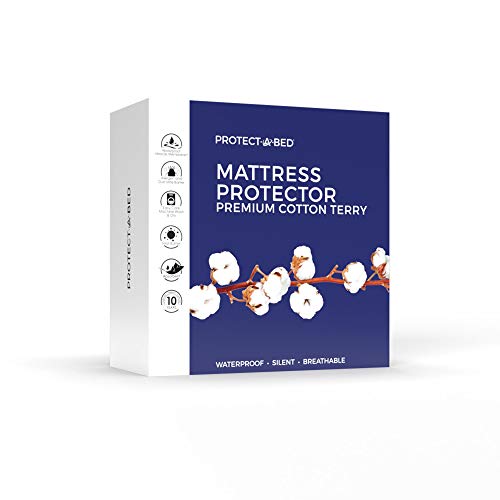
The best mattress protector in Australia for most beds is the Tontine Comfortech Quilted Cotton Top Mattress Protector, a quilted cotton cover over a waterproof backing with a 50cm fitted skirt, with the Protect-A-Bed Premium Cotton Terry the cotton terry alternative, the TEMPUR Fit the premium pick and the Protect-A-Bed AllerZip the zippered encasement for bed bugs. Here is something worth checking before you need it: many mattress warranties exclude a stained or soiled mattress, so read the exclusions in yours before the first spill. The protection you paid for evaporates the first time the cat is sick, the kids spill juice, or you sweat through a 35°C summer night. The thing that prevents that is a fitted layer of cotton or bamboo with a thin waterproof backing underneath, a small cost next to the mattress it protects.
TL;DR: what to buy
Eight mattress protectors are listed, seven in stock on Amazon Australia. Best overall: Tontine Comfortech, a quilted cotton cover over a waterproof backing with a 50cm fitted skirt from a long running Australian bedding brand, sold by Amazon AU. Also great: Protect-A-Bed Premium Cotton Terry, a cotton terry surface over a waterproof Miracle Membrane backing that fits mattresses up to 22 inches (about 56cm) deep. Best premium: TEMPUR Fit, which TEMPUR describes as thermoregulating and breathable. Plus four use-case picks: DreamZ Bamboo for hot sleepers (not on sale at the 7 October 2026 check; its section names an in-stock bamboo alternative), Tontine Allergy & Asthma for allergy sufferers, Protect-A-Bed AllerZip for bed bugs, and Bubba Blue Breathe Easy for cots.
The three headline protectors side by side. The cooling, allergy, encasement and cot picks follow in their own sections.
| Pick | Best for | Key spec | Price tier | Amazon AU rating |
|---|
| Protect-A-Bed Premium Cotton Terry | Also great, absorbent waterproof cover | Cotton terry surface, Miracle Membrane backing, fits up to 22 inch (about 56cm) mattresses | Mid-range | 4.6 (1,872 ratings) |
| Tontine Comfortech Quilted Cotton Top | Best overall, Australian bedding brand | Quilted cotton top, 50cm fitted skirt | Budget | 4.6 (736 ratings) |
| TEMPUR Fit Mattress Protector, Queen | Best premium, thermoregulating | Tencel fabric, water-repellent moisture barrier | Premium | 4.8 (12 ratings) |
How we evaluated mattress protectors
Last checked: 7 October 2026. We also checked Tontine's own product page for the Comfortech Quilted Waterproof Mattress Protector against its Amazon Australia listing.
NestPath doesn't physically test every product. Here's what we actually do:
- Compared mattress protectors listed on Amazon Australia, recording each listing's seller, stock, fabric, fitted skirt depth and rating, across overall, budget, premium and four use case categories (cooling, allergy, encasement, cot).
- Read each listing's specifications, particularly the waterproof layer, fitted-skirt depth and any stated warranty, and used the listing's own wording where it differs from brand marketing.
- Read Amazon AU ratings and reviews: the star rating and rating count each listing showed, plus what reviewers report about noise, fit and waterproofing.
- Filtered for first-home-buyer fit: household-suitable for 1-2 person setups and beginner-friendly fitting (slip-on with elasticated skirt). Where a listing sold through the Amazon Global Store or was not on sale, its card says so with the date.
- Verified availability daily via the Amazon Creators API. The "verified in stock" badge on each product card shows when we last confirmed buy-box availability.
- Editorial selection by Anish Puri, NestPath founder.
We earn affiliate commission when you buy through our links. That doesn't change which products we recommend. Products are selected before we look at commission rates. Our methodology page explains scoring and how to flag inaccuracies.
Also great: Protect-A-Bed Premium Cotton Terry
The Bubba Blue Breathe Easy Waterproof Quilted Standard Cot Mattress Protector is the cot specific pick for Australian first home buyers setting up a nursery. Bubba Blue is an Australian baby brand, sold by Amazon AU and in stock, and the protector is made in standard cot size, which avoids the awkward overhang or under-fit you get from generic adult-protector brands trying to size down for cots.
The quilted top has diamond-shaped padding for extra comfort, per the listing, and the waterproof underlay stops leakages, which covers the everyday use case of nappy leaks, milk spills and teething drool. The listing also says it protects from mould, dust mites and bacteria allergens.
Pricing here matches the actual lifespan of a cot protector, which only needs to last as long as your child is in the cot. A low-cost cot protector matches that use case better than an expensive protector designed for years of primary-bed use. Buy two, one on the cot and a spare in the wash, so there is always a dry one ready.
Flaws but not dealbreakers
The "Standard Cot" sizing is for the Australian cot standard; if you have an imported cot from a US or European brand, double-check the mattress dimensions before ordering. The quilting will flatten with repeated washing, which is fine for a cot's working life but means it is not one to keep for a bigger bed later. And check that you are buying this exact Breathe Easy Waterproof Quilted listing, because the waterproof underlay is the main reason to buy.
What to look for in a mattress protector
Waterproof membrane quality (the only thing that actually matters)
The membrane is what makes a protector worth buying. Every other feature is secondary. Three things separate a good membrane from a bad one: it should be quiet under body weight, it must stay waterproof through repeated washing, and it must not trap so much heat that you sleep hotter than you would on the bare mattress. A common cheap-protector failure is a membrane that starts crinkling and then cracks at the corners after months of washing. The fix is a known brand that states its washing durability or warranty on the listing; Protect-A-Bed, for example, says its Premium Cotton Terry can be washed in excess of 200 times.
Skirt depth and fit
Mattress depth varies a lot, and pillow-top hybrids sit at the deep end. A protector whose fitted skirt is shallower than the mattress won't stay on, the corners pop off in the night and the protector becomes a wrinkled flat sheet on top of the mattress. Choose a skirt deeper than your mattress: in this guide the two Tontine protectors stretch to 50cm, the DreamZ to 40cm, the AllerZip encasement fits 11 to 18 inch mattresses and the Protect-A-Bed Premium Cotton Terry fits up to 22 inches. Measure your mattress before ordering, the depth is on the spec sheet that came with the mattress, or marked on the side label.
Top fabric and the Australian temperature problem
As a rough guide, Tencel/lyocell and bamboo viscose tops feel cooler, while cotton terry and quilted cotton are more hardwearing. For Queensland, NT and Northern WA buyers, prioritise breathability, bamboo or Tencel, paired with a thin engineered membrane. For Melbourne, Sydney, Adelaide and southern states, the cotton terry handles year-round better, warm enough in winter, absorbent enough to stop summer sweat from pooling on the membrane. Microfibre tops are the cheap option we'd be wary of, because they can pill and start to feel plasticky.
AU mattress sizing and the sizing-mistake trap
Australian mattress sizes are not the same as US or European. Size labels vary between listings: the TEMPUR Fit queen, an Australian listing, gives 152cm by 203cm, while the Lucid listing gives its queen in inches (60 by 80). Most protectors sold on Amazon AU use AU sizing, but imported listings sometimes use US or European dimensions, and a few centimetres is enough to make the fitted skirt either too tight or too loose. Check the listing's dimensions in centimetres before ordering, not just the size label. Same problem for King Single: the DreamZ listing gives an Australian King Single as 203cm by 107cm, and US listings use different single sizes.
Warranty length and what it actually covers
Warranty length varies widely, so read it on the listing: the Tontine Comfortech states a 12 month warranty and Lucid states 15 years, while the two Protect-A-Bed listings sold through the Amazon US Global Store at our 7 October 2026 check, where Amazon notes that import terms differ. A warranty typically covers manufacturing defects (failed membrane, seam failure, zipper breakage on encasements) but not normal wear like flattened quilting. A longer warranty is partially insurance against early membrane failure, and partially a signal that the manufacturer expects the membrane to last that long.
Care and maintenance
Wash cadence and how often to actually wash it
Mattress protectors collect sweat, skin cells, dust mites, and the occasional spill. Protect-A-Bed's listing says to machine wash it hot. An occasional wash is fine for a guest bed and noticeably under-cleaned for a family bed. The right cadence depends on use: weekly for primary beds in households with kids or pets; fortnightly for adult-only primary beds; monthly for guest beds; and immediately after any spill or accident.
If a regular wash is the plan, a machine with the right drum size makes it easier: our guide to top load and front load washing machines compares capacity and running costs.
How to wash without damaging the membrane
Follow the care label: the Protect-A-Bed Premium Cotton Terry listing says machine wash hot and tumble dry medium, while the Lucid listing says machine wash and tumble dry on low heat. A hot wash suits cotton-terry and quilted-cotton tops better than bamboo viscose or Tencel, where heat can shrink the fabric while leaving the membrane structurally fine, which can cause the protector to bunch and lose its fit. Avoid bleach on any protector with a waterproof membrane (the Protect-A-Bed listing says do not bleach); it degrades the waterproof layer and shortens the protector's life. Skip fabric softener too; it coats the absorbent top fabric and reduces absorbency over time.
Drying: tumble vs line, and the membrane risk
Tumble-drying on the setting the care label allows works for cotton-terry and quilted cotton tops; bamboo and Tencel tops are safest line-dried or on the lowest heat. The risk with tumble-drying is heat: sustained high heat damages polyurethane membranes the same way it damages waterproof jacket linings, the membrane delaminates from the fabric backing and loses waterproofness. Keep the heat as low as the label allows, and remove while still slightly damp to finish on a line or rack. For apartment buyers without outdoor space, a folding indoor drying rack handles a queen protector, though it takes longer than a line outside.
When to replace
Three replacement triggers, in order of urgency. First and obvious, visible damage to the membrane (cracks, holes, leaking under spill testing) means immediate replacement. Second, audible crinkling that wasn't there on day one can be the membrane starting to crack; plan to replace it soon. Third, top fabric pilling or thinning (especially on quilted cotton) can be ridden out for a while, but plan the replacement. How long a protector lasts depends on the brand, the fabric and how often you wash it.
You'll also want
A mattress protector covers the mattress itself, but a complete sleep-system setup needs a few cross-category accessories that work alongside it. Direct links to the Amazon AU listings:
- Pillow protectors: same waterproof-membrane logic as the mattress, applied to pillows. Pillows absorb more saliva and skin oil than people realise; without a protector, the pillow itself takes all of it. Protect-A-Bed AllerZip Pillow Protectors (2-pack) →
- Washable bed pads for kids and elderly: for buyers with potty-training kids or incontinence concerns, a washable bed pad that sits ON TOP of the protector adds a second waterproof layer that's much faster to swap mid-night. WhyWorry Washable Bed Pads (4-pack) →
- Mattress topper: if your mattress is slightly too firm, a topper adds a comfort layer; the protector goes OVER the topper to keep both clean. See our best mattress topper guide for the full breakdown.
- Allergen-blocking pillow covers: for diagnosed dust-mite allergy, pair the AllerZip mattress encasement with matching pillow encasements. Protect-A-Bed AllerZip pillow protectors →
- Mattress vacuum / cleaner: every few months, vacuum the bare mattress with a UV-light handheld vacuum to remove dust mites that have built up despite the protector, especially in households with allergies.
- Quality fitted sheets: the protector goes UNDER the fitted sheet; sheet quality determines how the bed actually feels. Cotton percale or sateen weaves perform better than polyester blends. See our best sheets guide.
The competition: products we considered but didn't pick
- Bambi Protectiva Luxury Tencel Waterproof Mattress Protector: premium Tencel-top option from a credible AU specialist brand; check the Amazon AU listing for dispatch times. If the dispatch time suits you, this is a strong alternative to the TEMPUR Fit; if you need it this week, choose in-stock options.
- ForZzz Bamboo Waterproof Mattress Protector: a bamboo protector with a 3-layer waterproof design, sold by AUForzzz and in stock. For the in-stock bamboo alternative we list the Lucid instead, which was sold by Amazon AU with a much longer review history.
- Linenspa Zippered Mattress Encasement: six-sided zippered coverage like the AllerZip. Skipped because for the bed-bug use case we preferred the AllerZip, whose listing names a patented Bug Lock closure.
- Luxor Australian Made Fully Fitted Cotton Quilted Mattress Protector: Australian-made, per its name. Skipped in favour of the Tontine Comfortech, whose listing states a 50cm fitted skirt and a 12 month warranty and which was sold by Amazon AU.
- Tempur-Pedic TEMPUR-Protect Waterproof Mattress Protector: same brand family as our TEMPUR Fit pick but US-imported sizing. Skipped because US sizing may not match Australian queen and king mattresses exactly.
Frequently Asked Questions
What is the best brand for mattress protectors in Australia?
Tontine is the brand we pick first: its Comfortech is our best overall, from an Australian bedding brand for over 60 years by its own account, with a 12 month warranty stated on the Comfortech listing and sold by Amazon AU. Protect-A-Bed is the specialist brand behind the cotton terry alternative, its Premium Cotton Terry, and our encasement pick, the AllerZip, though both listings sold through the Amazon US Global Store at our 7 October 2026 check. TEMPUR is the premium pick for protecting a premium mattress, where a thermoregulating, breathable surface matters. Bambi is a fourth credible specialist; check dispatch times on its Amazon AU listing.
What type of mattress protector is the best?
For most Australian buyers, a fitted waterproof protector with a cotton terry or bamboo top layer is the right answer. Quilted non-waterproof protectors miss the main reason to buy a protector (liquid resistance), and full encasement protectors are unnecessary unless you have a confirmed bed-bug or severe dust-mite allergy issue. Within the fitted waterproof category: cotton terry for southern states, bamboo or Tencel for Queensland and Northern WA where summer heat is the deciding factor.
What should you avoid in a mattress protector?
Four patterns. Avoid PVC or vinyl waterproof layers, they crinkle audibly, trap heat and can crack. Avoid microfibre top fabrics on cheap protectors, they can pill and start feeling plasticky. Avoid a fitted skirt shallower than your mattress, it won't stay on. And avoid no-name brands without a published warranty: the whole point of a protector is to preserve your mattress warranty, so the protector itself needs to have one.
What is the best 100% waterproof mattress protector?
The Tontine Comfortech Quilted Cotton Top Mattress Protector (carded above) is our best overall pick: a quilted cotton cover over a waterproof backing, a 50cm fitted skirt and a 12 month warranty on the listing, sold by Amazon AU. The Protect-A-Bed Premium Cotton Terry Cloth Waterproof Mattress Protector is the cotton terry alternative if absorbency matters most: the listing describes its Miracle Membrane backing as absorbent and waterproof, the cotton terry surface soaks up moisture so liquids don't sit on the membrane, and the listing says it can be washed in excess of 200 times. If the mattress is premium, the TEMPUR Fit is the right match.
Do mattress protectors stop bed bugs?
Standard fitted-sheet-style waterproof protectors do not stop bed bugs, they only cover the top of the mattress, leaving the sides and underside exposed. For bed-bug protection you need a six-sided zippered encasement like the Protect-A-Bed AllerZip (carded above). The encasement seals the entire mattress so bed bugs can't enter or exit; combined with sealed pillow encasements, this is how professional pest-control treatments contain a bed-bug infestation. A regular protector is for waterproofing; an encasement is for pests.
Is there an Australian-made mattress protector?
Australian owned is easy to find, Australian made is rarer. Tontine is the one most people mean by the question: it says it has supplied Australian families for over 60 years and that over 80% of its products are made in its Melbourne factory, though the Comfortech listing we checked names China in its country field. Bambi, MiniJumbuk and Sheridan are other Australian names in bedding. Many protectors sold in Australia are manufactured offshore, so check the label rather than the brand story if it matters to you.
How do you wash a mattress protector?
Follow the care label: a hot wash if the label allows it (the Protect-A-Bed Premium Cotton Terry listing says machine wash hot), cooler for bamboo, mild detergent, no bleach and no fabric softener. Softener leaves a coating that blocks the waterproof membrane and stops it breathing, and bleach degrades the polyurethane outright. Wash it on its own or with sheets, never with towels, because lint clogs the membrane. Protect-A-Bed says its Premium Cotton Terry can be washed in excess of 200 times, so a quality protector should last many years at the frequency below.
How often should you wash a mattress protector?
Fortnightly for an adult-only primary bed, weekly if kids or pets share it or you have asthma or dust mite allergies, and monthly for a guest bed. The point is not the protector, it is what collects on it: sweat, skin cells and dust mites. Wash it straight away after any spill rather than waiting for the schedule.
Can you put a mattress protector in the dryer?
It depends on the membrane, so follow the care label. A polyurethane backing tolerates a low or no-heat tumble but can delaminate on high heat, so the sheet of plastic separates from the fabric and the protector is finished. Vinyl-backed protectors should never go in a dryer at all. Line drying in the shade is safest for every type and is usually quick because the fabric is thin.
Does an electric blanket go under or over a mattress protector?
The blanket goes on the mattress first, then the protector, then the fitted sheet. That order keeps spills and sweat off the heating elements, which is the actual safety point, and it stops the wires pressing into your back. Putting a waterproof protector underneath the blanket is the mistake to avoid, because the membrane traps the heat against the mattress instead of letting it rise into the bed. Wool underlays are the exception and can sit either way.
What size mattress protector do you need in Australia?
Match the bed size and then check the depth, because depth is where most people get it wrong. Size labels vary: the TEMPUR Fit queen, an Australian listing, is 152cm by 203cm, and Australian sizing does not match United States or United Kingdom labelling, so check the centimetres on the listing. Then measure the mattress depth: the Tontine skirts in this guide, including our overall pick, stretch to 50cm, the Protect-A-Bed Premium Cotton Terry fits up to 22 inches (about 56cm), and a pillow top or a mattress with a topper on it can be deeper than you expect. For a cot, buy a protector labelled for your cot size, like the standard cot Bubba Blue.
Where can I find a waterproof bed sheet?
A fitted waterproof mattress protector does that job and goes under your fitted sheet. The Lucid protector in this guide is made in a fitted sheet style and was sold by Amazon AU. For potty training kids or incontinence, a washable bed pad on top of the protector adds a second waterproof layer that is faster to swap at night.
What is the price of a queen size mattress protector?
Prices change, so check each product card for the current figure. Among the queen protectors in this guide, the Tontine Comfortech sits in the budget tier, the Protect-A-Bed Premium Cotton Terry in the mid range and the TEMPUR Fit in the premium tier, which is only worth it on a premium mattress.
What is the best mattress protector in Australia?
Our best overall pick is the Tontine Comfortech Quilted Cotton Top Mattress Protector, a quilted cotton cover over a waterproof backing with a 50cm fitted skirt, sold by Amazon AU. The Protect-A-Bed Premium Cotton Terry is the cotton terry alternative, though its listing sold through the Amazon US Global Store, so import terms differ. The TEMPUR Fit is the premium pick.
Is there a good cheap mattress protector in Australia?
The Tontine Comfortech, our best overall pick, sits in the budget tier: a quilted cotton cover over a noncrinkle waterproof backing, a 50cm fitted skirt and a 12 month warranty on the listing, sold by Amazon AU. Prices move, so check the card. Avoid no name protectors without a published warranty, because a failed membrane then becomes your problem.
How do you choose a mattress protector?
Start with the waterproof membrane: it should be quiet, stay waterproof through washing and not trap heat. Then choose a fitted skirt deeper than your mattress, a bamboo or Tencel top if you sleep hot or a cotton terry top for southern winters, check the size in centimetres on the listing, and buy one with a stated warranty.
Are waterproof mattress protectors safe?
The safety points are practical ones. Avoid PVC or vinyl waterproof layers, which crinkle, trap heat and can crack. With an electric blanket, the blanket goes on the mattress first, then the protector, so the membrane does not trap heat against the mattress. For a cot, buy a protector labelled for your cot size. We did not test chemical safety.
Setting up your bedroom?
A protector is one piece of a working bedroom, not the whole of it. The biggest single sleep upgrade in a new home is the mattress itself. The protector is the insurance policy on that purchase, but the mattress is what determines whether you actually sleep well. Pair the protector with a quality pillow and a set of breathable sheets in cotton percale or sateen rather than the polyester blends most starter-pack sets ship with. If your mattress is slightly too firm, a mattress topper sits between the mattress and the protector to add a comfort layer. For southern-state winters where the bed gets genuinely cold, an electric blanket rounds out the sleep system. If dark winter mornings make it hard to get up, a sunrise alarm clock brightens the room before your alarm. For the broader bedroom-setup picture, see our bedroom essentials guide and the room-by-room new home checklist.
About the author
Anish Puri founded NestPath in 2026 after going through the Australian first-home-buyer process himself. NestPath focuses on Australian first-home buyers because the existing review sites are American, generic, or both. Anish handles editorial selection across the homeowner hub. Reach out: hello@nestpath.com.au