How to choose a desk organiser in Australia
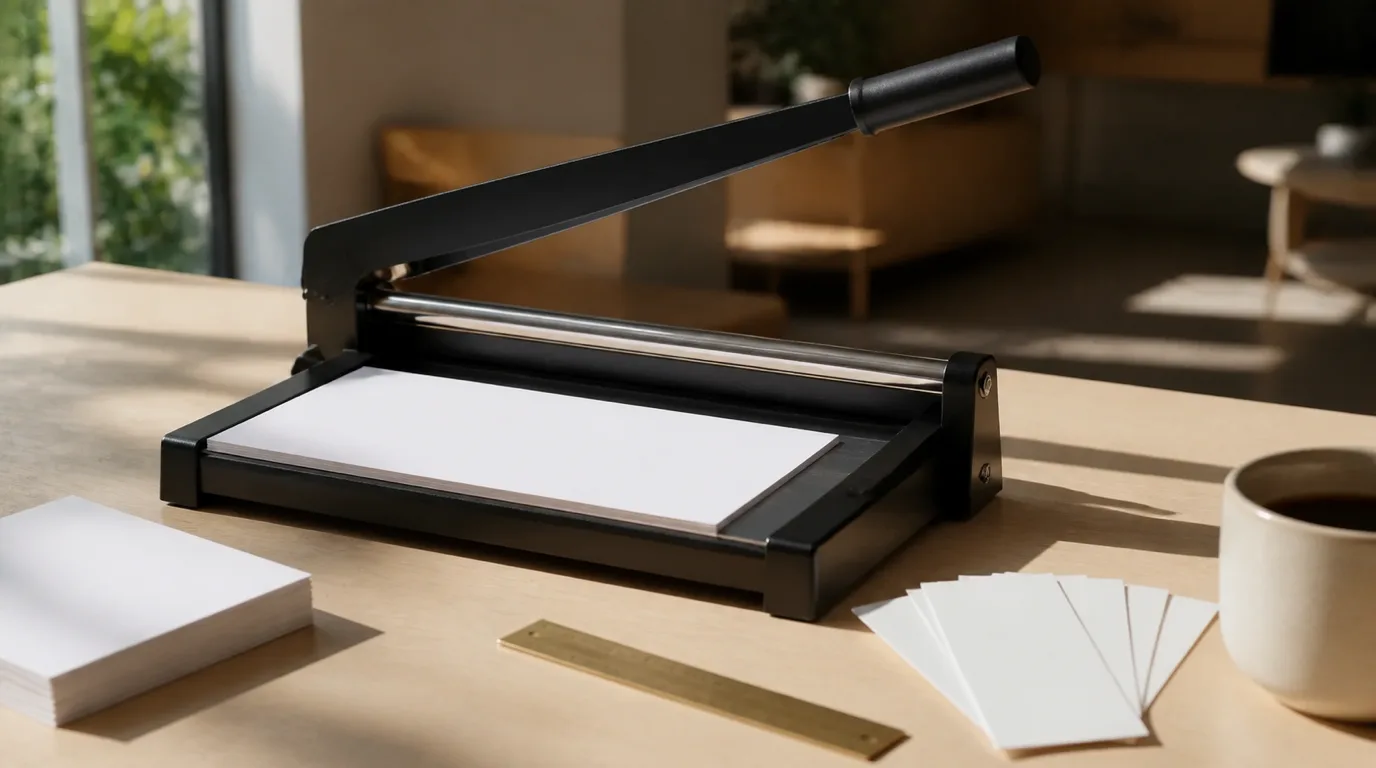
A desk organiser does one simple job well - it clears the clutter and puts pens, sticky notes, scissors and stray cables where your hand expects them - but the right one depends entirely on what is piling up and how much desk you can spare. There are a few distinct types. Simple mesh pen caddies are the cheap, flexible classic - the Amazon Basics and Deco Brothers caddies sit here. All-in-one units like the Simple Houseware add letter trays and a drawer so they corral paperwork too. Paperwork that has done its job should leave the desk entirely, which is what a paper shredder is for. Rotating caddies like the SKYDUE and the Utoplike spin supplies into reach, which suits a kid or craft desk. Vertical standing organisers like the Spacrea build upward to save footprint on a small desk, and bamboo or wood pieces like the Utoplike bring warmth to a desk you can actually see. After settling the type, it comes down to capacity, footprint, material, and whether you want a pure pen caddy or a unit that swallows documents too. This guide covers six desk organisers, each suited to a different situation.
What it holds - pens only or paperwork too
Start with what is actually cluttering your desk, because that decides the type more than anything else. If it is mostly pens, scissors, sticky notes and small clips, a simple caddy is all you need - the Deco Brothers sorts them across five divided plus two shallow compartments, and the Amazon Basics caddy adds a pullout drawer for the little stuff. But if the mess is a stack of paper as much as a scatter of stationery, you want an all-in-one: the Simple Houseware unit has two side letter trays, a drawer with dividers and a detachable pen bucket, so it tames both at once. Match the organiser to your actual clutter: a pen caddy will not swallow a pile of documents, and a full letter-tray unit is overkill if all you own is a handful of pens. Once the trays and drawers are sorted, a label printer is what stops the system drifting back into chaos.
Where the organiser will live matters as much as what it holds. A compact caddy like the Amazon Basics or the Deco Brothers perches on a corner and barely touches your working space. A bigger all-in-one like the Simple Houseware wants a clear stretch of desk for its letter trays and drawer. When surface space is tight, the answer changes - the Spacrea vertical organiser stacks ten compartments and a drawer upward into a narrow base, storing a lot while using very little desk. Measure the spot before you buy - the width, the depth and, for a vertical unit, the height - so the organiser fits the desk rather than the desk having to accommodate the organiser.
What an organiser is made of affects how it looks, how it wears and where it belongs. Mesh metal caddies like the Amazon Basics and Deco Brothers are durable, let air flow through so nothing gets musty, and carry a classic office look that wipes clean and shrugs off scuffs - ideal for a workbench or a desk where practicality wins. Bamboo and wood pieces like the Utoplike are warmer and style-led, reading as furniture rather than office plastic, but they cost more and suit a desk you can see. There is no single best material - match it to the spot, with hardwearing mesh metal for utility and bamboo or wood for a desk on display.
Rotating, vertical or fixed
Some organisers adapt to how you work instead of locking you to a fixed shape. A rotating caddy like the SKYDUE or the Utoplike spins a full 360 degrees, so a whole set of supplies stays reachable from any side - genuinely useful on a shared craft table or a kid desk where lots of hands reach in. A vertical standing organiser like the Spacrea uses its height to pack ten compartments and a drawer into a small base, which saves desk space. A fixed caddy or all-in-one like the Simple Houseware is the simplest shape and sits steady, which is the better call when the organiser lives in one spot and you just want it to stay put. Pick the format that matches how the desk is used.
Who it suits - office, kid desk or craft table
The user often picks the type for you. A serious home office that handles paperwork suits an all-in-one with letter trays like the Simple Houseware, or a tidy mesh caddy like the Deco Brothers for pens. A kid desk or homework nook suits a rotating caddy like the SKYDUE that makes tidying something a child will actually do. A craft table or art studio, where you reach for brushes, pens and tools from all sides, suits a rotating piece - the warm bamboo Utoplike doubles as a handsome studio caddy. Think about who uses the desk and for what, because an organiser that is perfect in a home office can be the wrong shape for a childs craft corner.
On display or just functional
The last question is whether the organiser needs to look the part or just do the job, and it splits the field neatly. If the desk lives somewhere visible - a study you can see, a shared living space - you want a piece that looks intentional, and the warm bamboo Utoplike is built to read as furniture rather than office clutter. If it is purely functional and tucked into a work corner, a mesh metal caddy like the Amazon Basics or an all-in-one like the Simple Houseware does the job without anyone needing to admire it. The rotating SKYDUE sits in between: a clean white caddy that is cheerful on a kid desk without looking out of place in an office. Decide how much the look matters in your spot, then pick an organiser that suits being seen, or just being useful.
Our verdict
For most people the Simple Houseware Mesh Desk Organiser is the smart buy, it is the do everything pick, an all in one mesh unit with two side letter trays, a drawer with dividers and a detachable pen bucket, and with more than 28,000 ratings it is the category review king. If you only want a pen caddy, the Amazon Basics steel mesh caddy is the cheapest way in, with a pen holder, a pullout drawer and divided compartments. The Deco Brothers caddy is the highest rated organiser here at 4.8 stars. For a kid or craft desk the SKYDUE rotating caddy spins five slots into reach, and the Spacrea vertical organiser stacks ten compartments and a drawer to save desk footprint. And if you want a piece on display, the Utoplike bamboo rotating caddy is the premium eleven section feature in warm natural wood.
Frequently Asked Questions
Do I need a pen caddy or an all-in-one desk organiser?
It depends on what is cluttering your desk. If it is mostly pens, scissors, sticky notes and clips, a simple caddy is all you need, the Deco Brothers sorts them across five divided plus two shallow compartments, and the Amazon Basics adds a pullout drawer. If the mess is paperwork as much as stationery, get an all in one like the Simple Houseware with two letter trays, a drawer and a pen bucket. Match the organiser to your actual clutter rather than buying the biggest unit and hoping it fits.
What is the best desk organiser for a small desk?
When surface space is tight, go up instead of out. A vertical standing organiser like the Spacrea stacks ten compartments and a sliding drawer into a narrow base, so it stores a lot while using very little desk. A compact mesh caddy like the Amazon Basics also perches on a corner without taking over. Measure the spot - width, depth and, for a vertical unit, height - before you buy, and place a tall organiser toward the back of the desk where it frees up the most working space.
Are rotating desk organisers good for kids and craft?
Yes - they are one of the best options for a kid desk or a craft table because everyone can spin the caddy and grab supplies from any side. The SKYDUE is a white five-slot rotating caddy that suits a childs room or a shared family workspace, and the bamboo Utoplike is a warmer eleven-section spinner that doubles as a handsome studio caddy. Both are supply caddies rather than paperwork organisers, so match them to pens, textas and craft tools rather than a stack of documents.
What should a desk organiser be made of?
Match the material to the spot. Mesh metal caddies like the Amazon Basics and Deco Brothers are durable, let air flow through and carry a classic office look that wipes clean, ideal for a workbench or a functional desk. Bamboo and wood pieces like the Utoplike are warmer and style led, reading as furniture rather than office plastic, but cost more and suit a desk you can see. There is no single best material - hardwearing mesh metal for utility, bamboo or wood for a desk on display.
Which desk organiser holds the most stuff?
The all-in-one units hold the most overall. The Simple Houseware corrals paperwork and stationery together with two letter trays, a divided drawer and a detachable pen bucket, while the Spacrea vertical organiser packs ten compartments plus a drawer by building upward. Among pure caddies the Utoplike bamboo piece offers eleven rotating sections. A simple pen caddy like the Deco Brothers holds less by design, seven compartments, but that is plenty if your clutter is just pens and small bits.
Will a cheap desk organiser feel flimsy?
Not if you choose a mesh metal one. Cheap plastic trays can flex and crack, but a steel mesh caddy like the Amazon Basics has a commercial grade powder coat finish that wipes clean and resists scuffs, and the Deco Brothers uses a sturdy wire mesh build that earns the highest rating in this guide at 4.8 stars across more than 11,000 reviews. For a tall vertical unit like the Spacrea, keep the heavier items in the lower compartments so it stays bottom weighted and steady.
Where is the best place to put a desk organiser?
It depends on how visible the desk is and how much surface you can spare. On a desk you can see, a warm bamboo piece like the Utoplike is built to read as furniture and stand on display. On a tight desk, place a vertical organiser like the Spacrea toward the back so it frees up working space, and perch a compact caddy like the Amazon Basics on a corner. For a shared craft table, a rotating caddy like the SKYDUE sits in the centre so everyone can reach it. Pick the spot first, then the organiser that suits it.
Found this helpful?
Check out more guides for new homeowners.