A first-home-buyer guide to the best rabbit hutches in Australia for 2026, ranked on floor space, weatherproofing, predator safety and cleaning access, with picks from about $75 to $180.
Prices checked 16 October 2026 on Amazon AU and subject to change.
Buying a rabbit hutch in Australia is one of those jobs that looks simple until you start reading the fine print. Most of what shows up first is either a flimsy indoor cage that a bored bunny will outgrow in a fortnight, or a giant flat-pack that needs two people and a free Saturday to build. Get it wrong and you are either rehoming the hutch on Marketplace or, worse, leaving your rabbit somewhere too small, too hot, or too easy for a fox to get into overnight.
We went through the complete-hutch listings on Amazon Australia, cross-checked them against RSPCA housing advice and the way Australian weather actually behaves, and pulled out seven that earn their place. This guide covers only complete hutches and cages you can house a rabbit in. It skips covers, liners, run-only add-ons, playpens and books, because those are accessories, not homes. Every price, rating and review count here was captured fresh at the time of writing, so treat the card numbers as the source of truth.
What is the best rabbit hutch in Australia right now?
For most people the best rabbit hutch is the i.Pet 106cm tall metal hutch. It is the highest rated of our seven picks, the powder-coated bars wipe clean, and the detachable base means you can lift the whole living space off the tray at cleaning time instead of reaching through a small door. It works indoors or under cover outside, which is exactly what a first rabbit owner needs while they work out where the animal will live long term. If your rabbit lives outdoors full time instead, the i.Pet 100cm two-level wooden hutch is the weatherproof option we would reach for, with a sheltered lower box and a ramp up to an open top level.
If you keep a bonded pair or want proper outdoor housing, the Alopet 210cm wooden double run gives them the longest footprint of our picks and a sheltered box to hide in. And if the budget is tight, the i.Pet 120cm metal cage is the cheapest of our picks and still landed a strong rating, so you are not paying for a compromise you will regret.
Compare the best rabbit hutches at a glance
Here is how the seven picks stack up on the things that decide day-to-day life with a rabbit: floor space, whether they suit outdoor use, and price. Tap any name to see the live listing.
NestPath does not run a rabbit rescue, so we do not claim to have lived with all seven. What we do is study the listings, the specs and the verified owner reviews, then weigh them against Australian conditions. Four things drove the ranking.
Floor space and height measured against the enclosure size welfare groups recommend for a rabbit that needs to hop, not just turn around.
Weather and predator resistance, because an outdoor hutch here has to shrug off summer heat, driving rain and a fox testing the latches at 2am.
Cleaning access, meaning slide-out trays, detachable bases and doors big enough to reach every corner without a fight.
Fresh rating and review signal, using the star rating and review count on each listing at the time of writing, with more weight on hutches that have been reviewed by many owners rather than a handful.
Best rabbit hutch overall: i.Pet 106cm Metal Hutch
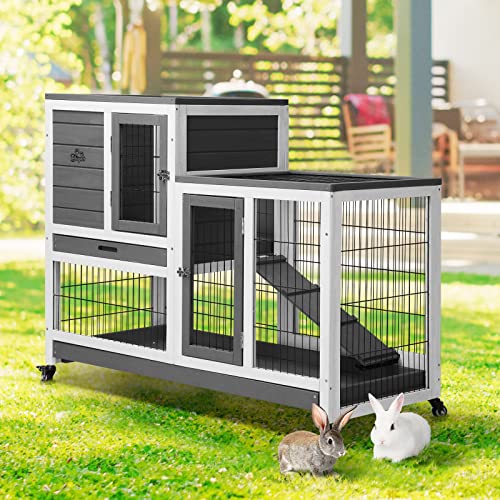
The i.Pet 106cm tall metal hutch is the pick we would hand a first-time owner without a second thought. It is the highest rated of our seven picks, and the reason shows up in the reviews again and again: it is genuinely easy to clean. The base detaches, so instead of fishing bedding out through a narrow flap you lift the wire living section straight off the tray, tip it out and slide it back. The powder-coated bars wipe down in seconds and give the rabbit clear sightlines, which matters for an animal that stresses in a solid box.
At 106cm tall it gives a single rabbit real vertical room, and the wheeled stand keeps it off cold tiles or damp concrete while letting you roll it between a sunny spot and a shaded one through the day. That flexibility is why we rate it for indoor or covered outdoor use rather than exposed weather. It is not a fortress against a determined fox left out overnight, but as a house or patio home it is hard to beat at this price. If you are still deciding whether your rabbit lives inside or out, this is a flexible hutch to start with because it does not lock you into one answer.
Top pick
i.Pet
i.Pet Rabbit Hutch 106cm Tall Metal Cage
4.6(33)
It is the highest rated of our seven picks and the easiest to keep clean, with a detachable base and wheeled stand that suit indoor or covered outdoor living for a first rabbit.
$122.00
Amazon.com.au price as of 05:01 pm AEDT, subject to change
As an Amazon Associate, NestPath earns from qualifying purchases.
Flaws but not dealbreakers
The wire floor needs a mat or a bedded tray section so your rabbit is not standing on bare wire all day. It is also an indoor-or-sheltered hutch, not a stand-alone outdoor one, so if the plan is a fully exposed backyard home you want a wooden pick with an asphalt roof instead.
Best outdoor value: i.Pet 100cm 2-Level Wooden Hutch
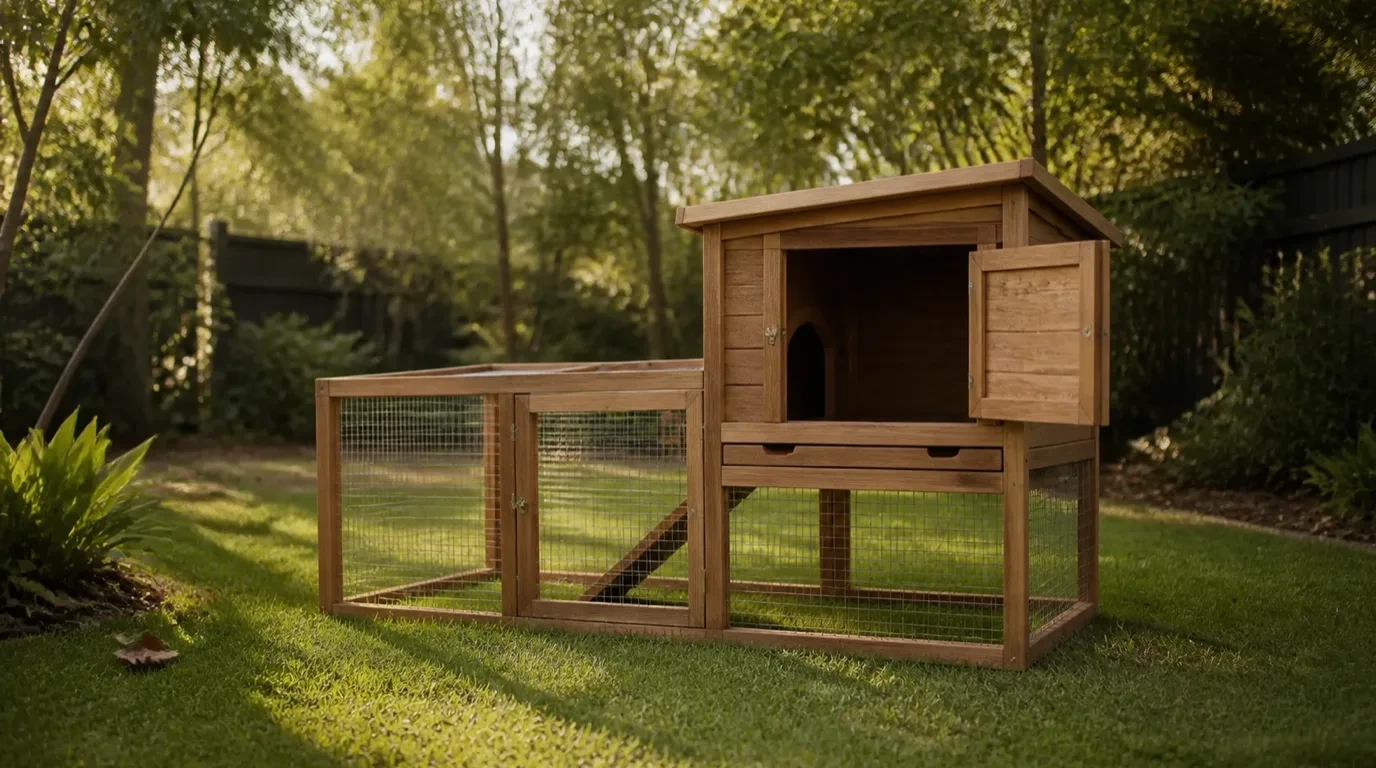
If your rabbit is living in the yard, the i.Pet 100cm two-level wooden hutch is the one we would reach for first. It is built from fir with an asphalt-coated roof that sheds rain, a sheltered lower box the rabbit can retreat into when it is hot or blowing a gale, and an open upper level reached by a ramp so they get some exercise between the two.
The walk-in doors are the quiet win here. They are big enough to lift the rabbit in and out without contorting your arm, and big enough to actually clean the far corners, which is where cheaper hutches fall down. A pull-out tray under the living area catches most of the mess so a daily tidy is a two-minute job. It sits in the middle of our price range and, for a weatherproof wooden home that a beginner can assemble and maintain, that is fair. Position it off bare ground on pavers or a slab and it will handle an Australian winter far better than any open metal cage.
i.Pet
i.Pet Rabbit Hutch 100cm 2-Level Wooden Outdoor
3.6(56)
A weatherproof outdoor home a beginner can assemble and clean, with a sheltered box and open upper level reached by a ramp.
As an Amazon Associate, NestPath earns from qualifying purchases.
Flaws but not dealbreakers
The footprint suits one rabbit comfortably rather than a pair, so if you are planning two, size up. And like all raw-timber hutches it will need a coat of pet-safe outdoor sealant every year or two to stop the base wicking up moisture where it meets the ground.
Best budget rabbit cage: i.Pet 120cm Metal Cage
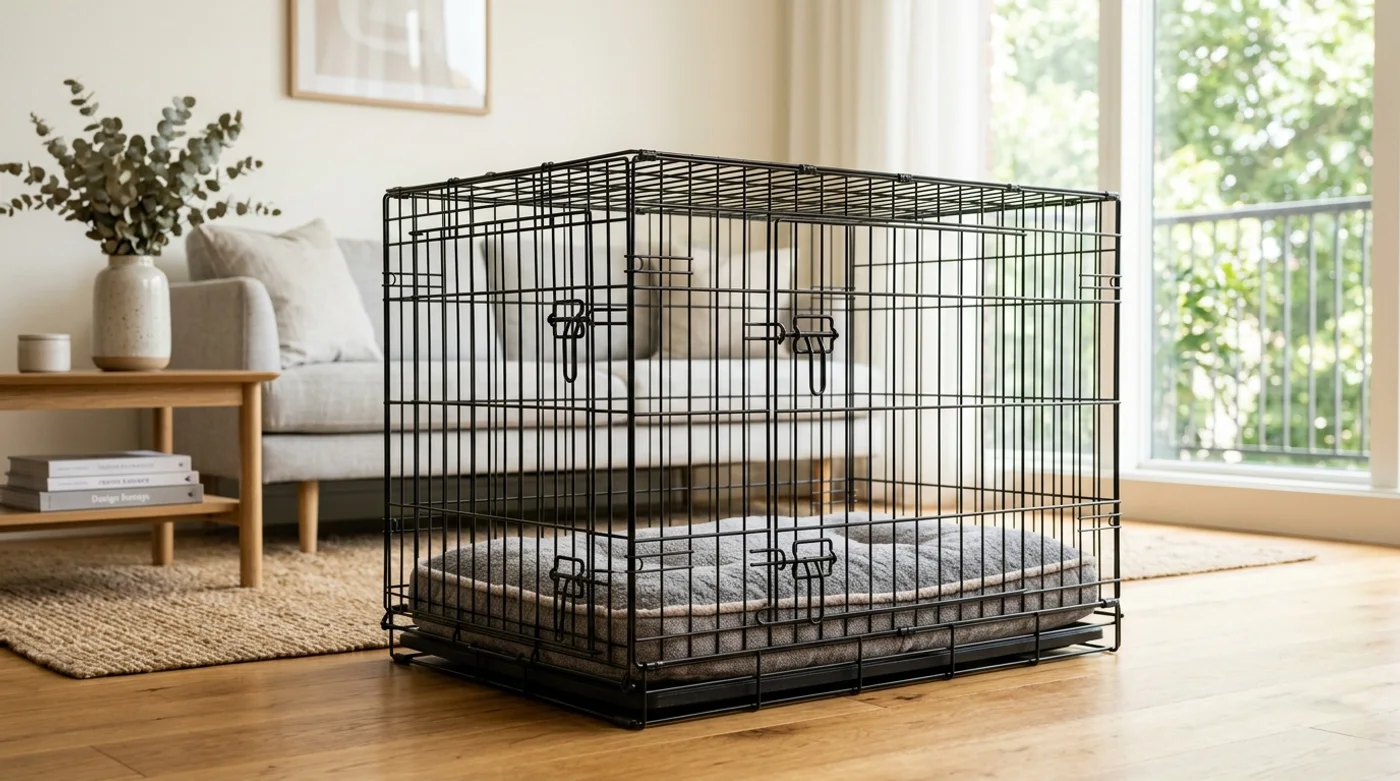
The i.Pet 120cm metal cage is the cheapest of our picks, and it still pulled a solid rating, which is unusual at this end. For a first rabbit, a foster animal, or a temporary indoor setup while you build something bigger, it does the core job well: a wide 120cm floor, a slide-out tray for fast cleaning, and lockable doors so a curious rabbit stays put.
Being open wire, it is an indoor cage first and foremost. Air moves through it freely, you can see your rabbit from across the room, and the slide-out tray means you are not dismantling anything to clean up. We would not leave it outside unattended, but as an affordable indoor home, a recovery pen, or a second setup for bonding two rabbits gradually, it earns its spot. If you are new to rabbits and not ready to commit to a large wooden run, this is the low-risk way in without buying something you will resent. For rabbits that also need secure run time on the grass, pair it with a proper enclosure from our guide to the best pet playpens in Australia.
i.Pet
i.Pet Rabbit Hutch 120cm Metal Slide-Out Cage
4.1(34)
It is the cheapest of our picks and still well rated, making it a low-risk indoor cage, recovery pen or second setup for bonding two rabbits gradually.
As an Amazon Associate, NestPath earns from qualifying purchases.
Flaws but not dealbreakers
The wire base needs a liner or mat for comfort, same as any metal cage, and the height suits smaller breeds better than a large lop that wants to stand up fully. Treat it as an indoor or fully supervised cage rather than a backyard hutch.
Best for small yards: i.Pet 91.5cm 3-Tier Wooden Hutch
When you do not have the ground space for a long run, the i.Pet 91.5cm three-tier wooden hutch buys you room by going up instead of out, and it is the most reviewed hutch of all seven picks. Three connected levels linked by ramps give a single rabbit a surprising amount of territory on a footprint under a metre wide, so it slots onto a balcony, a courtyard or a narrow side return.
It keeps the features that matter outdoors: fir timber, an asphalt roof over the top, and multiple walk-in doors so every tier is reachable at cleaning time. The vertical layout also lets a rabbit choose its spot, up in the air on a warm evening or tucked into the shaded base during the heat of the day, which is real enrichment rather than a gimmick. For townhouses and courtyard homes where a 2-metre run is a fantasy, this is the smart way to give a rabbit proper space.
Also great
i.Pet
i.Pet Rabbit Hutch 91.5cm Outdoor 3-Tier
3.6(68)
The most reviewed hutch of all seven picks, it buys space by going vertical over a footprint under a metre wide, ideal for courtyards and balconies.
$159.95
Amazon.com.au price as of 05:01 pm AEDT, subject to change
As an Amazon Associate, NestPath earns from qualifying purchases.
Flaws but not dealbreakers
Multiple tiers and ramps mean more surfaces and more corners to clean, so it asks a little more of you each week. And very young or elderly rabbits can find steep ramps a challenge, so watch how confidently yours moves between levels before you rely on all three.
Best for a bonded pair: Alopet 210cm Wooden Double Run
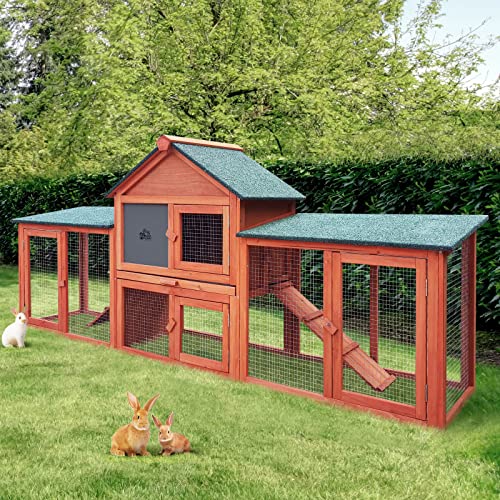
Two rabbits need roughly double the space of one, and the Alopet 210cm wooden double run is built for exactly that. It has the longest footprint of our picks, pairing an enclosed weatherproof house with an attached open run so a bonded pair can stretch out, chase each other and graze without you having to set up a separate exercise pen every day.
This is the closest thing in our lineup to the permanently-attached-run housing welfare groups prefer, and it is the dearest of our picks, which is what you would expect for the size. The wooden frame and covered roof handle outdoor life, the run section keeps the rabbits contained on the grass, and the sheltered box gives them somewhere dry and private. If you have committed to keeping rabbits properly, in a pair, with real room to move, this is the pick that matches that intent.
Also great
Alopet
Alopet Rabbit Hutch 210x45x85cm
3.6(14)
With the longest footprint of our picks, it pairs a weatherproof house with an attached run, the closest thing here to the permanently attached housing welfare groups prefer for a bonded pair.
$179.67$219.90
Save 18%
Amazon.com.au price as of 11:01 pm AEDT, subject to change
As an Amazon Associate, NestPath earns from qualifying purchases.
Flaws but not dealbreakers
It is large and takes proper time to assemble, so clear an afternoon and a flat patch of yard. The rating rests on fewer reviews than our i.Pet picks, so we would check the current listing feedback before buying, but nothing in the design raises a red flag for a pair.
Best indoor vertical hutch: i.Pet 142cm 4-Level Cage
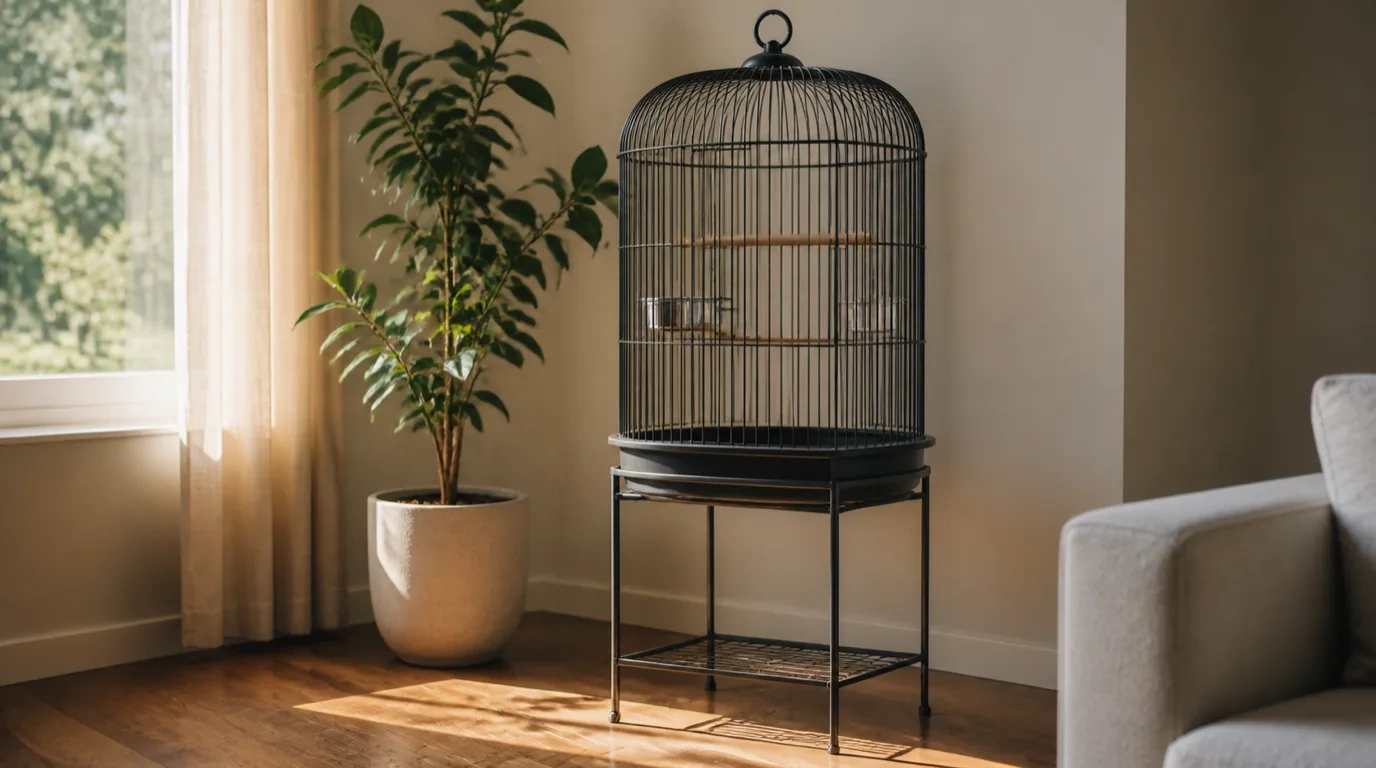
The i.Pet 142cm four-level cage is the tallest of our picks, and it is aimed squarely at indoor owners who want to give a rabbit or a pair of smaller animals plenty of room without eating up floor space. Four levels connected by three ladders turn a compact base into a tall, explorable home that suits a laundry, a rumpus room or a covered patio.
The metal construction keeps it airy and easy to see into, and the multi-level layout means the rabbit is not stuck on one flat surface all day. Double doors make it easy to reach in and to lift the animal out for handling and floor time. It sits in the lower half of our price range despite the height, which makes it good value if vertical space is what you are short on. Just remember that tall does not replace long: rabbits still need daily run-around time out of any cage, tall or not.
Also great
i.Pet
i.Pet Rabbit Hutch Bird Cage 142cm Tall 4
3.9(22)
The tallest of our picks, its four levels and three ladders give an indoor rabbit plenty of room to explore without eating up floor space.
$129.90
Amazon.com.au price as of 05:01 pm AEDT, subject to change
As an Amazon Associate, NestPath earns from qualifying purchases.
Flaws but not dealbreakers
Ladders between four levels suit agile adult rabbits more than very young, large or older ones, so supervise early to make sure yours navigates them safely. As with all wire cages, line the levels for comfort and grip.
Best compact outdoor hutch: Alopet 100x55x90cm Wooden Hutch
The Alopet 100x55x90cm wooden hutch is the pick for a smaller backyard that still wants a proper weatherproof outdoor home rather than an indoor cage dragged outside. At a metre wide with a covered sleeping box and a waterproof roof, it gives a single rabbit a dry, sheltered base while keeping the overall footprint modest enough for a compact yard or a side garden.
It is a straightforward, honest hutch: timber frame, pull-out tray for cleaning, and doors sized for real access. The rating is the lowest of our picks and rests on a moderate number of reviews, so it is a value outdoor option rather than a standout, but the fundamentals are sound for the money. Set it on pavers, add a mat inside, and it makes a solid first outdoor home while you decide whether to expand to a full run down the track.
Also great
Alopet
Alopet Rabbit Hutch Chicken Coop
3.4(29)
A straightforward compact outdoor hutch with a waterproof roof and pull-out tray, a solid value first outdoor home for a smaller backyard.
$177.84$219.90
Save 19%
Amazon.com.au price as of 11:01 pm AEDT, subject to change
As an Amazon Associate, NestPath earns from qualifying purchases.
Flaws but not dealbreakers
The compact size means one rabbit only, with daily run time essential rather than optional. And the raw timber wants annual sealing to survive years of Australian weather, so factor a tin of pet-safe outdoor sealant into the running cost.
Which rabbit hutch should you buy?
Match the hutch to how and where your rabbit will actually live.
Your situation
Our pick
You want one hutch that just works, indoors or under cover
The single most important spec is space. The Rabbit Welfare Association and Fund, quoted by the RSPCA, recommends a minimum enclosure of about 3m x 2m x 1m for a pair of average rabbits, with a permanently attached run being the ideal. Very few off-the-shelf hutches hit that on their own, so read hutch dimensions as the sleeping-and-shelter part of a setup that also includes daily run time, not the rabbit's entire world.
Indoor or outdoor. Open metal cages are indoor homes: airy, easy to clean, easy to see into. Wooden hutches with asphalt or waterproof roofs are built for outside, where they have to handle sun, rain and cold. Decide where the rabbit lives before you choose the material, because using the wrong type in the wrong place is the most common mistake we see.
Predator and weather proofing. Outdoors, latches matter as much as mesh. Foxes and even determined cats will work at a weak catch, so look for lockable doors and solid wire, and raise the hutch off the ground so it stays dry and harder to reach. A sloped, sealed roof keeps the interior liveable through a wet week.
Cleaning access. Slide-out trays and detachable bases turn cleaning from a chore into a two-minute job, and doors need to be big enough to reach every corner. A hutch you can clean easily is a hutch you will actually keep clean.
Floor comfort. Bare wire is hard on rabbit feet over time, so plan on a mat, a bedded section or a solid resting area whatever you buy. If you also want secure enclosed outdoor space, a covered run or a larger enclosure like those in our cat enclosure guide can be adapted for rabbits with the right mesh.
Care and maintenance
The RSPCA lists a clean, dry hutch as one of the basics of good rabbit care. Spot-clean the toilet corner and food area daily, empty and wipe the tray every couple of days, and do a full strip-down and disinfect weekly with a pet-safe cleaner. Slide-out trays and detachable bases make all of this faster, which is why we weighted them so heavily.
Outdoors, the enemy is moisture. Keep the hutch raised off the ground on pavers or feet so the base does not sit in damp grass, and re-seal any raw timber with a pet-safe outdoor sealant every year or two so it does not rot or warp. Check the roof after storms and clear leaf litter that traps water. In summer, move portable hutches into shade and never leave a rabbit in direct sun, since rabbits handle cold far better than heat.
Line wire floors so your rabbit is not standing on bars, and inspect feet and hocks regularly for sore spots. Give fresh water daily, ideally from more than one source, and make sure hay is always available. None of this is hard, but doing it consistently is what makes a cheap hutch last for years and keeps a rabbit thriving.
You'll also want
A hutch is the start of the setup, not the whole thing. These are the extras that make daily life easier and your rabbit healthier.
A few hutches we looked at did not make the cut. The Seiyierr indoor bunny cage with casters is a tidy design, but it has only a handful of reviews so far, so we would want to see more owner feedback before ranking it. The PawHub medium wooden coop covers the same ground as our i.Pet outdoor picks but with a thinner review record. Larger Alopet and generic double-run coops in the 200cm-plus class are tempting on size, but several carry lower ratings and inconsistent build reports, so we stuck with the 210cm Alopet as our large-run choice. Finally, the many chicken-coop hybrids that show up under rabbit searches can work, but their perches and nesting boxes waste space a rabbit will not use, so a purpose-built hutch is usually the better buy.
Frequently asked questions
How big should a rabbit hutch be in Australia?
Welfare groups quoted by the RSPCA recommend a minimum enclosure of about 3m x 2m x 1m for a pair of average rabbits, ideally with a permanently attached run. Most single hutches are smaller than this, so treat the hutch as the sleeping and shelter area and give your rabbit daily run-around time outside it as well.
Should a rabbit hutch be on grass or concrete?
Raise the hutch off bare ground either way. Sitting a wooden hutch directly on damp grass leads to a rotting base and lets predators dig underneath, while pavers, a slab or hutch feet keep it dry and stable. If you want your rabbit grazing on grass, use a separate secure run for supervised time rather than leaving the hutch on wet lawn.
Do rabbits prefer a hutch or a cage?
Rabbits care more about space, safety and enrichment than the label. An open wire cage suits indoor living because it is airy and easy to clean, while a wooden hutch with a roof is built for outdoor weather and shelter. Choose the type that matches where your rabbit will live, and make sure whatever you pick is large enough for it to hop, stretch up and lie out fully.
How do you predator-proof an outdoor rabbit hutch?
Use a hutch with lockable latches and solid wire mesh, raise it off the ground, and make sure there are no gaps a fox can force. Foxes and cats will test weak catches overnight, so add a secondary clip or bolt if the stock latch feels flimsy, and bring portable hutches closer to the house or into a shed after dark where you can.
What is the 3-3-3 rule for rabbits?
The 3-3-3 rule is a rough guide to a new rabbit settling in: about 3 days to decompress and feel safe, about 3 weeks to learn your routine, and about 3 months to fully settle and show its personality. Give a new rabbit a calm, secure hutch and low-pressure space during those first weeks rather than lots of handling.
Related NestPath guides
Setting up the rest of your rabbit's world, or another pet's? These guides pair well with this one.
Anish Puri founded NestPath in 2026 after going through the Australian first-home-buyer process himself. NestPath focuses on Australian first-home buyers because the existing review sites are American, generic, or both. Anish handles editorial selection across the homeowner hub. Reach out: hello@nestpath.com.au
DETAILED REVIEWS
Top pick
i.Pet
i.Pet Rabbit Hutch 106cm Tall Metal Cage
4.6(33)
It is the highest rated of our seven picks and the easiest to keep clean, with a detachable base and wheeled stand that suit indoor or covered outdoor living for a first rabbit.
$122.00
Amazon.com.au price as of 05:01 pm AEDT, subject to change
As an Amazon Associate, NestPath earns from qualifying purchases.
i.Pet
i.Pet Rabbit Hutch 120cm Metal Slide-Out Cage
4.1(34)
It is the cheapest of our picks and still well rated, making it a low-risk indoor cage, recovery pen or second setup for bonding two rabbits gradually.
As an Amazon Associate, NestPath earns from qualifying purchases.
Also great
Alopet
Alopet Rabbit Hutch 210x45x85cm
3.6(14)
With the longest footprint of our picks, it pairs a weatherproof house with an attached run, the closest thing here to the permanently attached housing welfare groups prefer for a bonded pair.
$179.67$219.90
Save 18%
Amazon.com.au price as of 11:01 pm AEDT, subject to change
Affiliate Disclosure: As an Amazon Associate, NestPath earns from qualifying purchases. This means if you click a product link and buy something, we may receive a small commission at no extra cost to you. We only recommend products we genuinely believe will help new homeowners. This does not influence our recommendations.
CERTAIN CONTENT THAT APPEARS ON THIS SITE COMES FROM AMAZON. THIS CONTENT IS PROVIDED ‘AS IS’ AND IS SUBJECT TO CHANGE OR REMOVAL AT ANY TIME.