How to choose a countertop ice maker in Australia
The big appeal of a countertop ice maker is that it makes ice fast (often 9 cubes in about 6 minutes) without a plumbed water line, so you just pour water in and switch it on. The best ice maker in Australia for most homes is the CROWNFUL Ice Maker Countertop with Handle, which makes 9 cubes in about 6 minutes and up to 12kg a day, with the Devanti 1.3L the budget choice and the Advwin 3.2L the pick if you need around 20kg a day. The first thing to settle is how much ice you need and what kind, because that splits the field straight away. Most machines make hard bullet or cube ice for everyday drinks, while a nugget machine makes the soft, chewable pebble ice you get at cafes. After that it comes down to ice output and speed (kilograms per 24 hours and cubes per cycle), water tank size (a bigger tank means more back-to-back batches), whether it self-cleans, and the form factor: a compact top-load versus a tidy front-load that fits under cabinets. This guide covers six machines, each suited to a different kind of home, and if you are building a drinks corner it pairs with a bar fridge on the same bench.
How we picked these ice makers
We compared the six on what each Amazon AU listing states: daily output, cubes per cycle, tank size, ice type, self-cleaning and the loading design. We read the owner reviews for the same points and rechecked every listing on 7 October 2026. Four were in stock under the listing we first linked. The CROWNFUL and Devanti listings redirected to sibling listings of the same machines (the CROWNFUL to its black version), and both of those were in stock, so on 8 October 2026 we moved both cards to the sibling listings (the Devanti to the white plastic-bodied variant of the same model). The ratings in the table are the Amazon AU averages. We checked the Devanti and the Advwin 3.2L against the makers' own Australian product pages, which list the same tank sizes, daily output and self-cleaning function; we found no Australian product page from CROWNFUL, Kenmore or Maxkon.
The ice makers at a glance
| Pick | Best for | Key spec | Rating |
|---|
| Devanti Ice Maker Machine 1.3L (12kg/24h) | Best budget | Up to 12kg a day, 1.3L tank | 4.5 |
| CROWNFUL Ice Maker Countertop with Handle | Most homes, our pick | Up to 12kg a day, first batch in about 6 minutes | 4.4 |
| Advwin Ice Maker Machine 12KG (2 ice sizes) | Choosing your cube size | Small or large cubes, up to 12kg a day | 4.4 |
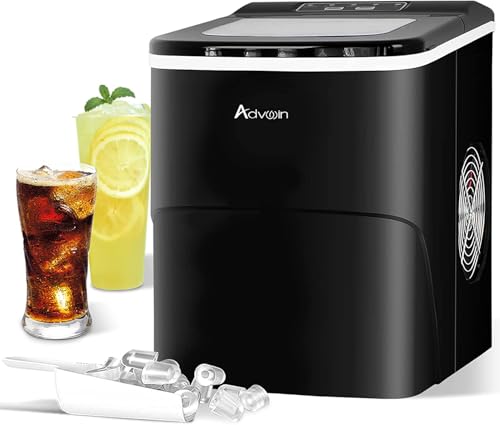
| Advwin Ice Maker Machine 3.2L (large capacity) | Big batches and parties | 3.2L tank, up to about 20kg a day | 4.0 |
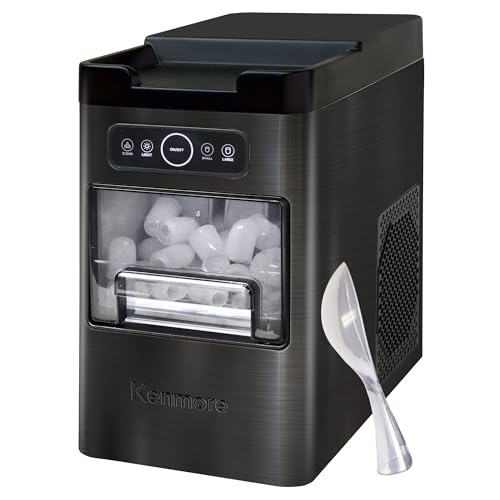
| Kenmore Front-Load Countertop Ice Maker | A built-in look under cabinets | Front-load, about 11.7kg a day | 4.4 |
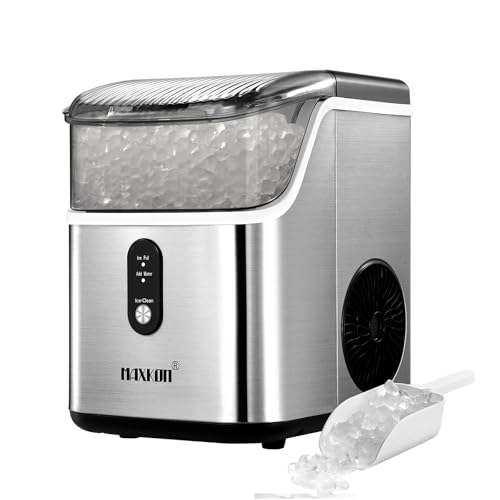
| Maxkon Nugget Ice Maker (pebble/pellet) | Soft, chewable nugget ice | Nugget ice, up to 15kg a day | 5.0 |
The honest trade-offs of countertop ice makers
Before the picks, a couple of honest caveats. These machines make cloudy bullet ice rather than the clear, slow-frozen cubes you get from a freezer tray, and that quicker ice melts faster in a drink. They are also not freezers: if you make ice and do not use it, it slowly melts back into the water tank rather than staying frozen, though most machines recycle that meltwater into the next batch so little is wasted. If you are carrying ice to the beach or a barbecue, make it at home and move it in an esky, because the basket is not insulated. None of this is a flaw so much as how the technology works: you trade the clarity and longevity of freezer ice for speed and the convenience of having ice on demand without a plumbed line. If you understand that going in, a countertop maker is a brilliant bit of kit. Our budget pick below is the cheapest way to test the waters. The card links the white plastic-bodied variant of the same Devanti 1.3L 12kg model, which was in stock: the stainless listing we first linked redirected to it.
Ice output and speed: how much, how fast
The headline numbers are how much ice a machine makes in 24 hours and how quickly the first batch arrives. Most of these machines hit a similar quick-batch figure (9 cubes in about 6 minutes), so you are never waiting long for the first ice, even on the budget Devanti. Daily output is where they separate: the everyday machines like the CROWNFUL make up to 12kg a day, which comfortably covers normal household use, while the big-tank Advwin pushes up to around 20kg a day for entertaining. Think about your peak demand rather than the average: a machine that makes plenty across a day can still run short if everyone wants ice at once, which is where cubes-per-cycle and tank size come in. For most homes 12kg a day is ample, but if you host often, look higher. The card links the black version of the same machine: the white CROWNFUL listing we first linked redirected to it, and it was still in stock.
Ice type: cubes versus nugget
The kind of ice a machine makes is a bigger decision than people expect. Most countertop makers, including five of our six, produce hard bullet or cube ice, the standard choice that chills drinks and is what you picture when you think of ice. Some, like the Advwin 12KG, let you choose between small and large cubes, which is handy for matching the ice to the drink. Then there is nugget ice, the soft, chewable pebble ice you get at cafes and fast-food chains, and the Maxkon is the only machine here that makes it. Nugget ice is loved because it is easy to chew, absorbs the flavour of your drink and chills fast, but the machines cost more because of how they form the ice. Decide first whether you want classic cubes or that chewable cafe ice, because it points you to a completely different machine. Large cubes suit spirits served in heavy cocktail glasses, while nugget ice suits tall soft drinks.
Water tank size and back-to-back batches
The water tank is what determines how long you can make ice before stopping to refill, and it matters more than the spec sheet suggests. A compact machine like the Devanti has a 1.3L tank, which keeps the footprint small and is fine for everyday drinks but means more frequent top-ups if you are making ice all afternoon. The big-tank Advwin steps right up to 3.2L, more than double, so you can run back-to-back batches for a party without hovering over it. There is a trade-off either way: a bigger tank means a bigger machine on your bench, while a smaller one is tidier but needs refilling sooner. Match the tank to how you will use it: a small tank for occasional drinks, a large one for entertaining where running dry mid-event is the thing you most want to avoid.
Two practical features round out the decision. The first is self-cleaning: because these machines hold standing water, they need regular cleaning to stay fresh, and a self-clean function turns that into a single button rather than a fiddly manual job. Every machine in this guide self-cleans, which is the standard you should hold out for. The second is form factor. Most countertop makers load from the top, which means you cannot slide them under an overhead cabinet. The Kenmore is the exception: a front-loading design you fill and empty from the front, so it tucks neatly under cabinetry for a more built-in look. If your benchtop sits beneath cabinets and you care about a clean fit, that front-load design is worth seeking out; if you have open space, a top-loader is simpler and usually cheaper. Chilled water is the other benchtop job, and our water dispenser guide covers the units that do it. For hot water, our kettle guide compares electric kettles.
How much should you spend
You can make ice perfectly well at any price in this guide. The Devanti proves you do not need to spend much for a capable everyday machine with quick-cube output and self-cleaning. The CROWNFUL is where most people should land: it is the most reviewed, most proven machine here. The Advwin 12KG offers selectable cube sizes, and the big tank Advwin and the front load Kenmore offer entertaining scale output and a tidy built in look respectively. The Maxkon is the nugget machine, and nugget machines cost more to build, so it is a buy for people who specifically want that chewable cafe ice. Decide what kind of ice and how much you need first, then pick the cheapest model that nails it, which for most households is the CROWNFUL.
What about Devanti, Heller and Kmart ice makers?
Local brands dominate the Australian shopping results, so here is the honest position. Devanti is the most visible name, with a 12kg countertop machine and a 20kg unit with a water dispenser. Heller lists a 12kg machine and Morphy Richards a 15kg model. Kmart sells a cheap countertop maker that is fine for a few weekends a summer, but it does not publish daily output or first batch times, which is exactly what you are paying extra for above. We do not carry those models, so we have not ranked them.
Our verdict
Best overall: CROWNFUL Ice Maker Countertop with Handle
For most homes the CROWNFUL Ice Maker Countertop is the smart buy: it is by far the most reviewed machine here with 13,100 plus ratings, makes 9 cubes in about 6 minutes and up to 12kg a day, self cleans, and has a handy carry handle, which is why it is our pick. If you only want to spend a little, the Devanti 1.3L is a compact machine from a well-known Australian brand with the same quick-cube output. Want to pick your cube size? The Advwin 12KG makes small or large cubes. For entertaining, the Advwin 3.2L has a big tank and up to around 20kg a day, while the Kenmore Front-Load tucks under cabinets for a built in look. And if you love the soft, chewable pebble ice cafes make, the Maxkon Nugget Ice Maker is the premium pick.
Frequently asked questions
How does a countertop ice maker work without plumbing?
You simply pour water into the machine's tank and switch it on: there is no plumbed water line to connect, which is the whole appeal of a countertop maker. Most models, like the CROWNFUL, make 9 cubes in about 6 minutes by freezing water around chilled metal prongs, then dropping the finished ice into a basket. When the water runs low you top it up, and many machines recycle the meltwater from unused ice back into the next batch. That makes them ideal for renters, caravans, offices and kitchens without a fridge water line.
What is the difference between cube ice and nugget ice?
Cube or bullet ice is the hard, standard ice that most countertop makers produce: five of our six, including the Devanti, make it. Nugget ice is the soft, chewable pebble or pellet ice you get at cafes and fast food chains, and the Maxkon is the only machine here that makes it. Nugget ice is loved because it is easy to chew, absorbs the flavour of your drink and chills fast, but nugget machines cost more because of how they form the ice. Choose cube ice for everyday drinks or nugget if you specifically want that chewable cafe texture.
How much ice can a countertop ice maker make in a day?
It varies by machine. The everyday models like the CROWNFUL make up to 12kg of ice in 24 hours, which comfortably covers normal household use. The large tank Advwin 3.2L steps up to around 20kg a day for entertaining, and the Maxkon nugget machine makes up to 15kg. Think about your peak demand rather than the daily total: a machine can make plenty across a day but still run short if everyone wants ice at once, which is where a bigger water tank and more cubes per cycle help.
Does the ice melt if I do not use it?
Yes. A countertop ice maker is not a freezer, so any ice you make slowly melts back into the water tank if you leave it sitting in the basket. The good news is that most machines, including the ones in this guide, recycle that meltwater into the next batch, so very little water is actually wasted. For a party, make the ice as you need it or transfer batches to your freezer to store. For everyday use, just run the machine when you want ice rather than expecting it to keep a full basket frozen like a freezer would.
Do countertop ice makers need cleaning?
Yes, regular cleaning matters because these machines hold standing water, which needs to stay fresh. Every machine in this guide has a self-cleaning function that turns the job into a single button rather than a fiddly manual scrub: the Devanti, CROWNFUL and Kenmore all self-clean. You should still empty and wipe the tank periodically and run the self-clean cycle with a little vinegar or cleaning solution every few weeks to prevent scale and keep the ice tasting clean. Self-cleaning is a feature worth holding out for.
Can a countertop ice maker fit under kitchen cabinets?
It depends on how it loads. Most countertop ice makers fill from the top, which means you cannot slide them under an overhead cabinet without leaving room to lift the lid. The Kenmore Front-Load is the exception in this guide: it is a front loading stainless design you fill and empty from the front, so it tucks neatly under cabinetry for a more built in look. If your benchtop sits beneath cabinets and a clean fit matters, look for that front load design; if you have open bench space, a simpler top loader like the CROWNFUL will do the job.
Why is the ice from these machines cloudy and does it melt faster?
Countertop ice makers freeze water quickly around chilled metal prongs, which traps tiny air bubbles and makes the ice cloudy rather than clear like the slow-frozen cubes from a freezer tray. That quicker-formed ice also tends to melt a little faster in a drink. It is a normal trade-off of the technology: you get ice on demand in minutes with no plumbing, in exchange for the clarity and longevity of freezer ice. For everyday drinks it makes no real difference, and machines like the CROWNFUL make it so fast and conveniently that most owners happily accept the cloudier cubes.
Which brand makes the most reliable ice maker in Australia?
No single brand wins outright, so judge by owner ratings and how many of them there are. In this guide the CROWNFUL Ice Maker Countertop with Handle carries 13,100 plus ratings at 4.4 stars, by far the largest track record of any countertop machine sold in Australia. The big rating count is the better signal, because it shows the machine holds up across thousands of homes rather than a few dozen.
Is the Kmart ice maker any good?
Kmart sells a low cost countertop ice maker and it is a reasonable buy if you want ice a few times a summer and nothing more. The catch is that Kmart does not publish daily output or first batch times, so you cannot compare it on the two numbers that matter. The CROWNFUL states up to 12kg a day and 9 cubes in about 6 minutes, and that stated performance is what you can compare it on.
How do you clean and sanitise an ice maker?
Empty the basket and drain the tank, then refill it with a mix of water and white vinegar or a food safe citric acid solution and run the self-clean cycle. Every machine in this guide self-cleans, including the Devanti 1.3L and the CROWNFUL. Drain that water away, refill with fresh water, run one batch and tip that ice out. Do it every 2 to 4 weeks if you use the machine often, and wipe the tank dry before you store it.
How do you reset an ice maker?
Switch the machine off at the power point and leave it unplugged for about 10 minutes, then plug it back in. That clears most sensor faults, including a false ice full reading caused by a cube resting against the sensor. If the warning light stays on, check that the basket is seated properly, the water sits between the minimum and maximum marks and the drain plug is closed. A machine that has just been moved also needs about 2 hours standing upright before it will run.
Where can you buy an ice maker in Australia?
Amazon Australia carries the widest range and is where every machine in this guide is sold. Harvey Norman, Appliances Online and Kitchen Warehouse stock the larger brands, Bunnings and Kmart sell cheap countertop units, and hospitality suppliers carry commercial ice machines if you want one for a home bar. Prices move a fair bit between them, so check the model number rather than the brand name, because output can differ between machines that look almost identical.
What is the best ice machine for the money?
For most homes, this guide's pick is the CROWNFUL Ice Maker Countertop with Handle, which states 9 cubes in about 6 minutes and up to 12kg a day with self cleaning. The Devanti Ice Maker Machine 1.3L is the budget pick with the same quick cube output. Decide the ice type and daily amount you need first, then choose the cheapest model that covers it.
Are ice makers worth buying?
A countertop ice maker is worth it if you want ice on demand without a plumbed water line and accept the trade offs. It makes cloudy bullet ice that melts faster than freezer tray cubes, and the basket is not a freezer, so unused ice melts back into the tank. Most machines recycle that meltwater into the next batch.